vesarā gīti technical_term
Generative rules (2) ↗ filter all
R_4p1_388classification · 1 att.
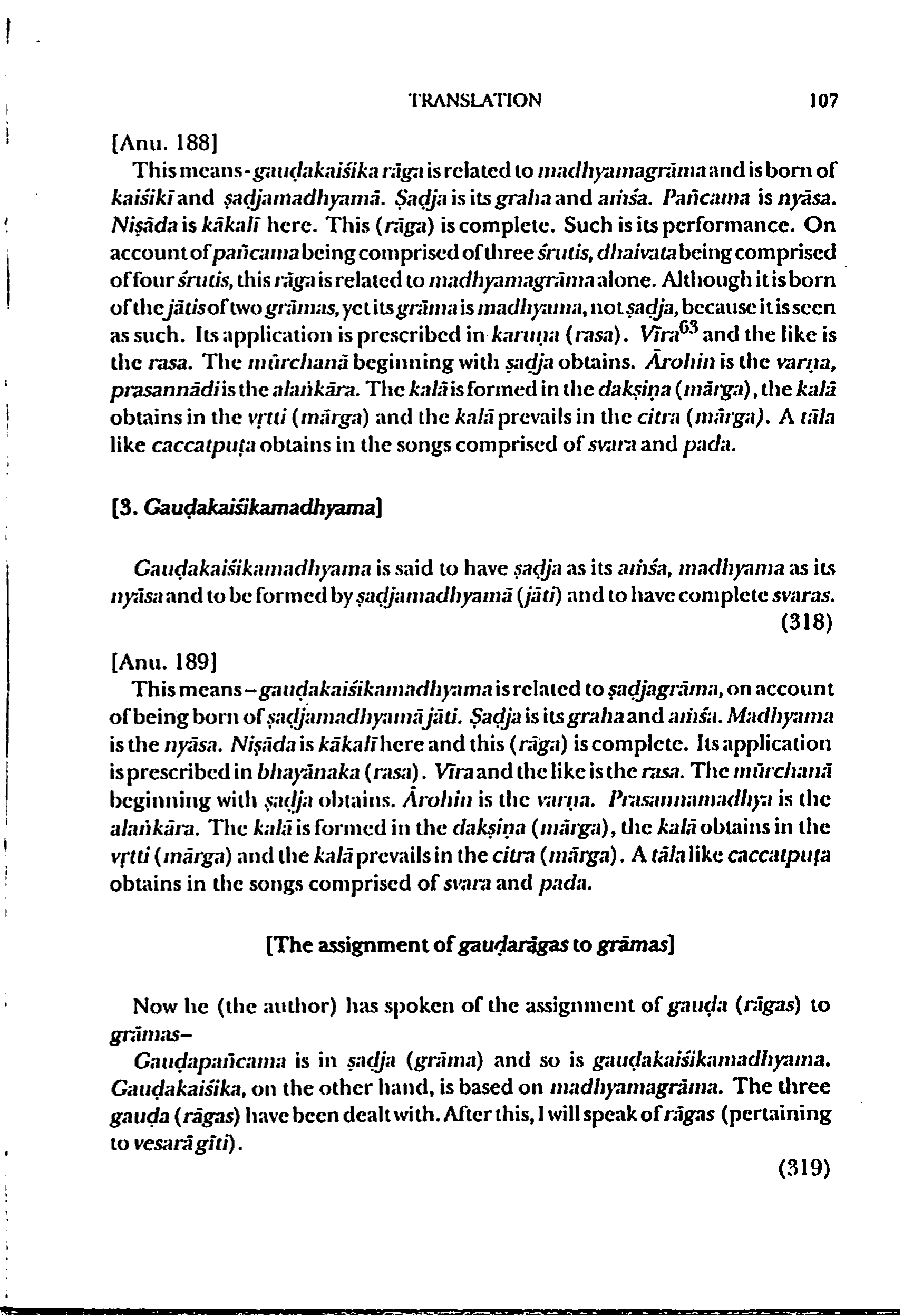
Vesarā gīti rāgas are discussed after the gauda rāgas in the text orderingR_869_vesaragiti_categoryclassification · 1 att.
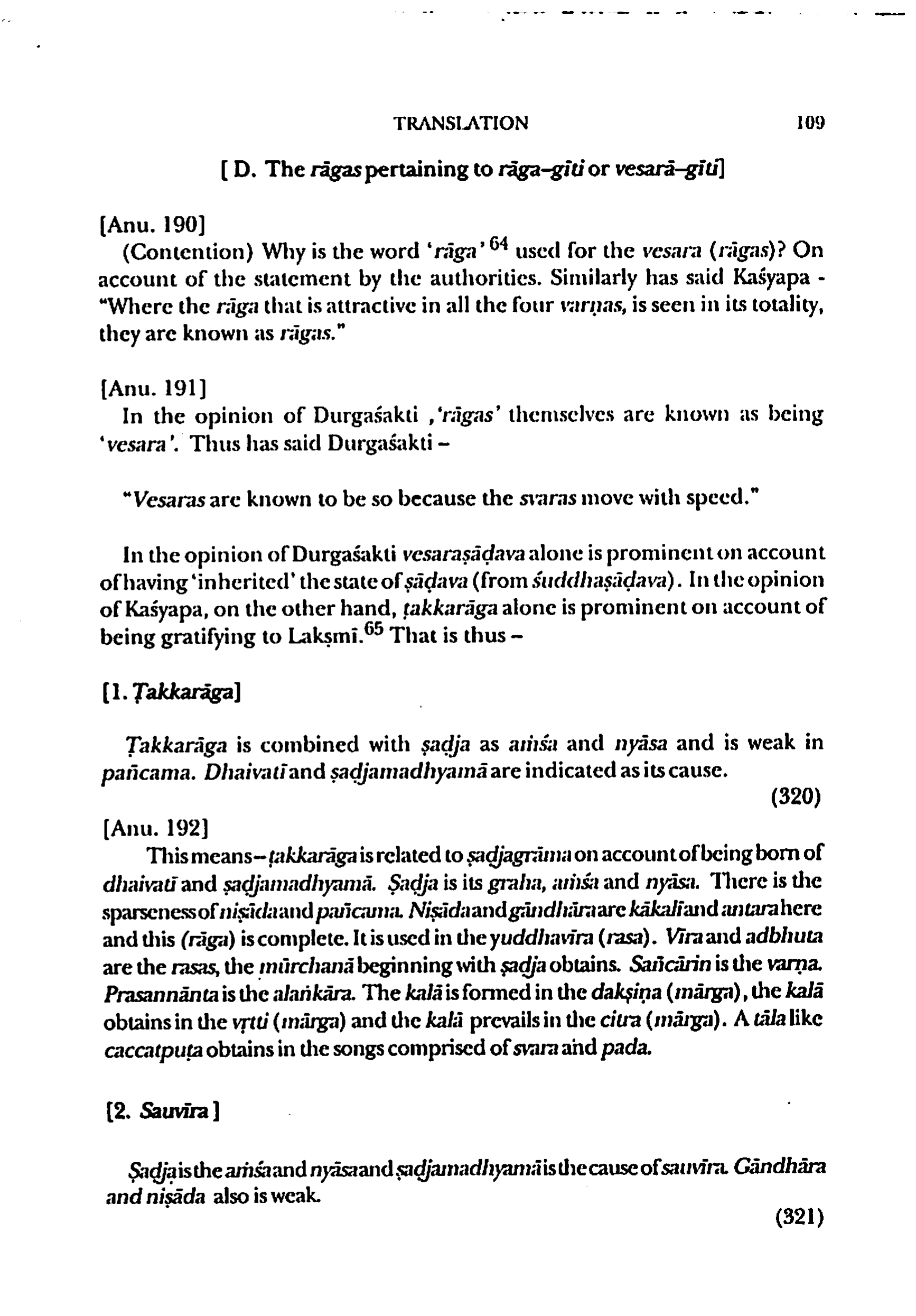
vesarā-gīti is a category of rāgas under rāga-gīti classification
Pseudocode (DSL v1.1) ↗ full DSL (raw text)
RULE id: vesarā gīti (cluster 388)
SCOPE: technical_term family
STATUS: empirical
CONFIDENCE: empirical
PROTECT: false
Essence pseudocode — identity + RECORD. The page citations for each slot value are in the Grammar record table above (audit trail). The full DSL adds ASSERTIONS with verbatim quotes (see Affirmations below) and CITED_RULES (see Graph relations).
Graph relations
Outgoing (4)
--[relation]--> rāga (2)--[relation]--> rāgagīti (1)--[relation]--> rāga-gīti or vesarā-gīti (1)--[relation]--> gaudarāgas (1)
Incoming (0)
none
Affirmations (2)
Vesarā gīti rāgas are discussed after the gauda rāgas
"After this, I will speak of rāgas (pertaining to vesarā gīti)."
Vesarā-gīti is a category of rāgas that fall under rāga-gīti classification
"[D. The rāgas pertaining to rāga-gīti or vesarā-gīti]"