Nārada proper_name
Generative rules (1) ↗ filter all
R_4p0_027relation · 2 att.
Nārada = chanteur/voyant (mahatman) associe au svara pañcama
Pseudocode (DSL v1.1) ↗ full DSL (raw text)
RULE id: nārada (cluster 110)
SCOPE: proper_name family
STATUS: canonical
CONFIDENCE: canonical
PROTECT: true
Essence pseudocode — identity + RECORD. The page citations for each slot value are in the Grammar record table above (audit trail). The full DSL adds ASSERTIONS with verbatim quotes (see Affirmations below) and CITED_RULES (see Graph relations).
Graph relations
Outgoing (4)
--[relation]--> pañcama (1)--[attribution]--> svaras (1)--[relation]--> svaras (1)--[attribution]--> rāga (1)
Incoming (1)
Matanga --[attribution]--> (1)
Affirmations (4)
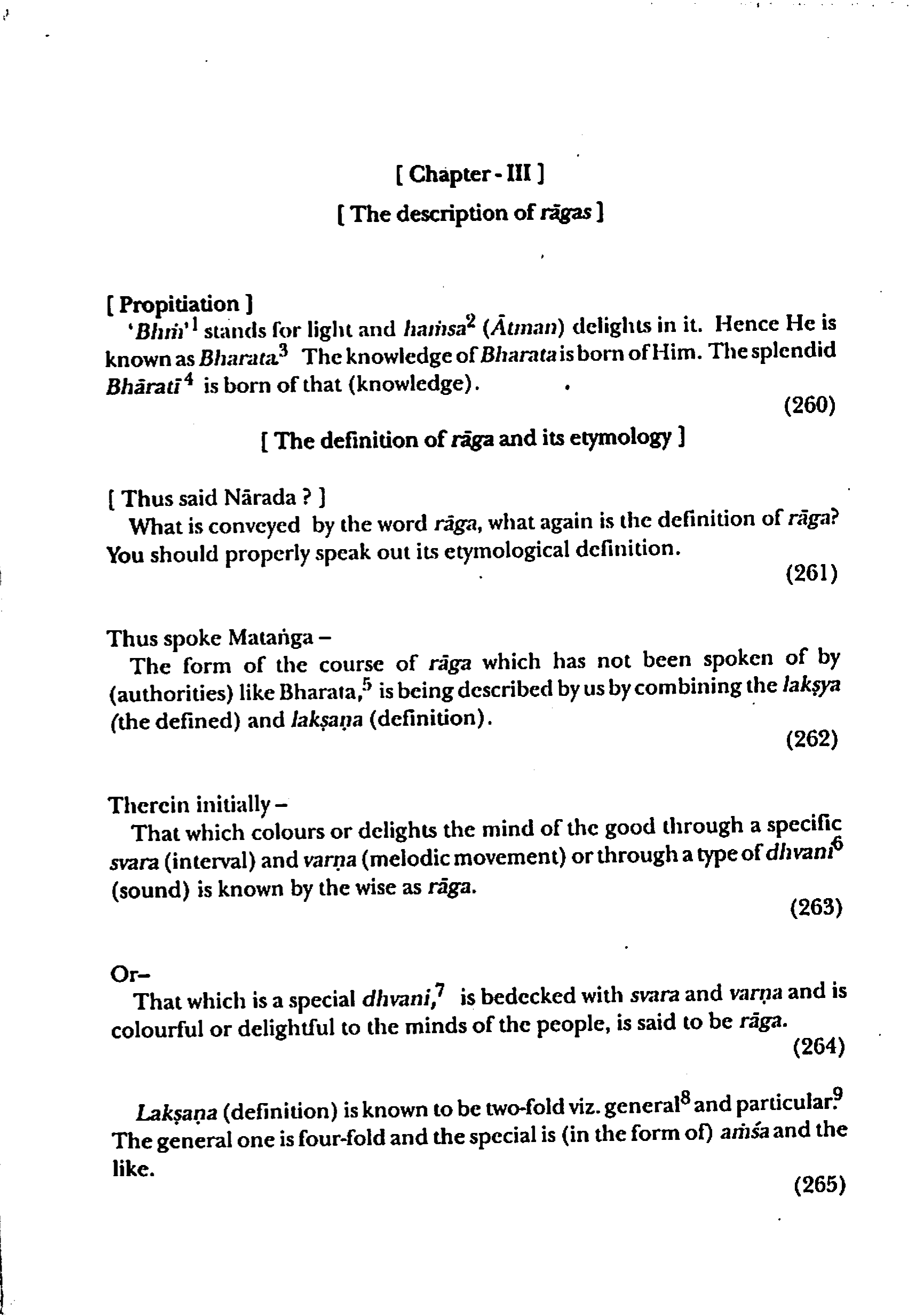
Nārada poses the question about the definition and etymology of the word rāga
"[ Thus said Nārada? ]
What is conveyed by the word rāga, what again is the definition of rāga?"
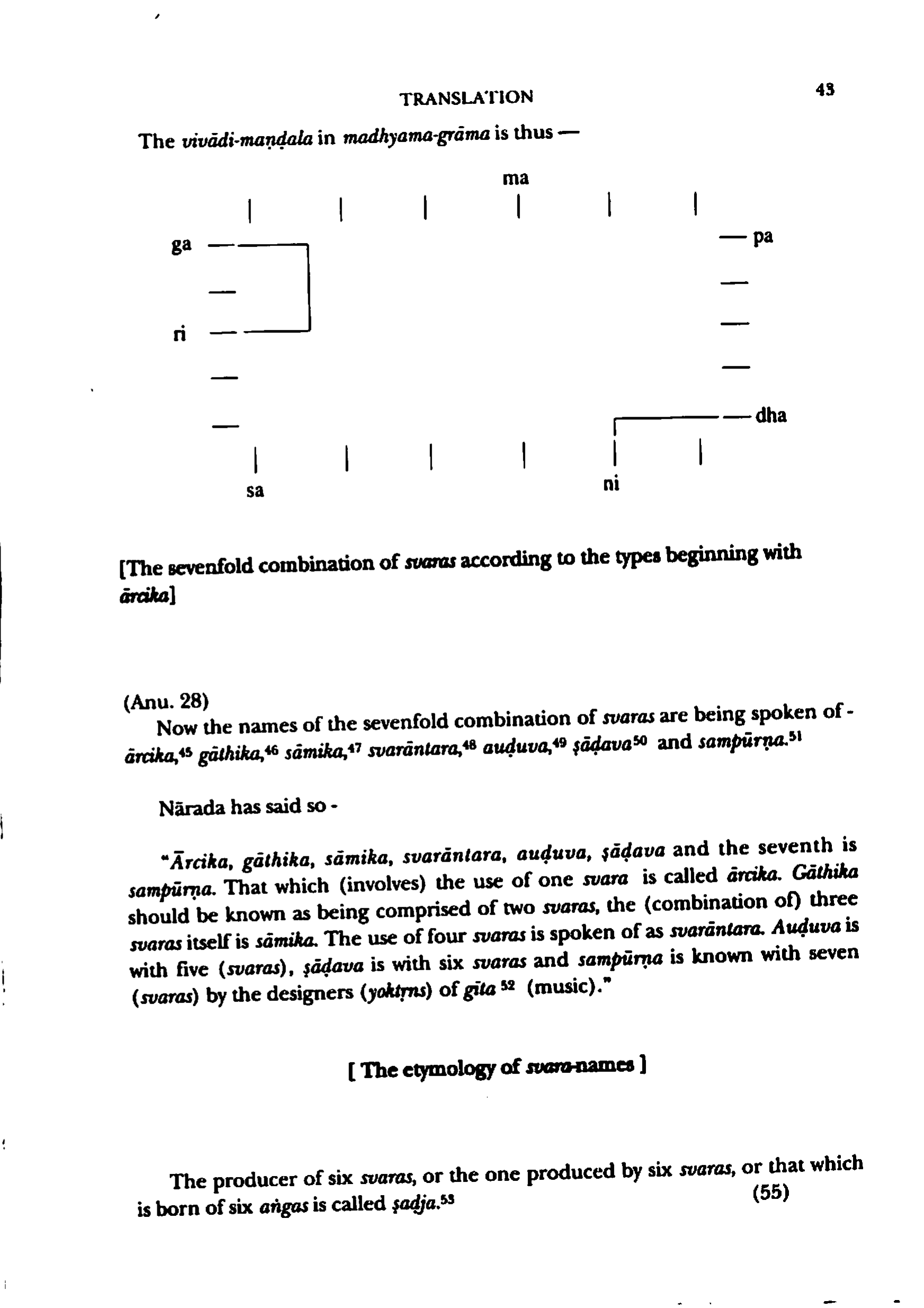
Nārada is attributed as the source of the classification of sevenfold svara combinations
"Nārada has said so -"
Nārada is the singer (seer) associated with the svara pañcama
"the svara pancama is sung by the mahatman (great-
souled) Nārada"
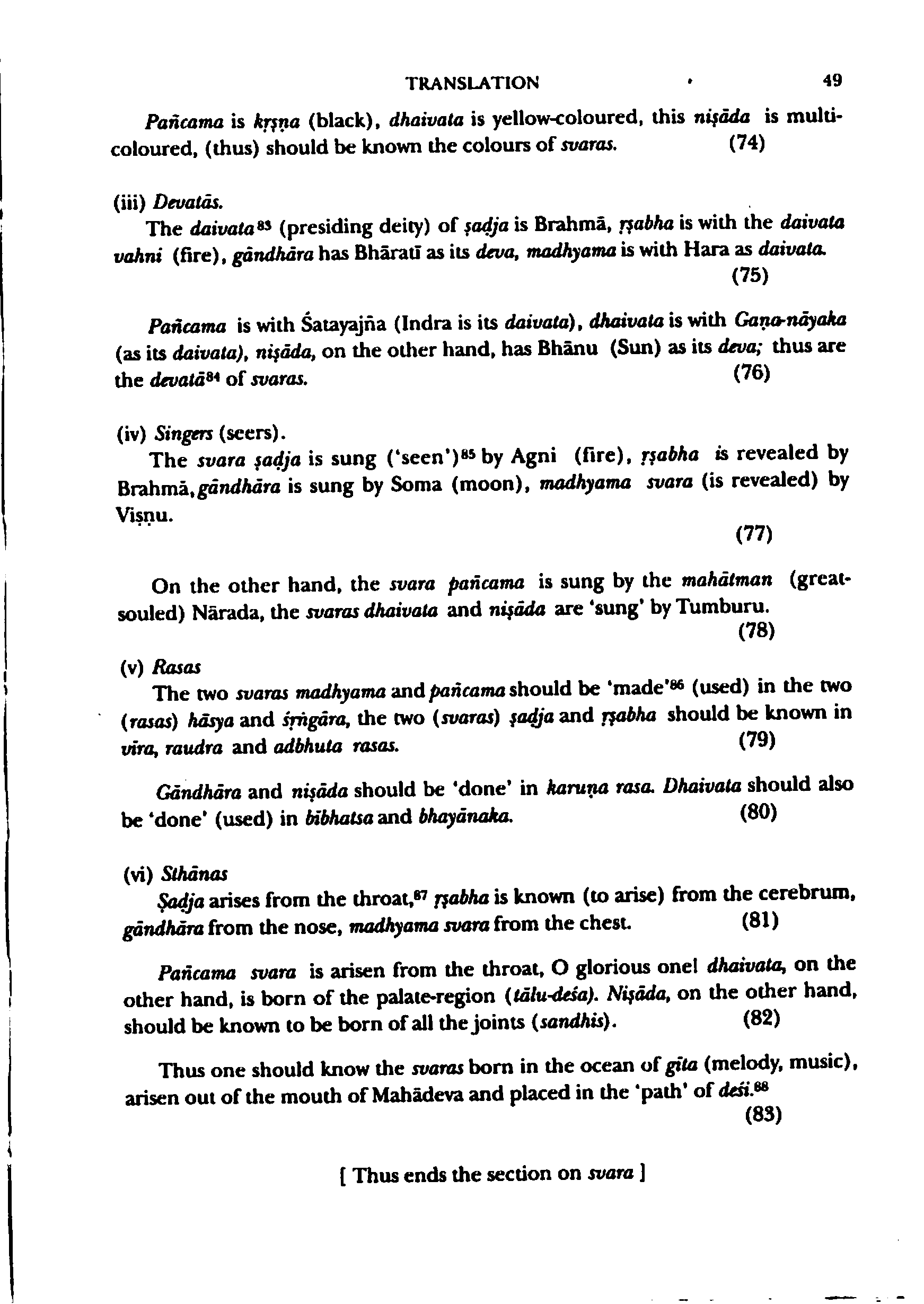
Nārada is characterized as mahatman (great-souled)
"the mahatman (great-
souled) Nārada"