pūrvaranga technical_term
Generative rules (2) ↗ filter all
R_225_purvaranga_jati_usestructural · 3 att.
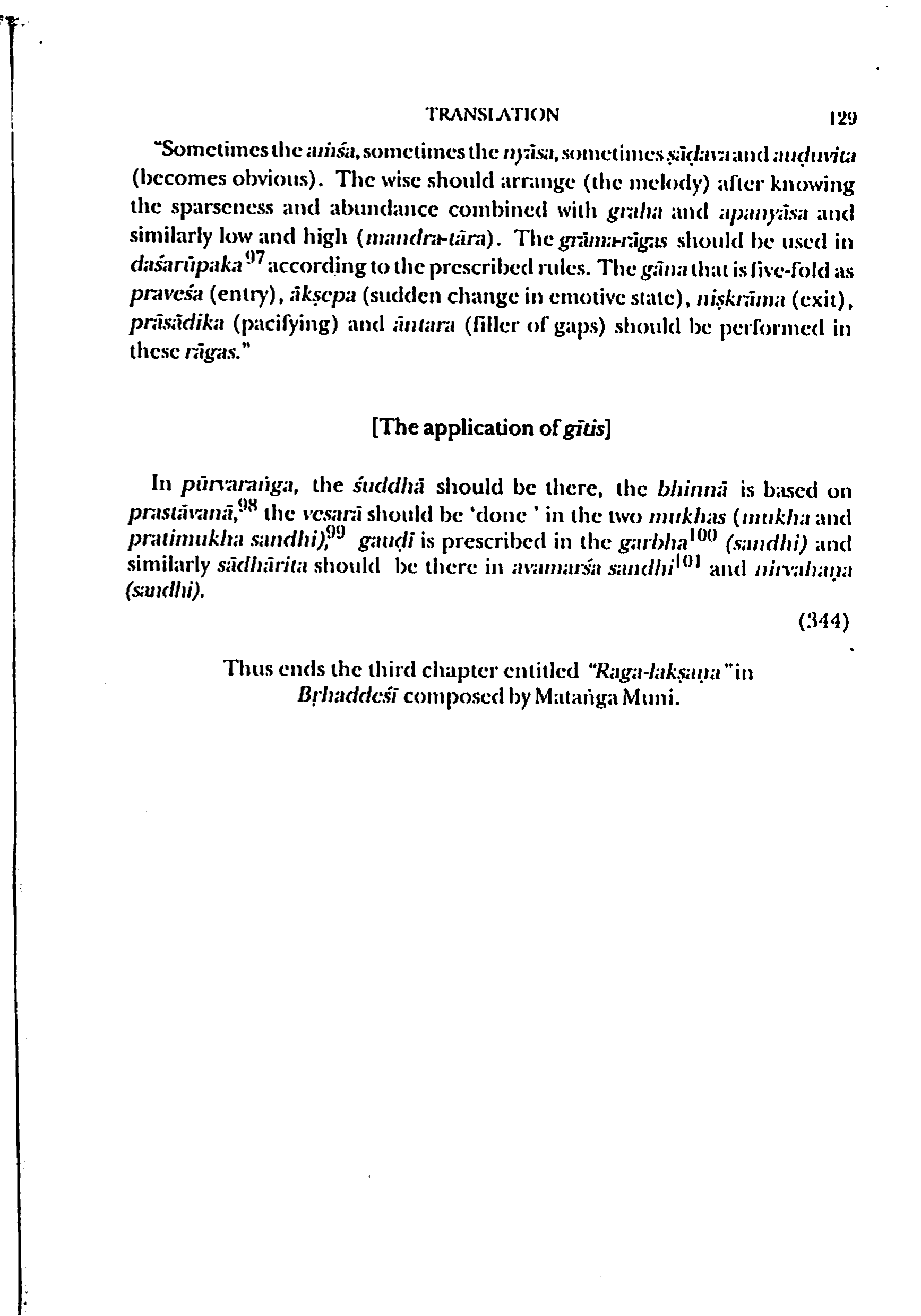
In pūrvaraṅga (preliminary part), śuddhā jātis and śuddhaṣāḍava should be performedpurvaranga_definitiondefinition · 1 att.
Pūrvaranga incarne le rendu instrumental, chant, danse, dialogue comme préliminaire au drame; valeur rituelle et psychologique.
Pseudocode (DSL v1.1) ↗ full DSL (raw text)
RULE id: pūrvaranga (cluster 125)
SCOPE: technical_term family
STATUS: empirical
CONFIDENCE: empirical
PROTECT: false
Essence pseudocode — identity + RECORD. The page citations for each slot value are in the Grammar record table above (audit trail). The full DSL adds ASSERTIONS with verbatim quotes (see Affirmations below) and CITED_RULES (see Graph relations).
Graph relations
Outgoing (3)
Incoming (3)
Affirmations (4)
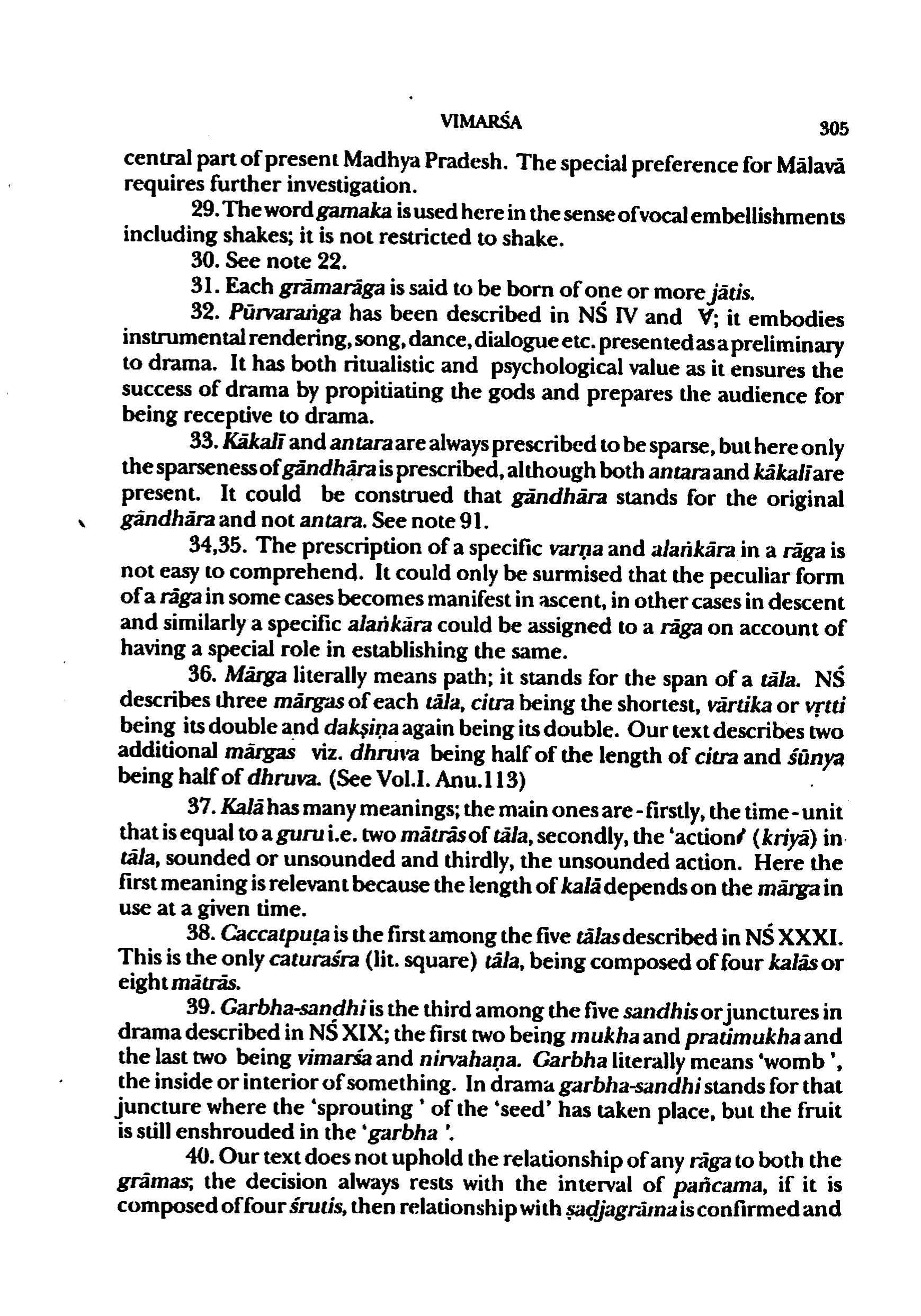
Pūrvaranga embodies instrumental rendering, song, dance, dialogue and has both ritualistic and psychological value.
"Pūrvaranga has been described in NS IV and V; it embodies
instrumental rendering, song, dance, dialogue etc. presented as a preliminary
to drama. It has both ritualistic and psychological value as it ensures the
success of drama by propitiating the gods and prepares the audience for
being receptive to drama."
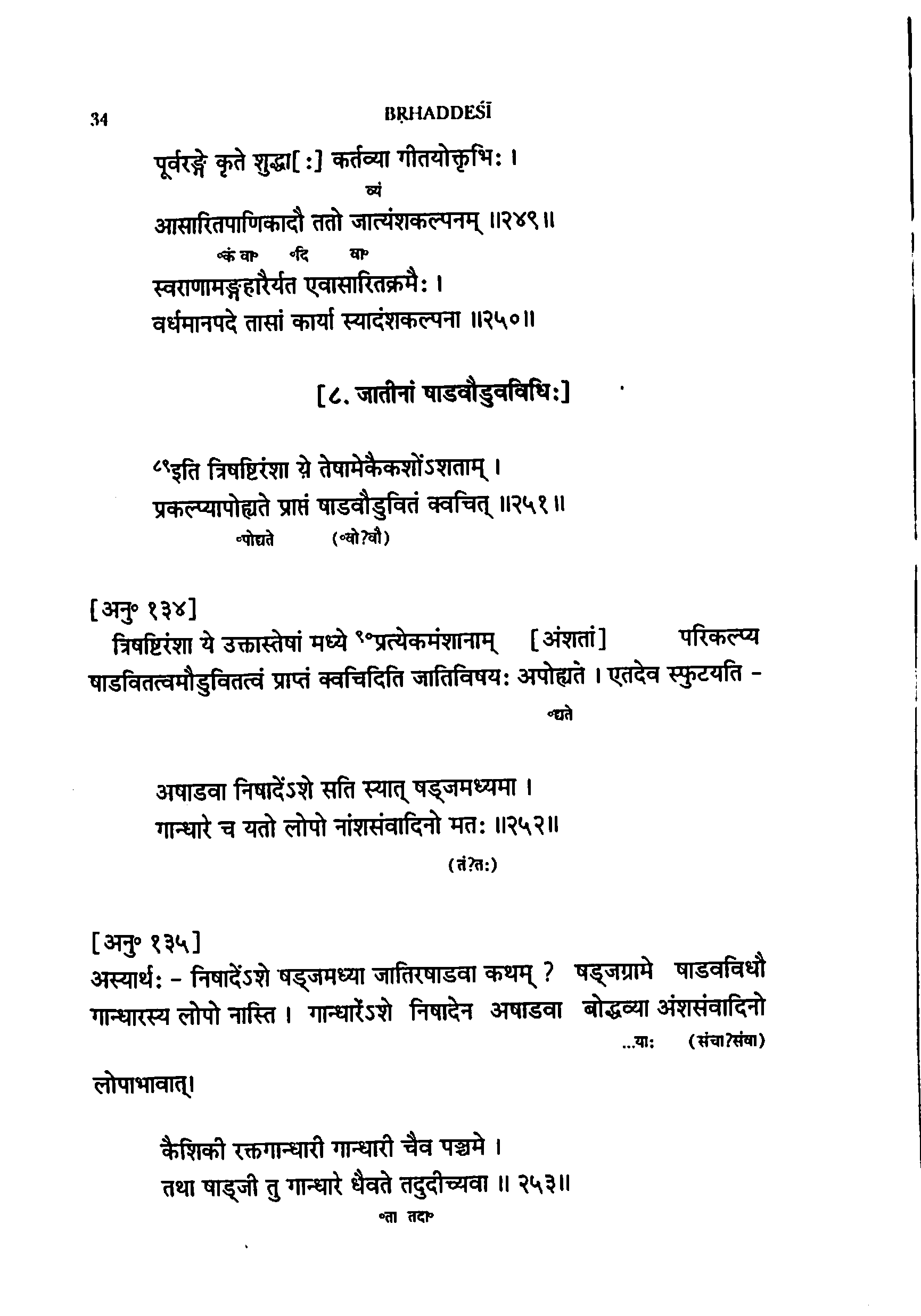
When pūrvaraiga is performed, śuddhā jātis should be used by song organizers
"पूर्वरङ्गे कृते शुद्धा[:] कर्तव्या गीतयोक्तृभिः।"
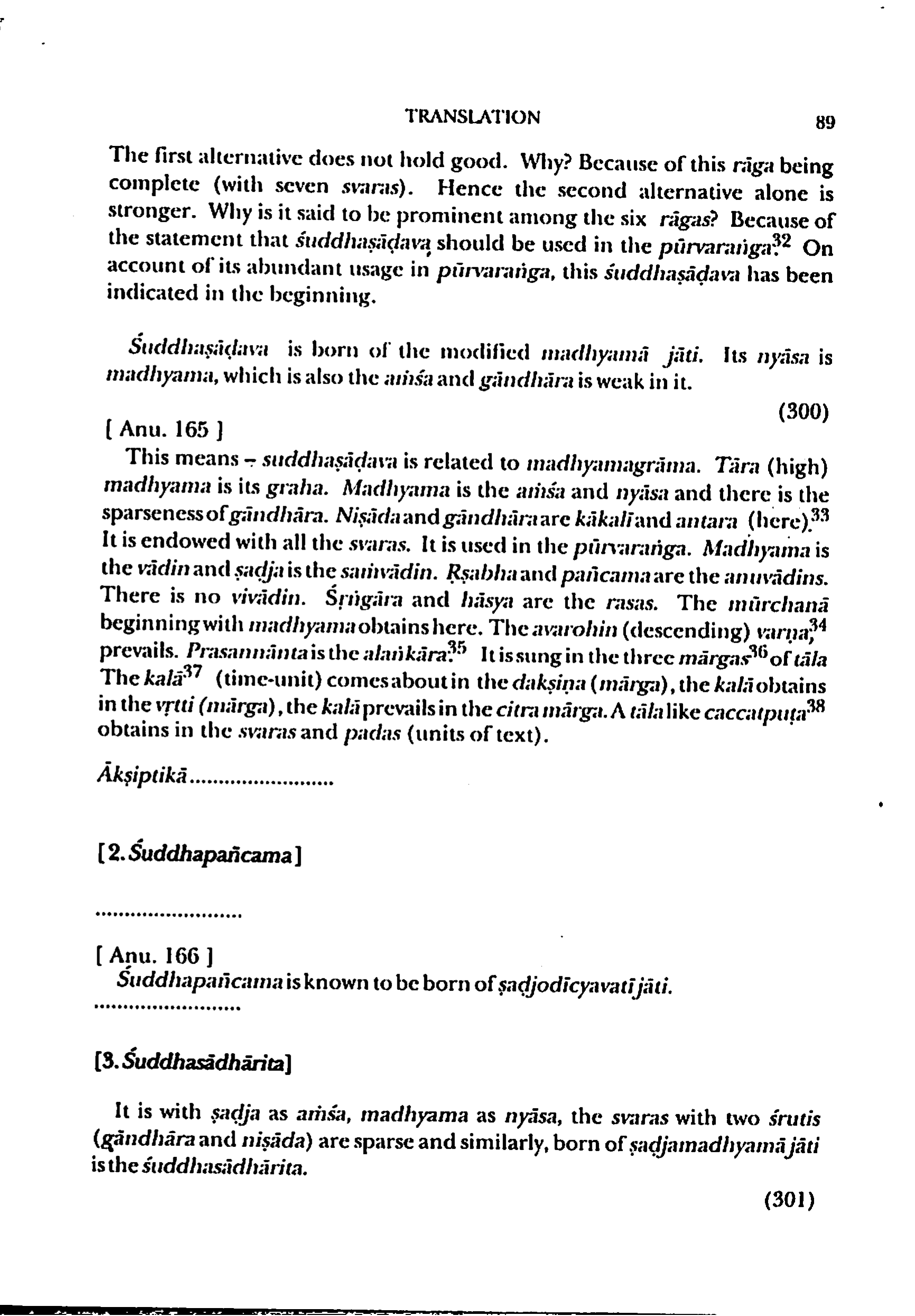
śuddhaṣāḍava should be used in the pūrvaranga
"Because of the statement that śuddhaṣāḍava should be used in the pūrvaraiga."
In pūrvaraiga, śuddhā should be present
"In pūrvaraiga, the śuddhā should be there"