dhruvā technical_term
Generative rules (7) ↗ filter all
dhruva_jati_act_assignmentassignment · 3 att.
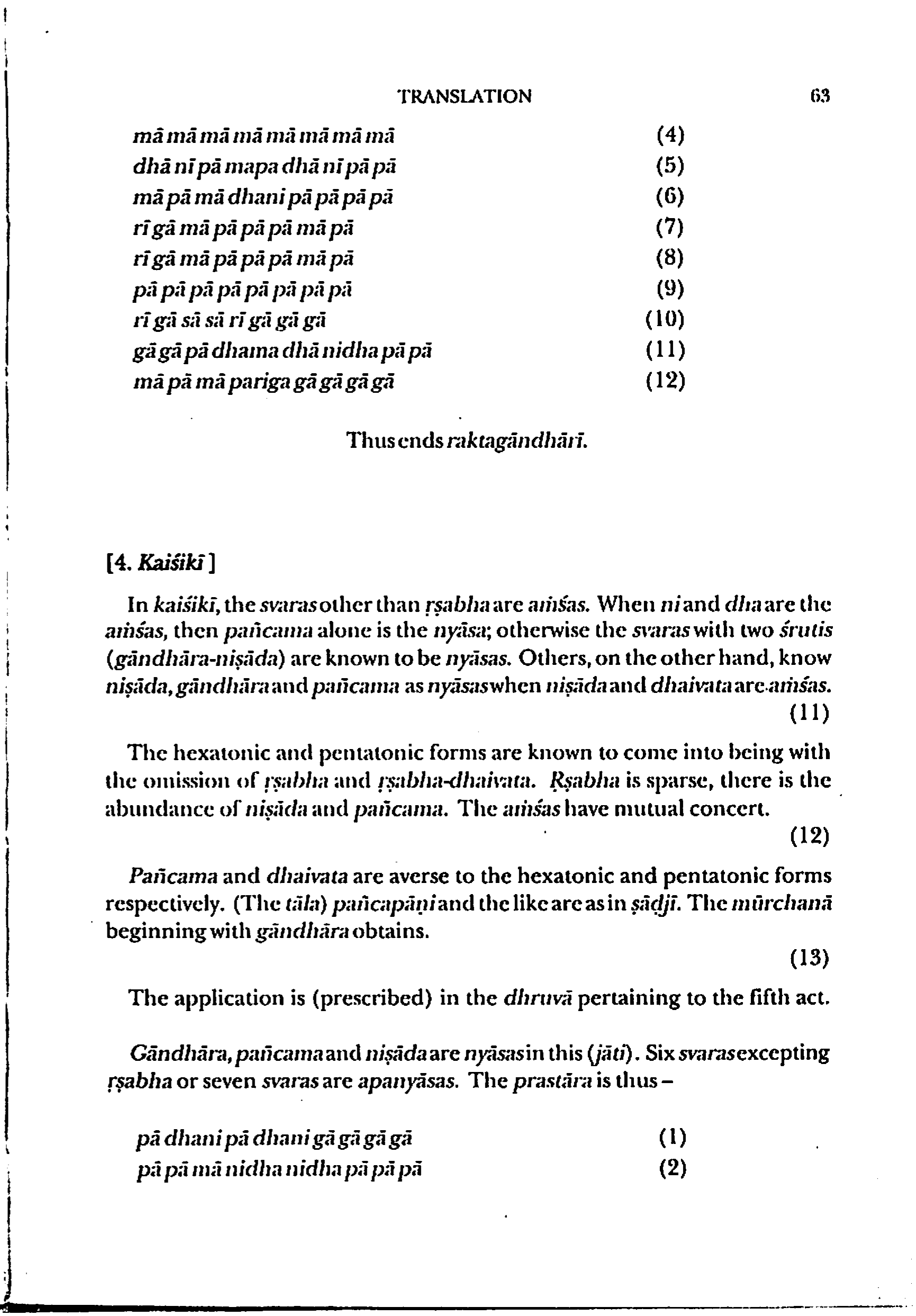
Specific jātis are prescribed for dhruvā of specific acts: gāndhārī and raktagāndhārī for act 3; kaiśikī for act 5.dhruva_definition_metrical_textdefinition · 3 att.
Dhruvā is a metrical text performed in pūrvaranga (Sanskrit or non-lexical syllables) and within drama in Prākṛta, communicating desired meaning; called 'thdhruva_alankara_restrictionsvalidation · 3 att.
Not all alankāras are desirable in dhruvās due to excessive stretching; syena, bindu and similar should not be used per own measure; ascending svaras should bedhruvas_no_excessive_stretchvalidation · 2 att.
Excessive syllable stretching via alaṅkāras is undesirable in dhruvās because text-meaning comprehension by the listener is primary.dhruva_fourfold_usageenumeration · 1 att.
Dhruvā has fourfold usage: complete (full svaras), hexatonic, pentatonic, quadratonic.dhruvas_five_typesenumeration · 1 att.
Dhruvās are of five types: prāveśikī, prāsādikī, ākṣepikī, sāntarā, naiṣkrāmikī.dhruva_avakrsta_treatment_referencestructural · 1 att.
Avakṛṣṭā dhruvās are explained within the treatment of dhruvā in the text.
Pseudocode (DSL v1.1) ↗ full DSL (raw text)
RULE id: dhruvā (cluster 43)
SCOPE: technical_term family
STATUS: empirical
CONFIDENCE: empirical
PROTECT: false
Essence pseudocode — identity + RECORD. The page citations for each slot value are in the Grammar record table above (audit trail). The full DSL adds ASSERTIONS with verbatim quotes (see Affirmations below) and CITED_RULES (see Graph relations).
Graph relations
Outgoing (18)
--[relation]--> raktagāndhārī (1)--[relation]--> kaiśikī (1)--[relation]--> gāndhārī (1)--[structural]--> bindu (1)--[structural]--> alaṅkāra (1)--[enumeration]--> hexatonic (1)--[structural]--> śrutis (1)--[definition]--> pūrvaranga (1)--[enumeration]--> pentatonic (1)--[relation]--> avakṛṣṭā dhruvās (1)--[enumeration]--> naiskrāmiki (1)--[relation]--> ध्रुवागाने (1)--[enumeration]--> prāvešikī (1)--[enumeration]--> svaras (1)--[structural]--> svaras (1)--[enumeration]--> prāsādikī (1)--[enumeration]--> ākṣepikī (1)--[enumeration]--> sāntarā (1)
Incoming (6)
dhaivatī --[relation]--> (1)sthāyi-varņa --[attribution]--> (1)naiskrāmiki --[relation]--> (1)ध्रुवागाने --[structural]--> (1)prāvešikī --[relation]--> (1)mātrās --[structural]--> (1)
Affirmations (15)
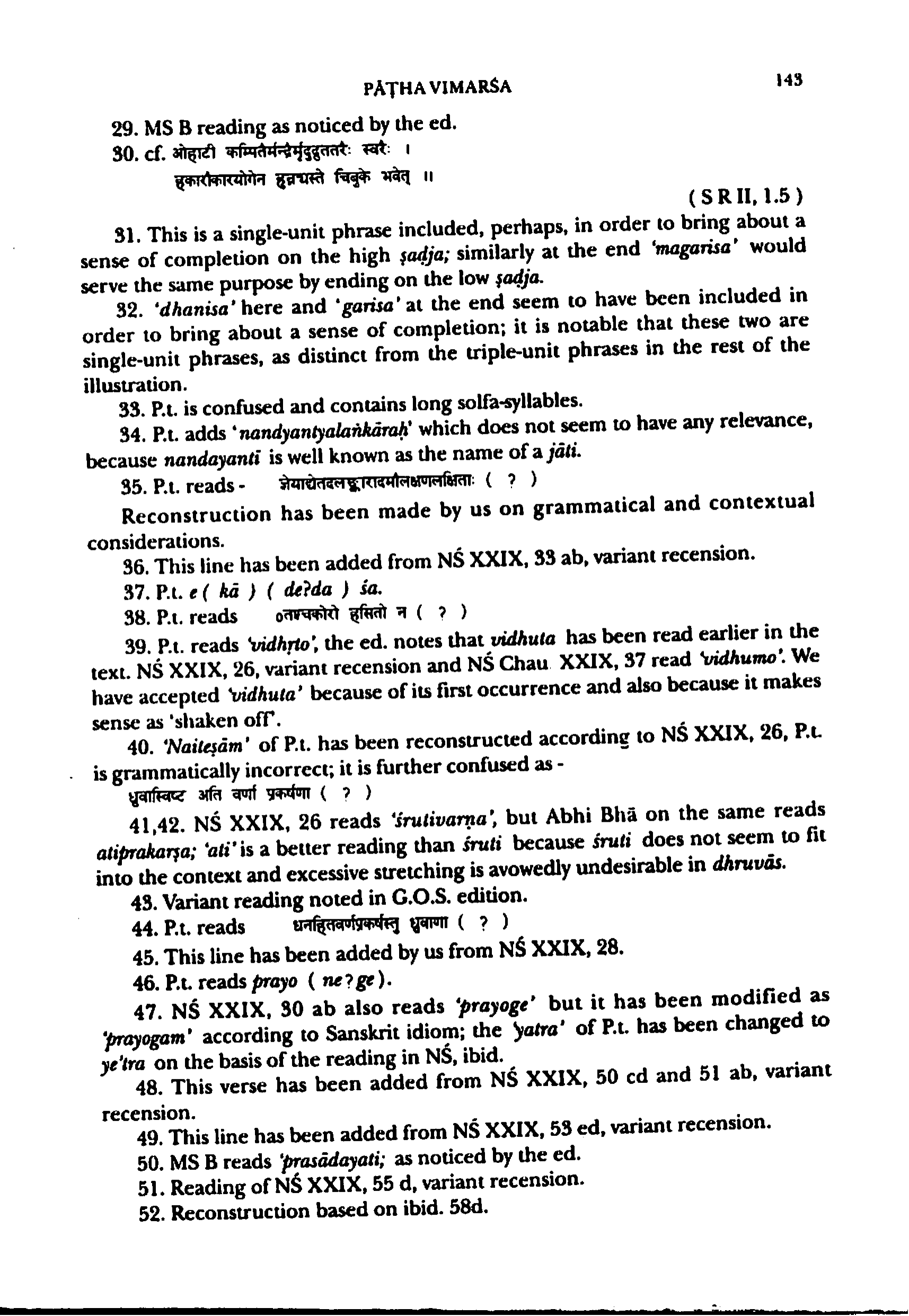
The treatment of dhruvā is lost in the text, leaving an unfulfilled announcement by the author
"Since the treatment of dhruvā is lost in the text, this 'announcement'
of the author is unfulfilled."
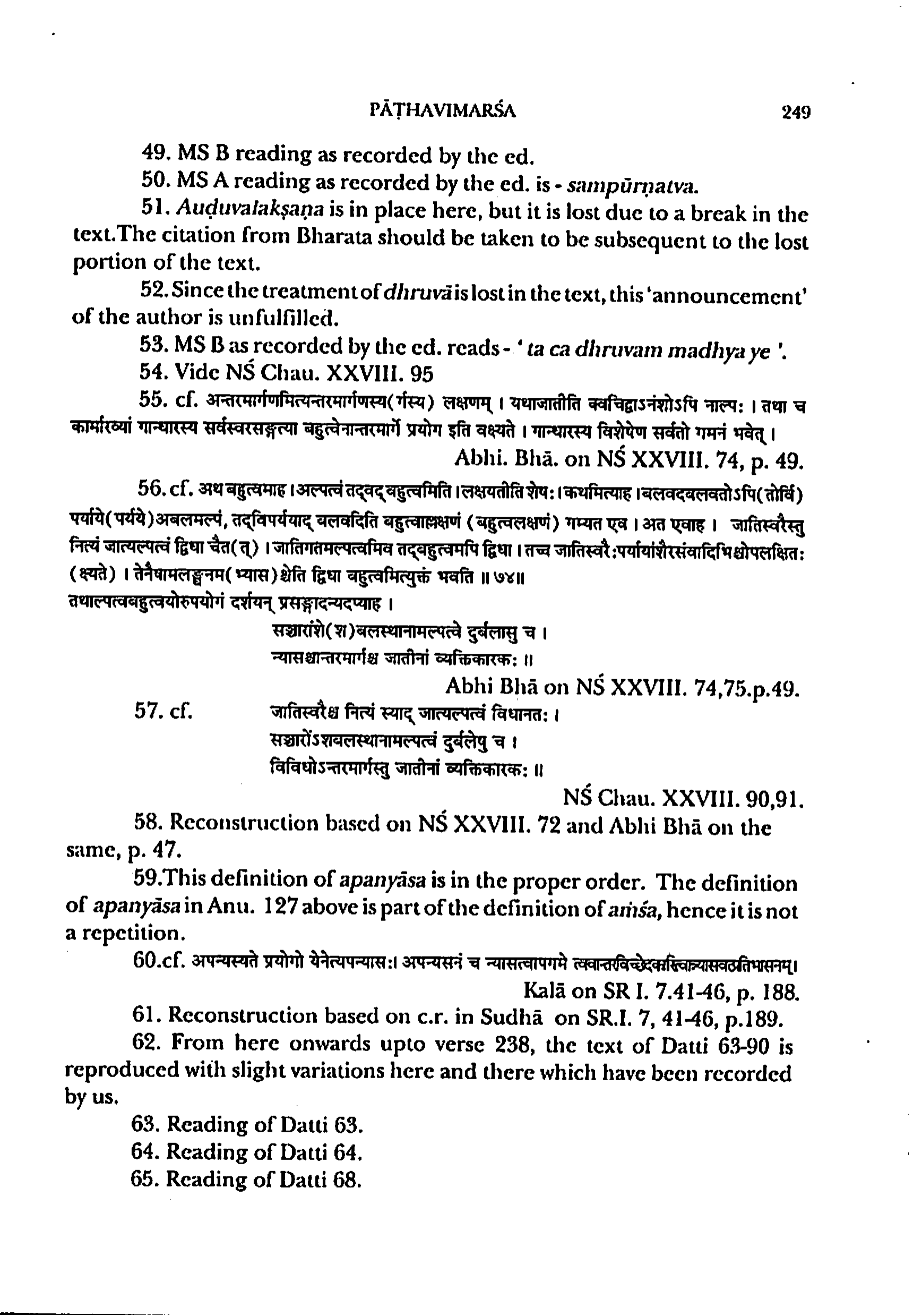
Dhruvā is a metrical text performed in pūrvaranga using Sanskrit or prescribed non-lexical syllables, and within drama it is in Prākṛta
"Dhruvāis a metrical text that is performed in pūrvaranga, where the
compositions in Sanskrit or in prescribed non-lexical syllables are used. The
dhruvā performed within the drama is invariably in Prākṛta and provides a
figurative and poetic commentary on the happenings in the drama."
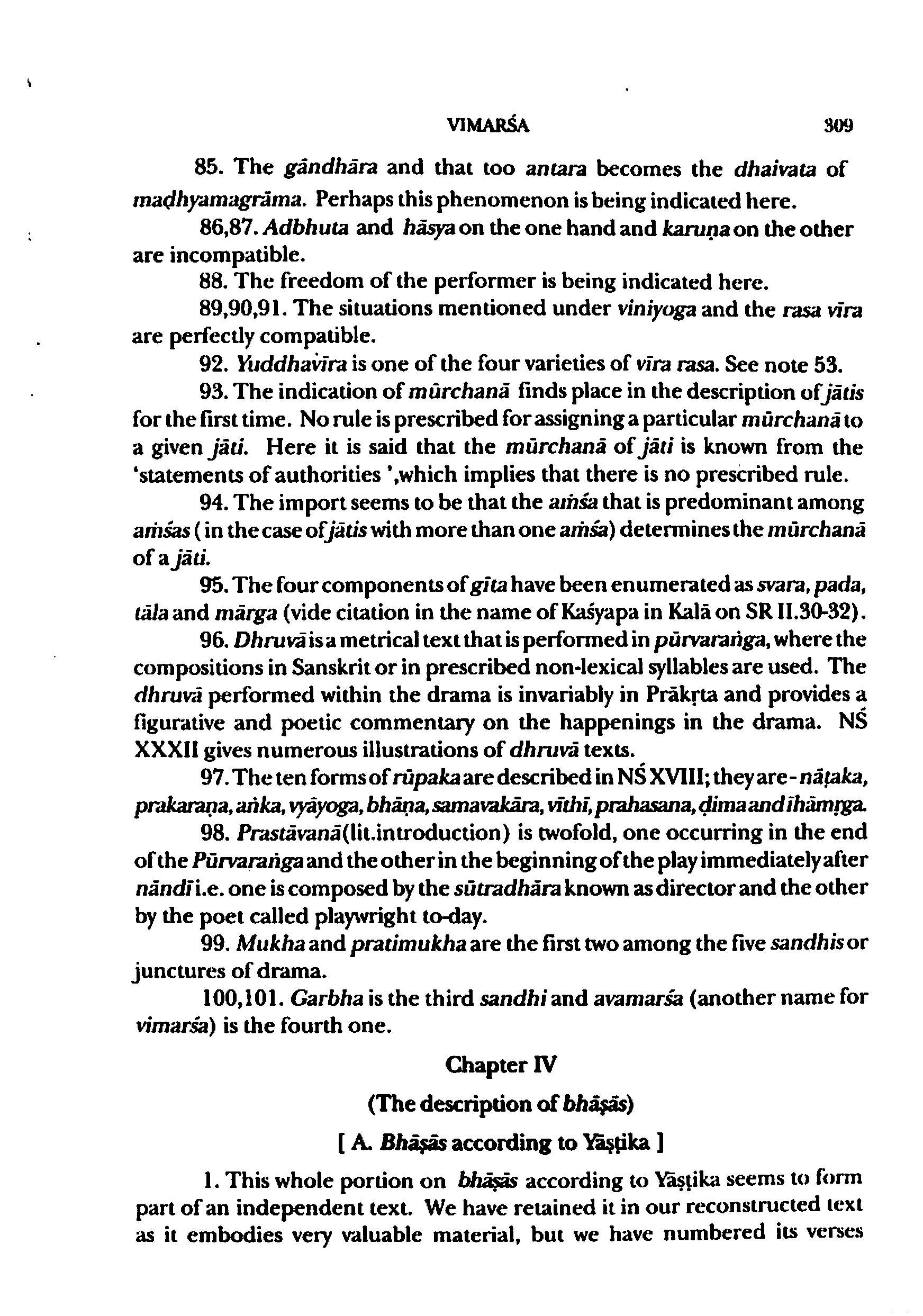
Dhruvā should be formed in accordance with desired meaning and communicate that meaning
"Because dhruvā that is formed in accordance with the (desired) meaning,
has to be made the communicator of meaning"
dhruvā is the sounded one among the group of technical terms
"dhruvā is the sounded25 one"
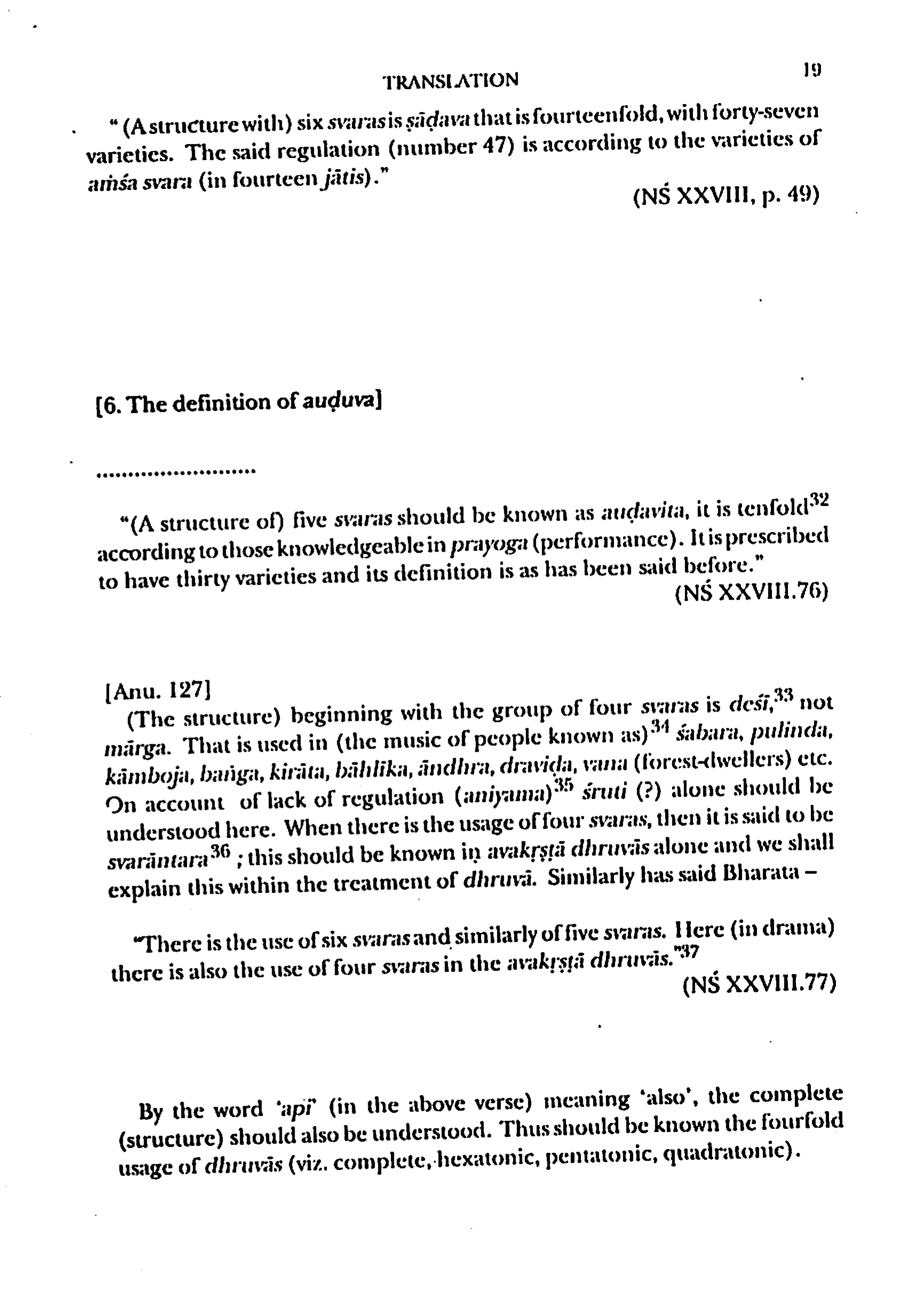
Dhruvā can be used in four varieties: complete (full svaras), hexatonic, pentatonic, and quadratonic structures
"Thus should be known the fourfold
usage of dhruvās (viz. complete, hexatonic, pentatonic, quadratonic)."
Dhruvās comprises five types: prāveśikī, prāsādikī, ākṣepikī, sāntarā, and Naiskrāmikī
"Naiskrāmikī is one of the five types of dhruvās, the other four being prāveśikī, prāsādikī, ākṣepikī and sāntarā."
Avakṛṣṭā dhruvās will be explained in detail within the treatment of dhruvā
"and we shall
explain this within the treatment of dhruvā."
Gāndhārī is used in the singing of dhruvā in the third act of a drama
"ध्रुवागाने तृतीयप्रेक्षणके विनियोगः।।"
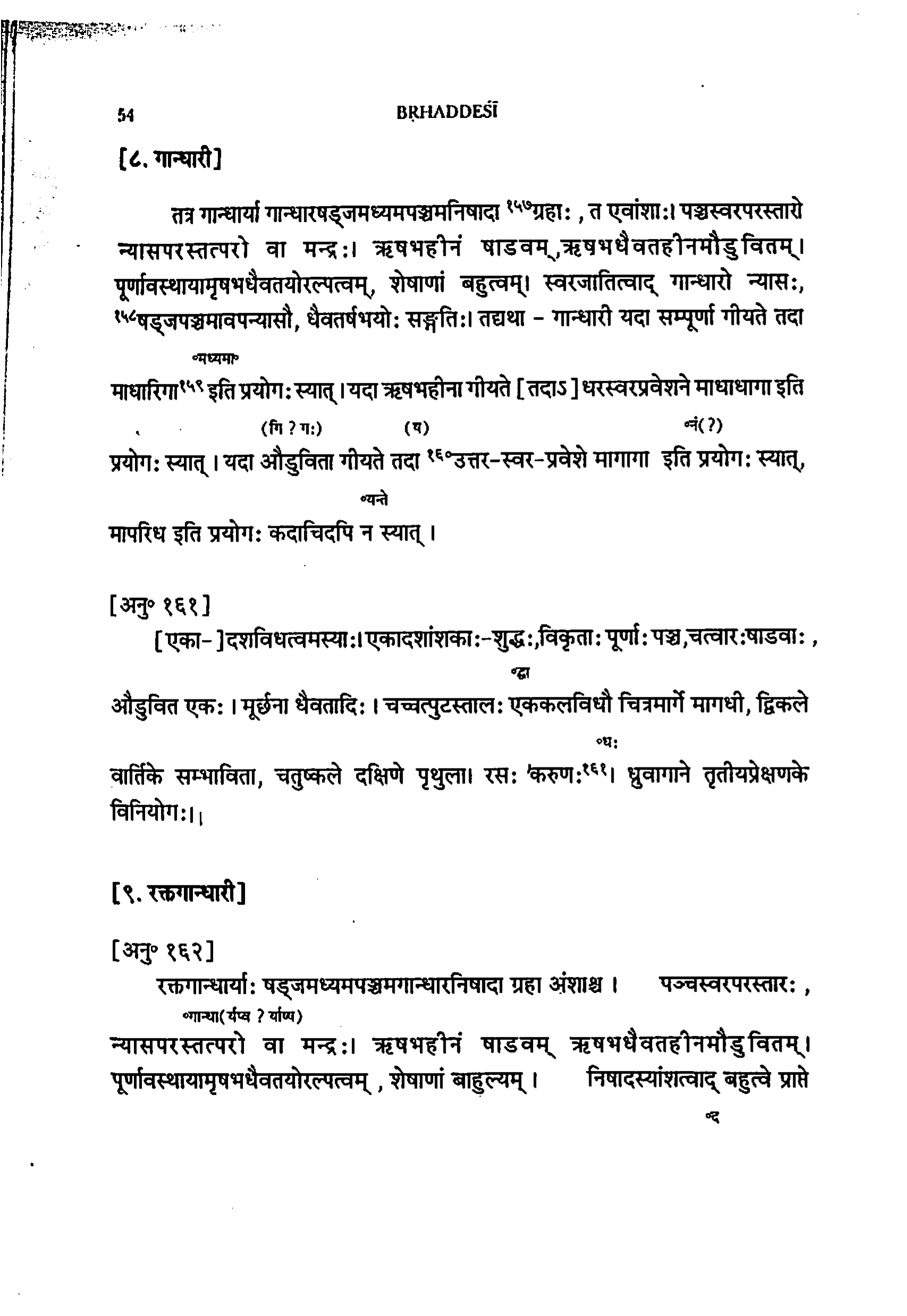
Raktagāndhārī is prescribed for application in the dhruvā of the third act
"The application is (prescribed) in the dhruvā pertaining to the third
act."
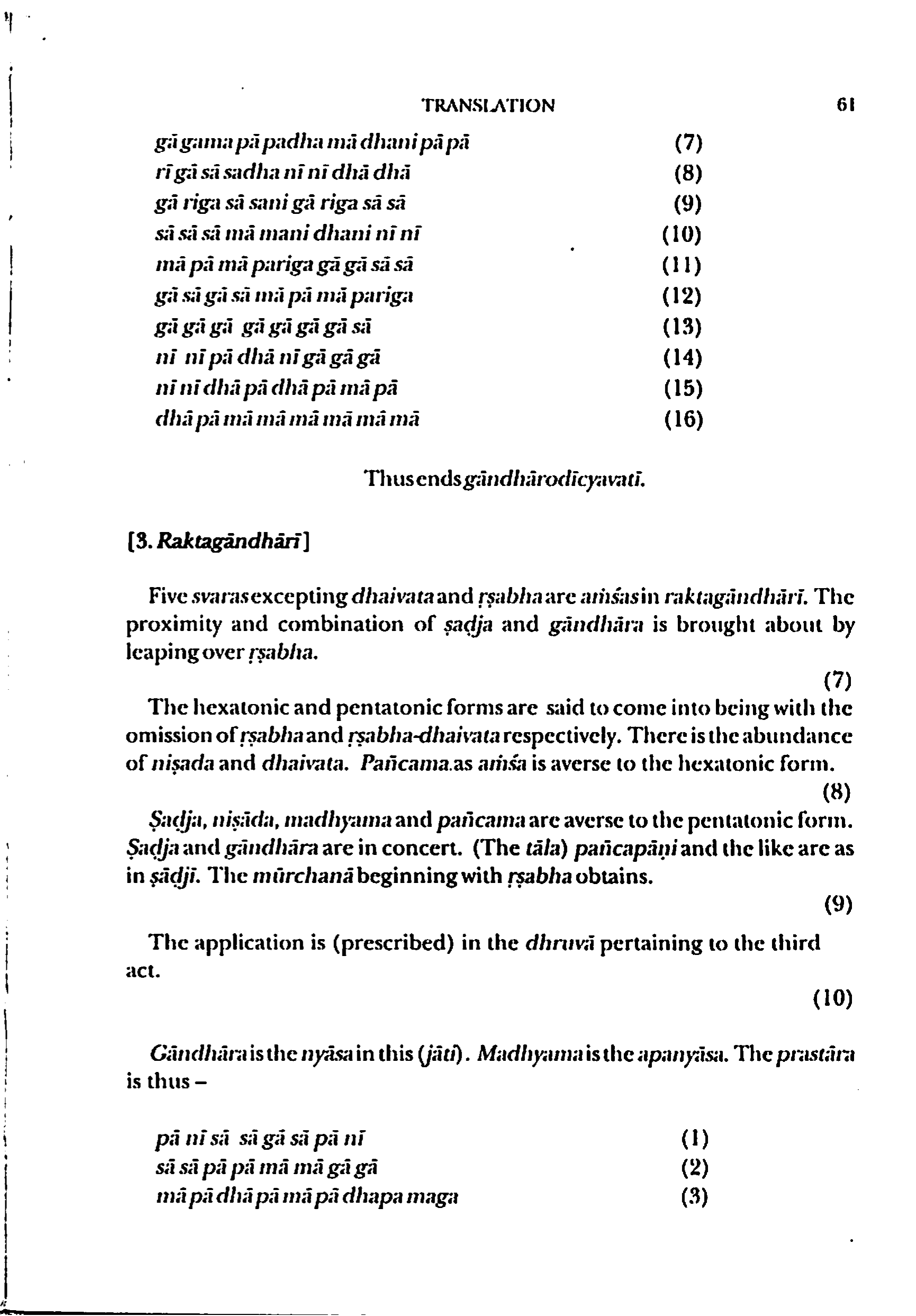
The application of kaiśikī is prescribed in the dhruvā pertaining to the fifth act
"The application is (prescribed) in the dhruvā pertaining to the fifth act."
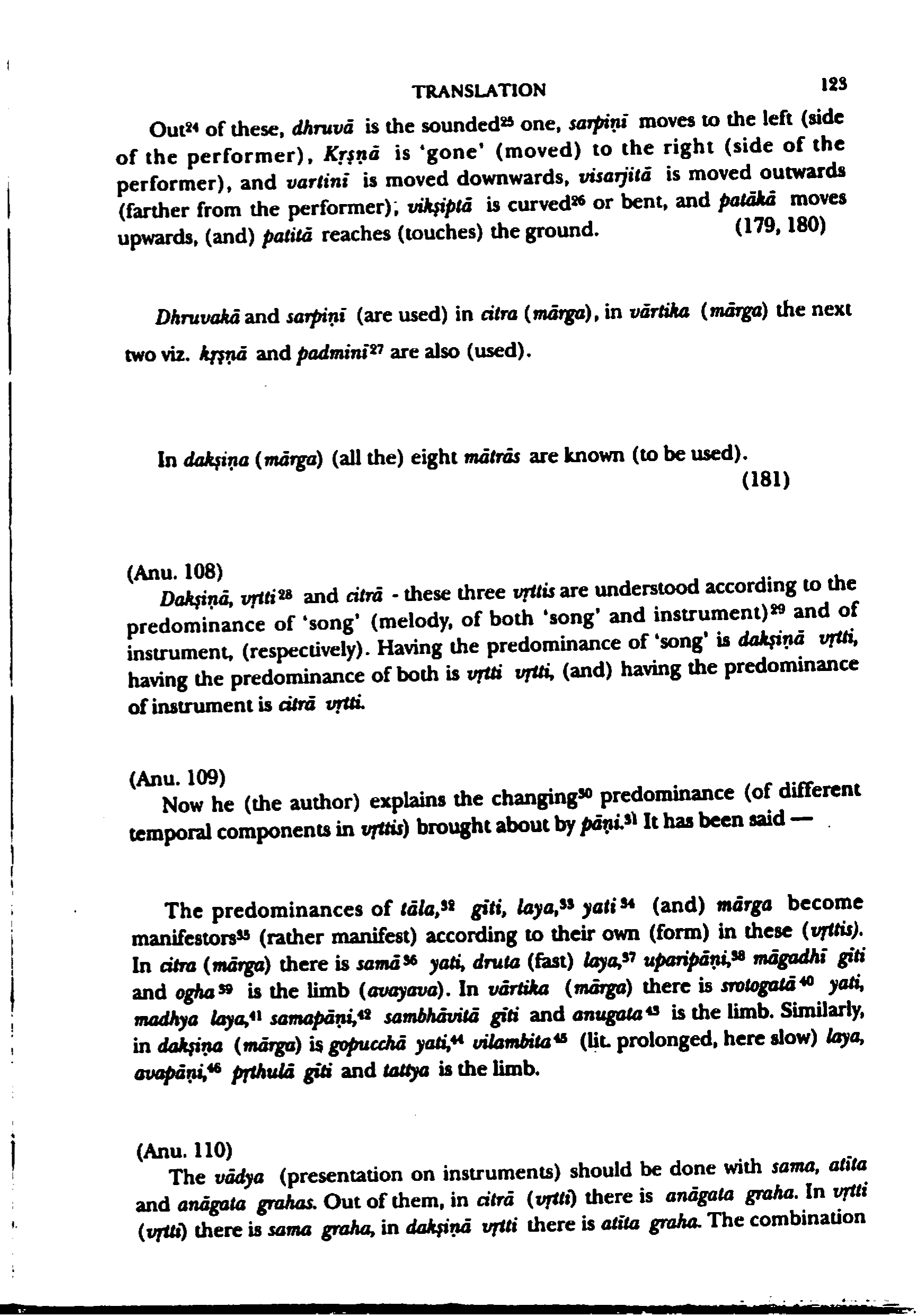
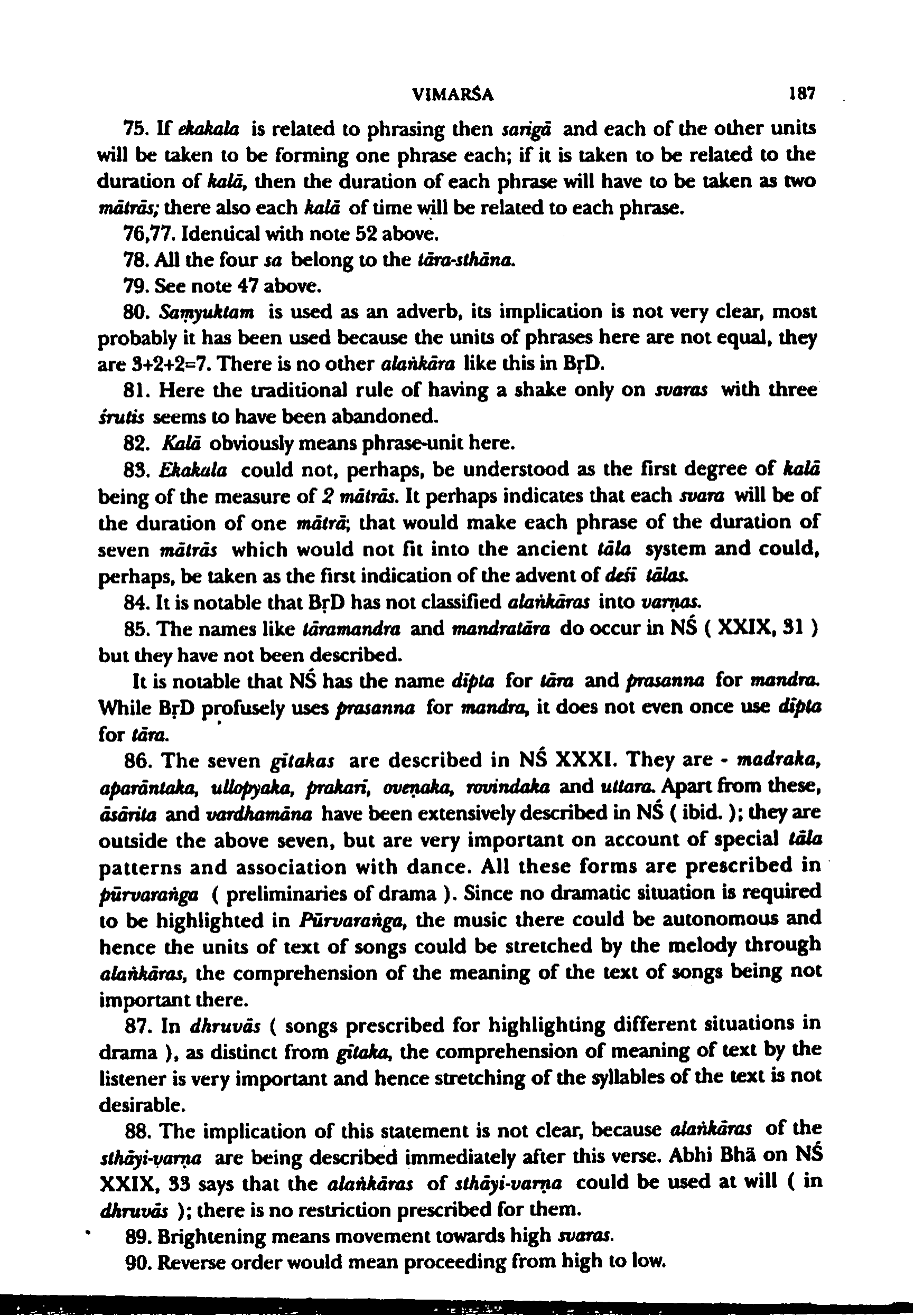
In dhruvās, comprehension of text meaning by the listener is important, so stretching of syllables through alaṅkāras is not desirable
"In dhruvās (songs prescribed for highlighting different situations in
drama), as distinct from gîtaka, the comprehension of meaning of text by the
listener is very important and hence stretching of the syllables of the text is not
desirable."
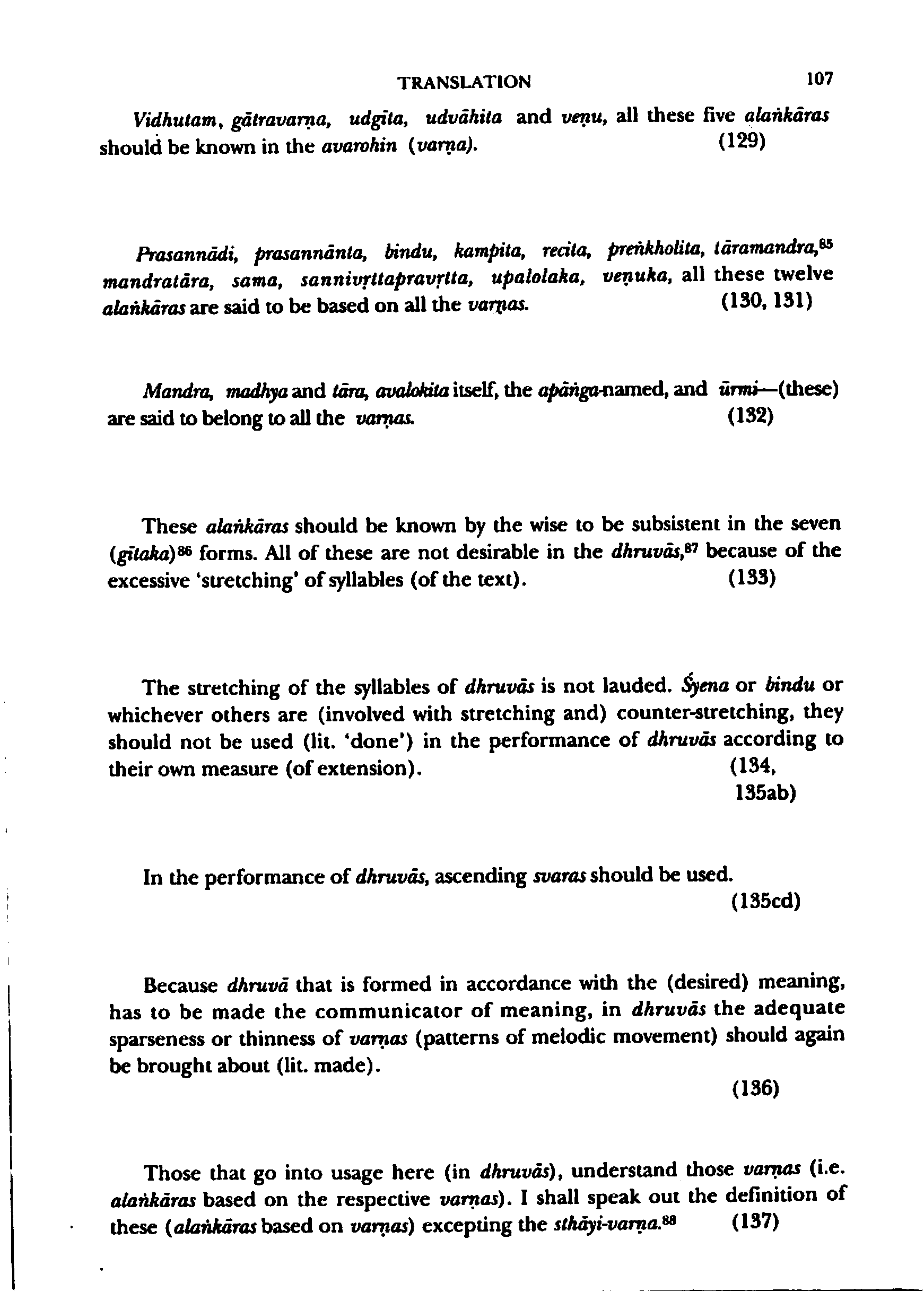
Not all alankāras are desirable in dhruvās because of excessive stretching of syllables
"All of these are not desirable in the dhruvās,87 because of the
(133)
excessive 'stretching' of syllables (of the text)."
Syena, bindu and similar ornaments involving stretching should not be used in dhruvā performance according to their own measure
"Syena or bindu or
whichever others are (involved with stretching and) counter-stretching, they
should not be used (lit. 'done') in the performance of dhruvās according to
(134,
their own measure (of extension)."
In dhruvā performance, ascending svaras should be used
"In the performance of dhruvās, ascending svaras should be used."
Excessive stretching is avowedly undesirable in dhruvās
"'ati' is a better reading than śruti because śruti does not seem to fit into the context and excessive stretching is avowedly undesirable in dhruvās."