recita technical_term
Generative rules (2) ↗ filter all
recita_definition_higher_three_shruti_shakedefinition · 2 att.
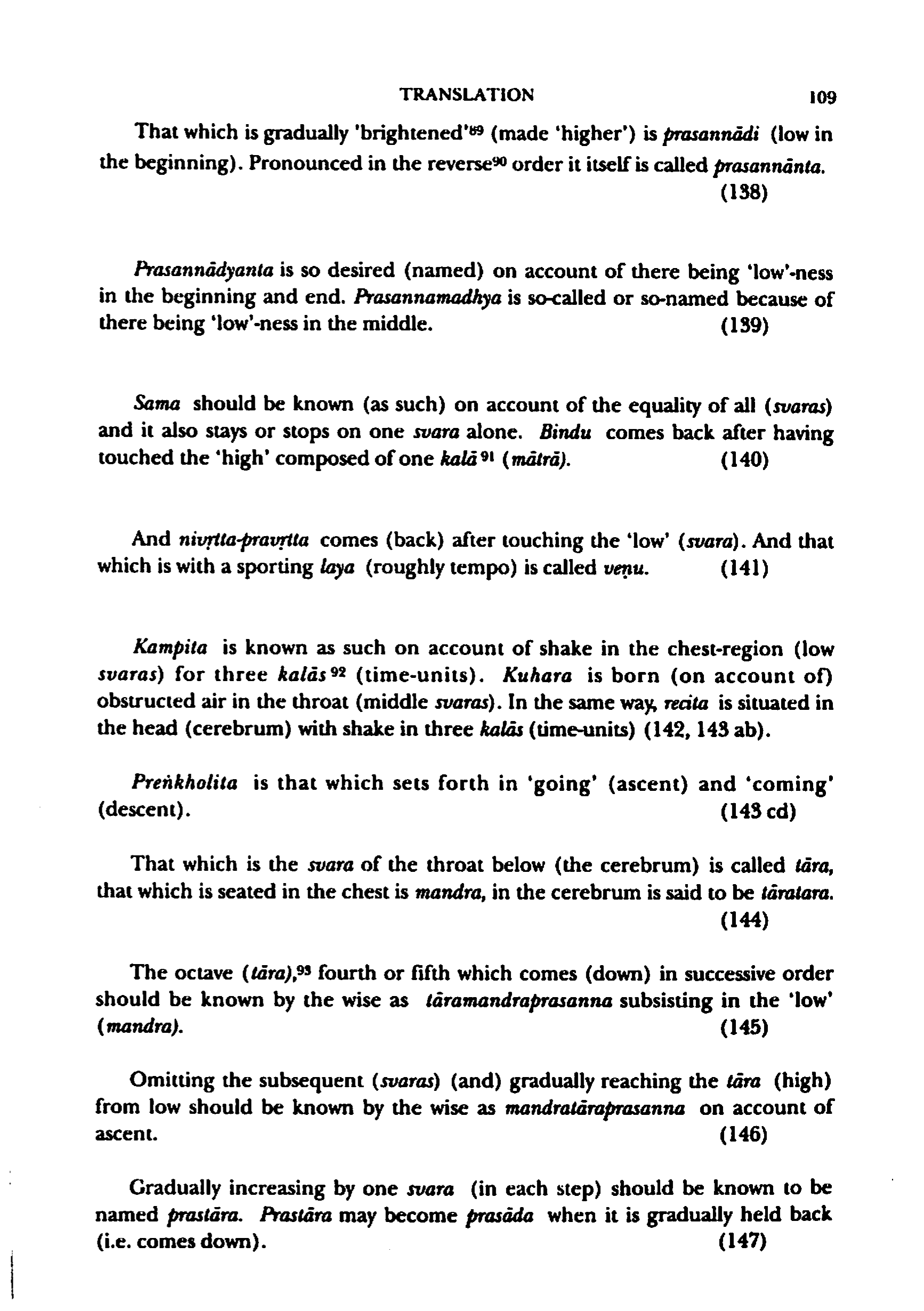
Recita is formed by the shake of a three-śruti svara in the higher heptad (situated in the head), composed of three kalās.recita_eleventh_prastara_formassignment · 1 att.
Recita is the alaṅkāra applied to the prastara sarigamapadhanisa (position 11).
Pseudocode (DSL v1.1) ↗ full DSL (raw text)
RULE id: recita (cluster 134)
SCOPE: technical_term family
STATUS: empirical
CONFIDENCE: empirical
PROTECT: false
Essence pseudocode — identity + RECORD. The page citations for each slot value are in the Grammar record table above (audit trail). The full DSL adds ASSERTIONS with verbatim quotes (see Affirmations below) and CITED_RULES (see Graph relations).
Graph relations
Outgoing (7)
--[definition]--> Kalā (1)--[structural]--> Kalā (1)--[relation]--> alaṅkāra (1)--[definition]--> śrutis (1)--[definition]--> svaras (1)--[definition]--> shake (1)--[structural]--> shake (1)
Incoming (0)
none
Affirmations (3)
Recita is formed from the shake of a three-shruti svara in the higher heptad and is composed of three kalās
"On account of the shake of (svara having) three śrutis in the higher
heptad, recita (is formed), that is composed of three kalās."
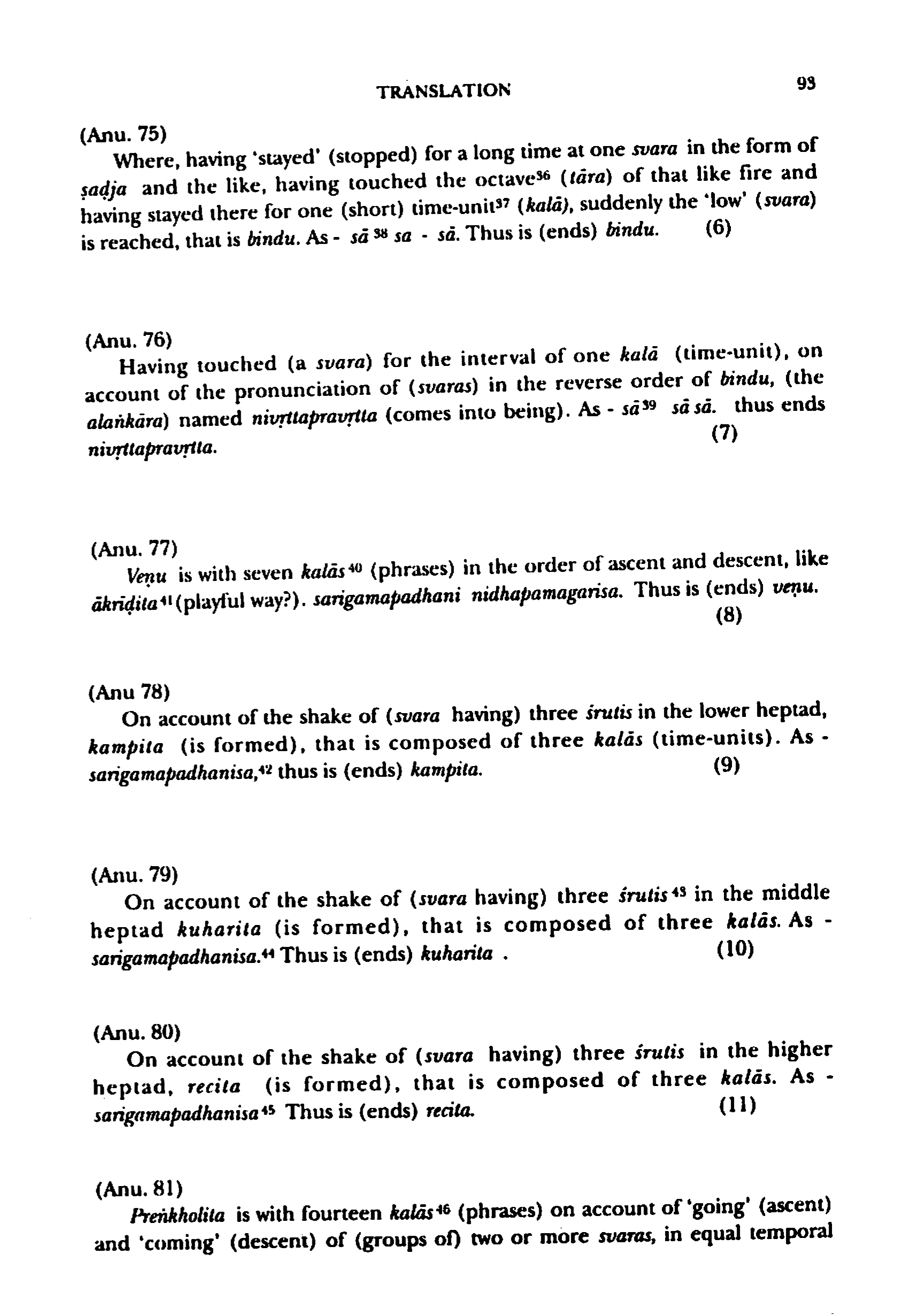
Recita is an alaṅkāra applied to the complete ascending note sequence sarigamapadhanisa
"(11)
sarigamapadhanisa,150 recita"
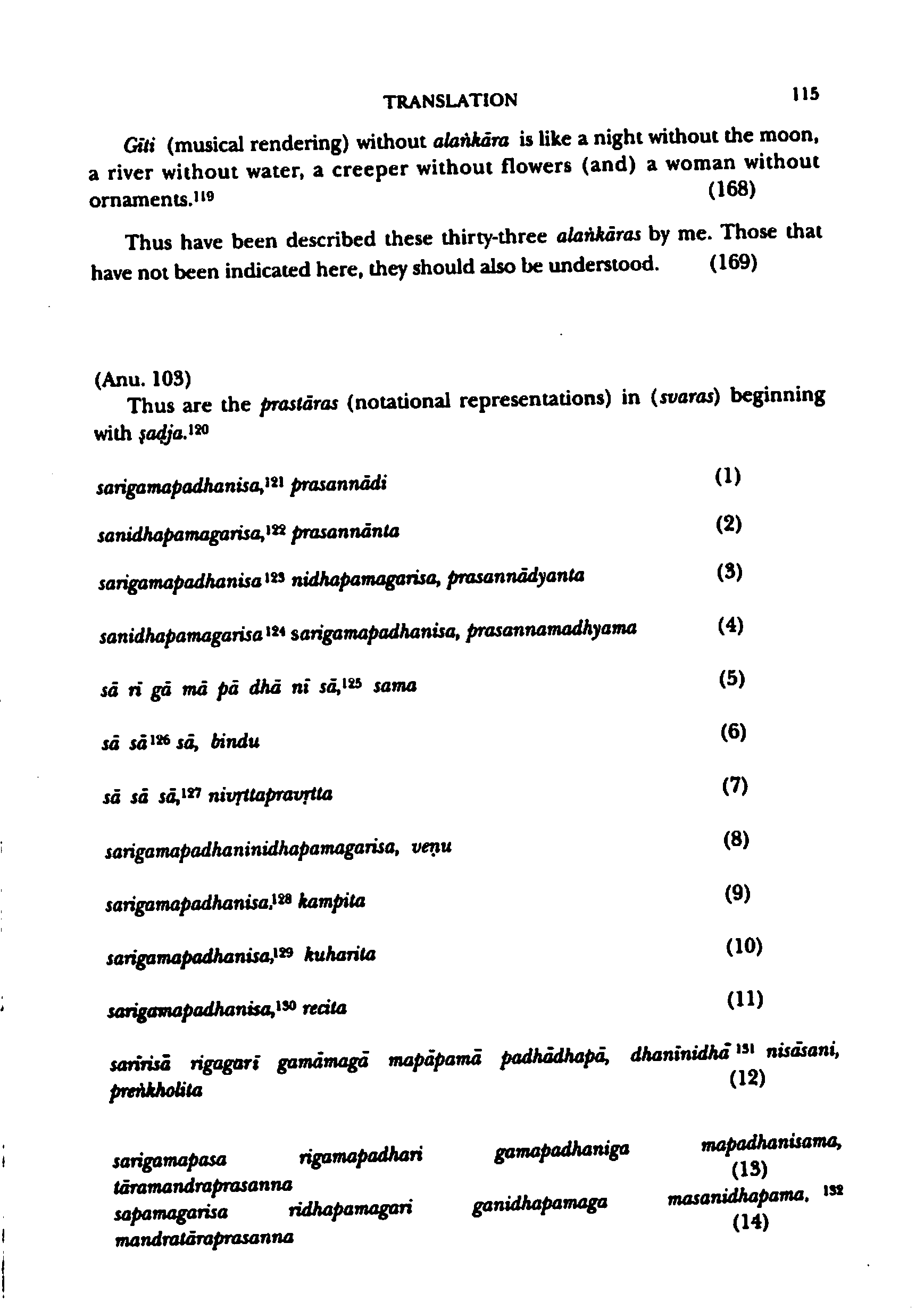
Recita is situated in the head with a shake sustained for three kalās
"recita is situated in
the head (cerebrum) with shake in three kalās (time-units)"