huṅkāra alankara
Generative rules (1) ↗ filter all
R_189_hunkara_structurestructural · 5 att.
Huṅkāra is an ekakala alaṅkāra of 18 kalās with gapless ascending-descending sequences of 3 or 4 svaras
Pseudocode (DSL v1.1) ↗ full DSL (raw text)
RULE id: huṅkāra (cluster 189)
SCOPE: alankara family
STATUS: canonical
CONFIDENCE: canonical
PROTECT: true
Essence pseudocode — identity + RECORD. The page citations for each slot value are in the Grammar record table above (audit trail). The full DSL adds ASSERTIONS with verbatim quotes (see Affirmations below) and CITED_RULES (see Graph relations).
Graph relations
Outgoing (4)
--[structural]--> svaras (2)--[structural]--> Kalā (1)--[structural]--> ekakala (1)--[structural]--> hasita (1)
Incoming (0)
none
Affirmations (5)
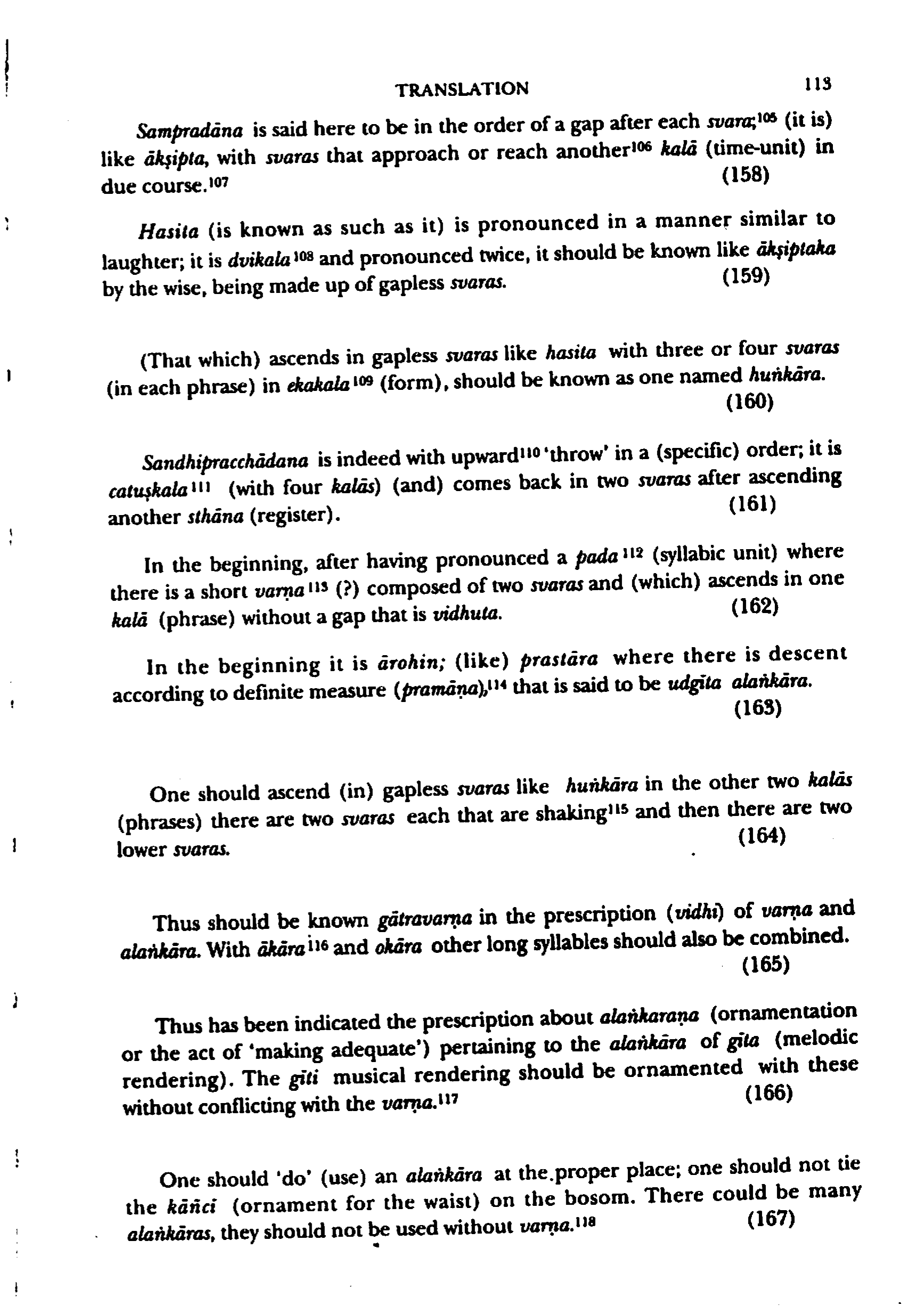
huṅkāra is used as a comparative reference for the manner of ascending with three solfa syllables
"Like huṅkāra one should ascend (with) three solfa syllables without a gap"
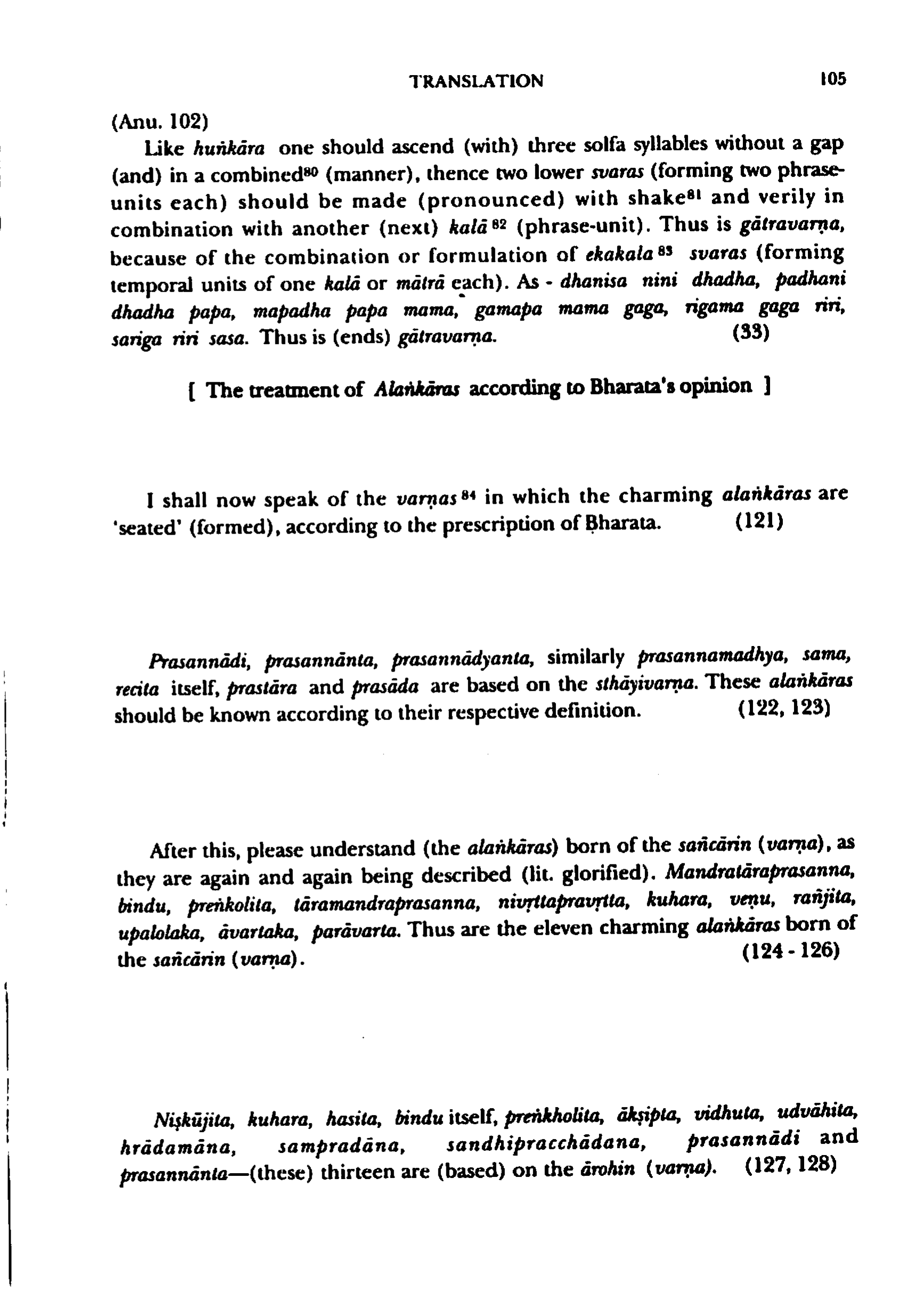
Huṅkāra is ekakala (one-unit form) formed through the ascent and descent of three svaras or four svaras
"Like hasita, through the ascent (and descent) of three svaras, or the ascent
(and descent) of four svaras, both ways huṅkāra is ekakala 75 (with one-unit"
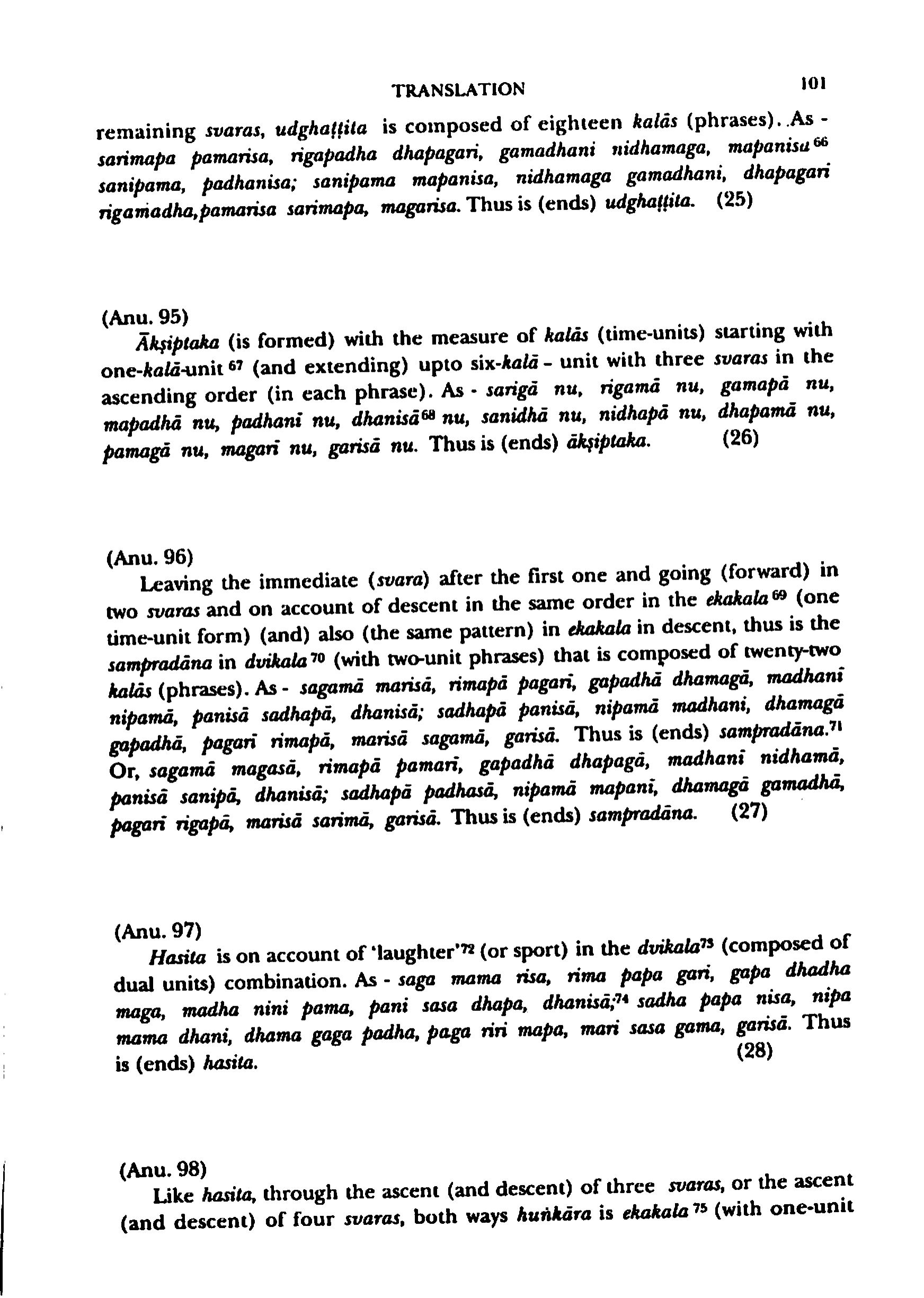
huṅkāra is structured in eighteen kalās (phrases)
"Thus is (ends) huṅkāra in eighteen kalās (phrases)."
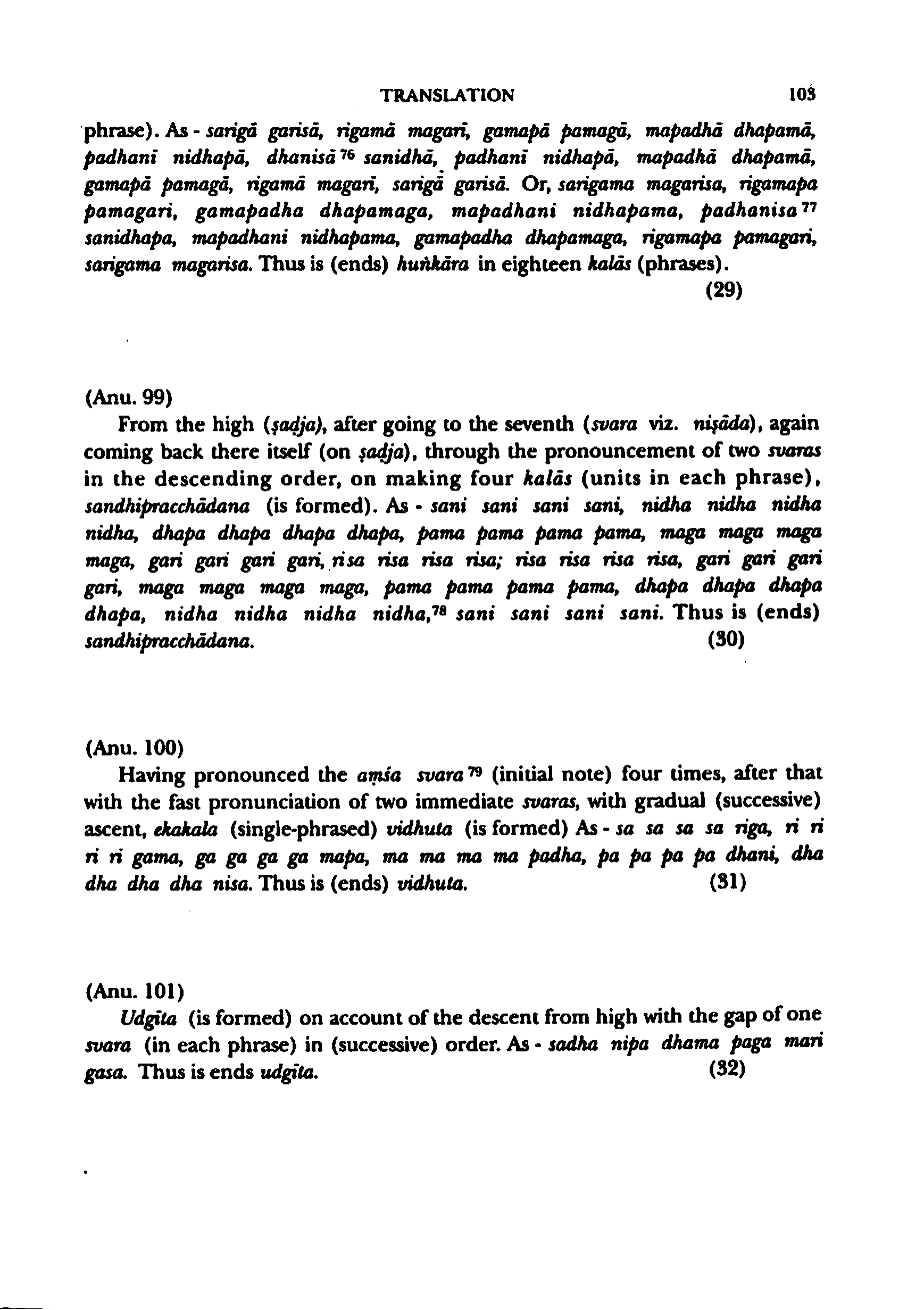
huṅkāra consists of repeated ascending and descending sequences of two-svara phrases
"sarigā garisā, rigamā magarī, gamapā pamagā, mapadhā dhapamā,
padhanī nidhapā, dhanisā sanidhā"
Huṅkāra ascends in gapless svaras with three or four svaras in ekakala form
"That which) ascends in gapless svaras like hasita with three or four svaras
(in each phrase) in ekakala 109 (form), should be known as one named huṅkāra."