takkakaiśika technical_term
Generative rules (2) ↗ filter all
R_935_takkakaisika_parentsderivation · 1 att.
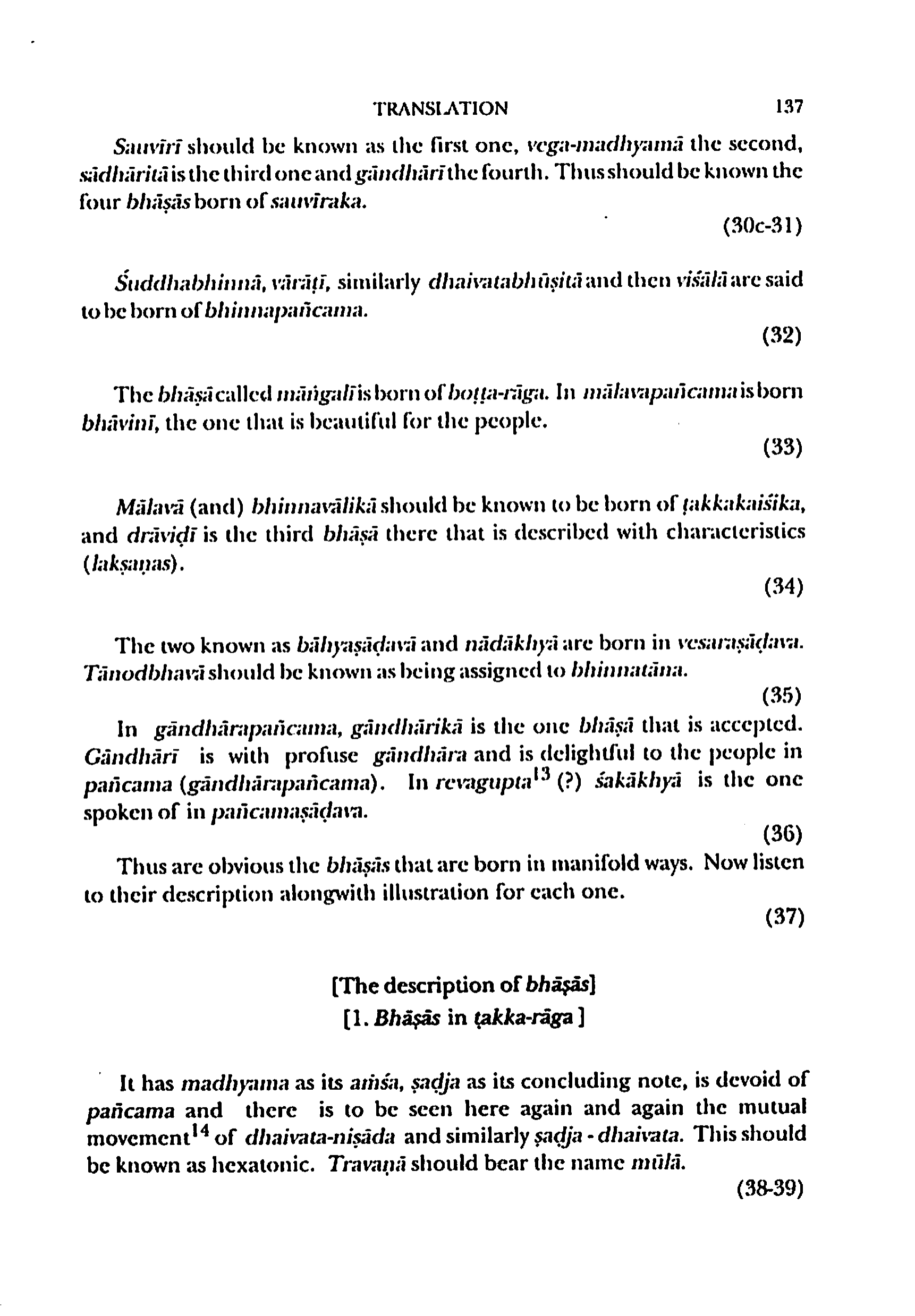
Mālavā and bhinnavālikā are born of ṭakkakaiśikatakkakaisika_bhasha_setenumeration · 1 att.
Takkakaiśika has bhāṣās including Mālavā, Bhinnavālikā, and Drāviḍī.
Pseudocode (DSL v1.1) ↗ full DSL (raw text)
RULE id: takkakaiśika (cluster 647)
SCOPE: technical_term family
STATUS: empirical
CONFIDENCE: empirical
PROTECT: false
Essence pseudocode — identity + RECORD. The page citations for each slot value are in the Grammar record table above (audit trail). The full DSL adds ASSERTIONS with verbatim quotes (see Affirmations below) and CITED_RULES (see Graph relations).
Graph relations
Outgoing (6)
--[enumeration]--> bhāṣā (1)--[enumeration]--> drāviḍī (1)--[enumeration]--> bhinnavālikā (1)--[relation]--> bhinnavālikā (1)--[enumeration]--> Mālavā (1)--[relation]--> Mālavā (1)
Incoming (1)
drāviḍī --[structural]--> (1)
Affirmations (2)
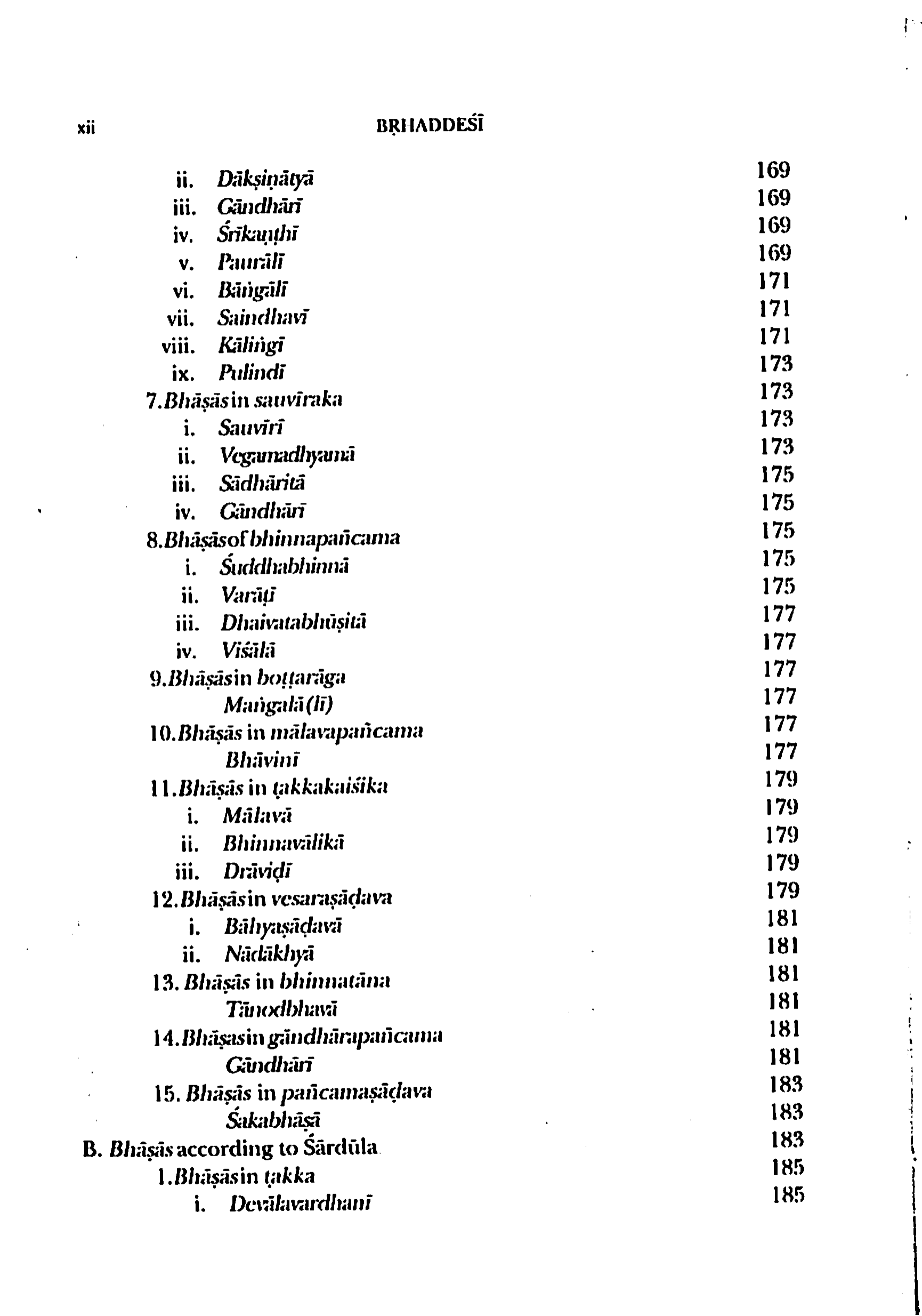
takkakaiśika has bhāṣās varieties including Mālavā, Bhinnavālikā, and Drāvidī
"11.Bhāṣās in takkakaiśika
179
Mālavā
i.
179
Bhinnavālikā
ii.
179
Drāvidī
iii."
Mālavā and bhinnavālikā are born of ṭakkakaiśika
"Mālavā (and) bhinnavālikā should be known to be born of ṭakkakaiśika"