anauduvita technical_term
Generative rules (1) ↗ filter all
R_744_anauduvita_defdefinition · 1 att.
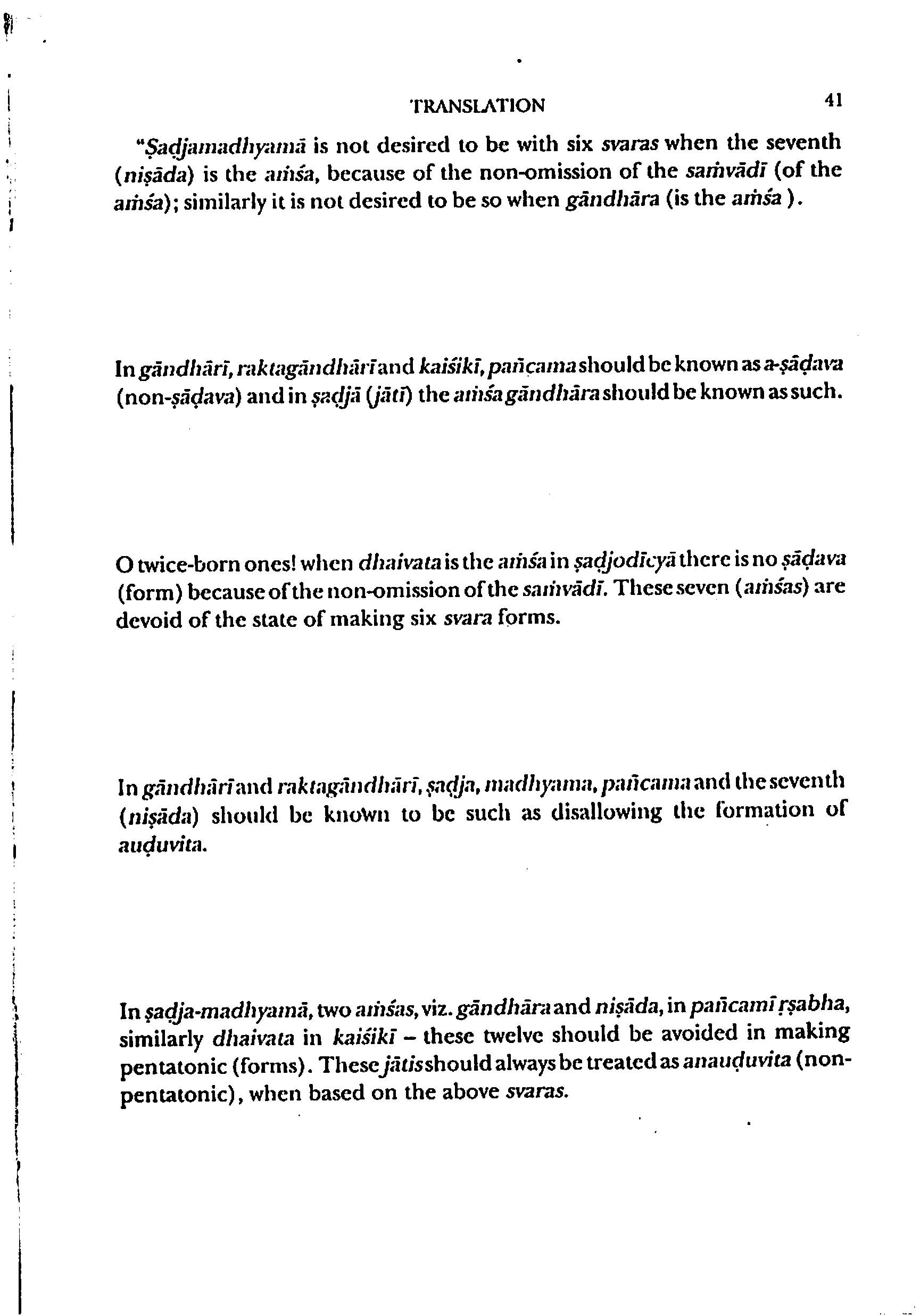
Anauḍuvita (non-pentatonique) est le traitement prescrit pour certaines jātis fondées sur des svaras spécifiques.
Pseudocode (DSL v1.1) ↗ full DSL (raw text)
RULE id: anauduvita (cluster 744)
SCOPE: technical_term family
STATUS: empirical
CONFIDENCE: empirical
PROTECT: false
Essence pseudocode — identity + RECORD. The page citations for each slot value are in the Grammar record table above (audit trail). The full DSL adds ASSERTIONS with verbatim quotes (see Affirmations below) and CITED_RULES (see Graph relations).
Graph relations
Outgoing (3)
Incoming (0)
none
Affirmations (1)
Anauduvita (non-pentatonic) is the prescribed treatment for certain jātis when based on specific svaras
"These jātis should always be treated as anauduvita (non-pentatonic), when based on the above svaras."