pentatonic technical_term
Generative rules (1) ↗ filter all
BD_6_1_R024classification · 1 att.
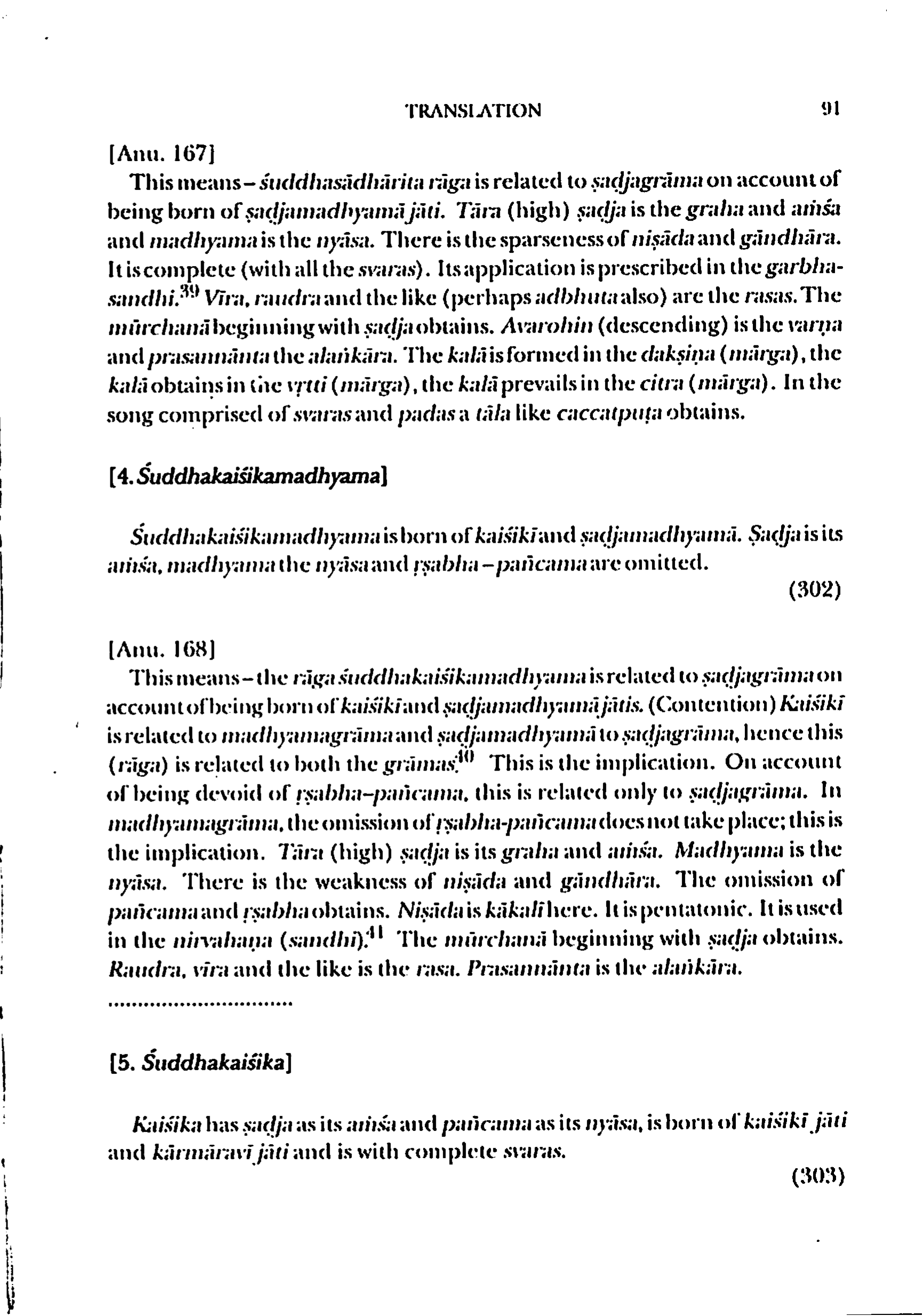
Śuddhakaiśikamadhyama rāga is pentatonic (5 svaras)
Pseudocode (DSL v1.1) ↗ full DSL (raw text)
RULE id: pentatonic (cluster 365)
SCOPE: technical_term family
STATUS: empirical
CONFIDENCE: empirical
PROTECT: false
Essence pseudocode — identity + RECORD. The page citations for each slot value are in the Grammar record table above (audit trail). The full DSL adds ASSERTIONS with verbatim quotes (see Affirmations below) and CITED_RULES (see Graph relations).
Graph relations
Outgoing (2)
--[structural]--> śuddhakaiśikamadhyama (1)--[structural]--> rāga (1)
Incoming (18)
raktagāndhārī --[structural]--> (2)ṣāḍava --[definition]--> (1)raktagāndhārī --[enumeration]--> (1)auduvita --[definition]--> (1)auduvita --[structural]--> (1)kaiśikī --[structural]--> (1)gāndhārī --[structural]--> (1)dhruvā --[enumeration]--> (1)pañcamī --[structural]--> (1)gāndhārodīcyavā --[structural]--> (1)pulindikā --[structural]--> (1)dohyā --[structural]--> (1)ṛṣabha --[structural]--> (1)anauduvita --[definition]--> (1)Trāvaṇī --[structural]--> (1)hexatonic and pentatonic formations --[structural]--> (1)सप्तस्वरमूर्छना --[enumeration]--> (1)mahābhūta --[relation]--> (1)
Affirmations (1)
śuddhakaiśikamadhyama rāga is pentatonic
"It is pentatonic."