gandharva technical_term
Generative rules (3) ↗ filter all
R_4p1_470definition · 2 att.
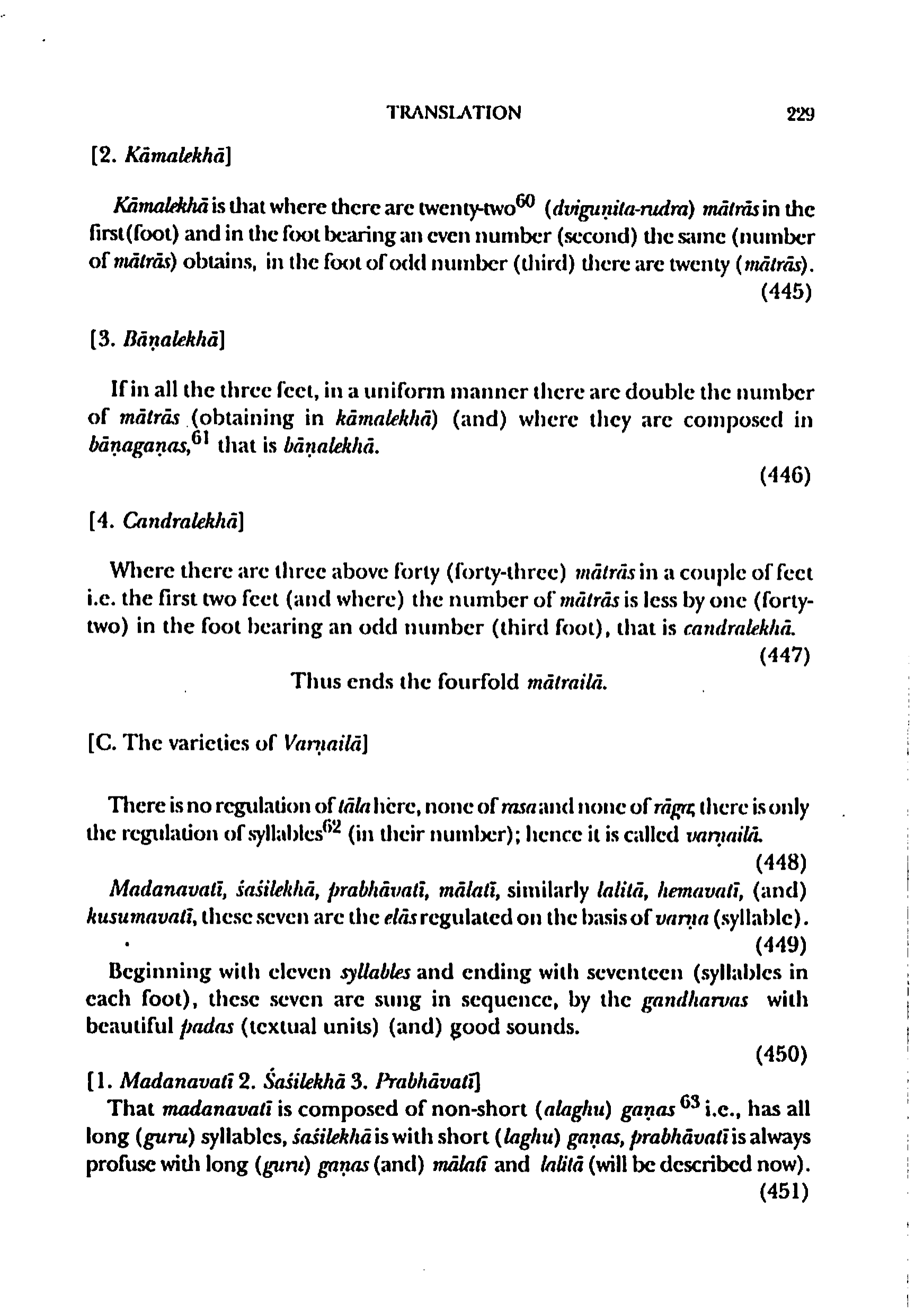
gandharvas = musicians' caste (here) and/or semi-divine beings; they sing varnailā varieties with beautiful padas and good soundsR_c121_gandharvarelation · 2 att.
gandharva = praticiens experts; autorités sur krauñcapada; interprètes désignés de lalitā elā avec régulation gracieuse des syllabesR_gandharva_defrelation · 2 att.
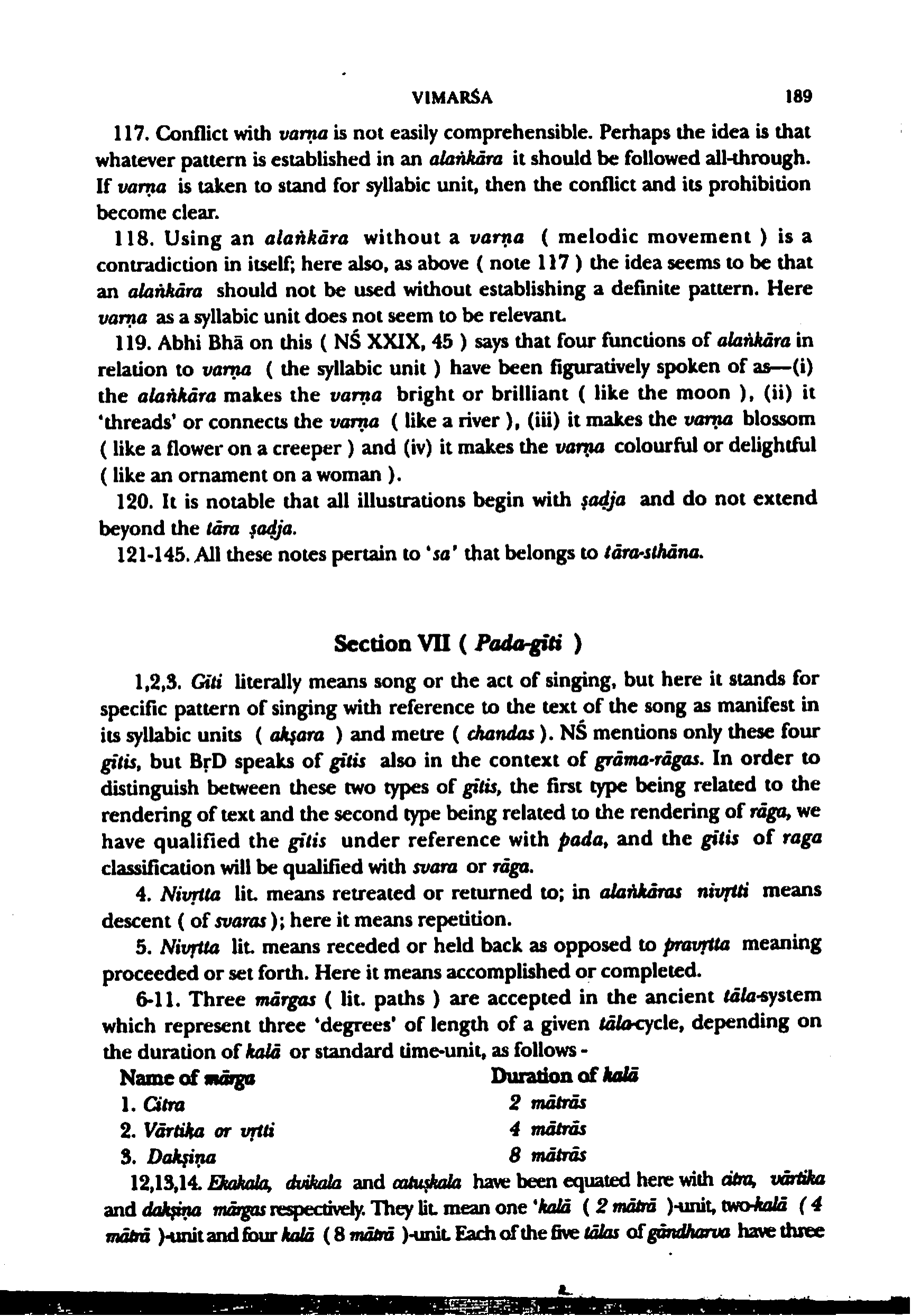
Gāndharva = upaveda (sub-Veda) of Sāmaveda; its rhythmic system has five tālas, each with three mārgas
Pseudocode (DSL v1.1) ↗ full DSL (raw text)
RULE id: gandharva (cluster 121)
SCOPE: technical_term family
STATUS: empirical
CONFIDENCE: empirical
PROTECT: false
Essence pseudocode — identity + RECORD. The page citations for each slot value are in the Grammar record table above (audit trail). The full DSL adds ASSERTIONS with verbatim quotes (see Affirmations below) and CITED_RULES (see Graph relations).
Graph relations
Outgoing (9)
--[relation]--> pada (1)--[relation]--> Sāmaveda (1)--[structural]--> mārga (1)--[attribution]--> Tumburu (1)--[relation]--> Elā (1)--[relation]--> Varnailā (1)--[relation]--> lalitā (1)--[relation]--> Krauńcapada (1)--[relation]--> upaveda (1)
Incoming (8)
Abhinavagupta --[citation]--> (1)Varnailā --[structural]--> (1)lalitā --[relation]--> (1)Krauńcapada --[structural]--> (1)Bandhakarana --[definition]--> (1)Kaivāţa --[definition]--> (1)madhyama --[attribution]--> (1)madhyama --[relation]--> (1)
Affirmations (7)
Tumburu is a gandharva who is an authority on music
"Tumburu is the name of a gandharva who is an authority on music."
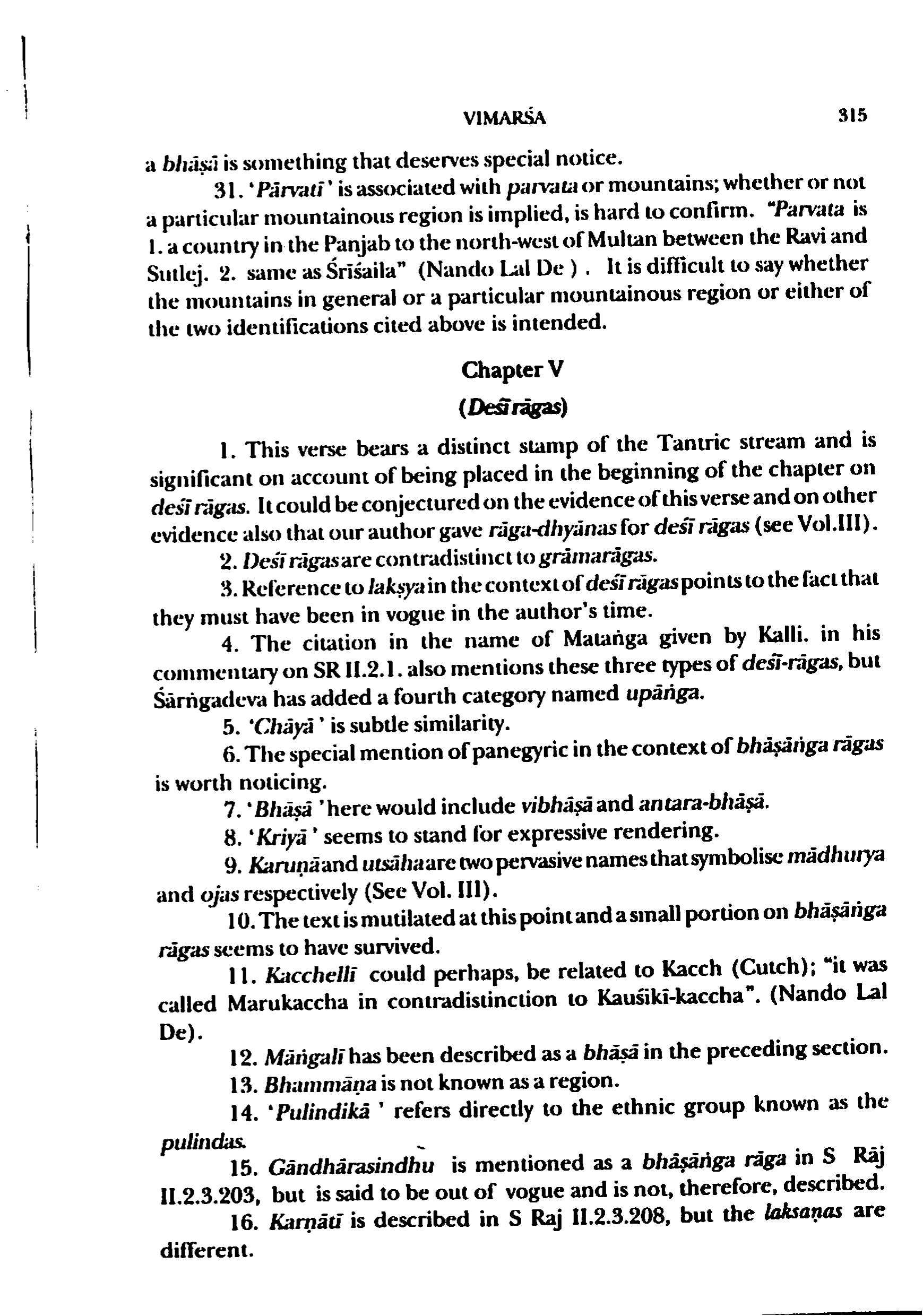
Gandharvas are semi-divine beings, but the term also refers to a musicians' caste, with the latter meaning being relevant in this context
"Gandharvas are semi-divine beings, but a musicians' caste also
bears this name. Here the latter seems to be relevant."
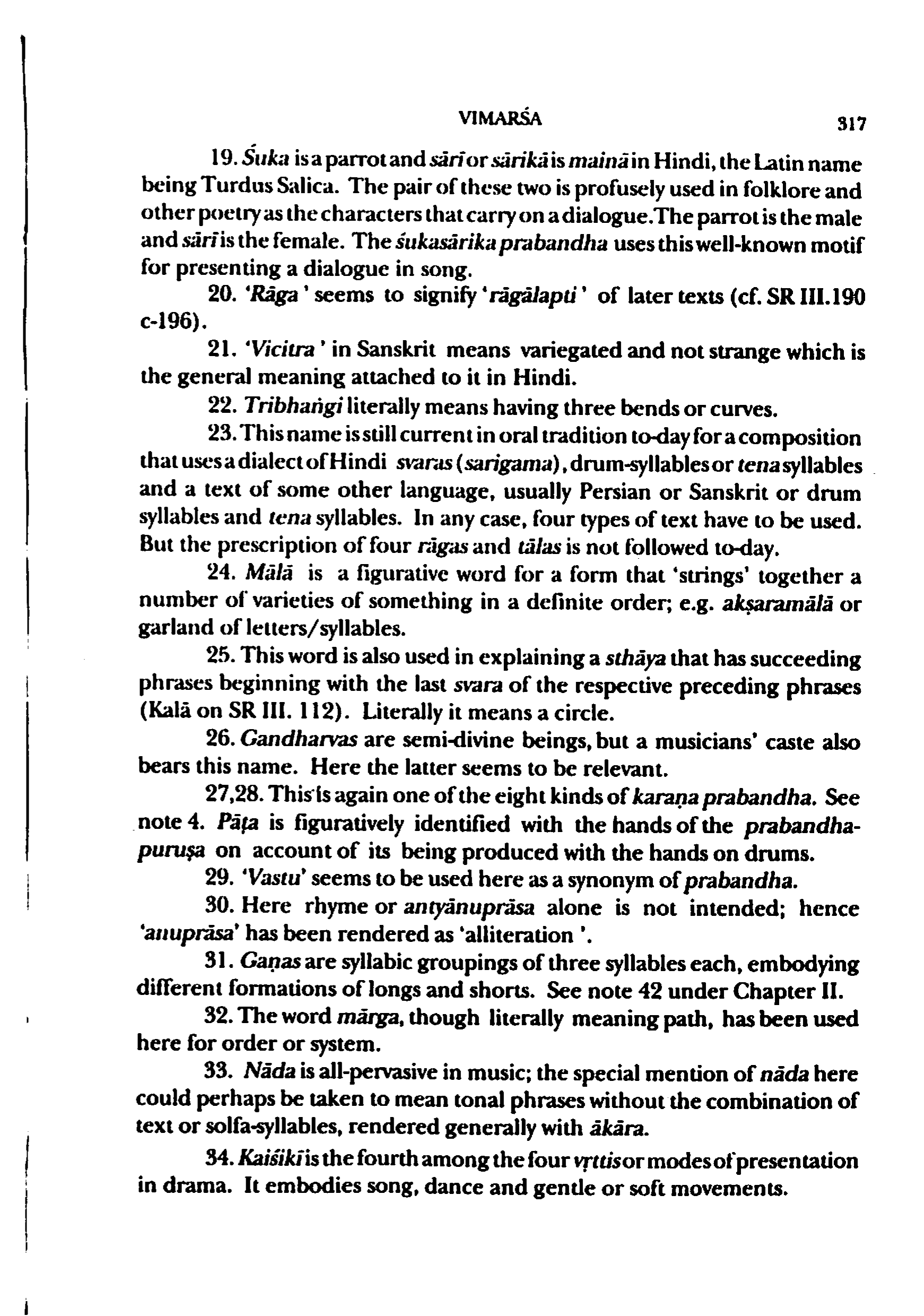
Gandharva professionals are the knowledgeable authorities on Krauńcapada
"Krauñcapada is known to those proficient in gandharva"
Gandharvas sing the varnailā varieties with beautiful padas and good sounds
"these seven are sung in sequence, by the gandharvas with
beautiful padas (textual units) (and) good sounds."
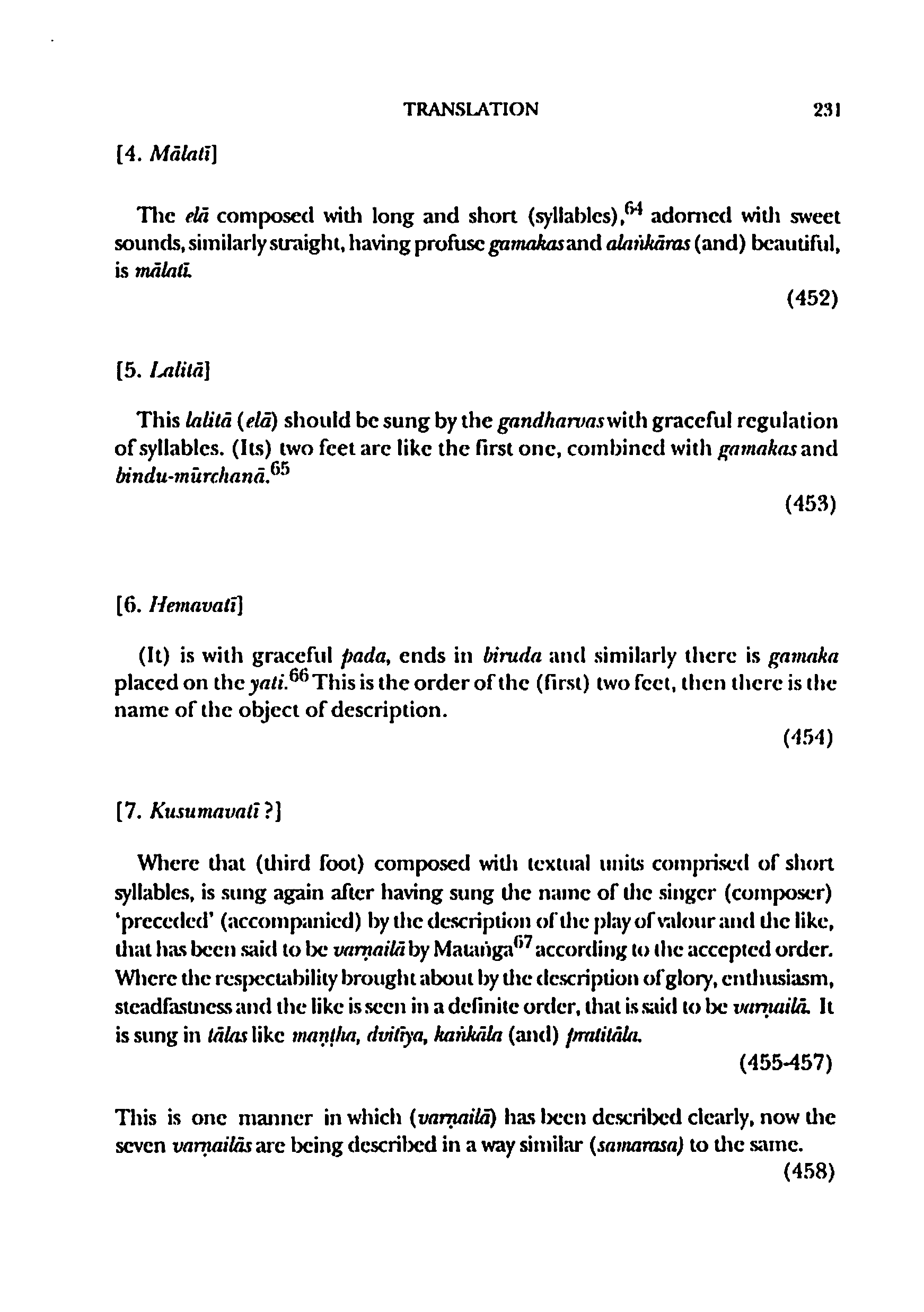
Gandharvas are the performers or singers of lalitā elā
"This lalitā (elā) should be sung by the gandharvas with graceful regulation
of syllables."
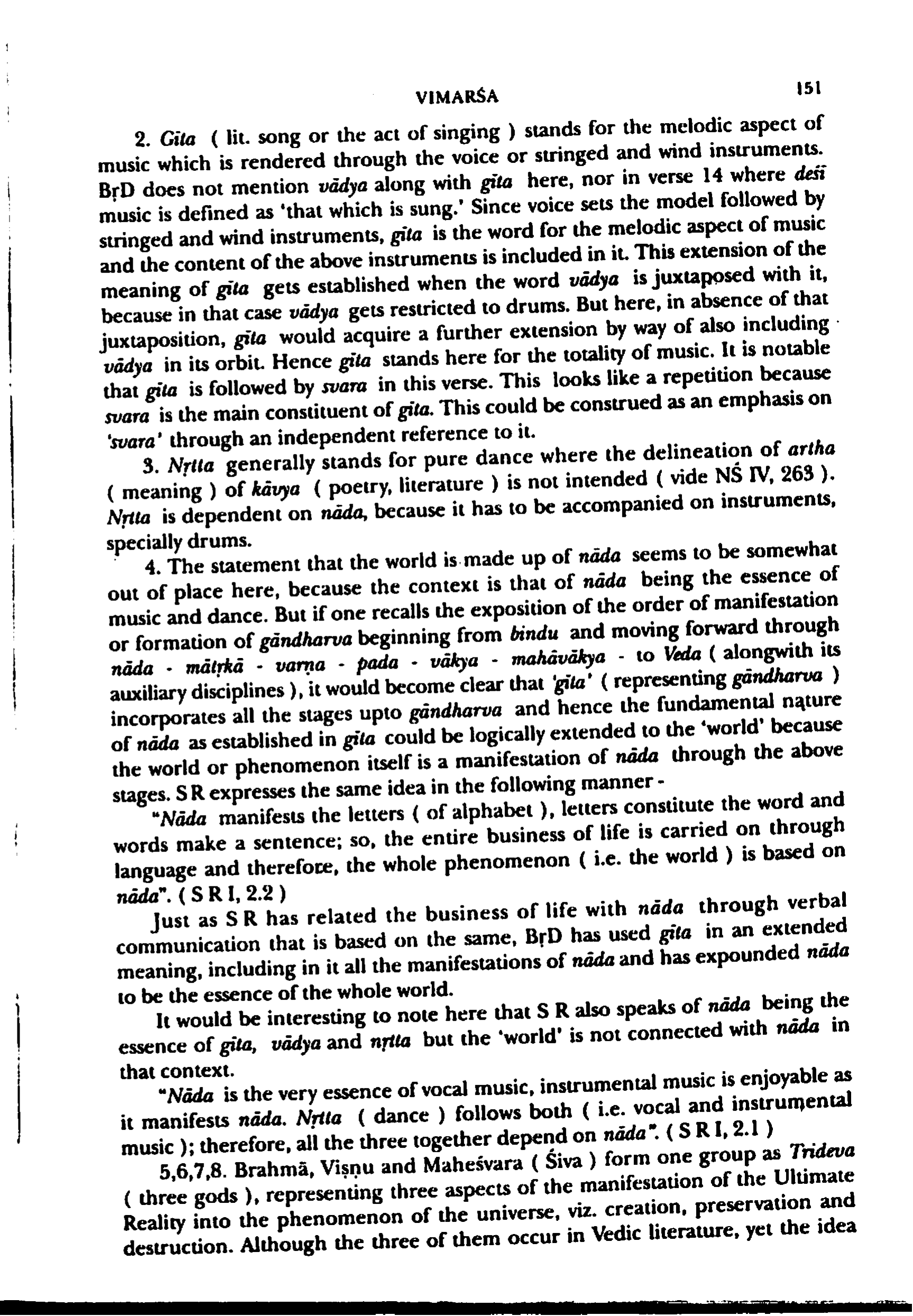
Gāndharva is the upaveda (sub-Veda) of Sāmaveda
"Gāndharva is the upaveda (sub-Veda) of Sāmaveda."
Each of the five tālas of gāndharva have three mārgas
"Each of the five tālas of gāndharva have three"