madhyama svara_name
Grammar record (family: svara_name)
| structural_role | made of seven svaras | p.vol_II_p022, conf 0.90 |
Generative rules (2) ↗ filter all
BD_6_1_R023structural · 1 att.
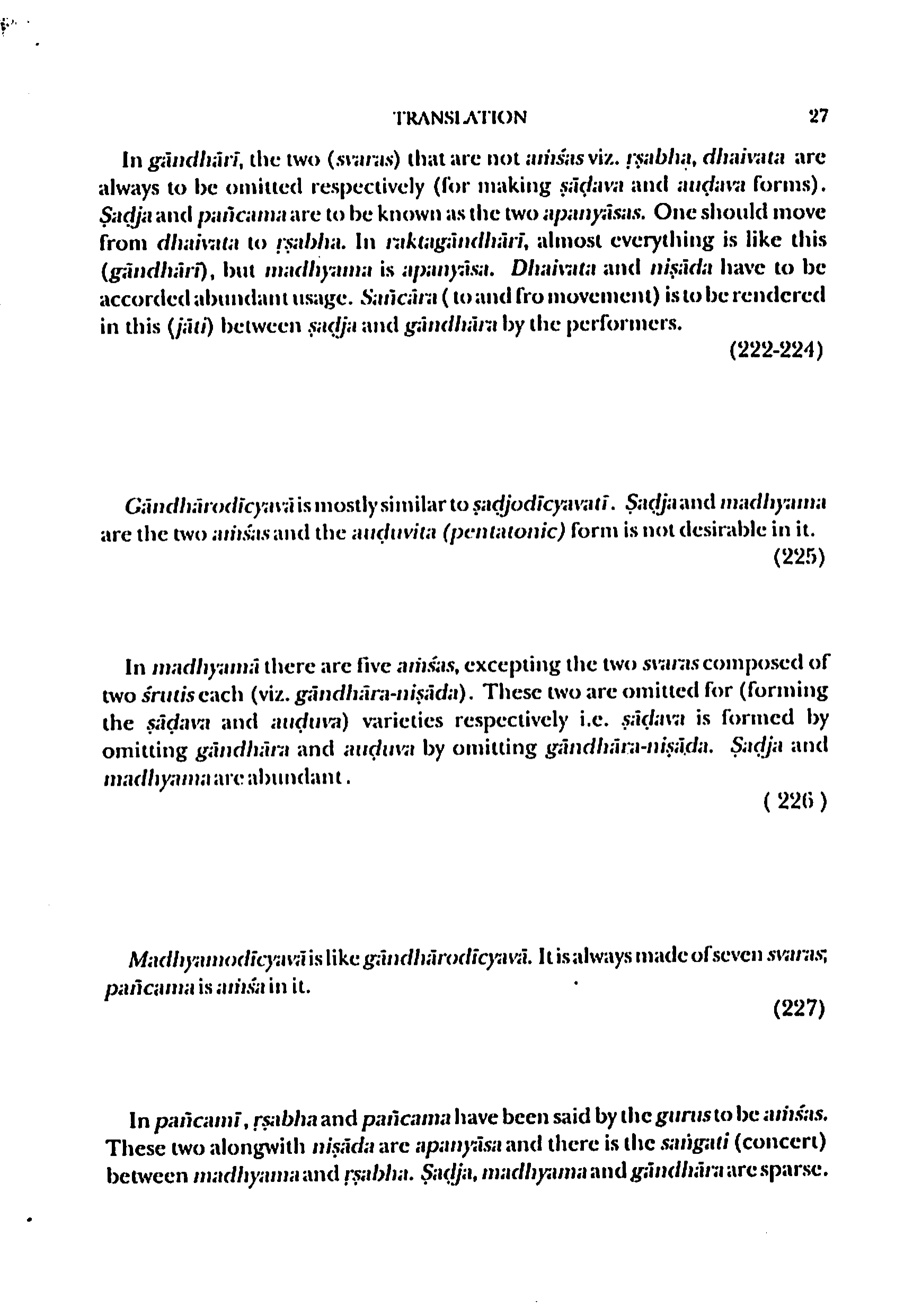
Madhyamā jāti: always saṁpūrṇa (7 svaras) with pañcama as aṁśaR_1433_madhyama_no_omissionvalidation · 1 att.
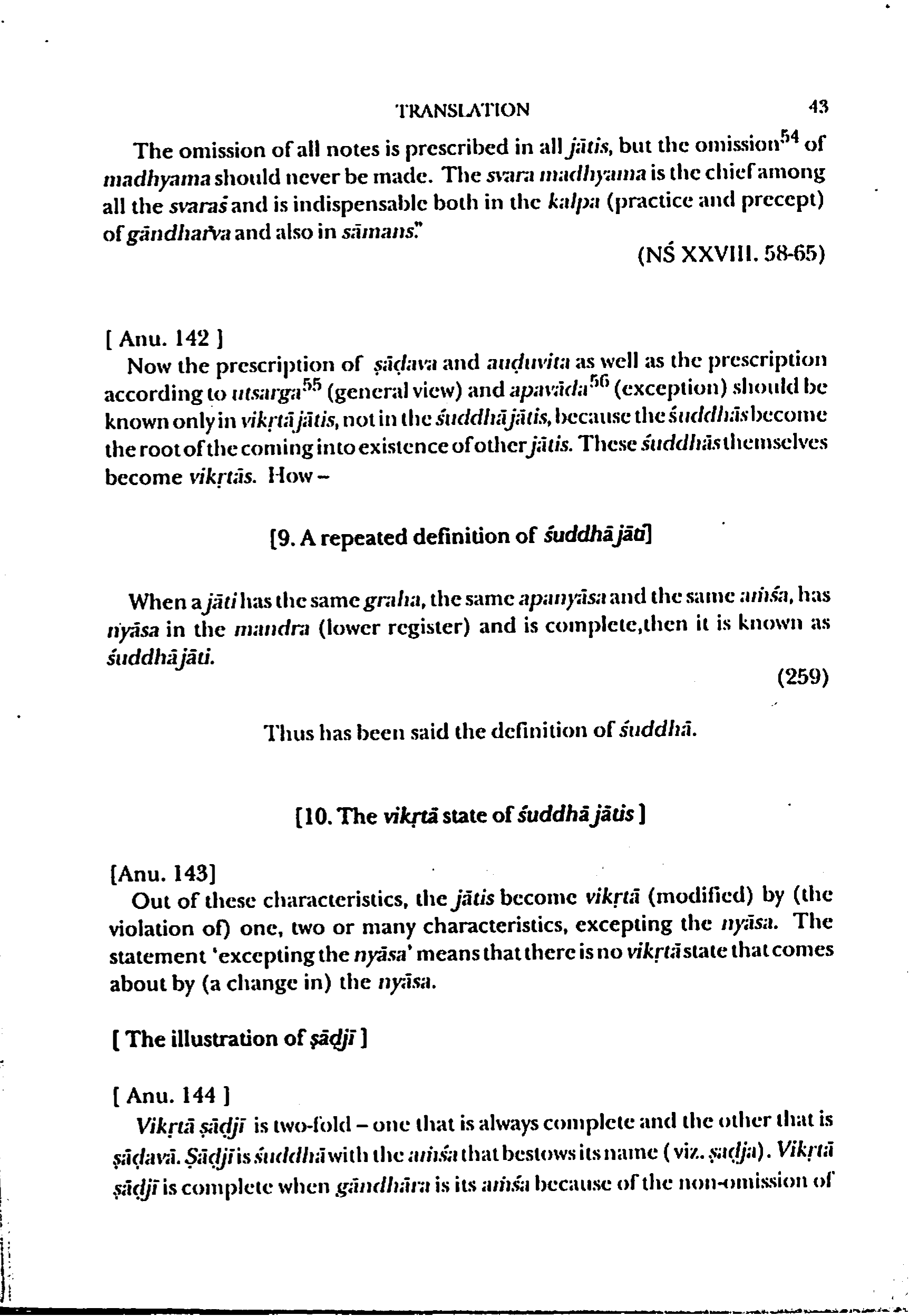
madhyama may not be omitted: it links gandharva and sāman as tonic of sāman and connects the two tetrachords
Pseudocode (DSL v1.1) ↗ full DSL (raw text)
RULE id: madhyama (cluster 1433)
SCOPE: svara_name family
STATUS: canonical
CONFIDENCE: canonical
PROTECT: true

RECORD:
  structural_role = made of seven svaras
Essence pseudocode — identity + RECORD. The page citations for each slot value are in the Grammar record table above (audit trail). The full DSL adds ASSERTIONS with verbatim quotes (see Affirmations below) and CITED_RULES (see Graph relations).
Graph relations
Outgoing (9)
--[structural]--> aṁśa (2)--[attribution]--> svaras (2)--[structural]--> pañcama (1)--[attribution]--> gandharva (1)--[relation]--> gandharva (1)--[relation]--> svaras (1)--[structural]--> svaras (1)--[relation]--> sāman (1)--[attribution]--> Kalpa (1)
Incoming (77)
aṁśa --[structural]--> (3)mūrchanā --[relation]--> (2)mūrchanā --[structural]--> (2)aṁśa --[definition]--> (2)madhyamagrāma --[relation]--> (2)nyāsa --[structural]--> (2)apanyāsa --[structural]--> (2)kaiśikī --[structural]--> (2)narta-rāga --[definition]--> (2)anuvāditva --[structural]--> (2)madhyamagrāma --[structural]--> (1)nyāsa --[definition]--> (1)vibhāṣā --[enumeration]--> (1)vibhāṣā --[structural]--> (1)Matanga --[attribution]--> (1)apanyāsa --[relation]--> (1)Kasyapa --[attribution]--> (1)raktagāndhārī --[relation]--> (1)raktagāndhārī --[structural]--> (1)auduvita --[definition]--> (1)BhaKo --[citation]--> (1)kaiśikī --[relation]--> (1)kārmāravī --[structural]--> (1)gāndhārī --[structural]--> (1)मूर्छना --[relation]--> (1)sangati --[relation]--> (1)sadjagrāma --[structural]--> (1)pañcamaṣāḍava --[structural]--> (1)bhinnatāna --[structural]--> (1)pañcamī --[structural]--> (1)gāndhārodīcyavā --[structural]--> (1)āndhrī --[structural]--> (1)nandayantī --[structural]--> (1)samvādin --[structural]--> (1)Gūrjarī --[structural]--> (1)saindhavī --[structural]--> (1)ṭakkarāga --[structural]--> (1)गान्धारपञ्चमी --[structural]--> (1)vādin --[structural]--> (1)bhāvinī --[structural]--> (1)रक्तगान्धारी --[enumeration]--> (1)samvādī --[structural]--> (1)न्यासः --[structural]--> (1)sādhāritā --[structural]--> (1)revagupta --[structural]--> (1)bāhyaṣāḍavā --[structural]--> (1)Sauvīrī --[relation]--> (1)षड्जग्रामे --[relation]--> (1)Brahaspati --[attribution]--> (1)Sādhāraņakṛtā Jātis --[enumeration]--> (1)गान्धारोदीच्यवा --[structural]--> (1)आन्ध्री --[structural]--> (1)छेवाटी --[structural]--> (1)potā --[definition]--> (1)Ardhavesarī --[structural]--> (1)vikrtā state --[relation]--> (1)गौडपञ्चमः --[structural]--> (1)gaudakaiśikamadhyama --[structural]--> (1)mürchanā --[structural]--> (1)Ţakkakaiśika --[definition]--> (1)narta-rāga --[relation]--> (1)narta-rāga --[structural]--> (1)त्रवणोद्भवा --[structural]--> (1)pañcamākhyā --[structural]--> (1)chevāțī --[structural]--> (1)concert --[relation]--> (1)पौराली --[structural]--> (1)vegamadhyamā --[attribution]--> (1)vegamadhyamā --[structural]--> (1)वराटी --[structural]--> (1)Bottaraga --[relation]--> (1)Bottaraga --[structural]--> (1)śakabhāṣā --[structural]--> (1)Kārņāţī --[structural]--> (1)Bhairava --[enumeration]--> (1)मध्यमस्य --[enumeration]--> (1)Kraunīca --[enumeration]--> (1)
Affirmations (3)
The madhyama svara is the chief among all svaras and is indispensable
"The svara madhyama is the chief among
all the svaras and is indispensable both in the kalpa (practice and precept)
of gāndharva and also in sāmans."
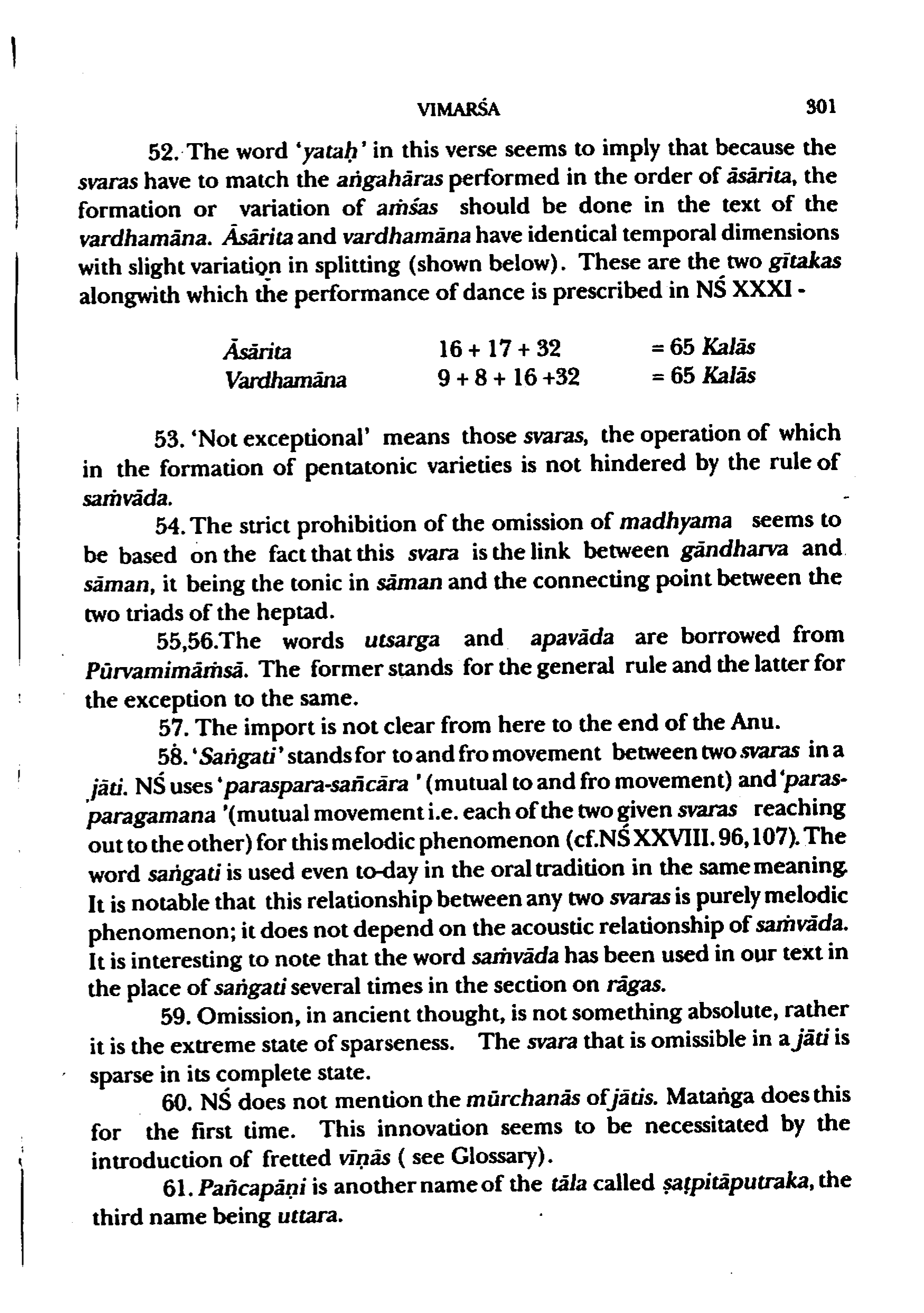
madhyama is strictly required and serves as a link between gandharva and sāman, being the tonic in sāman
"The strict prohibition of the omission of madhyama seems to
be based on the fact that this svara is the link between gandharva and
sāman, it being the tonic in sāman and the connecting point between the
two triads of the heptad."
Madhyamā is always made of seven svaras with pañcama as amśa
"It is always made of seven svaras;
pañcama is amsa in it."