antara-bhāṣā technical_term
Generative rules (3) ↗ filter all
antara_bhasha_distinct_typeclassification · 2 att.
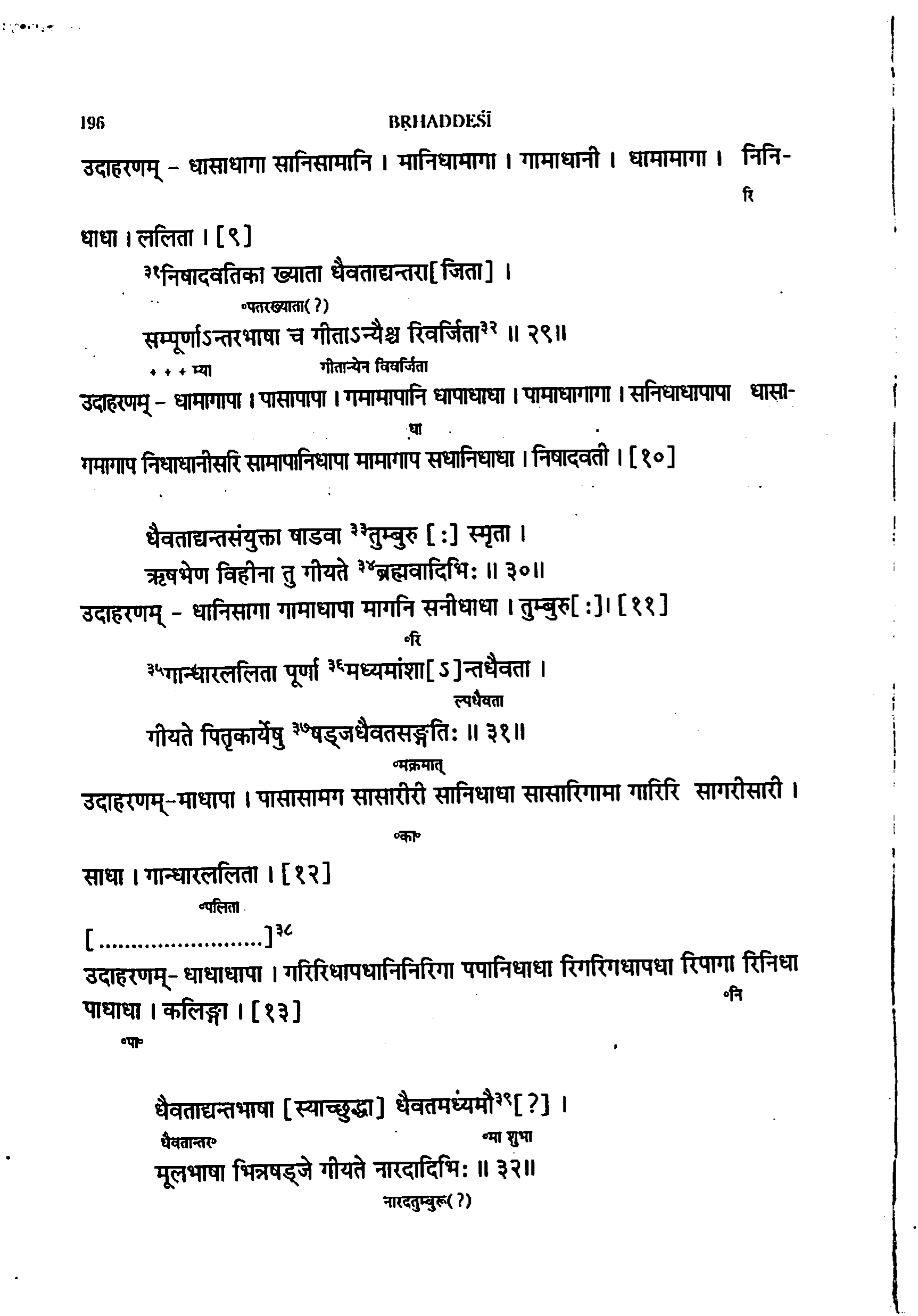
Antara-bhāṣā is a distinct type of bhāṣā among the bhāṣā categories, encompassing forms like Niṣādavatikā.BD_6_1_R020classification · 1 att.
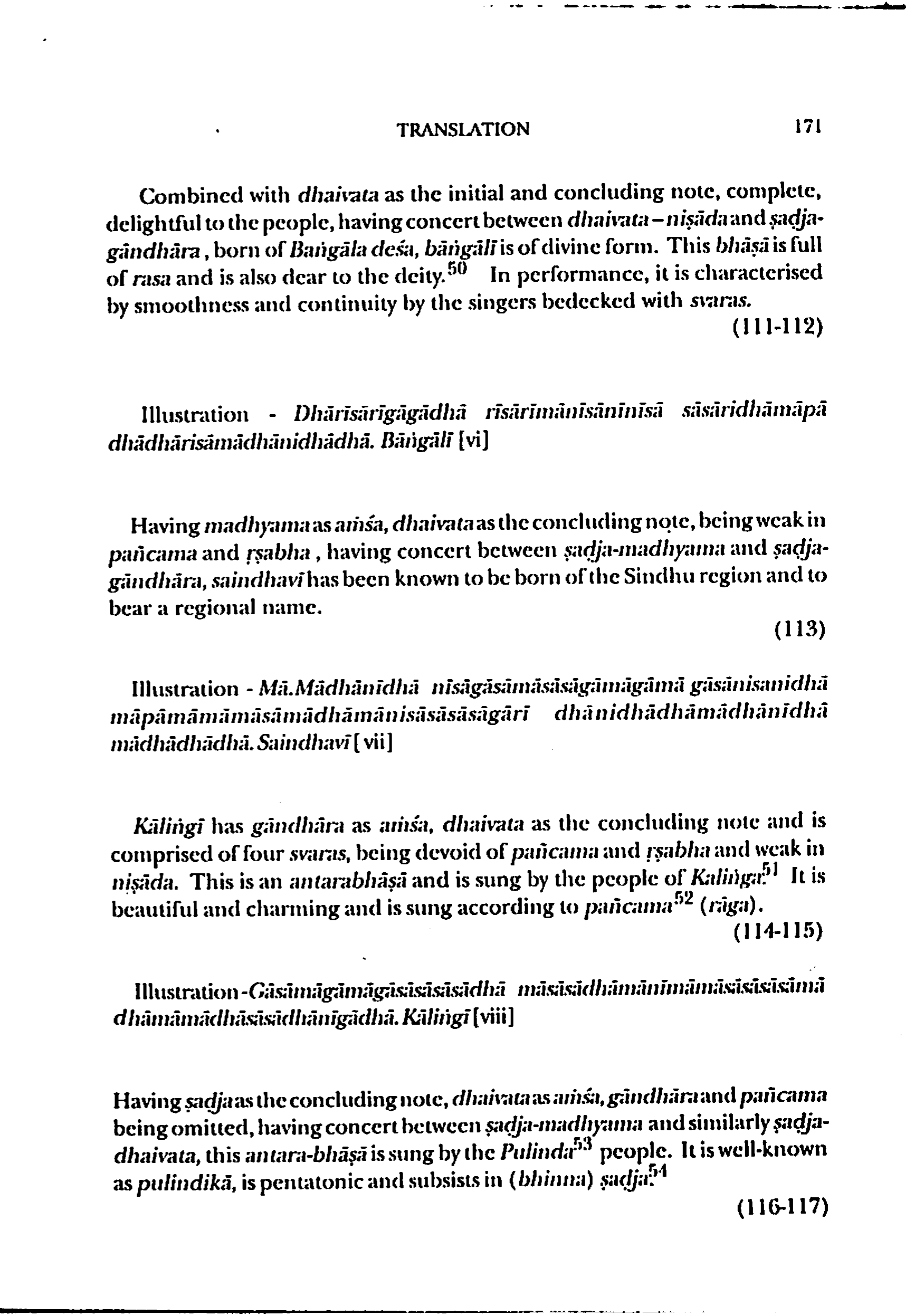
Antarabhāṣā: bhāṣā category that includes Kālingī (sung by people of Kalinga)R_5p2_921derivation · 1 att.
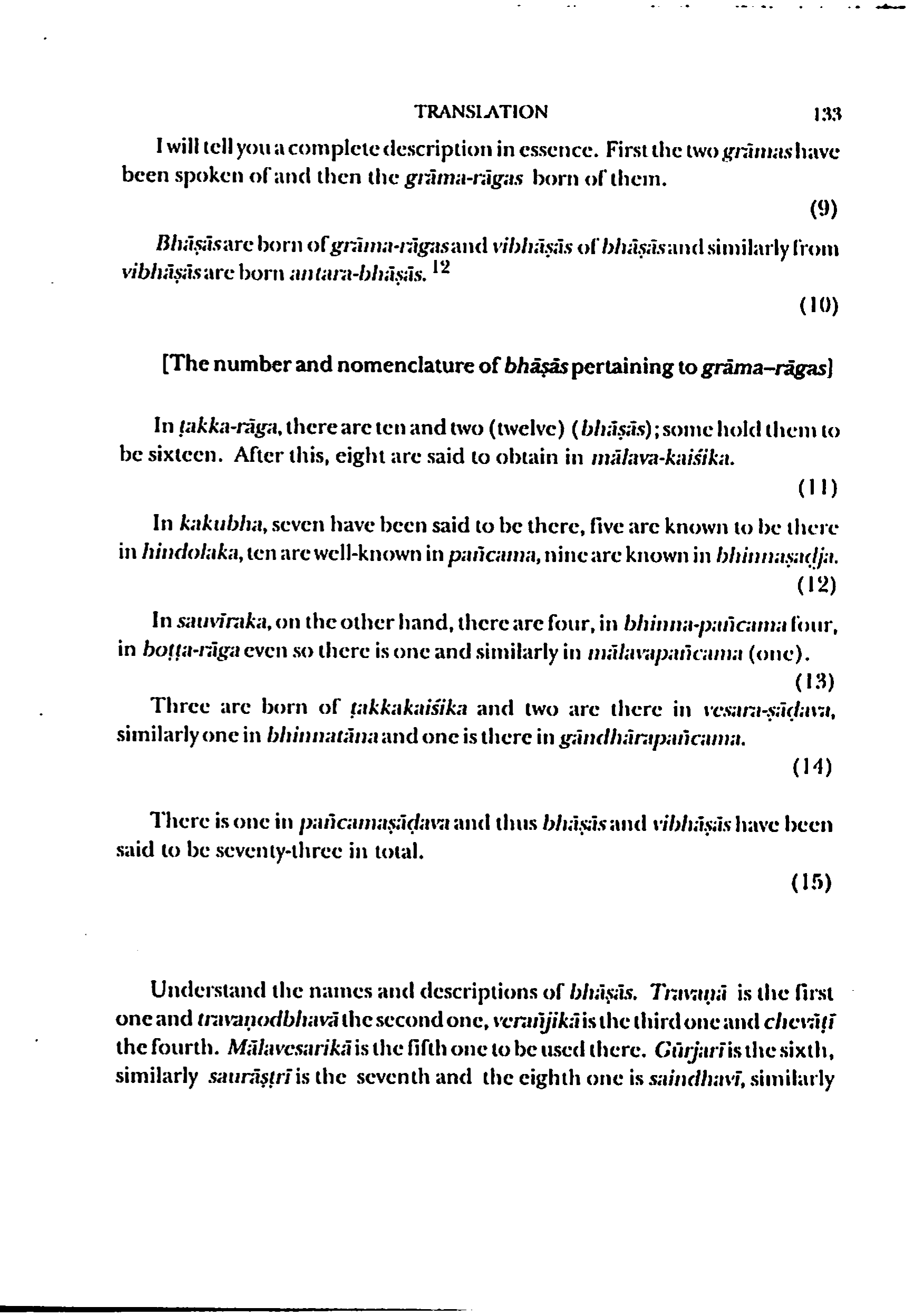
Antara-bhāṣās are derived from vibhāṣās
Pseudocode (DSL v1.1) ↗ full DSL (raw text)
RULE id: antara-bhāṣā (cluster 166)
SCOPE: technical_term family
STATUS: traditional
CONFIDENCE: traditional
PROTECT: false
Essence pseudocode — identity + RECORD. The page citations for each slot value are in the Grammar record table above (audit trail). The full DSL adds ASSERTIONS with verbatim quotes (see Affirmations below) and CITED_RULES (see Graph relations).
Graph relations
Outgoing (5)
--[relation]--> vibhāṣā (1)--[definition]--> bhāṣā (1)--[enumeration]--> bhāṣā (1)--[enumeration]--> niṣādavatī (1)--[definition]--> Kālingī (1)
Incoming (3)
Affirmations (4)
Antarabhāṣā is a category of bhāṣā that includes Kālingī
"This is an antarabhāṣā and is sung by the people of Kalinga"
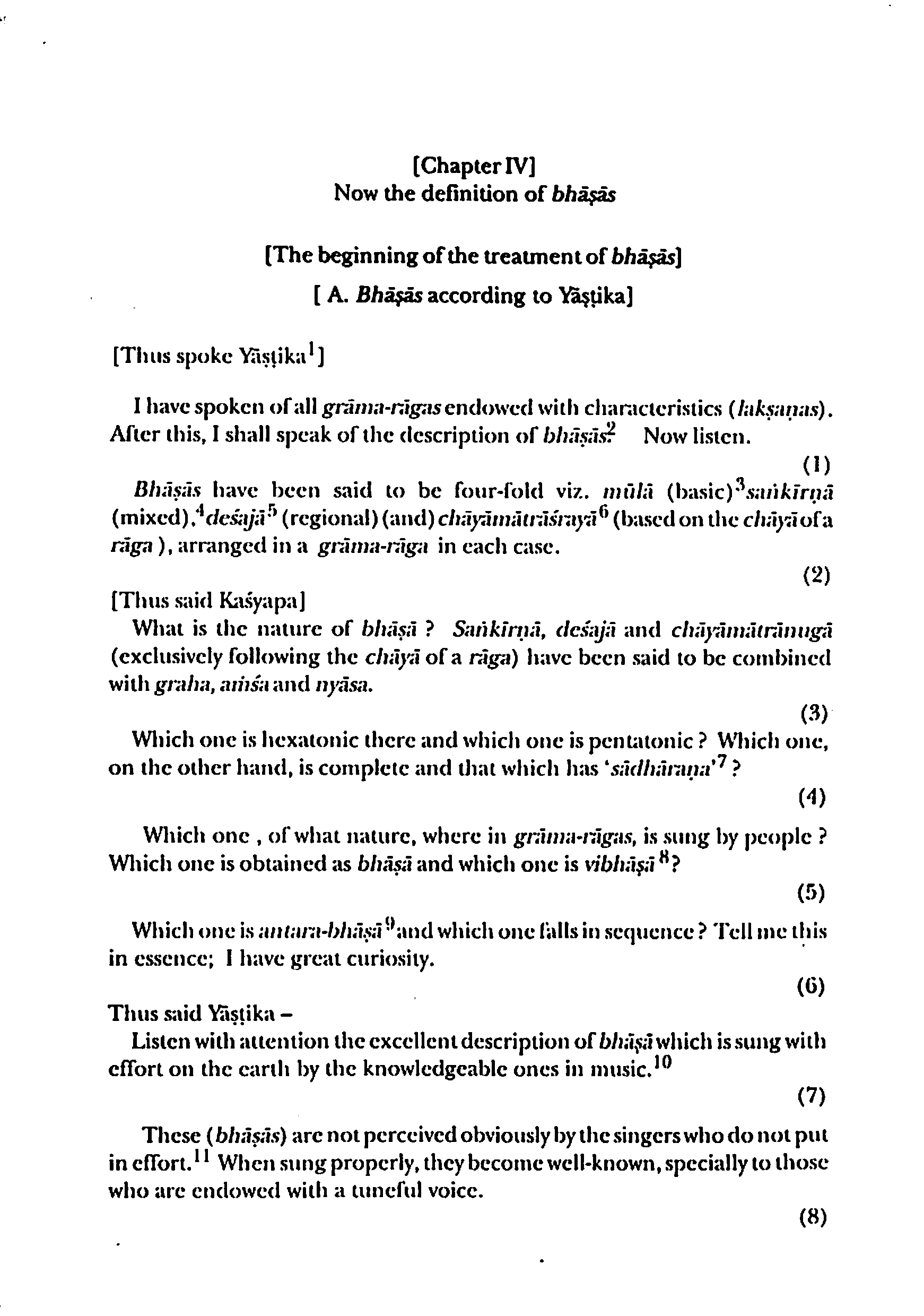
Antara-bhāṣā is a distinct type of bhāṣā that falls in sequence
"Which one is antara-bhāṣā and which one falls in sequence?"
Antara-bhāṣā is a musical category encompassing forms like Niṣādavatikā
"सम्पूर्णाऽन्तरभाषा च गीताऽन्यैश्च"
Antara-bhāṣās are born from vibhāṣās
"and similarly from
vibhāṣās are born antara-bhāṣās."