Śruti-bhinna technical_term
Generative rules (2) ↗ filter all
R_857_srutibhinna_definitiondefinition · 1 att.
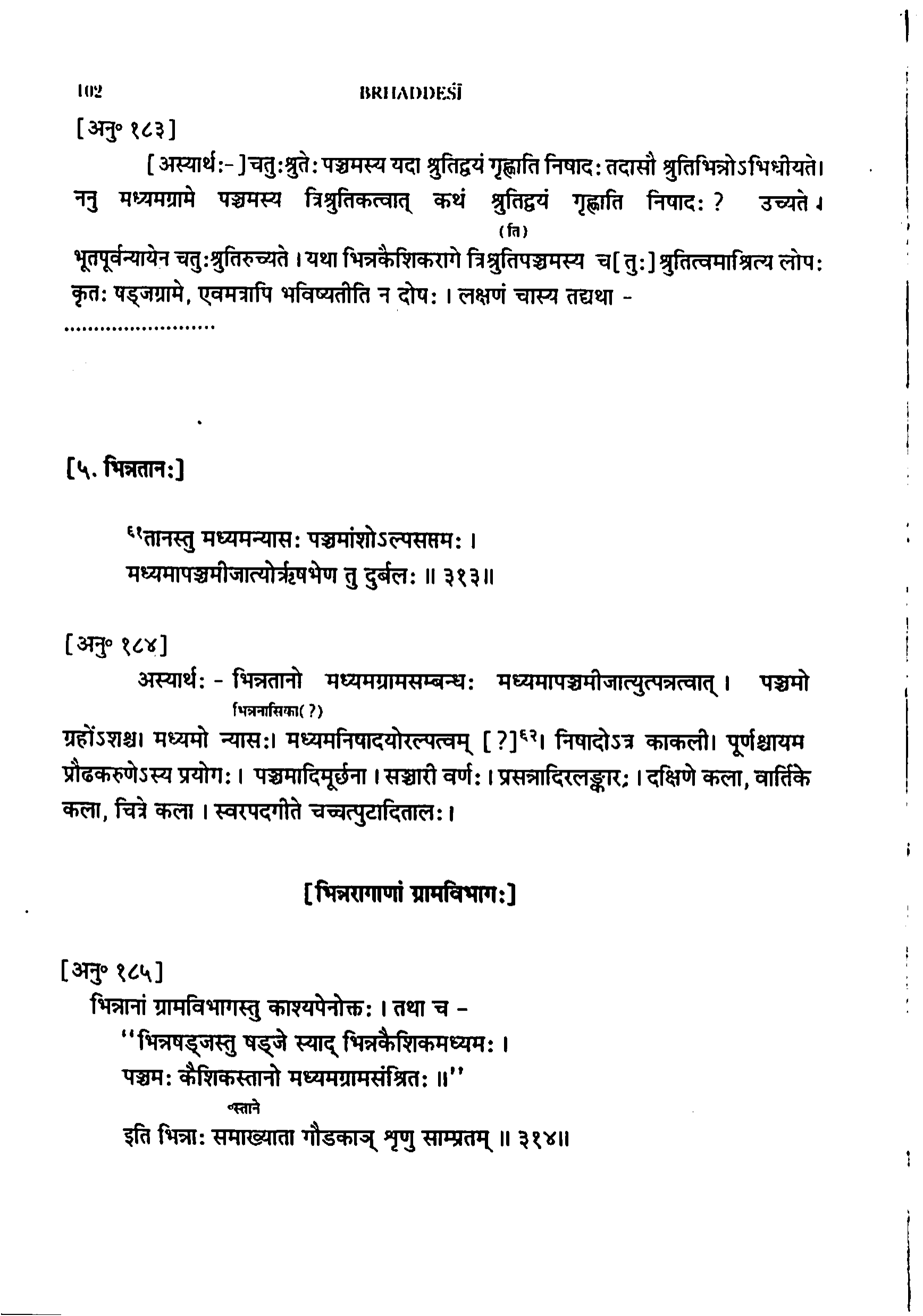
Śrutibhinna: niṣāda takes 2 śrutis of pañcama (which has 4 śrutis)r_brd_317_sruti_bhinna_defdefinition · 1 att.
Śruti-bhinna = 4-śruti svara modified by 2-śruti svara, with gāndhāra being 2-śruti
Pseudocode (DSL v1.1) ↗ full DSL (raw text)
RULE id: śruti-bhinna (cluster 317)
SCOPE: technical_term family
STATUS: empirical
CONFIDENCE: empirical
PROTECT: false
Essence pseudocode — identity + RECORD. The page citations for each slot value are in the Grammar record table above (audit trail). The full DSL adds ASSERTIONS with verbatim quotes (see Affirmations below) and CITED_RULES (see Graph relations).
Graph relations
Outgoing (6)
--[definition]--> śrutis (2)--[definition]--> gāndhāra (1)--[definition]--> pañcama (1)--[definition]--> niṣāda (1)--[definition]--> svaras (1)--[definition]--> पञ्चमस्य (1)
Incoming (0)
none
Affirmations (2)
Śruti-bhinna is defined as a svara comprised of four śrutis being modified by one comprised of two śrutis, with gāndhāra being comprised of only two śrutis
"Where the svara comprised of four śrutis is modified by the one comprised of two
śrutis and gāndhāra is comprised of only two śrutis, that is called śruti-bhinna."
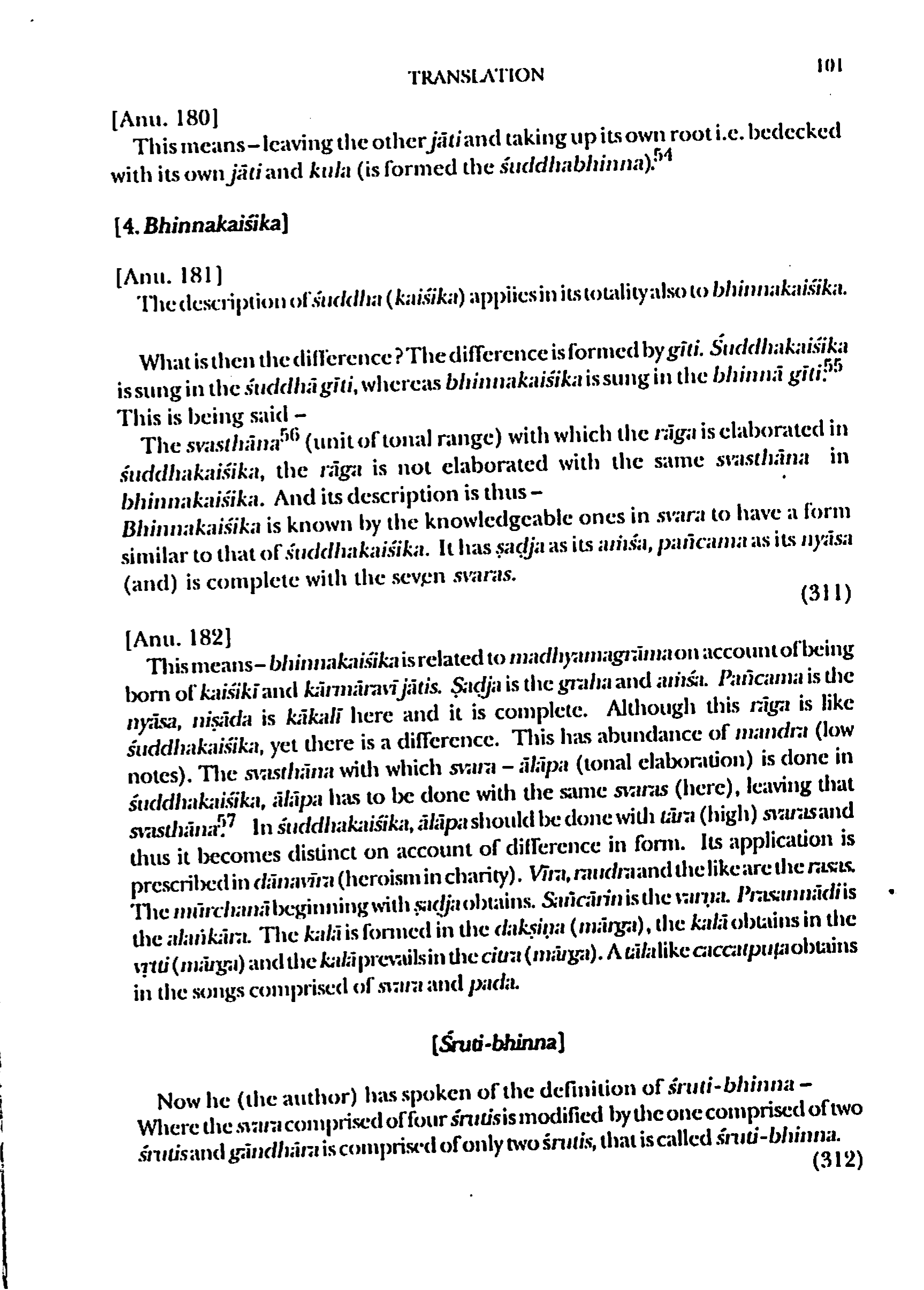
When niṣāda takes up two śrutis of pañcama that is comprised of four śrutis, it is called śrutibhinna
"चतुःश्रुते पञ्चमस्य यदा श्रुतिद्वयं गृह्णाति निषादः तदासौ श्रुतिभिन्नोऽभिधीयते"