ābhīrī technical_term
Generative rules (2) ↗ filter all
R_4p0_021structural · 3 att.
ābhīrī = bhāṣā: ṣaḍja initial+concluding, sampūrṇa, ne de deśa, concert ṛṣabha-ṣaḍja, deux-śruti svaras spars; arise from pañcama avec concert ṣaḍja-dhaivataabhiri_first_bhasa_from_pancamastructural · 1 att.
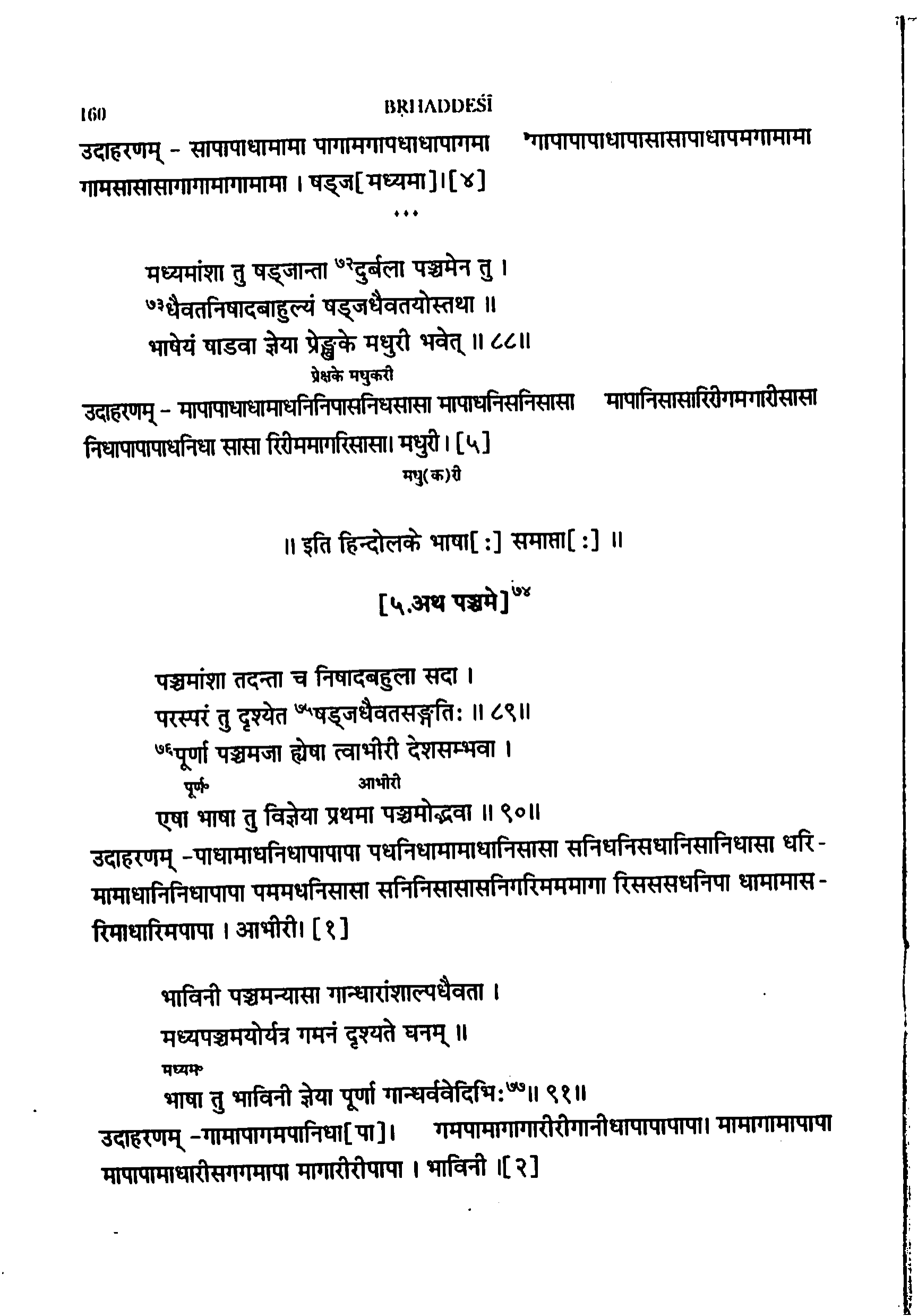
Ābhīrī is the first bhāṣā, arising from pañcama (rāga), with pañcama as aṁśa and nyāsa, replete with niṣāda.
Pseudocode (DSL v1.1) ↗ full DSL (raw text)
RULE id: ābhīrī (cluster 415)
SCOPE: technical_term family
STATUS: empirical
CONFIDENCE: empirical
PROTECT: false
Essence pseudocode — identity + RECORD. The page citations for each slot value are in the Grammar record table above (audit trail). The full DSL adds ASSERTIONS with verbatim quotes (see Affirmations below) and CITED_RULES (see Graph relations).
Graph relations
Outgoing (10)
--[structural]--> bhāṣā (2)--[structural]--> pañcama (2)--[structural]--> deśa (2)--[structural]--> aṁśa (1)--[structural]--> भाषा (1)--[structural]--> niṣāda (1)--[structural]--> dhaivata (1)--[structural]--> concert (1)--[structural]--> पूर्णा (1)--[structural]--> rāga (1)
Incoming (2)
Affirmations (4)
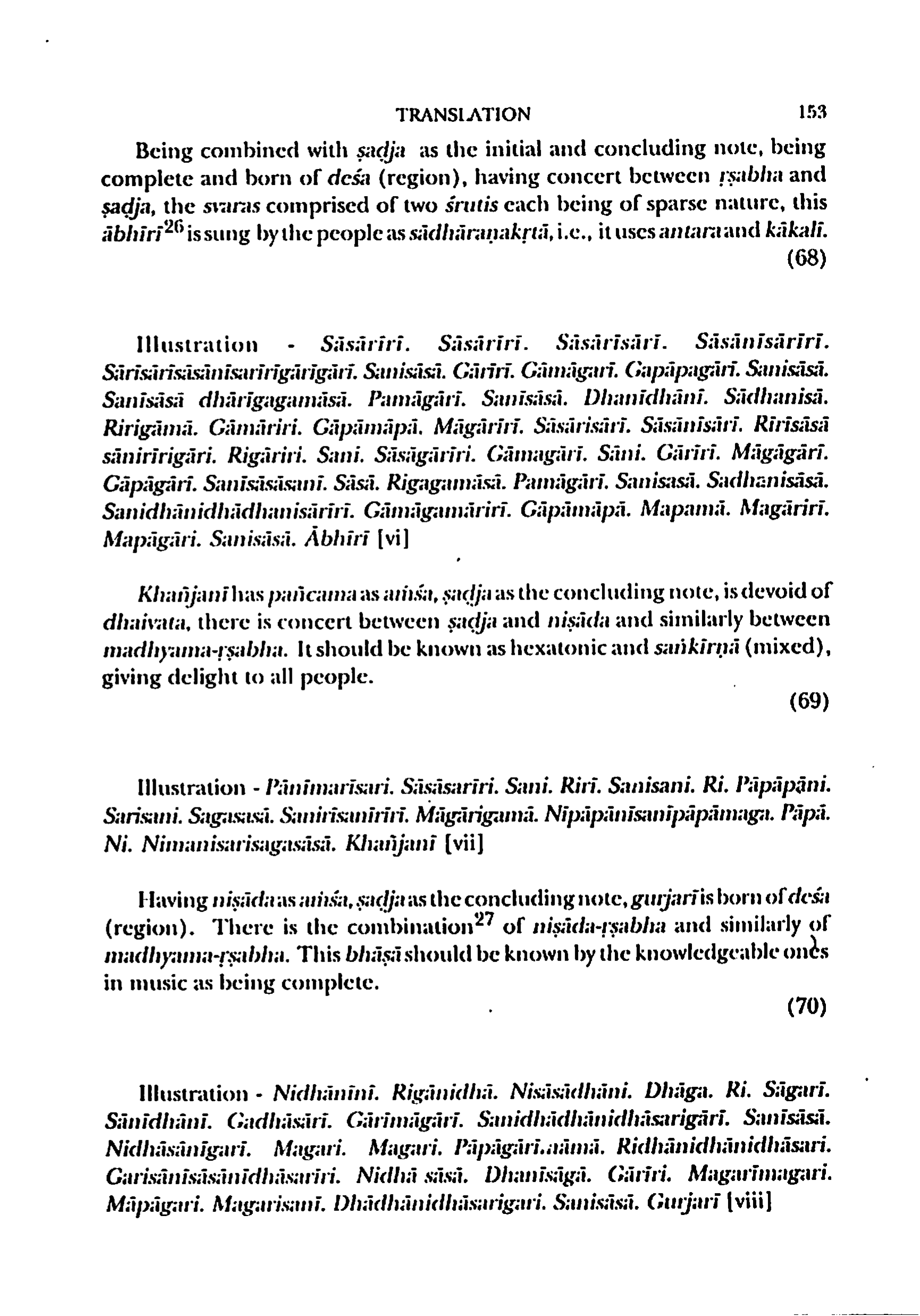
Ābhīrī is combined with sadja as initial and concluding note, is complete, and is born of deśa (region)
"Being combined with sadja as the initial and concluding note, being
complete and born of deśa (region)"
Ābhīrī has concert (sanyoga) between ṛṣabha and șadja
"having concert between ṛṣabha and șadja, the svaras comprised of two śrutis each being of sparse nature"
Abhīrī is the first bhāṣā arising from pañcama with niṣāda profusion
"Having pancama as amsa and the same as the concluding note, replete
with niṣāda, being complete, this ābhīrī bhāṣā is born of deśa (region), rises
out of pañcama (rāga)"
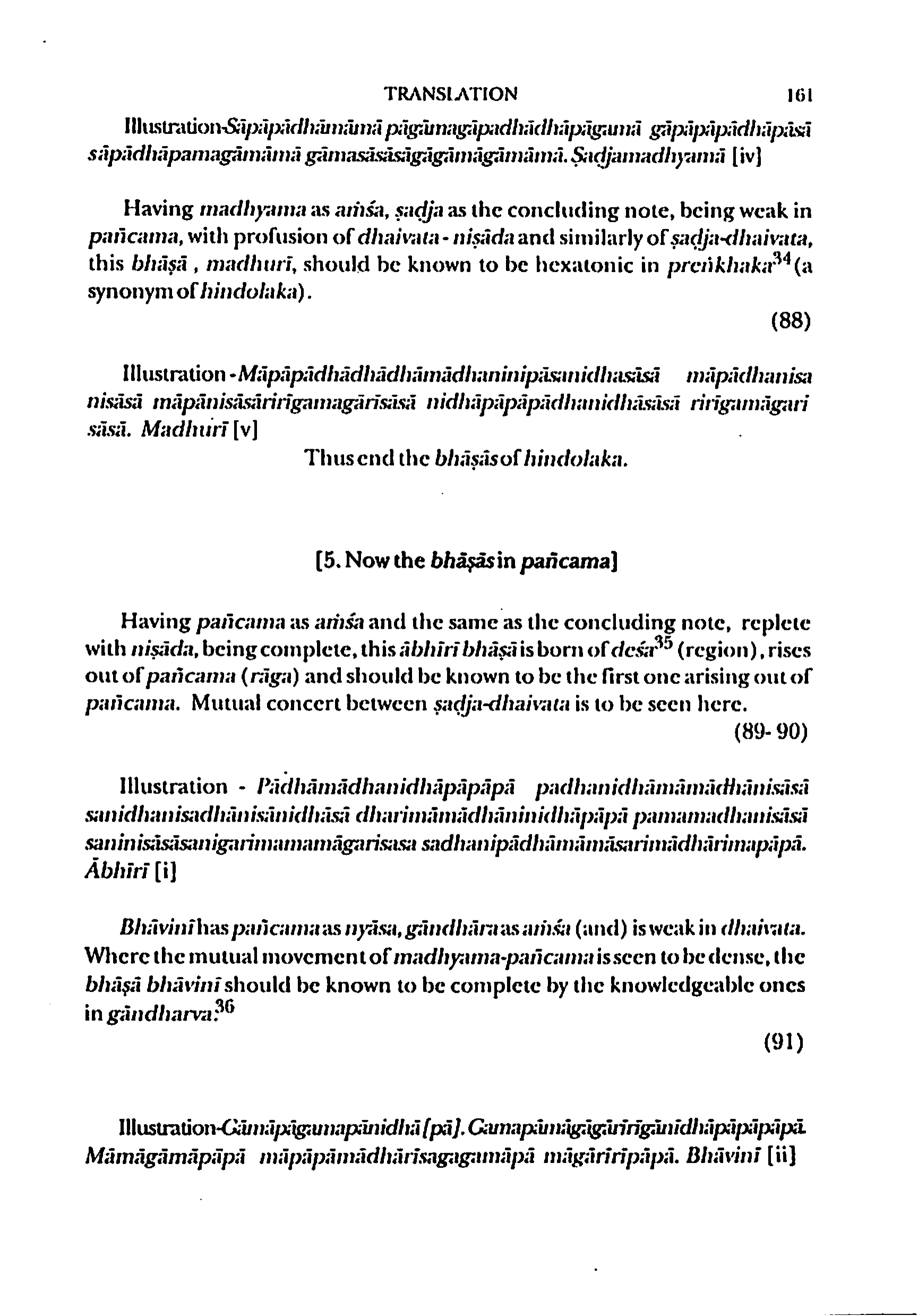
ābhīrī bhāṣā is complete, born of deśa, arises from pañcama, and shows mutual concert between șadja-dhaivata
"पूर्णा पञ्चमजा ह्येषा त्वाभीरी देशसम्भवा ।
पूर्ण
एषा भाषा तु विज?्ञेया प्रथमा पञ्चमोद्भवा"