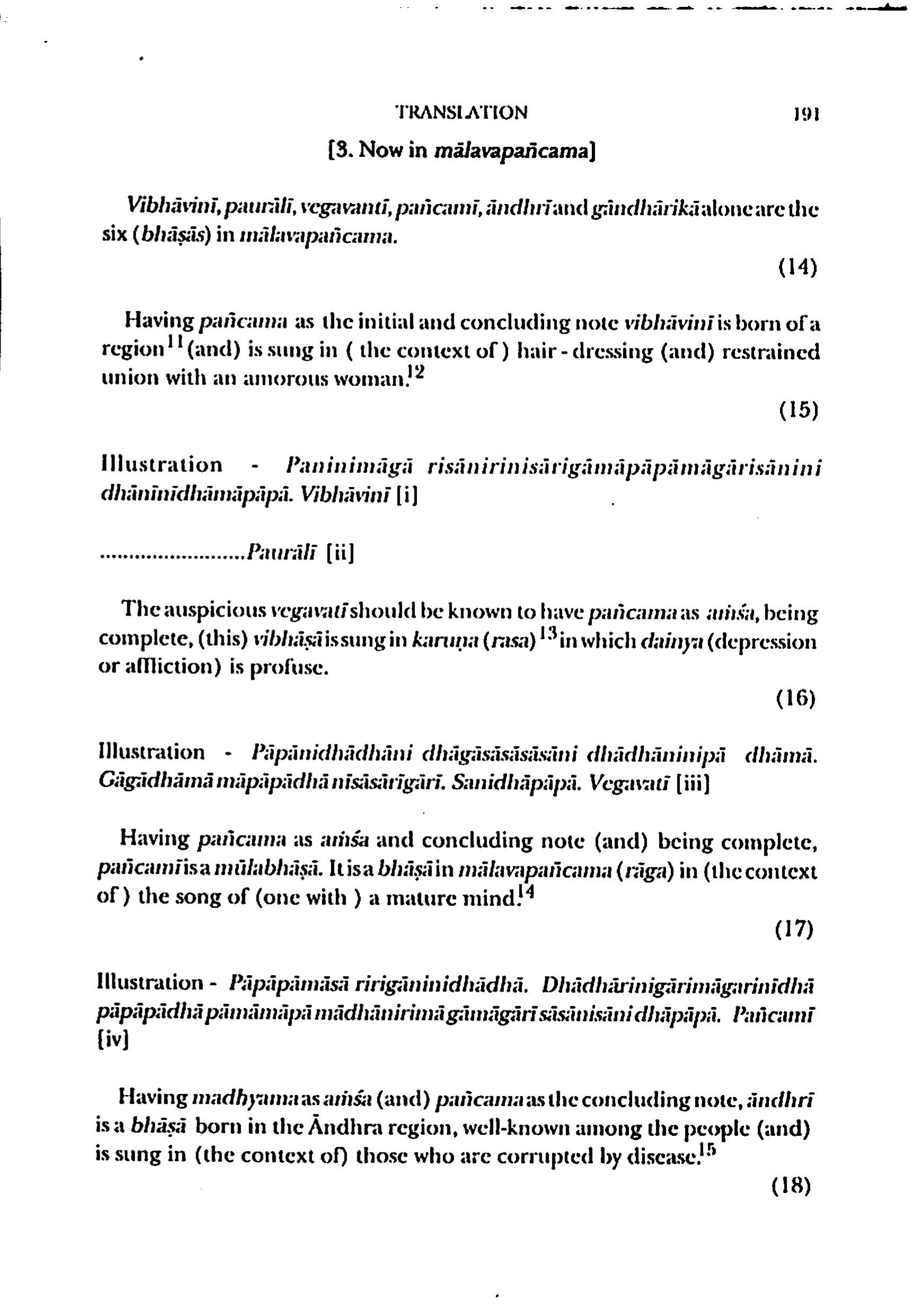
भाषा raga_class
Grammar record (family: raga_class)
| raga_framework | टक्करागस्य | p.vol_II_p082, conf 0.85 |
| amsa | पञ्चम | p.vol_II_p104, conf 0.60 |
| nyasa | पञ्चम | p.vol_II_p104, conf 0.60 |
Generative rules (1) ↗ filter all
R_bhasha_classclassification · 3 att.
Bhāṣā is a technical category of rāga classification; varieties distinguished by aṁśa + concluding note; takkarāga has 16 bhāṣās per Yāṣṭika
Pseudocode (DSL v1.1) ↗ full DSL (raw text)
RULE id: भाषा (cluster 167)
SCOPE: raga_class family
STATUS: canonical
CONFIDENCE: canonical
PROTECT: true

RECORD:
  raga_framework = टक्करागस्य
  amsa           = पञ्चम
  nyasa          = पञ्चम
Essence pseudocode — identity + RECORD. The page citations for each slot value are in the Grammar record table above (audit trail). The full DSL adds ASSERTIONS with verbatim quotes (see Affirmations below) and CITED_RULES (see Graph relations).
Graph relations
Outgoing (10)
--[structural]--> bhāṣā (2)--[structural]--> aṁśa (1)--[definition]--> bhāṣā (1)--[structural]--> pañcama (1)--[structural]--> ṭakkarāga (1)--[definition]--> षाडवा (1)--[structural]--> Vibhāvinī (1)--[structural]--> षोडश (1)--[structural]--> याष्टिकप्रोक्ता (1)--[definition]--> rāga (1)
Incoming (15)
Yāṣṭika --[attribution]--> (2)bhinnaṣaḍja --[relation]--> (2)gāndhārī --[structural]--> (1)hindolaka --[relation]--> (1)गान्धारपञ्चमी --[attribution]--> (1)गान्धारी --[relation]--> (1)revagupta --[structural]--> (1)औडुविता --[structural]--> (1)potā --[structural]--> (1)ābhīrī --[structural]--> (1)मध्यमांशा --[structural]--> (1)vegamadhyamā --[attribution]--> (1)सौवीरके --[relation]--> (1)भिन्नपञ्चमस्य --[enumeration]--> (1)वराटी --[structural]--> (1)
Affirmations (3)
Bhāṣā is a technical category of rāga classification in Indian music
"एवं भाषा तु विज?्ञेया षाडवा तु निगद्यते"
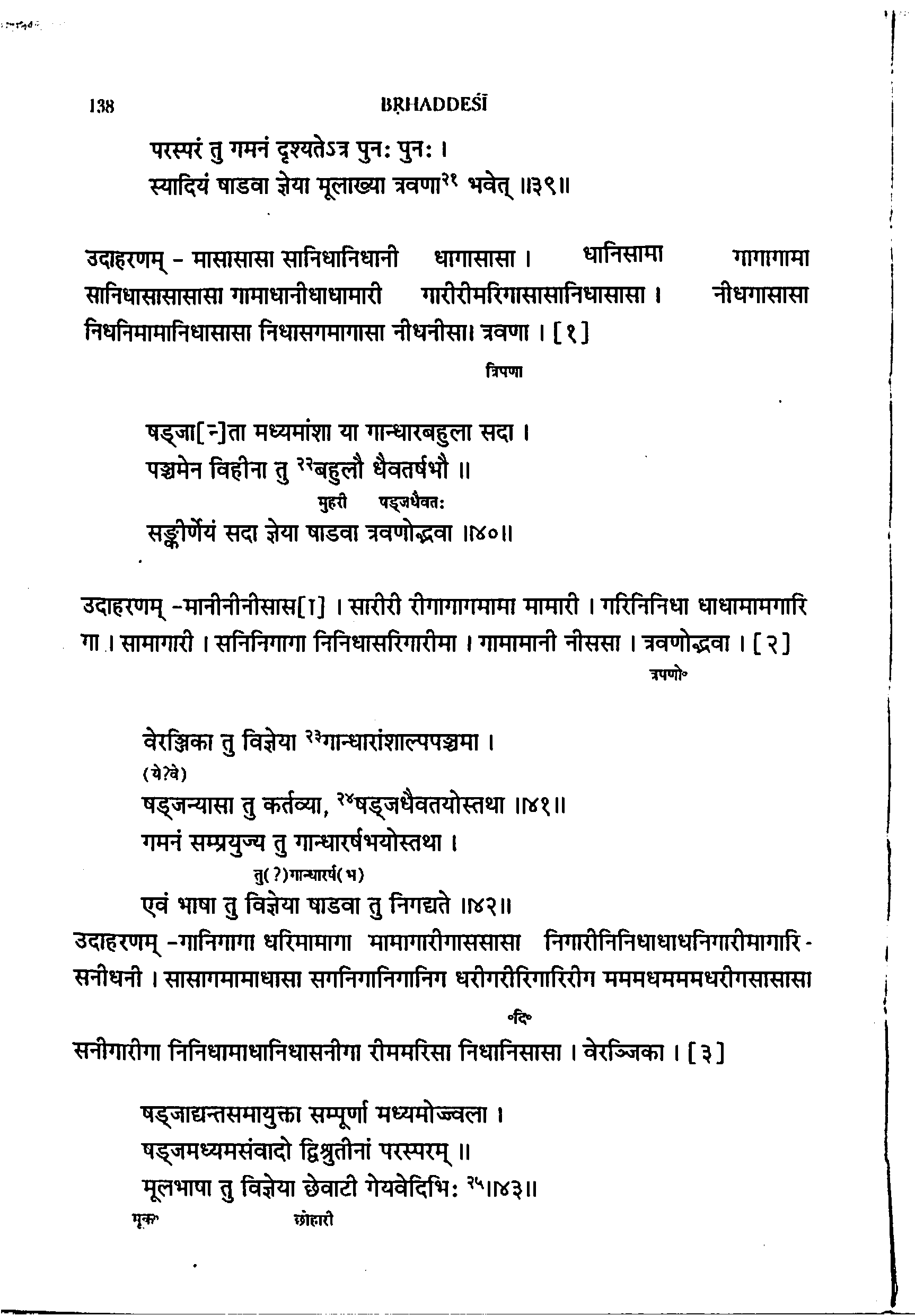
bhāṣā is a technical category in takkarāga with multiple distinct varieties
"एताश्च याष्टिकप्रोक्ता टक्करागस्य षोडश"
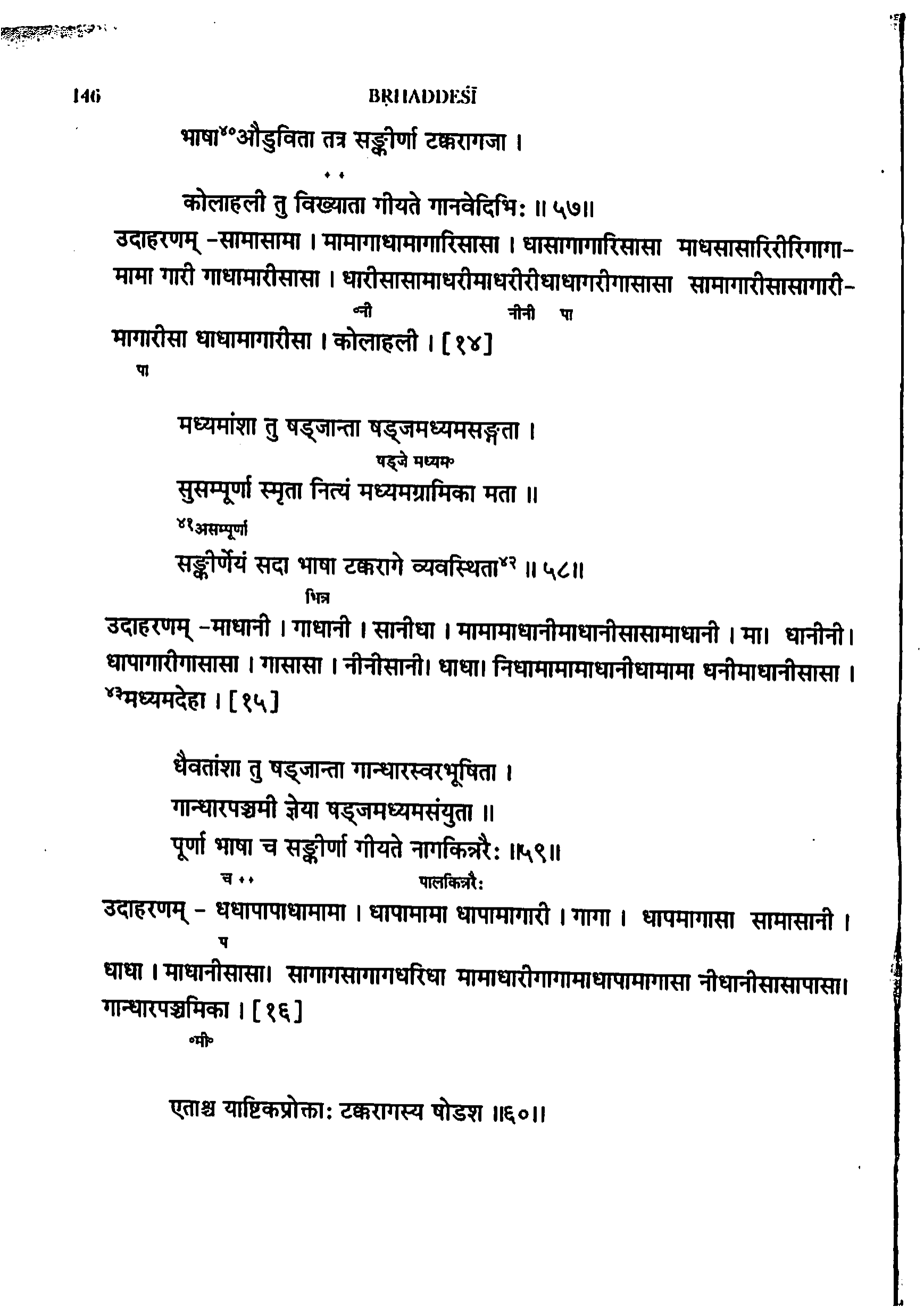
Bhāṣā varieties are distinguished by their amśa (characteristic note) and concluding note
"Having pañcama as the initial and concluding note vibhāvinī is born of a
region"