aṁśa svara_role
Grammar record (family: svara_role)
| count | sixty-three | p.vol_II_p014, conf 0.85 |
| constraint_type | negation of the omission of the samvādī | p.vol_II_p027, conf 0.90 |
| position_in_structure | determines structural constraints on the formation of modal variants | p.vol_II_p029, conf 0.80 |
| assigned_svara_in_gandhari | gāndhāra | p.vol_II_p105, conf 0.95 |
| related_svaras_in_gandhari | pancama | p.vol_II_p105, conf 0.90 |
| register_relationship | mandra begins with the svara immediately below the amsa | p.vol_II_p157, conf 0.90 |
Generative rules (11) ↗ filter all
R_36_amsa_definitiondefinition · 8 att.
Aṁśa is the predominant/primary svara of a rāga or bhāṣā, the beginning point of a phrase from which tāra ascent is measuredR_36_amsa_murchana_relationrelation · 8 att.
The predominant aṁśa among multiple aṁśas determines the mūrchanā of a jātiamsa_assignment_per_bhasaassignment · 4 att.
Each bhāṣā/rāga is characterised by an assigned aṁśa svara, distinct from its concluding note (nyāsa).R_4p0_012definition · 4 att.
aṁśa = svara essentiel definissant jāti; enumeration varie: madhyamā=5 (hors gāndhāra+niṣāda), ṣāḍjī=10 (1 śuddha+5 vikṛta+4 ṣāḍava), raktagāndhārī=5 (hors dhaiamsa_definition_vadi_principaldefinition · 2 att.
Aṁśa is the vādī, the principal note of a rāga/jāti, and regulates intervallic formation of melodic configuration.amsa_role_and_mandra_relationrelation · 2 att.
L'amśa est la forme par laquelle un lakṣaṇa particulier se manifeste; mandra commence avec le svara immédiatement en dessous de l'amśa.R_364_amsasstructural · 2 att.
In kaiśikī, svaras other than ṛṣabha function as aṁśas (structural tones) and exhibit mutual concert.amsa_mutual_reachingrelation · 1 att.
Within a jāti, the multiple aṁśas exhibit mutual reaching out (parasparagamana).amsa_predecessor_is_mandrarelation · 1 att.
The svara preceding the aṁśa is the mandra.amsa_samvadi_cannot_be_omittedstructural · 1 att.
The samvādī of an aṁśa cannot be omitted within a jāti.amsa_constraint_sadjamadhyama_sadavavalidation · 1 att.
Şadjamadhyamā is not allowed to be sextonic (six svaras) when niṣāda is the aṁśa.
Pseudocode (DSL v1.1) ↗ full DSL (raw text)
RULE id: aṁśa (cluster 3)
SCOPE: svara_role family
STATUS: canonical
CONFIDENCE: canonical
PROTECT: true

RECORD:
  count                      = sixty-three
  constraint_type            = negation of the omission of the samvādī
  position_in_structure      = determines structural constraints on the formation of modal variants
  assigned_svara_in_gandhari = gāndhāra
  related_svaras_in_gandhari = pancama
  register_relationship      = mandra begins with the svara immediately below the amsa
Essence pseudocode — identity + RECORD. The page citations for each slot value are in the Grammar record table above (audit trail). The full DSL adds ASSERTIONS with verbatim quotes (see Affirmations below) and CITED_RULES (see Graph relations).
Graph relations
Outgoing (59)
--[structural]--> svaras (5)--[structural]--> bhāṣā (4)--[definition]--> svaras (4)--[relation]--> svaras (3)--[structural]--> madhyama (3)--[structural]--> rāga (3)--[structural]--> vibhāṣā (2)--[definition]--> bhāṣā (2)--[relation]--> bhāṣā (2)--[structural]--> gāndhāra (2)--[relation]--> jāti (2)--[structural]--> jāti (2)--[structural]--> pañcama (2)--[structural]--> śrutis (2)--[structural]--> niṣāda (2)--[definition]--> dhaivata (2)--[structural]--> dhaivata (2)--[definition]--> ṛṣabha (2)--[structural]--> षड्ज (2)--[structural]--> madhyama as aṁśa (2)--[definition]--> madhyama (2)--[definition]--> rāga (2)--[relation]--> mūrchanā (1)--[relation]--> nyāsa (1)--[structural]--> nyāsa (1)--[relation]--> mandra (1)--[structural]--> mandra (1)--[structural]--> graha (1)--[definition]--> raktagāndhārī (1)--[definition]--> kaiśikī (1)--[definition]--> gāndhāra (1)--[definition]--> jāti (1)--[definition]--> pañcama (1)--[relation]--> lakṣaṇa (1)--[relation]--> Sañcāra (1)--[definition]--> saindhavī (1)--[structural]--> şadjamadhyamā (1)--[enumeration]--> ṣāḍjī (1)--[structural]--> ṣāḍjī (1)--[attribution]--> aniśa (1)--[structural]--> bhāvinī (1)--[structural]--> samvādī (1)--[definition]--> Ravicandrā (1)--[definition]--> niṣāda (1)--[relation]--> niṣāda (1)--[structural]--> gāndhārapañcamī (1)--[definition]--> Ambāherī (1)--[structural]--> potā (1)--[relation]--> dhaivata (1)--[definition]--> vādī (1)--[relation]--> amisa (1)--[definition]--> pañcamākhyā (1)--[structural]--> मध्यमांशा (1)--[structural]--> धैवतांशा (1)--[structural]--> madhurī (1)--[structural]--> माङ्गाली (1)--[structural]--> concert (1)--[structural]--> pañcama as aṁśa (1)--[attribution]--> rāga (1)
Incoming (102)
samvādī --[relation]--> (4)raktagāndhārī --[structural]--> (3)revagupta --[structural]--> (3)Māngālī --[structural]--> (3)nyāsa --[relation]--> (2)nyāsa --[structural]--> (2)Bharata --[attribution]--> (2)ṣāḍava --[definition]--> (2)ṣāḍava --[structural]--> (2)auduvita --[structural]--> (2)kaiśikī --[structural]--> (2)gāndhārī --[structural]--> (2)kakubha --[structural]--> (2)pañcamī --[structural]--> (2)dhaivatī --[enumeration]--> (2)mūlabhāṣā --[structural]--> (2)Gūrjarī --[structural]--> (2)saindhavī --[structural]--> (2)ṭakkarāga --[structural]--> (2)ṣāḍjī --[structural]--> (2)geya --[definition]--> (2)şadjodicyavā --[structural]--> (2)वेरञ्ज?िका --[structural]--> (2)Mālavesarī --[structural]--> (2)pañcamākhyā --[structural]--> (2)chevāțī --[structural]--> (2)vegavantī --[structural]--> (2)madhyama --[structural]--> (2)mūrchanā --[definition]--> (1)vibhāṣā --[structural]--> (1)apanyāsa --[structural]--> (1)mandra --[enumeration]--> (1)graha --[structural]--> (1)Kasyapa --[citation]--> (1)bhinnaṣaḍja --[structural]--> (1)gāndhārī --[relation]--> (1)gāndhāra --[relation]--> (1)gāndhāra --[structural]--> (1)sadjagrāma --[structural]--> (1)pañcamaṣāḍava --[structural]--> (1)tāra --[definition]--> (1)tāra --[structural]--> (1)lakṣaṇa --[enumeration]--> (1)lakṣaṇa --[structural]--> (1)bhinnatāna --[structural]--> (1)bhinnapañcama --[structural]--> (1)gāndhārodīcyavā --[structural]--> (1)nandayantī --[relation]--> (1)nandayantī --[structural]--> (1)dhaivatī --[structural]--> (1)grāma-rāgas --[relation]--> (1)gāndhārapañcama --[structural]--> (1)ṣāḍjī --[definition]--> (1)samnyāsa --[definition]--> (1)aniśa --[structural]--> (1)गान्धारी --[structural]--> (1)vādin --[enumeration]--> (1)भाषा --[structural]--> (1)vikṛtā --[structural]--> (1)samvādī --[structural]--> (1)niṣādavatī --[structural]--> (1)sādhāritā --[structural]--> (1)Sauvīrī --[structural]--> (1)Ravicandrā --[structural]--> (1)Pārvatī --[structural]--> (1)षड्जग्रामे --[relation]--> (1)Jāti-bhinna --[structural]--> (1)गान्धारोदीच्यवा --[structural]--> (1)vivādī --[relation]--> (1)bahuvrihi --[structural]--> (1)आन्ध्री --[structural]--> (1)bhinnakaiśika --[structural]--> (1)potā --[definition]--> (1)Ardhavesarī --[structural]--> (1)ābhīrī --[structural]--> (1)prathamamañjarī --[structural]--> (1)graha, aṁśa, nyāsa --[relation]--> (1)vādī --[structural]--> (1)Ārşabhī --[enumeration]--> (1)Ārşabhī --[structural]--> (1)गौडपञ्चमः --[structural]--> (1)गौडकैशिकः --[structural]--> (1)gaudakaiśika rāga --[structural]--> (1)gaudakaiśikamadhyama --[structural]--> (1)Mālavakaisika --[structural]--> (1)narta-rāga --[definition]--> (1)narta-rāga --[structural]--> (1)śaka --[structural]--> (1)Takkasaindhava --[structural]--> (1)त्रवणोद्भवा --[structural]--> (1)Saurāstrī --[relation]--> (1)Saurāstrī --[structural]--> (1)vesarikā --[structural]--> (1)धैवतांशा --[structural]--> (1)शुद्धभित्रका --[structural]--> (1)Viśālā --[structural]--> (1)Bottaraga --[structural]--> (1)śakabhāṣā --[structural]--> (1)Trāvaṇī --[structural]--> (1)kausalī --[structural]--> (1)Kārņāţī --[structural]--> (1)tāramandra-prasanna --[definition]--> (1)
Affirmations (37)
Aṁśa has predominance because it is the progenitor of rāga and pervasive in nature
"Because of its being the progenitor 11
of raga (delight or colour) and
because of its being pervasive, the predominance of anisa alone (is accepted)."
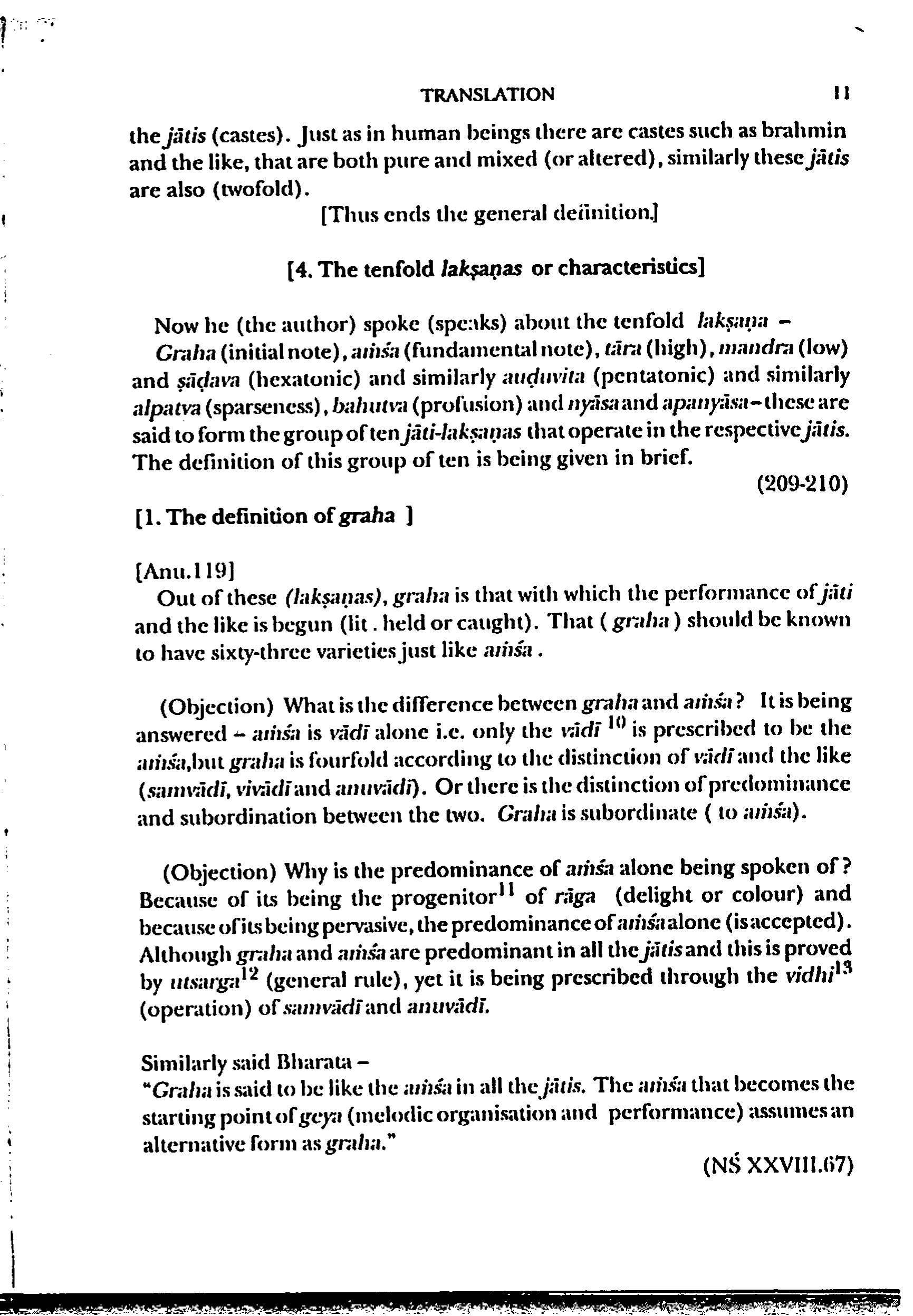
Aṁśa is the vādī alone, the principal note in a rāga
"aṁśa is vādī alone i.e. only the vādī"
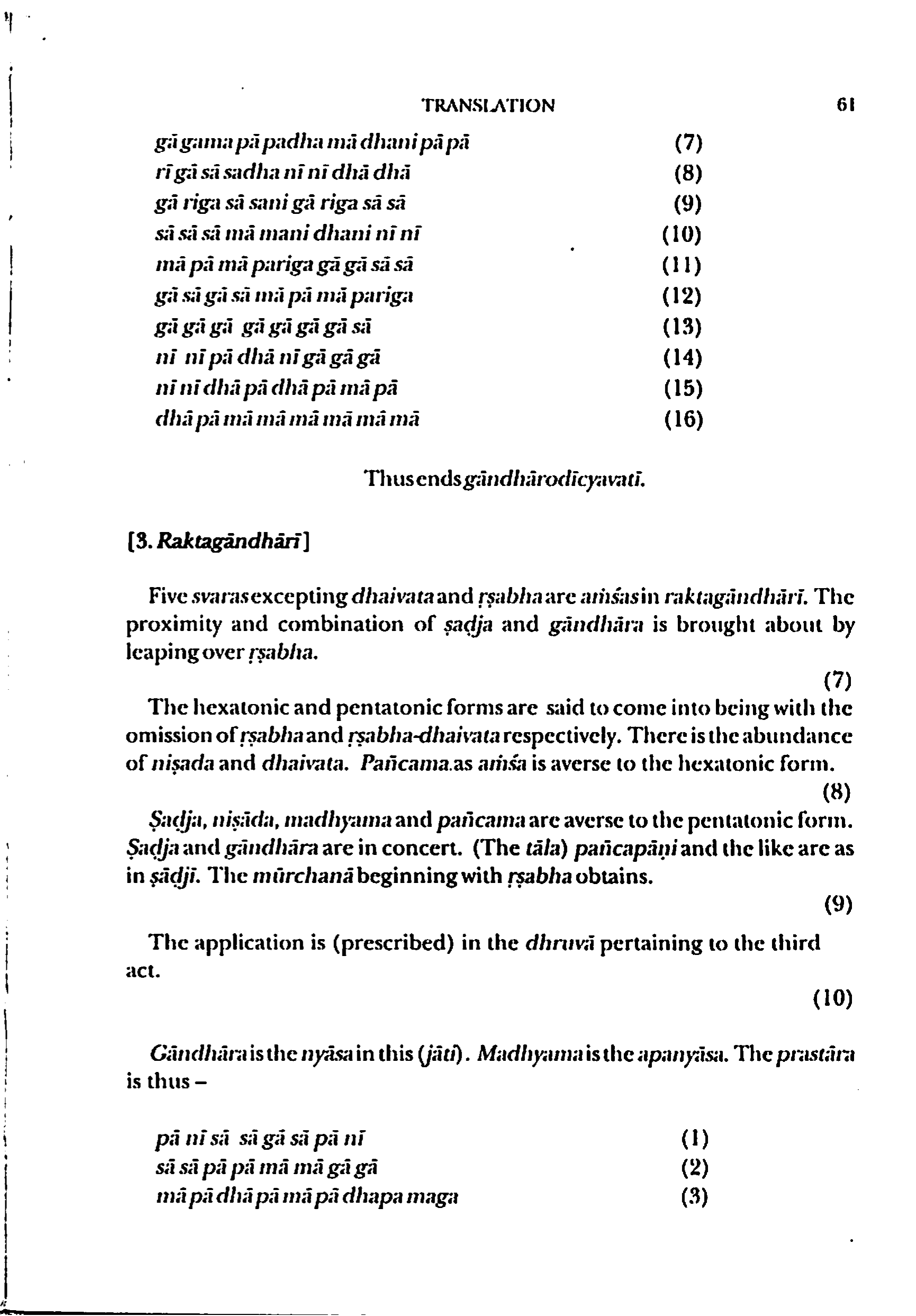
Amśas are essential svaras that define a jāti, with five svaras serving as amśas in raktagāndhārī
"Five svaras excepting dhaivata and ṛṣabha are amśas in raktagāndhārī."
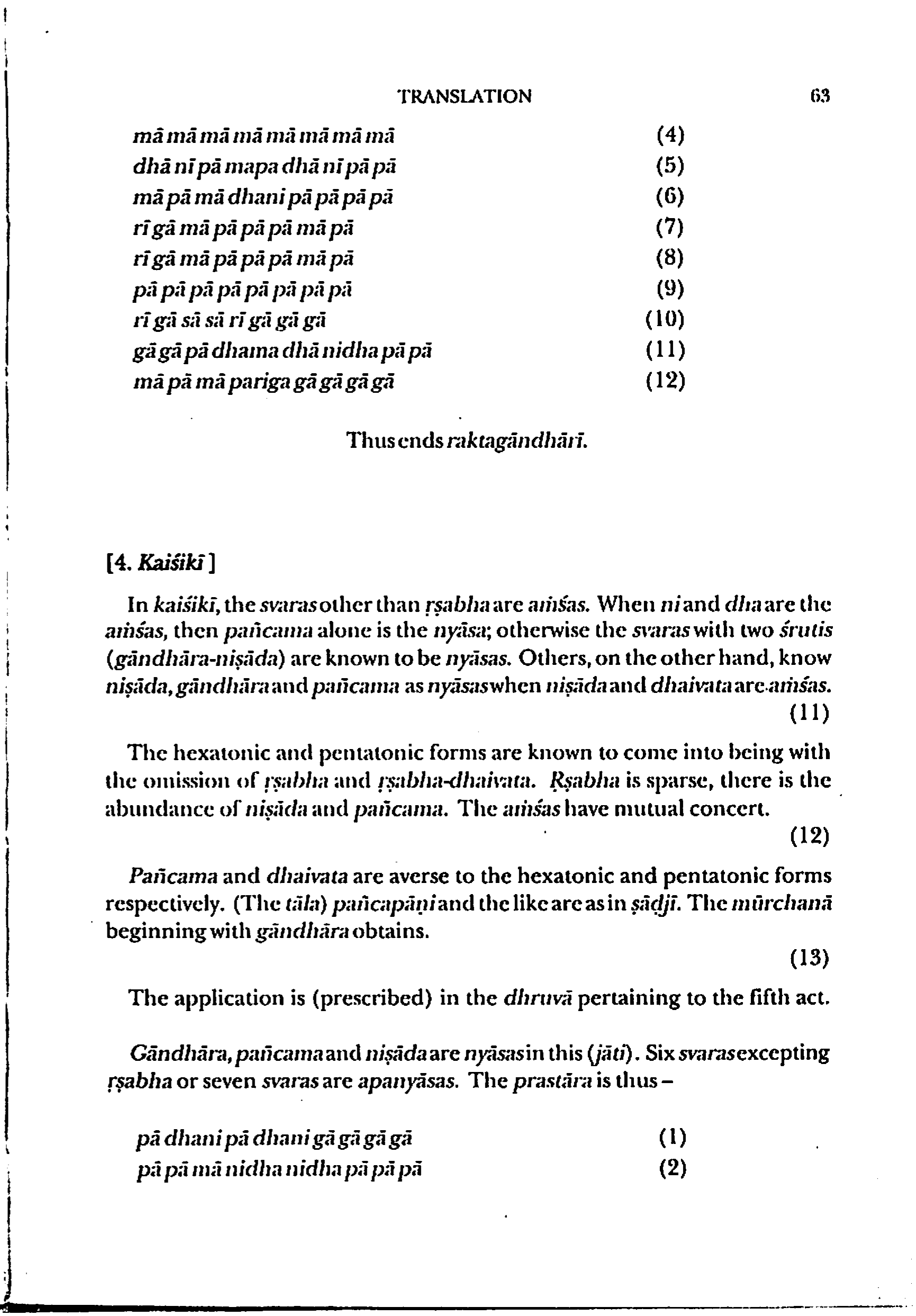
In kaiśikī, svaras other than ṛṣabha function as aṁśas (structural tones)
"In kaiśikī, the svaras other than ṛṣabha are aṁśas."
Aṁśa is a characteristic note that identifies specific bhāṣās (regional styles), as seen in saindhavī (madhyama), pañcamākhyā (pañcama), and ravicandrikā (gāndhāra)
"This saindhavī has madhyama as its aṁśa, ṣaḍja as its concluding note"
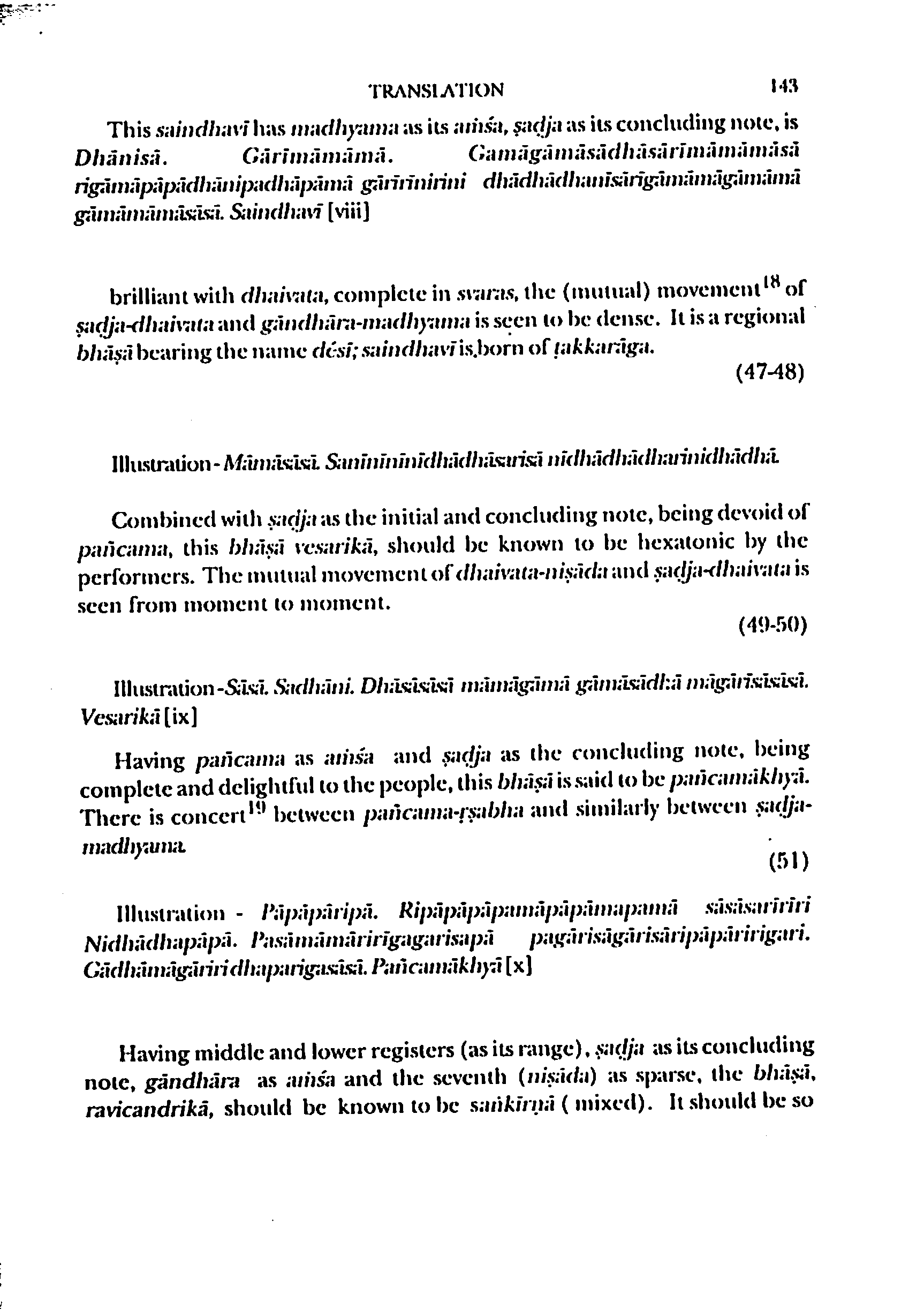
Aṁśa refers to a characteristic svara that defines a bhāṣā
"Ambāherī is said to have madhyama as its aṁśa, ṣaḍja as its concluding note"
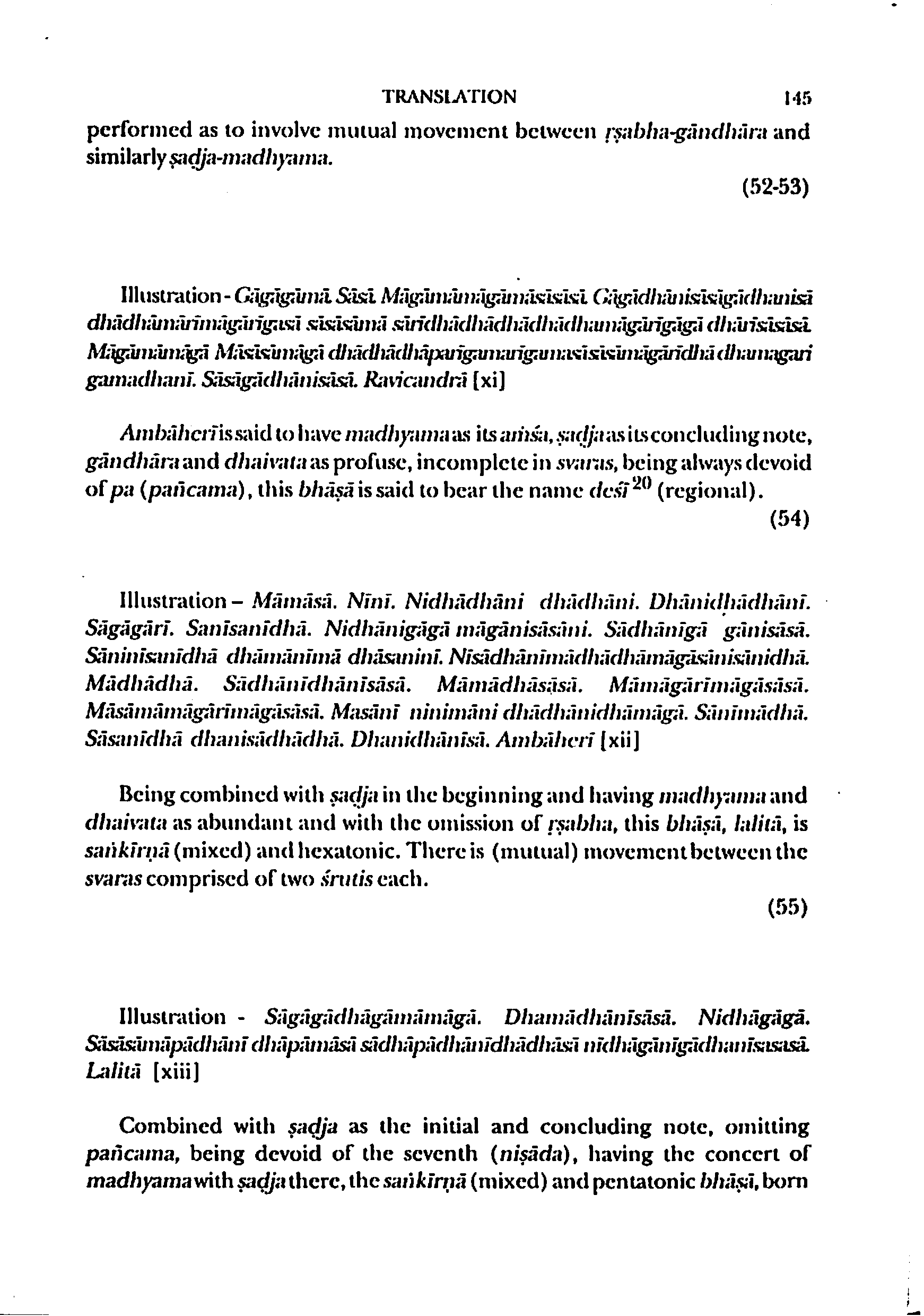
amsa is a structural element that functions as a primary note characteristic of a rāga or rāga type
"Having niṣāda as amsa (and ) dhaivata as the concluding note"
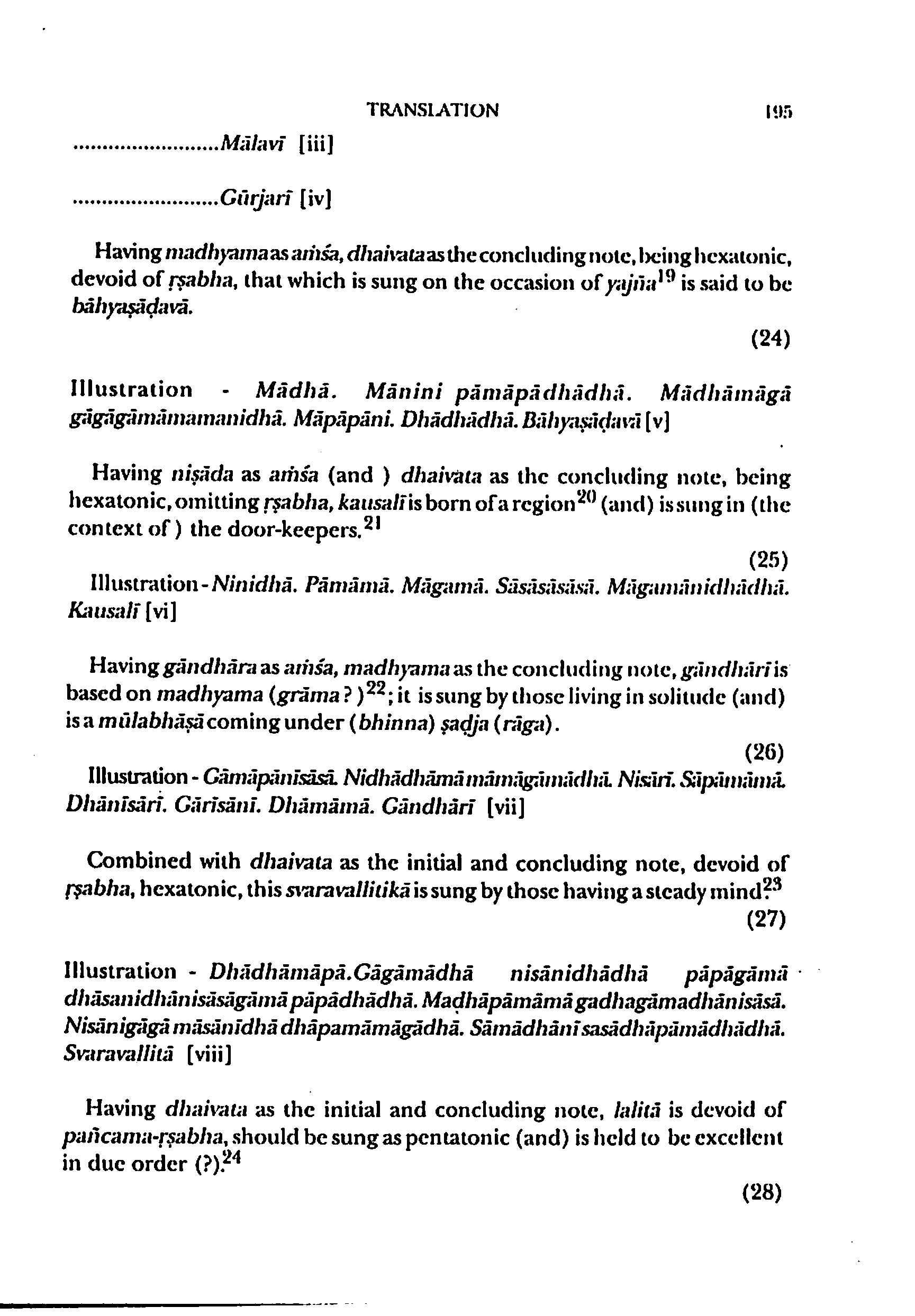
aṁśa is the regulator of intervallic formation in melodic configuration
"aṁśa is the regulator of
intervallic formation in a melodic configuration"
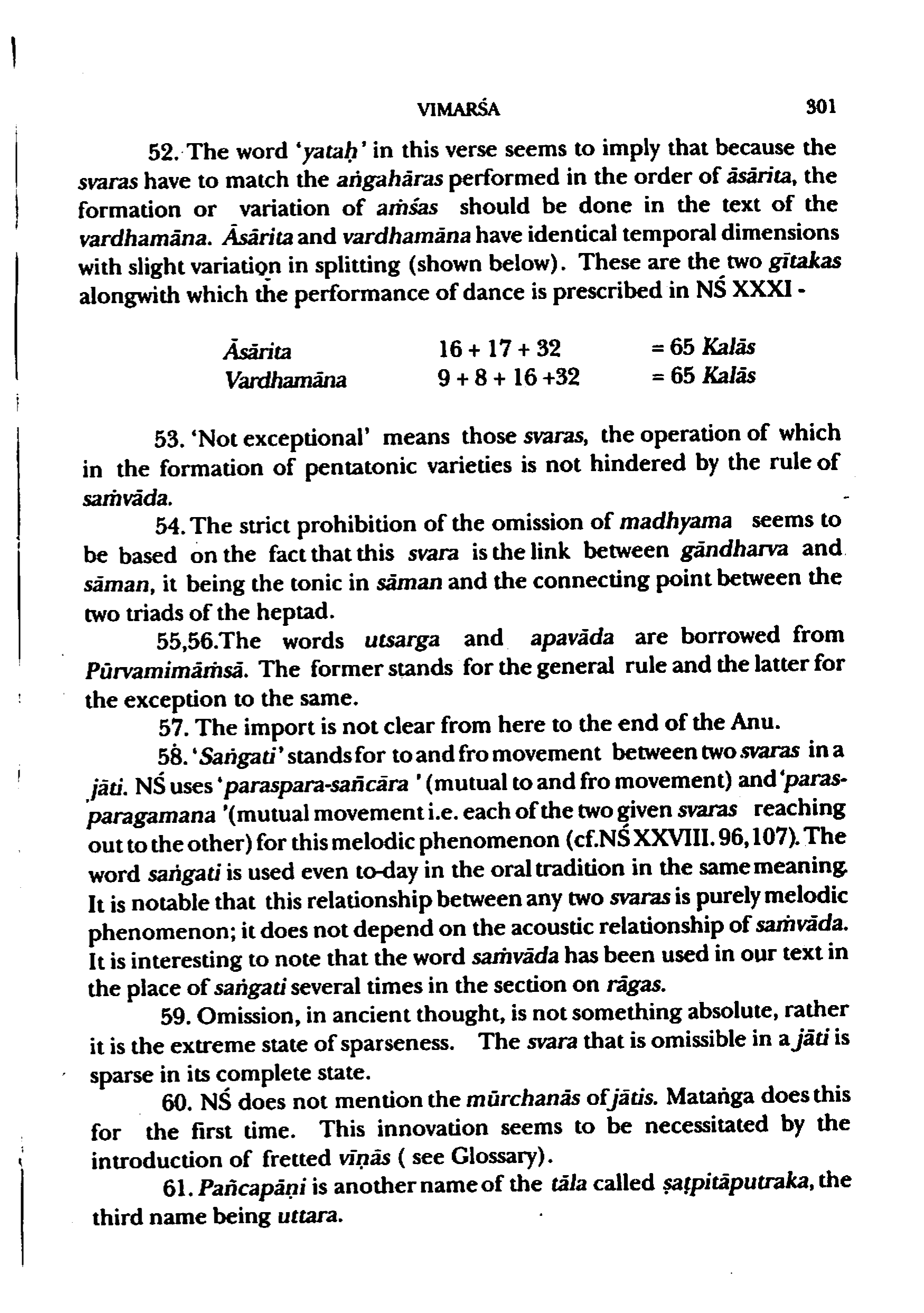
Amsa is the beginning point of a given phrase from which ascent to higher svaras is measured
"from the amsa47 (beginning
point of a given phrase)"
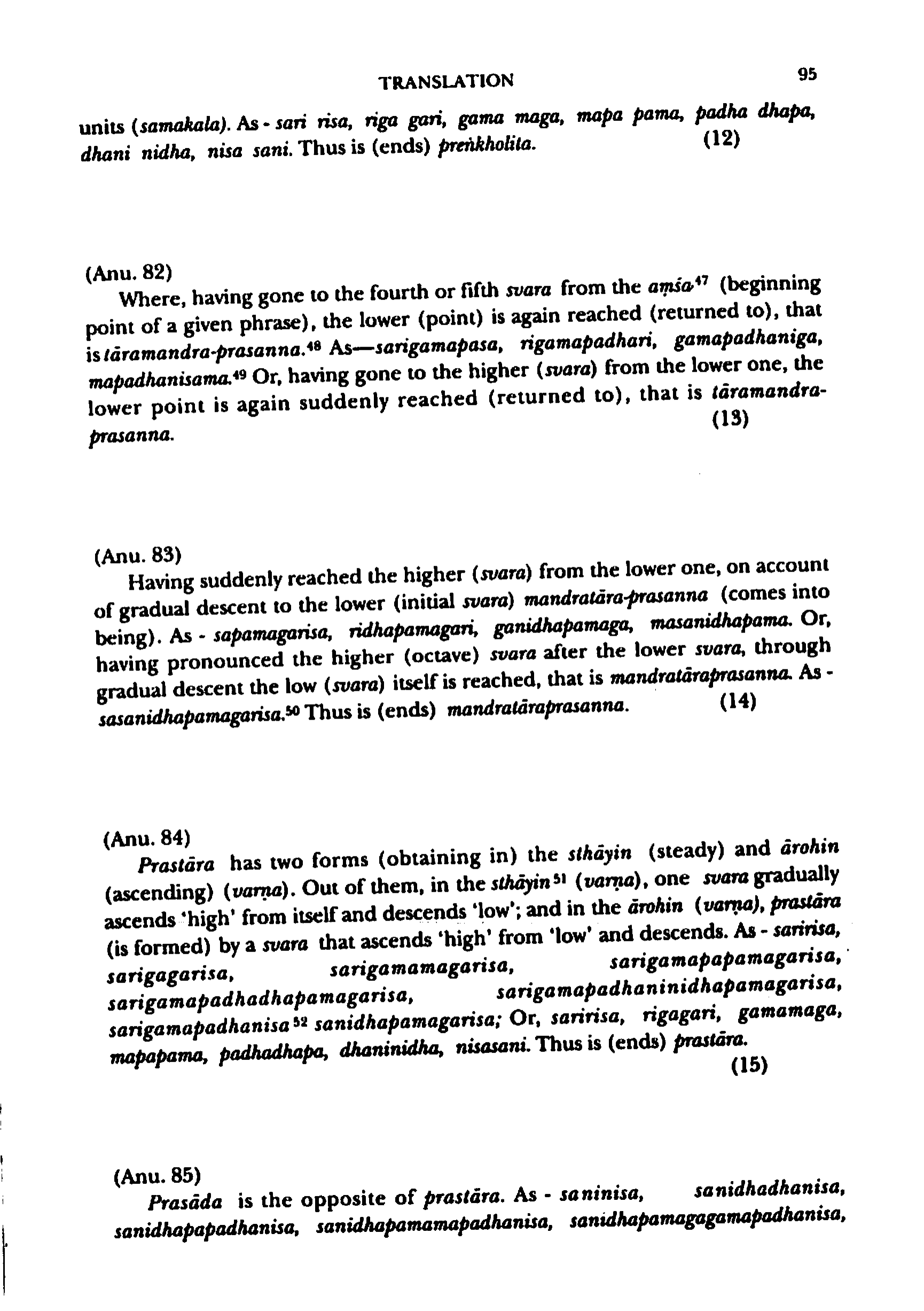
The amśas of ṣāḍjī comprise one suddha, five vikṛtas in complete state, and four ṣāḍavas
"That is thus - one suddha, five vikṛtas in the complete
state and four ṣāḍavas"
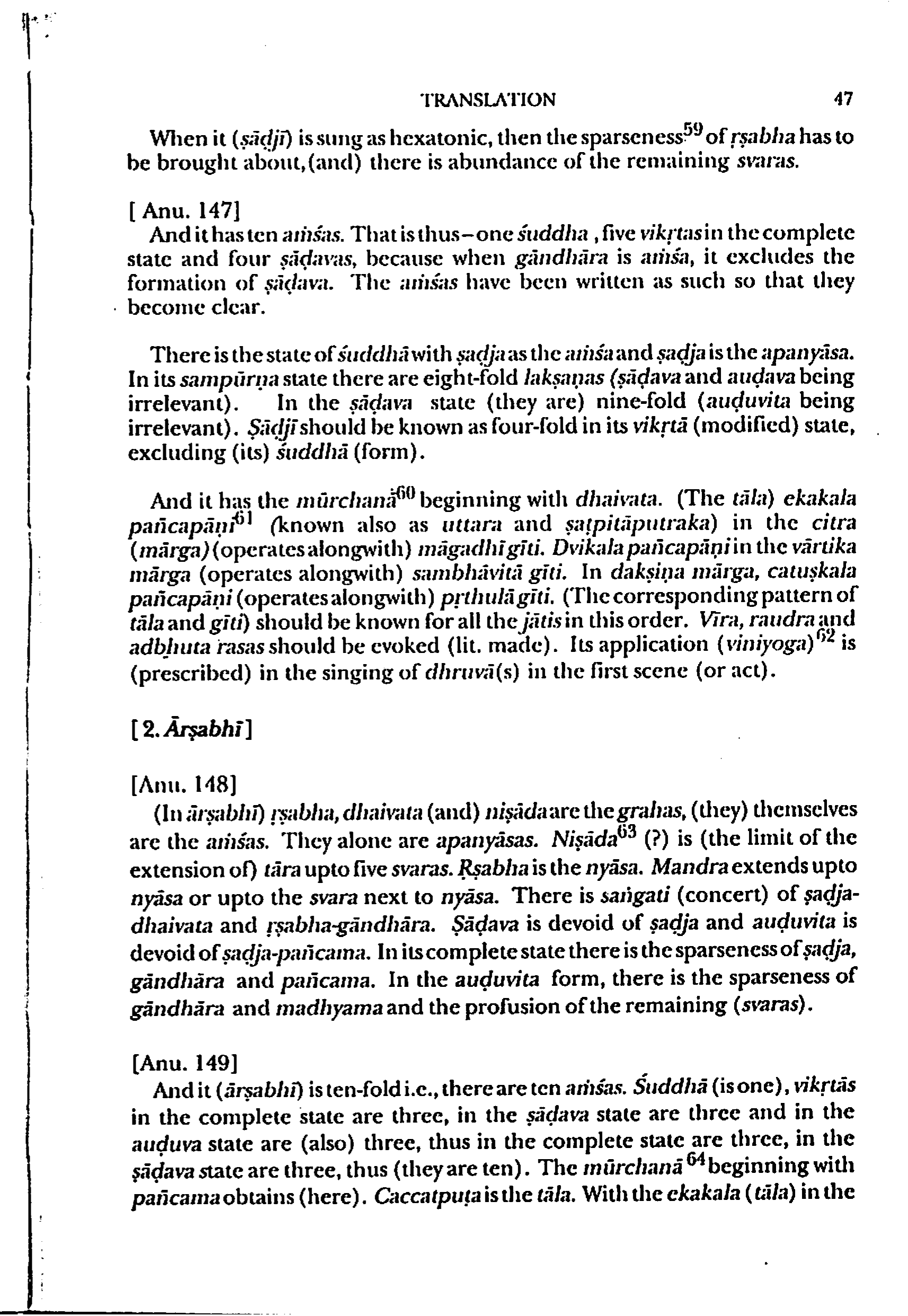
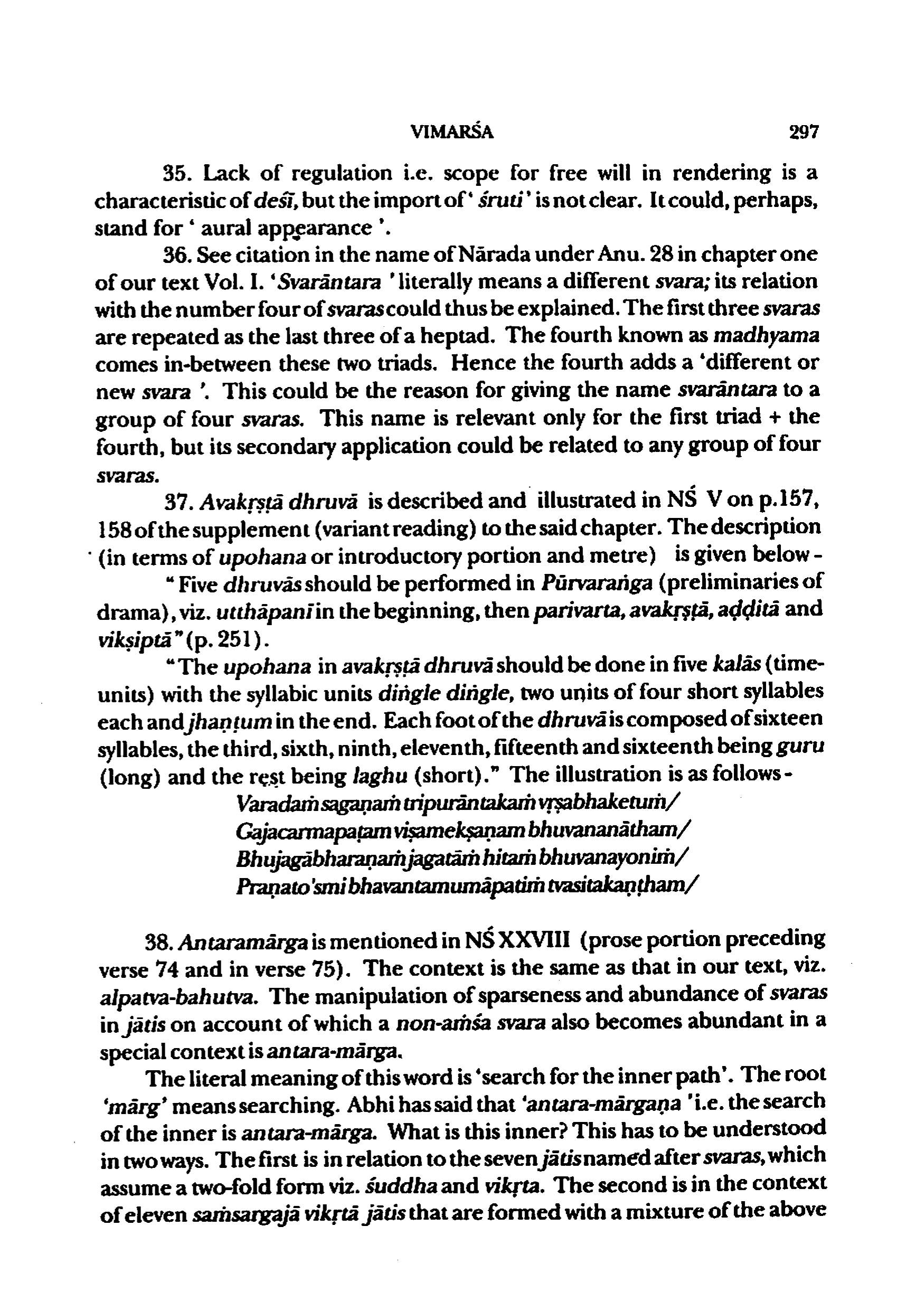
The svara that comes before aṁśa is mandra
"The svara that
comes before that (aṁśa), is mandra."
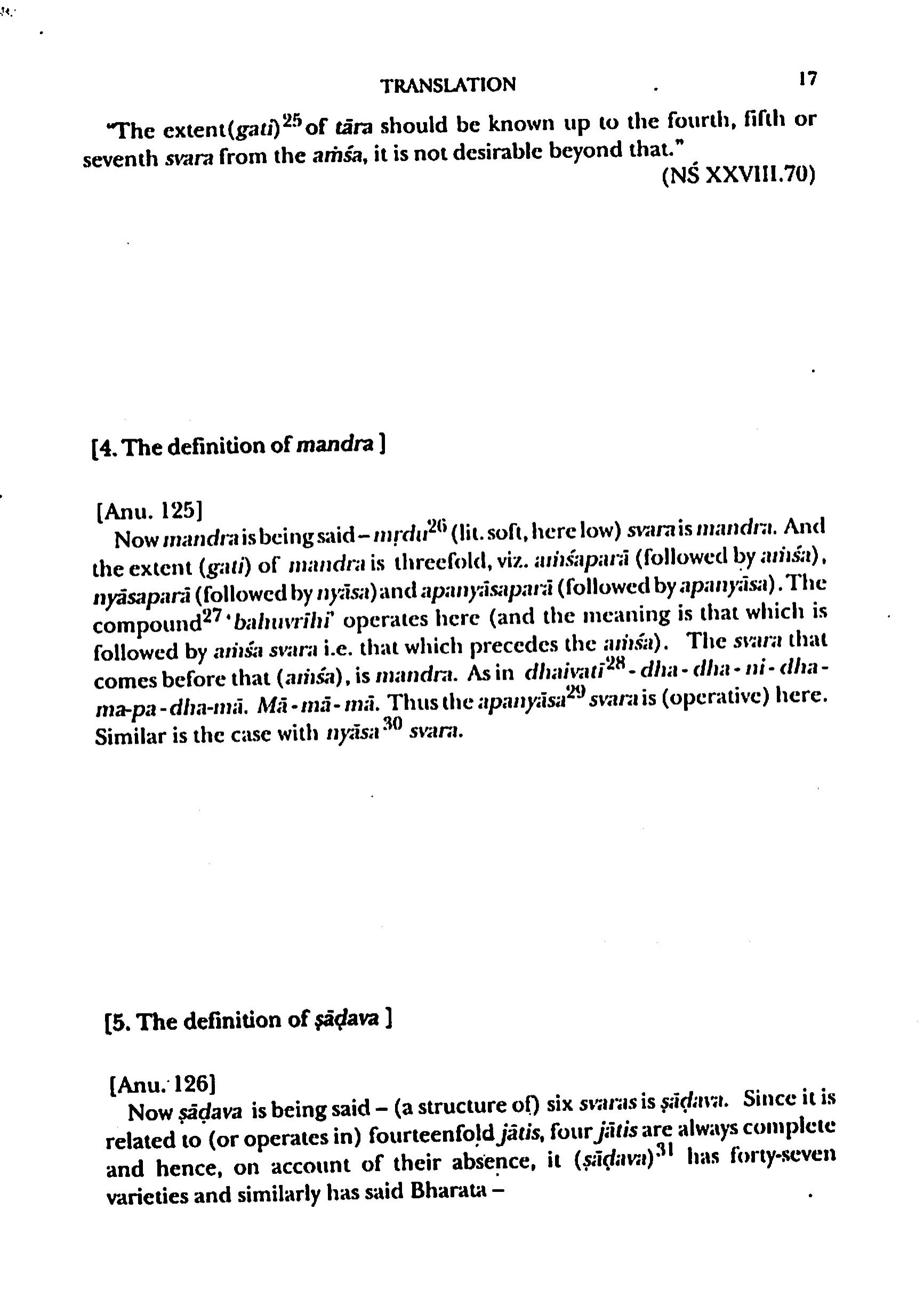
Sañcāra (to and fro movement) occurs among the amsas and strong svaras
"सञ्चारोंऽशबलस्थानामल्पत्वं"
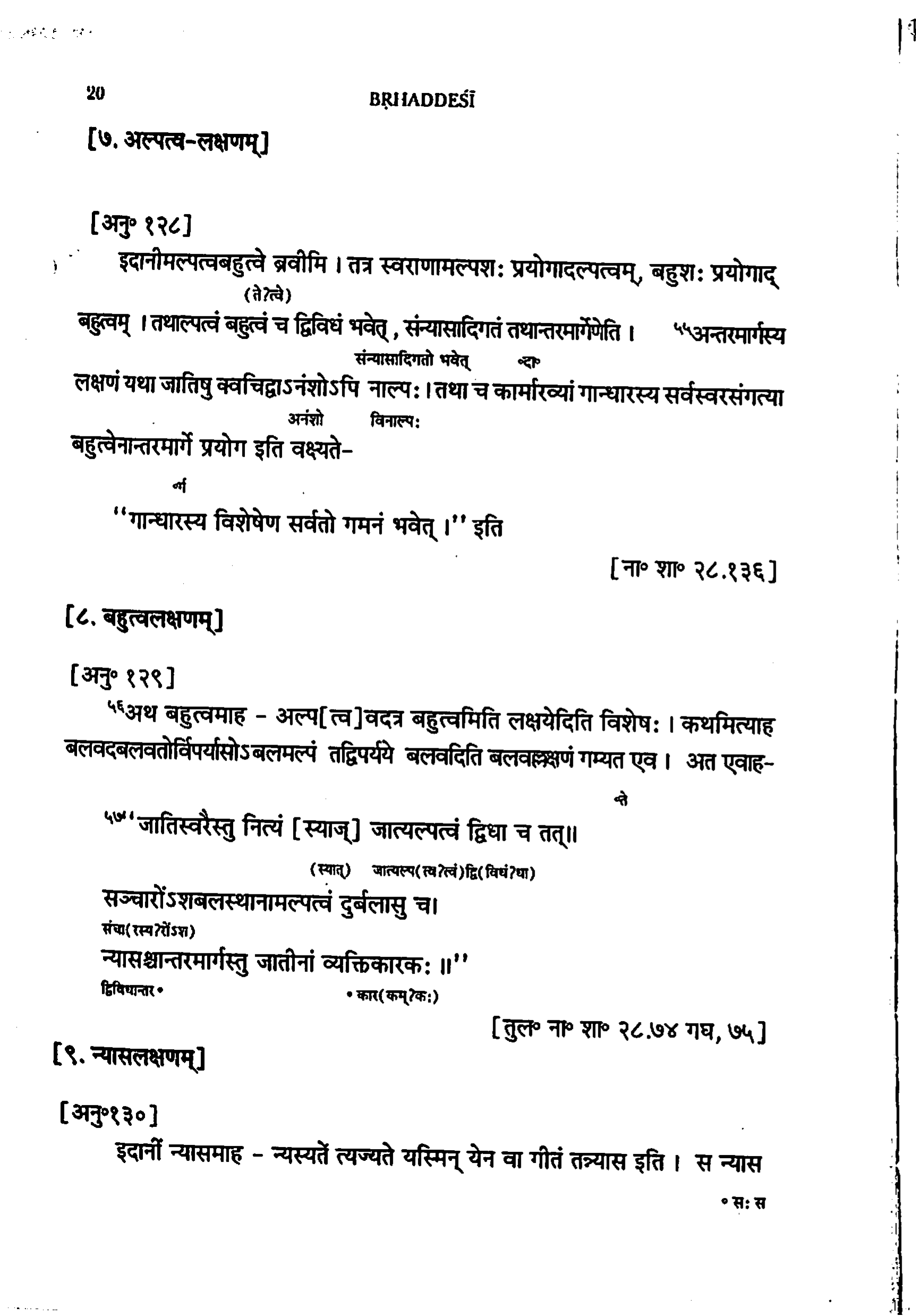
Amśa is a form through which particular lakṣaṇa manifests
"and the special is (in the form of) amisa and the
like."
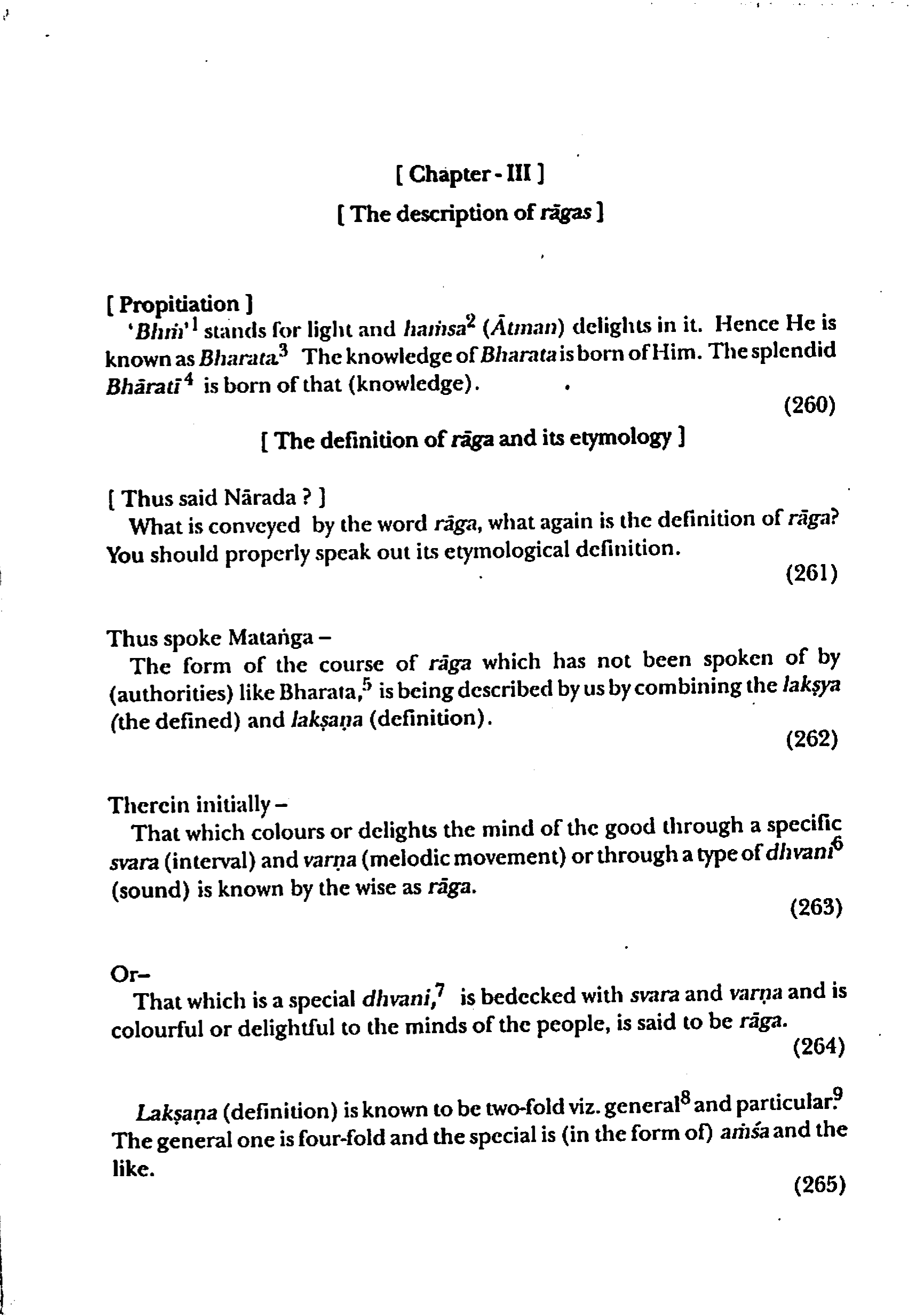
amsa is a predominant structural feature of bhāṣā melodies
"niṣāda as its amsa"
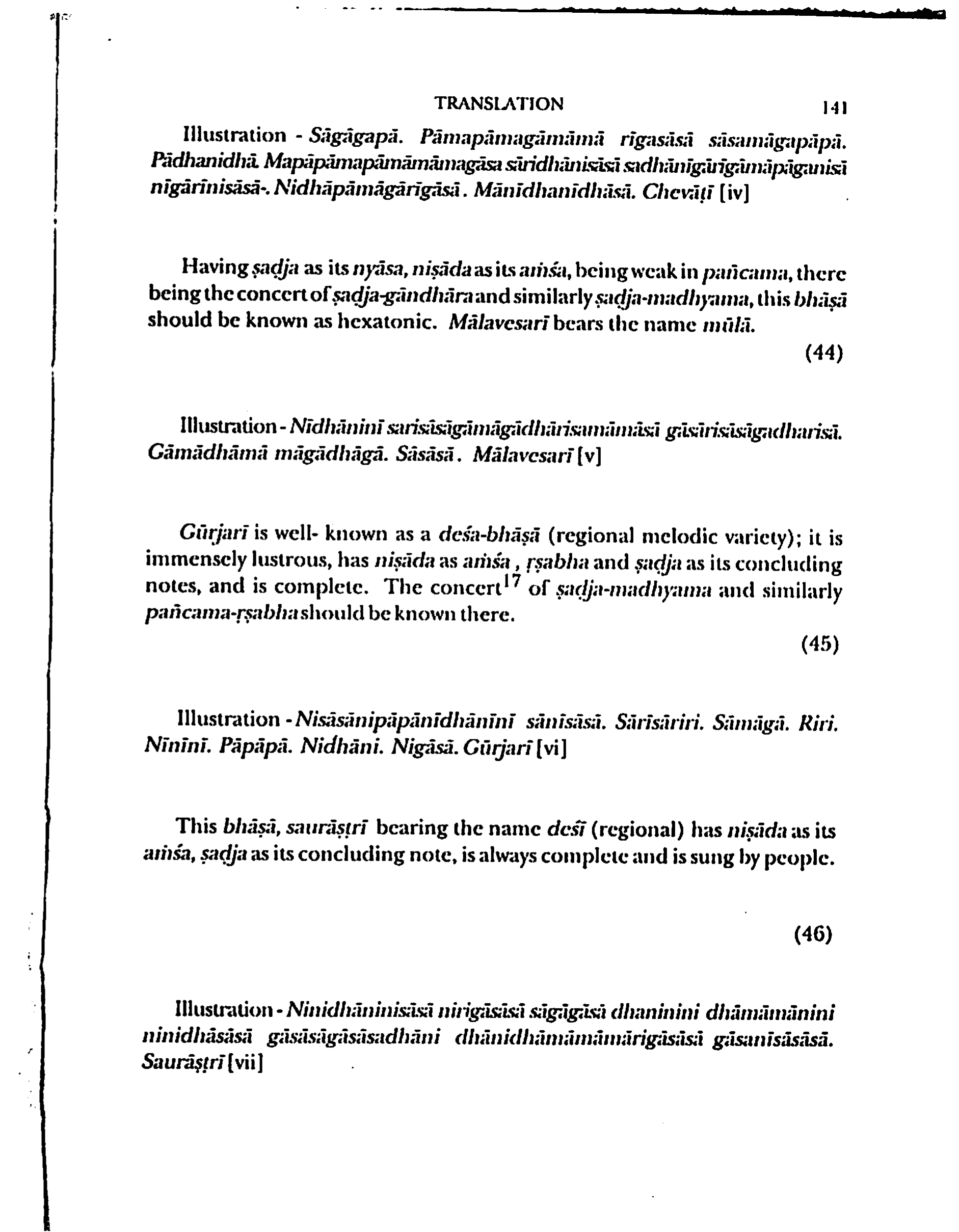
Pañcama is the aṁśa (characteristic note) of Khañjanî
"Khañjanî has pañcama as aṁśa"
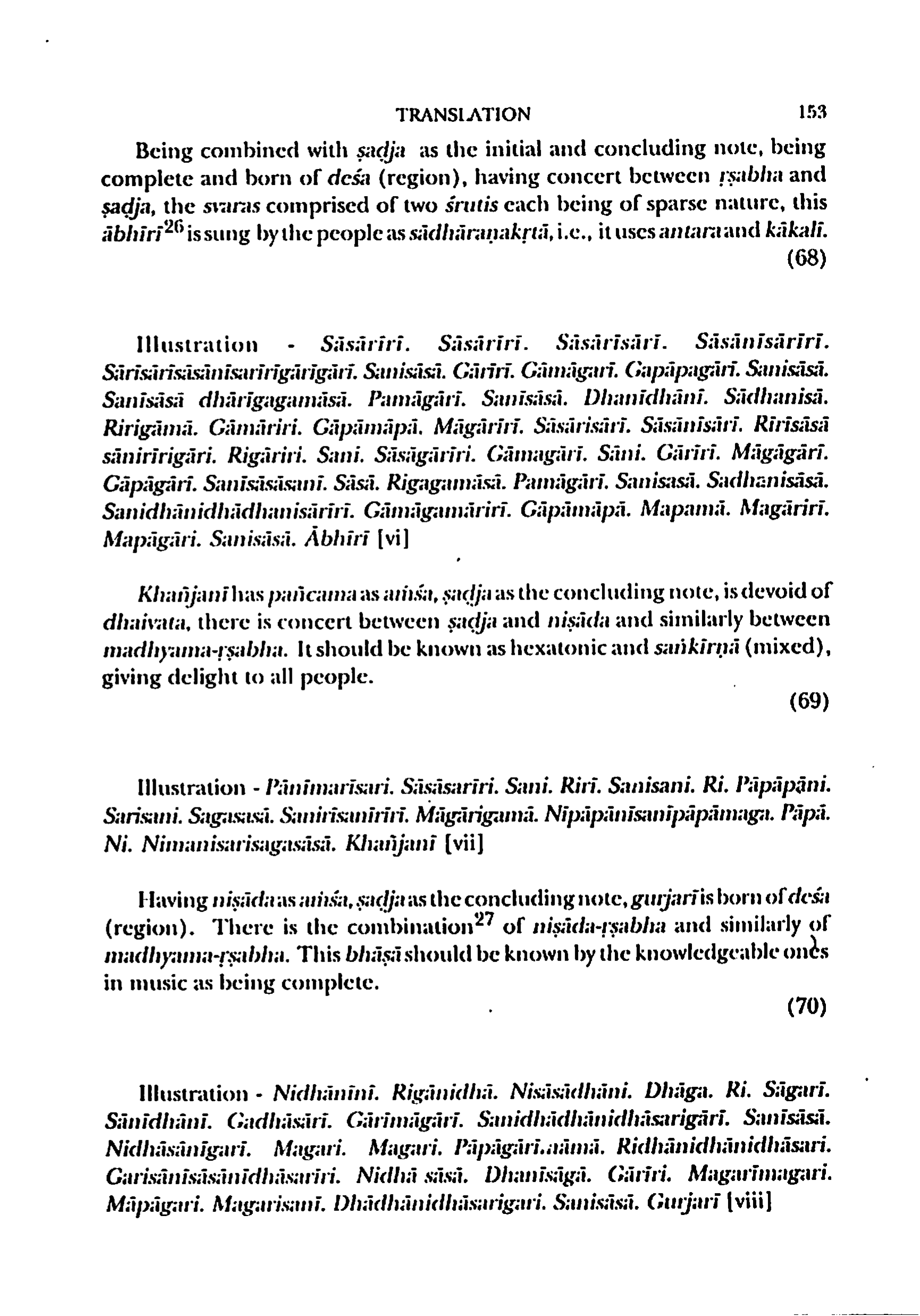
Niṣāda is the aṁśa (characteristic note) of Gurjarī
"Having niṣāda as aṁśa, ṣaḍja as the concluding note, gurjarī is born of deśa"
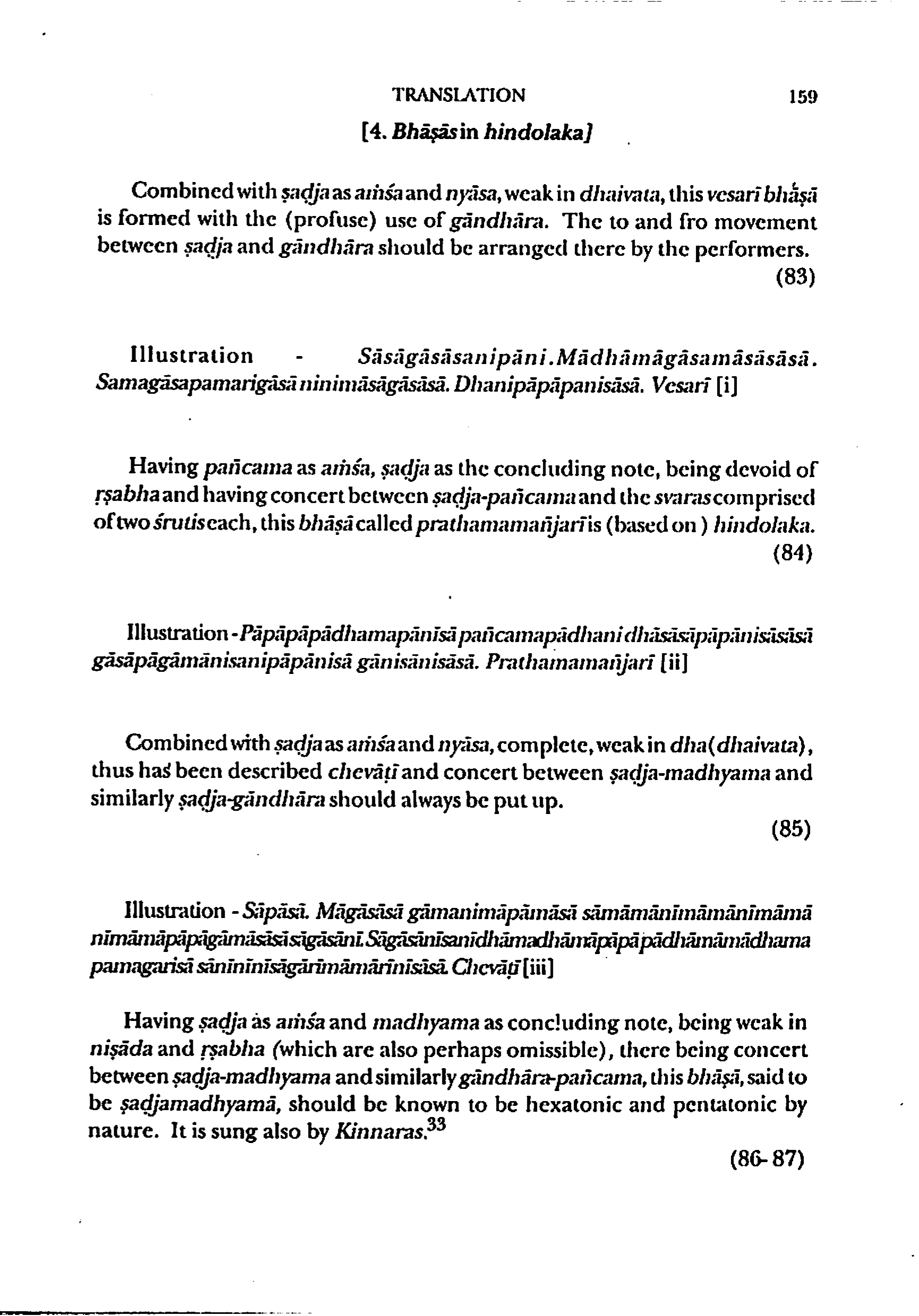
aṁśa is a structural feature of bhāṣās that can be combined with nyāsa in their construction
"Combined with ṣaḍja as aṁśa and nyāsa, weak in dhaivata"
The predominant amsa among multiple amsas determines the mūrchanā of a jāti
"the amsa that is predominant among
amsas (in the case of jātis with more than one amsa) determines the mūrchanā
of a jāti."
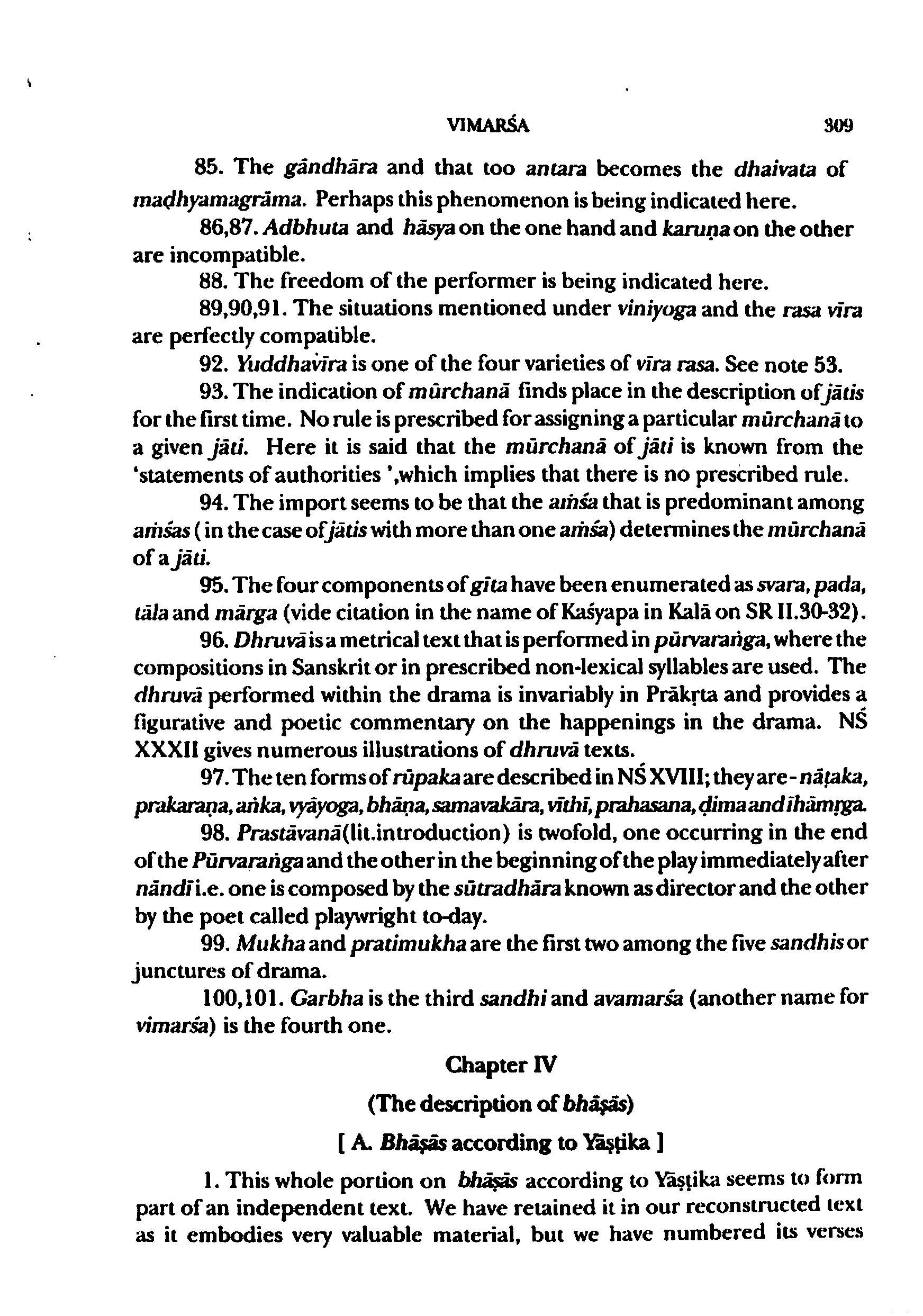
Being ujjvala (brilliant) with a svara could mean that the svara concerned becomes the amsa
"Being ujjvala or brilliant with a svara could, perhaps, mean that
the svara concerned becomes the amsa."
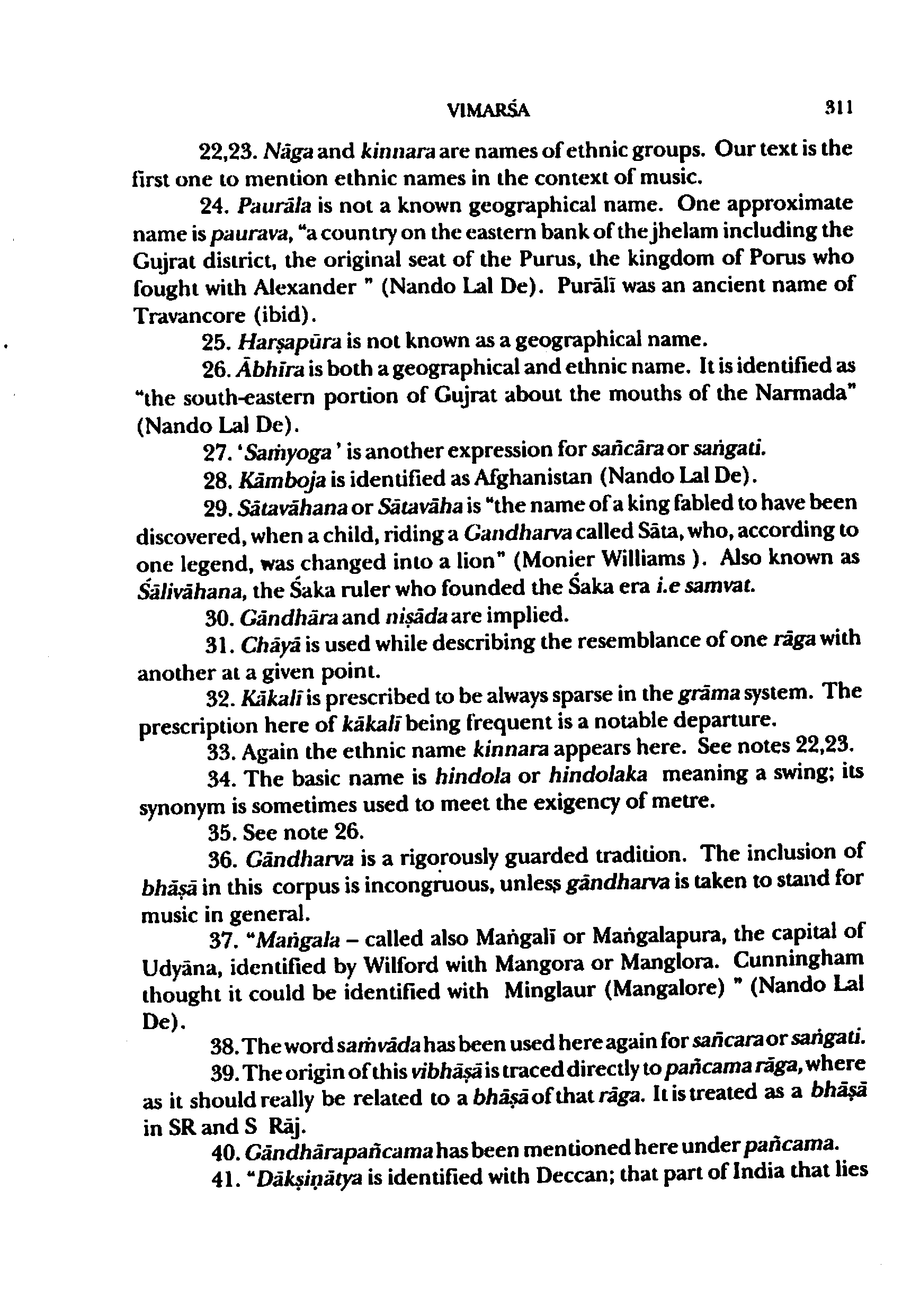
In madhyamā, there are five amśas, excluding gāndhāra and niṣāda which are two-śruti svaras
"In madhyamā there are five amśas, excepting the two svaras composed of
two śrutis each (viz. gāndhāra-niṣāda)."
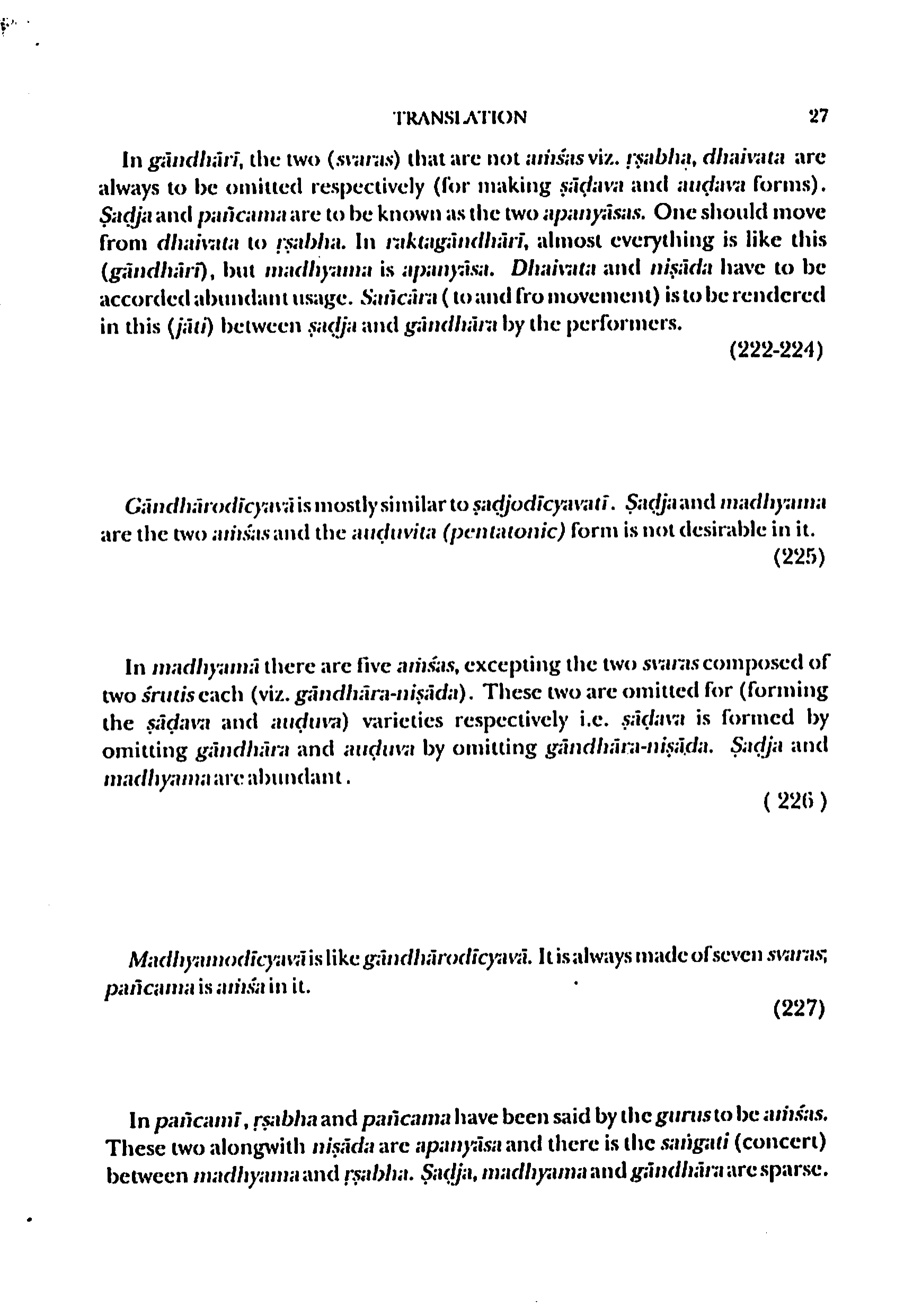
In gāndhārapañcamī, pañcama functions as the aṁśa (characteristic note)
"ज्ञेयो गान्धारपञ्चम्या पञ्चमोऽशः प्रयोक्तभि"
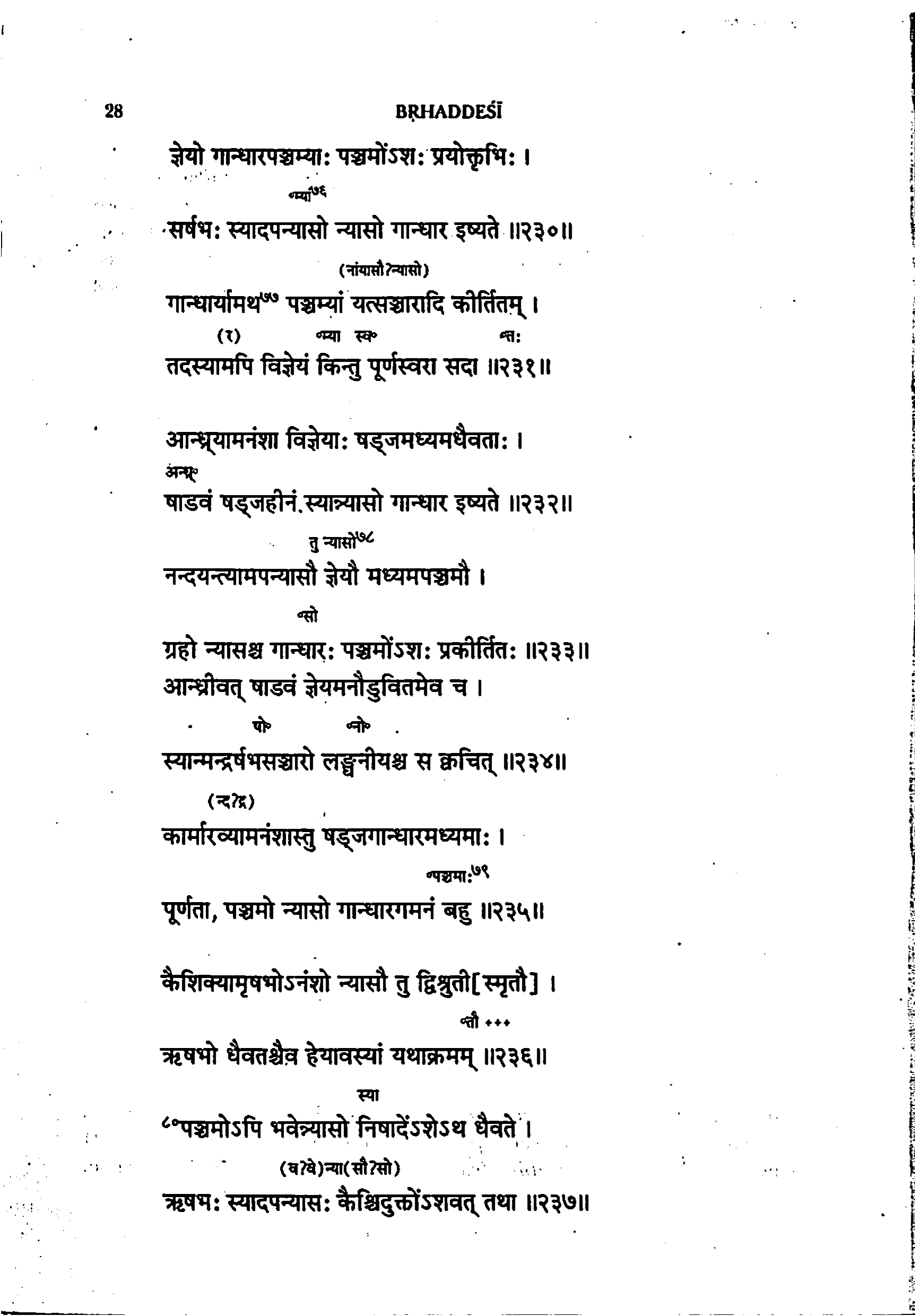
The aṁśa is a designated note in a jāti whose samvādī cannot be omitted
"because of the negation of the omission of the samvādī of the aṁśa"
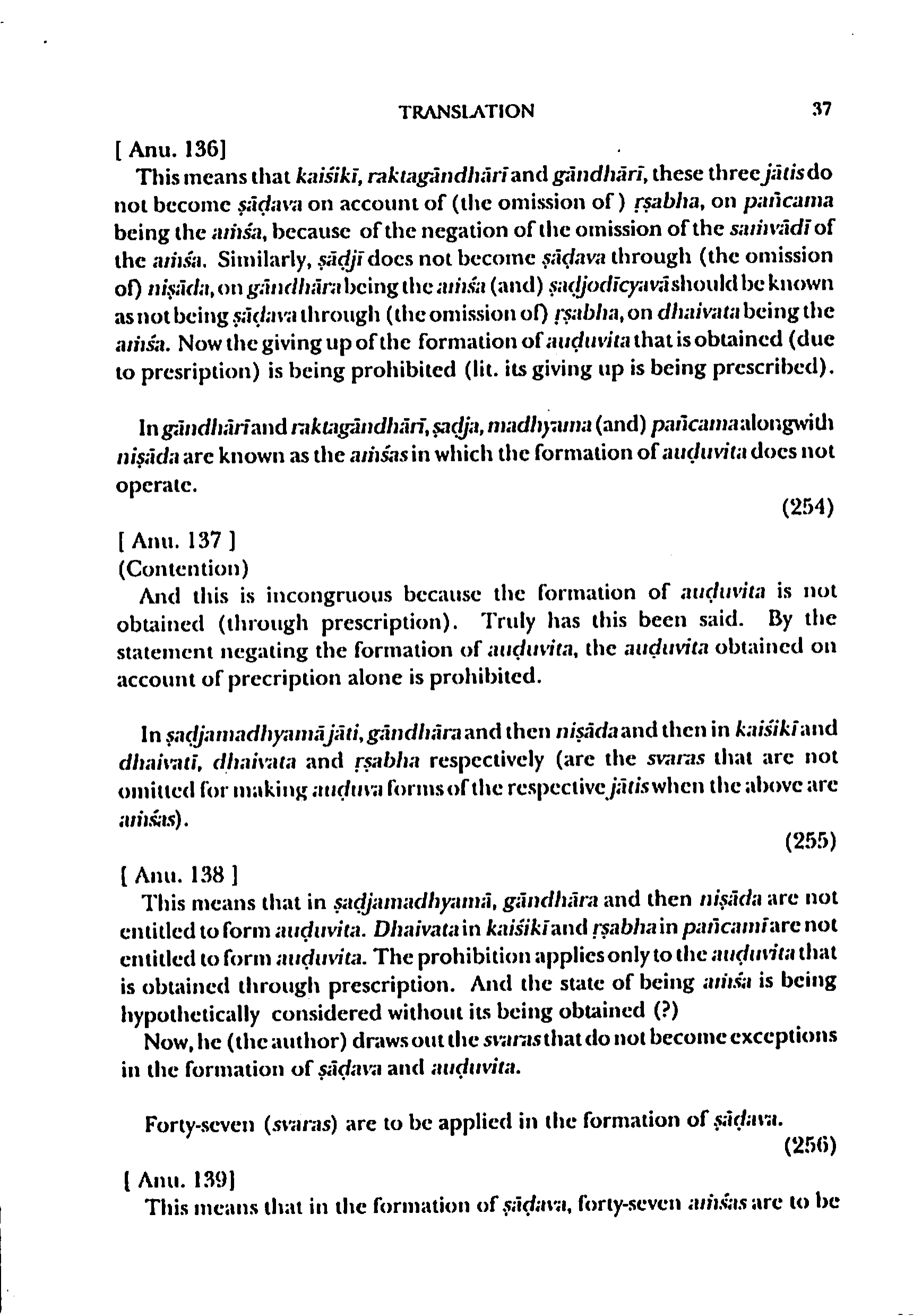
The aṁśa (predominant note) determines structural constraints on the formation of modal variants
"Şadjamadhyamā is not desired to be with six svaras when the seventh (niṣāda) is the aṁśa"
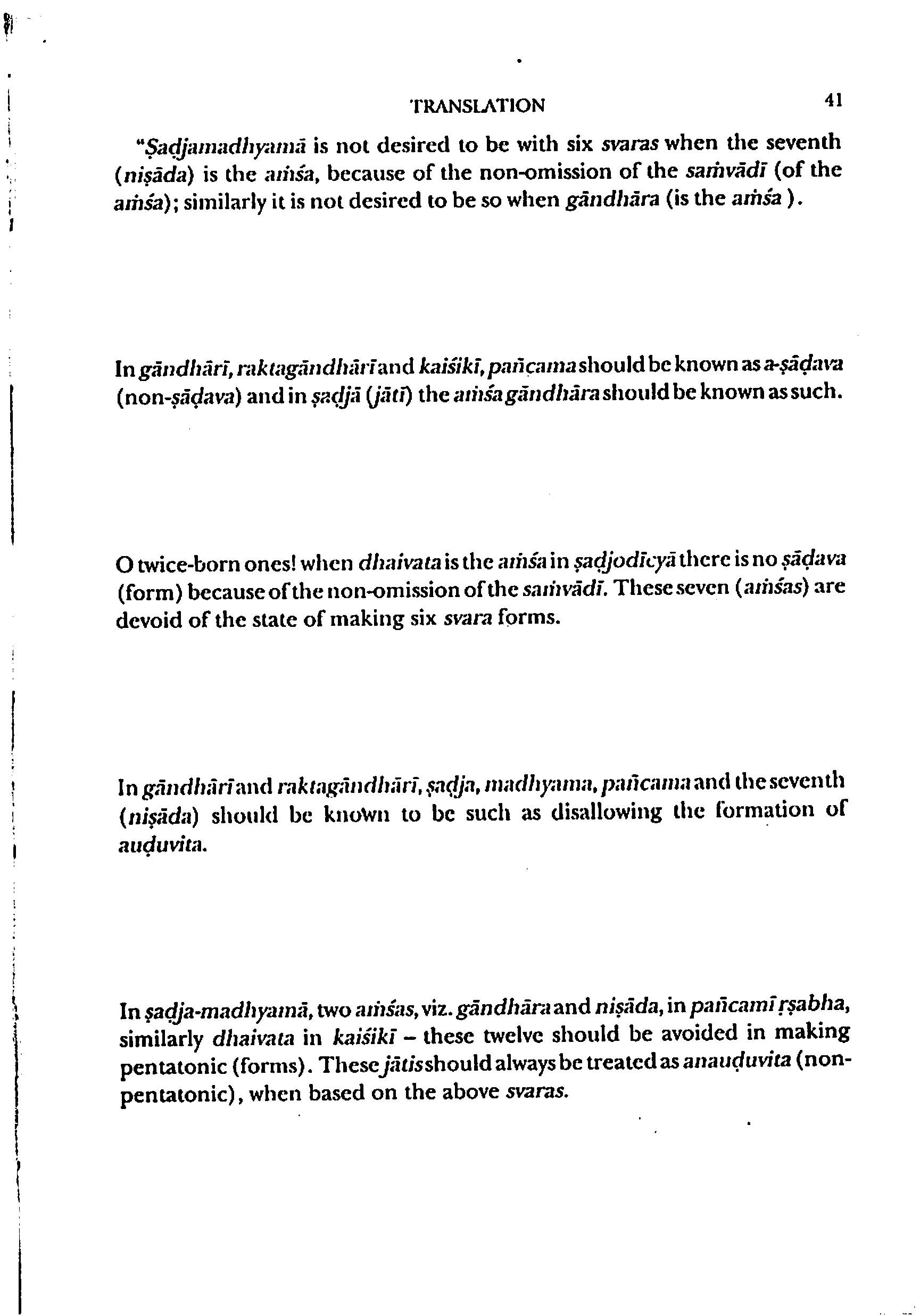
Ṣāḍjī has ten amśas in total
"And it has ten amsas."
There is mutual reaching out among the amsas
"अंशाना परस्परगमनम्"
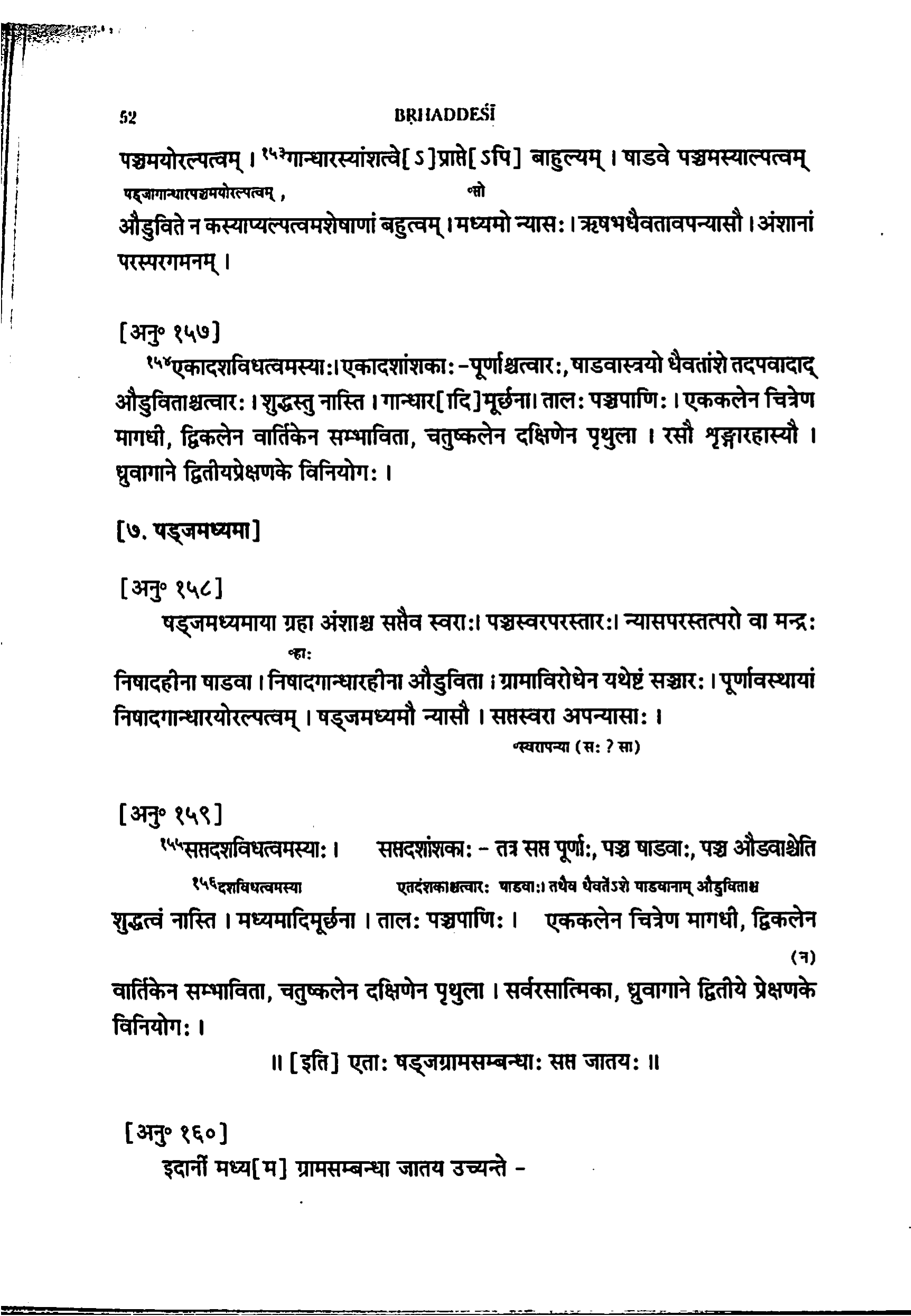
The aṁśas in a jāti have mutual concert or coordination with one another
"The amsas have mutual concert."
amsa is a structural property of rāga varieties, functioning as a characteristic note
"pañcamāṁśā tu ṣaḍjānta potā"
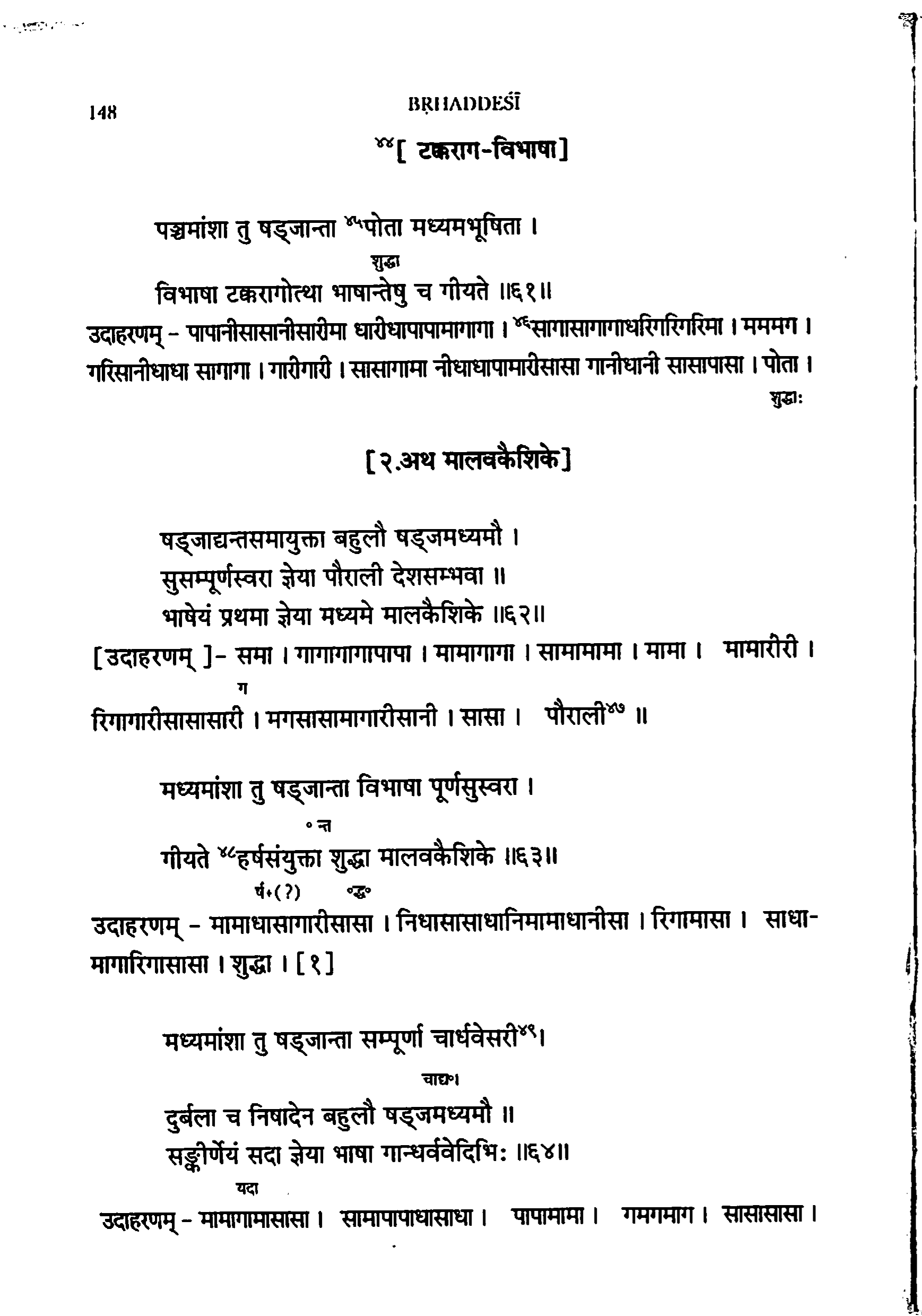
aṁśa is a structural component of bhāṣā classification, exemplified in madhurī (madhyama) and bhāvinī (gāndhāra)
"मध्यमांशा तु षड्ज?ान्ता"
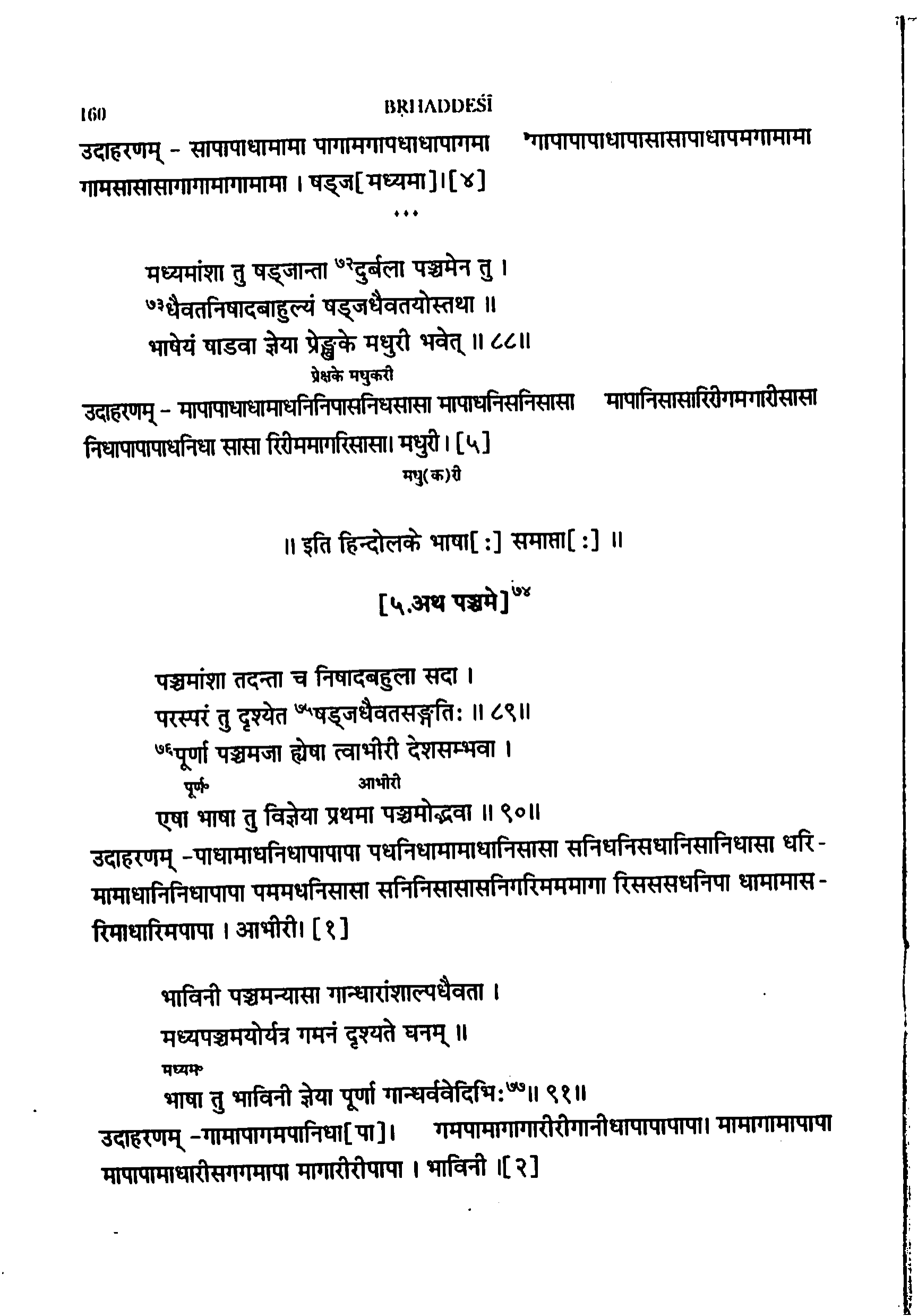
aṁśa is a structural element of rāgas and vibhāṣās, distinct from concluding note
"माङ्गाली पञ्चमान्ता च धैवतांशा प्रकीर्तिता"
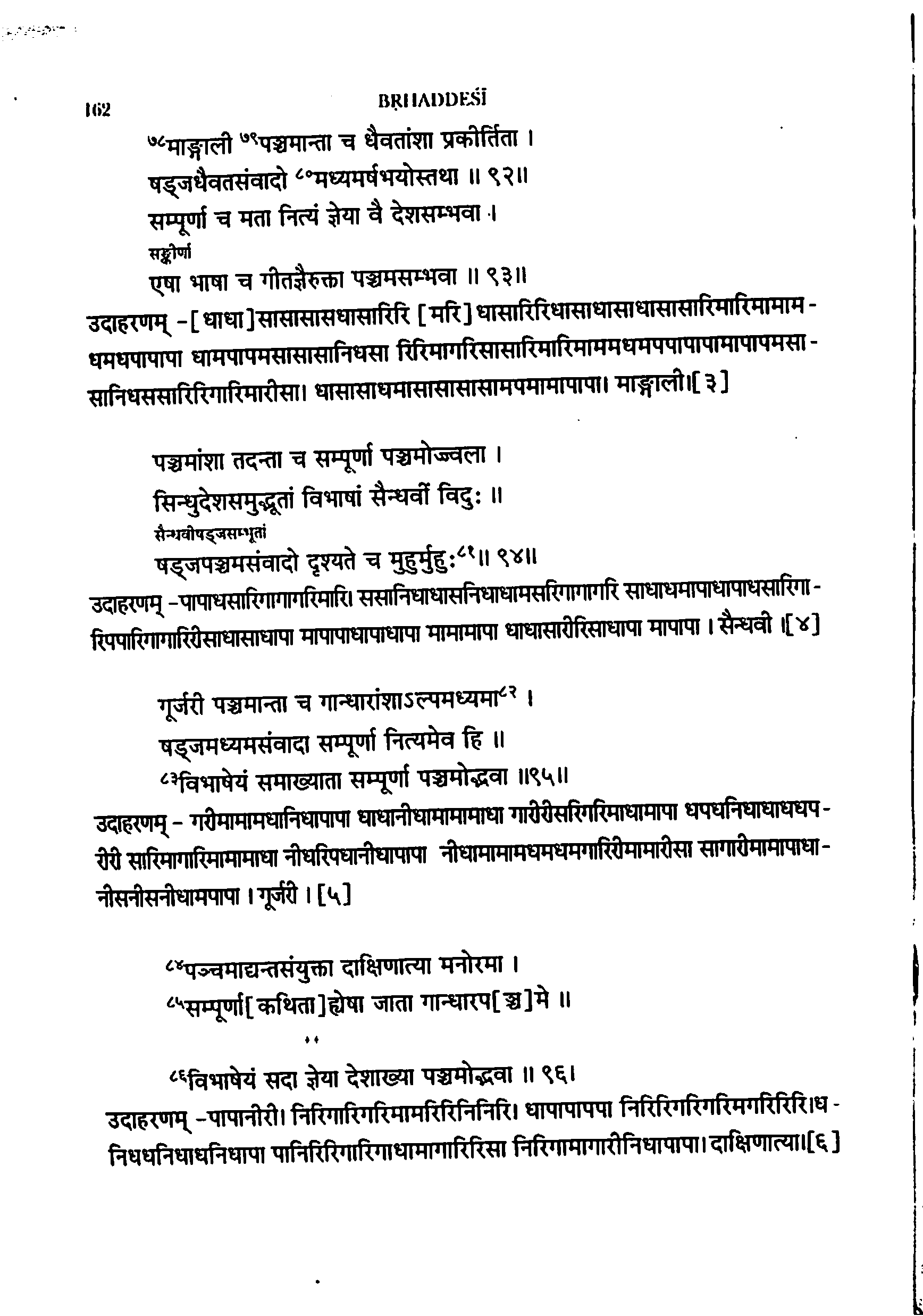
aṁśa is a structural property of vibhāṣā types that can be assigned to specific svaras
"Having madhyama as aṁśa, dhaivata as the concluding note"
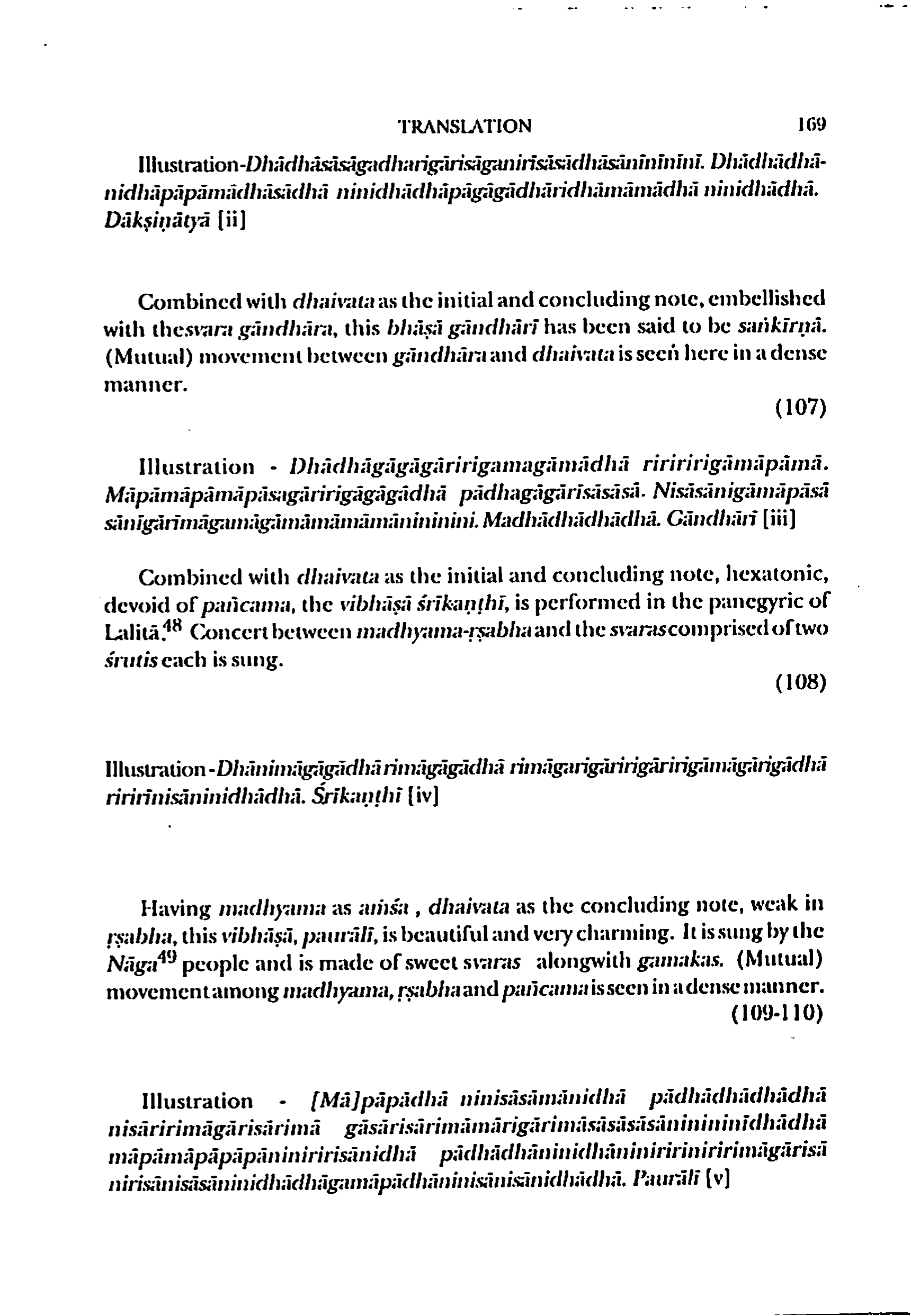
Aṁśa is a structural property designating a characteristic note of a bhāṣā
"Having madhyama as aṁśa, dhaivata as the concluding note"
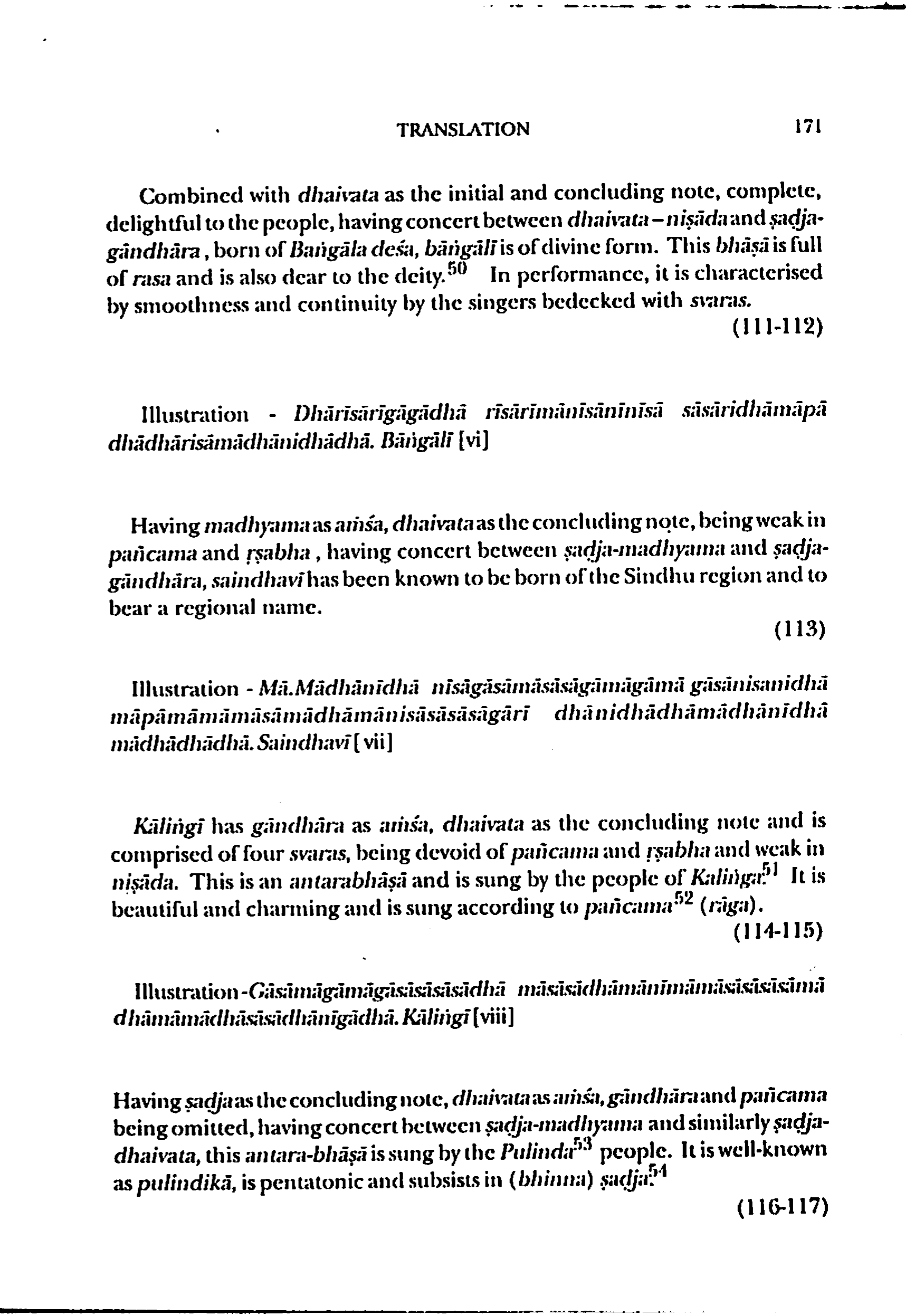
aṁśa is a structural property of bhāṣā forms that characterizes them by a particular svara
"One should use the bhāṣā having pañcama as aṁśa and ṣaḍja as the
concluding note, in takka."
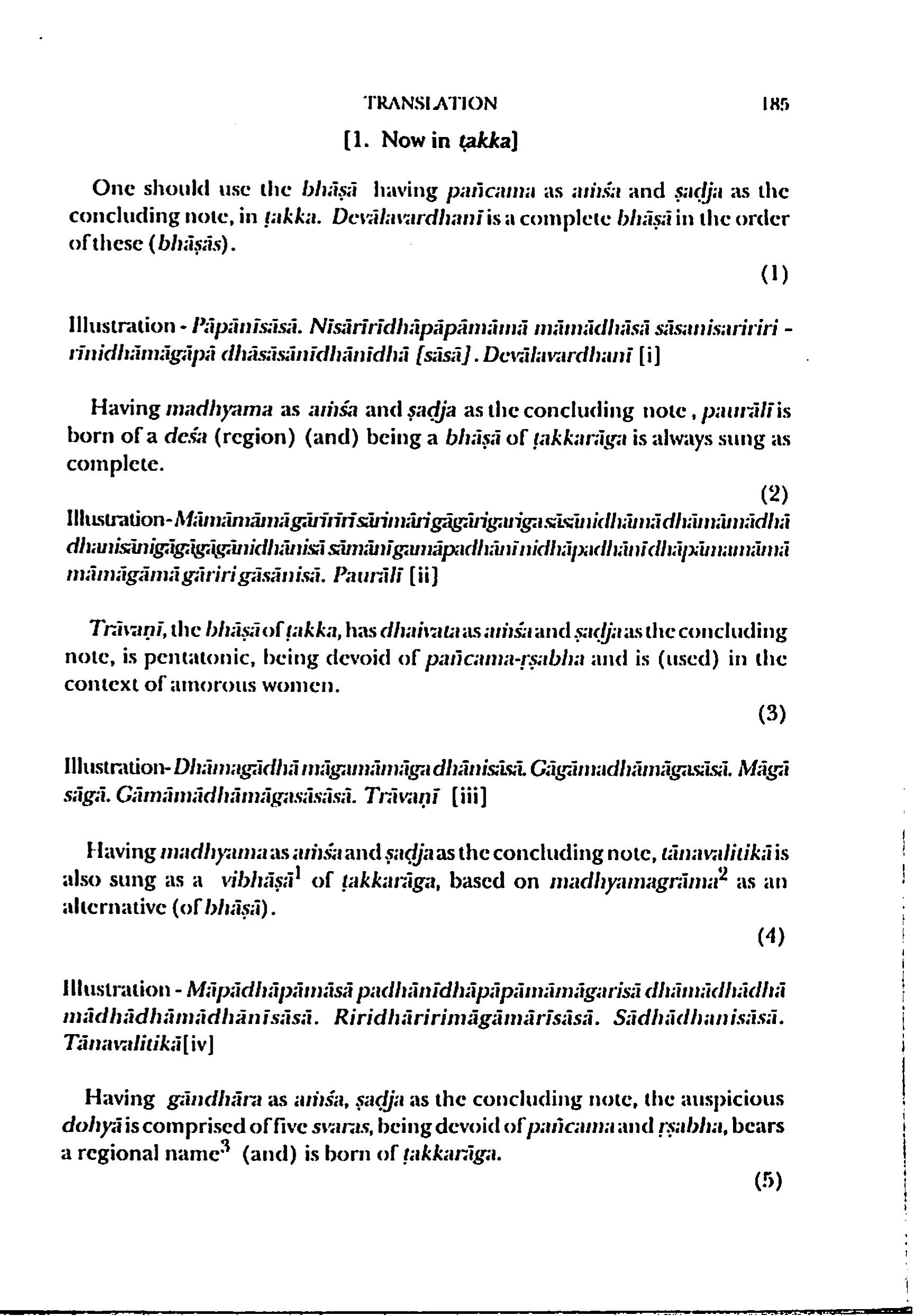
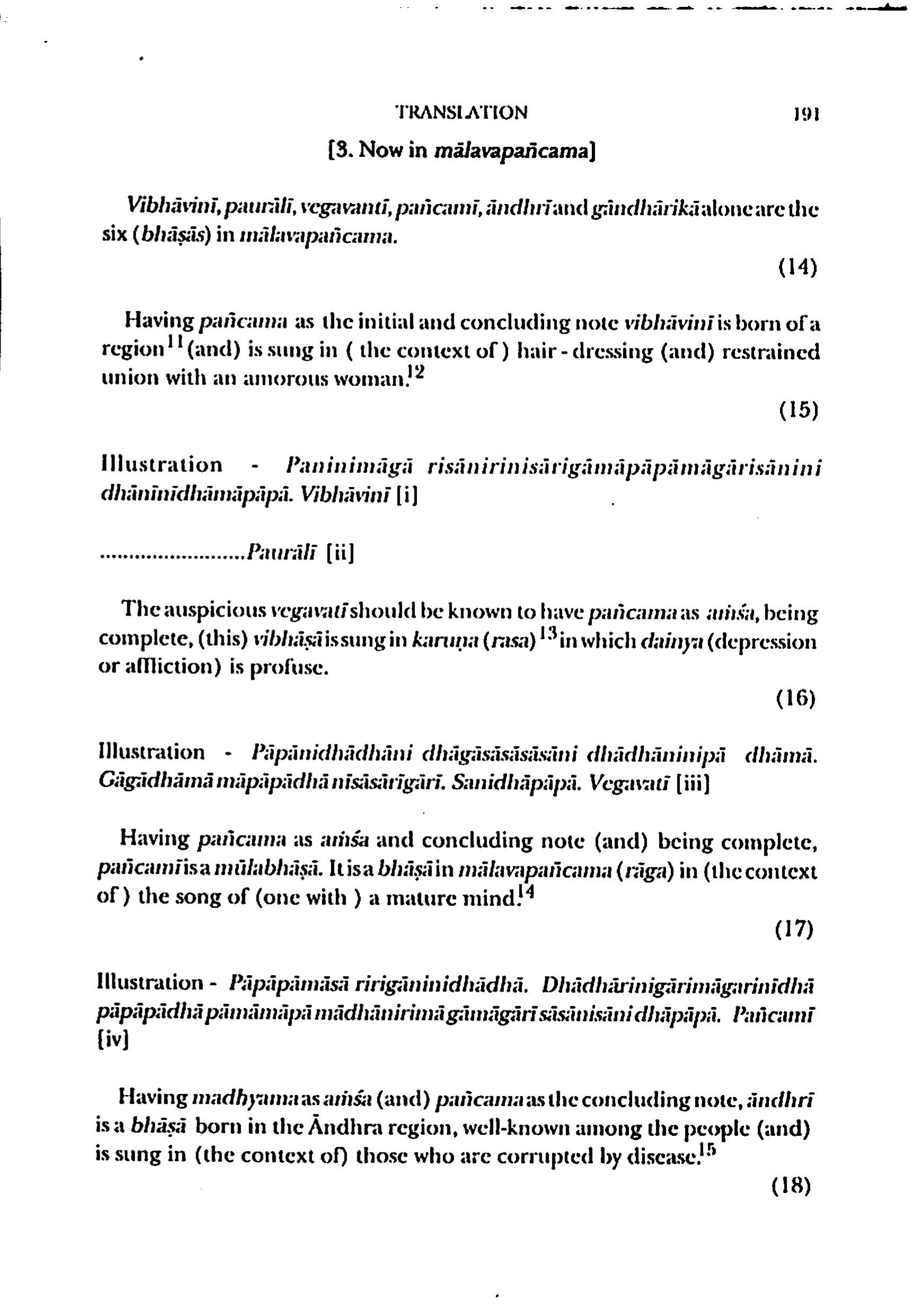
Amśa is a structural feature of bhāṣās that can be pañcama or madhyama
"Having pañcama as amsa, being
complete"
Gāndhārī has gāndhāra as its aṁśa (characteristic note/component)
"Gāndhārī has gāndhāra as aṁśa (and) pancama as the concluding note, is
complete"
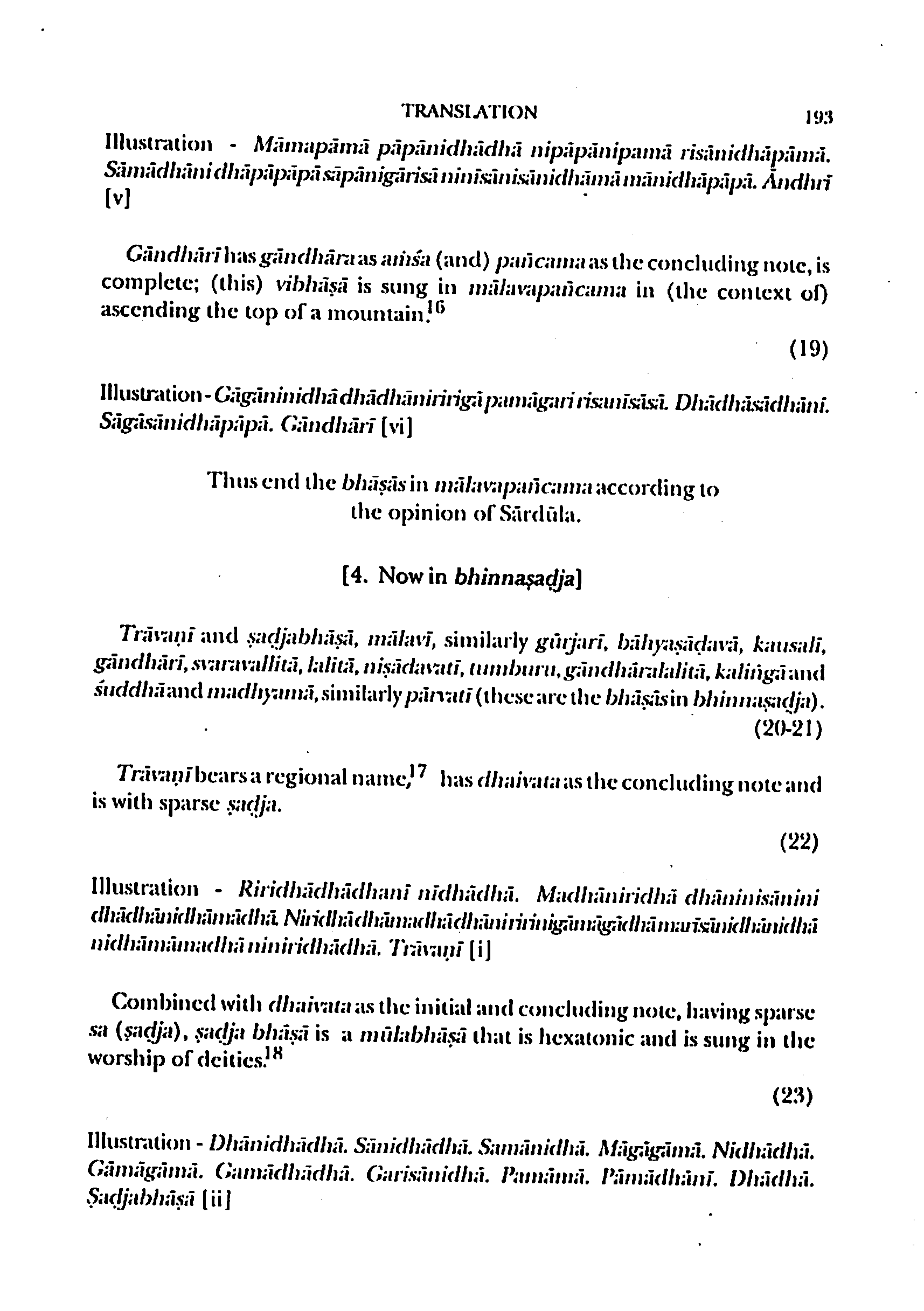
Gāndhārī has pancama as its concluding note
"Gāndhārī has gāndhāra as aṁśa (and) pancama as the concluding note"
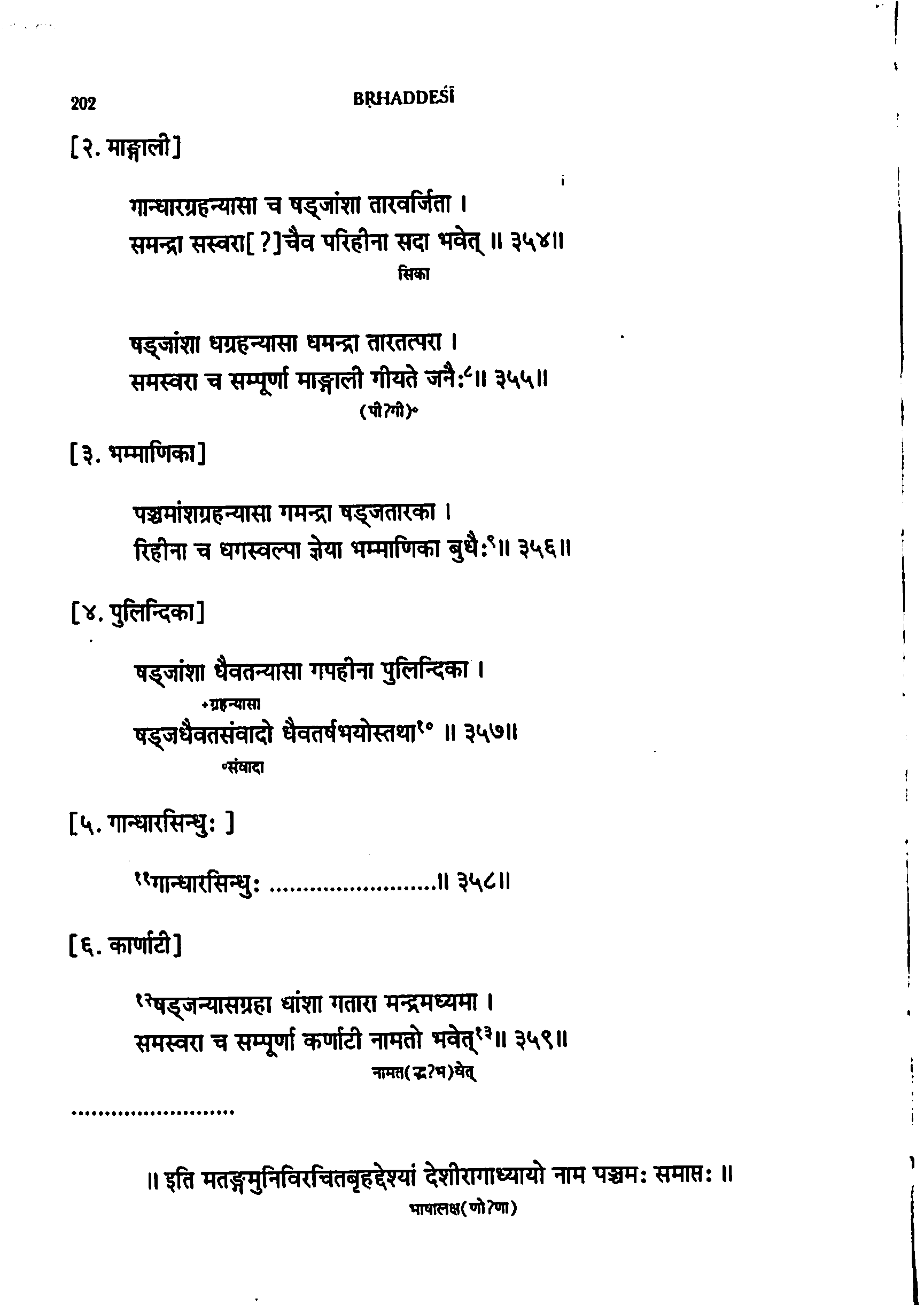
aṁśa is a technical term used to characterize rāgas, distinct from graha and nyāsa
"षड्ज?ांशा धग्रहन्यासा धमन्द्रा तारतत्परा"
Mandra begins with the svara immediately below the amsa, establishing a structural relationship between these two registers.
"It is notable that mandra begins with the svara immediately below the amsa."