graha, aṁśa, nyāsa technical_term
Generative rules (2) ↗ filter all
graha_amsa_nyasa_for_specific_bhashasassignment · 1 att.
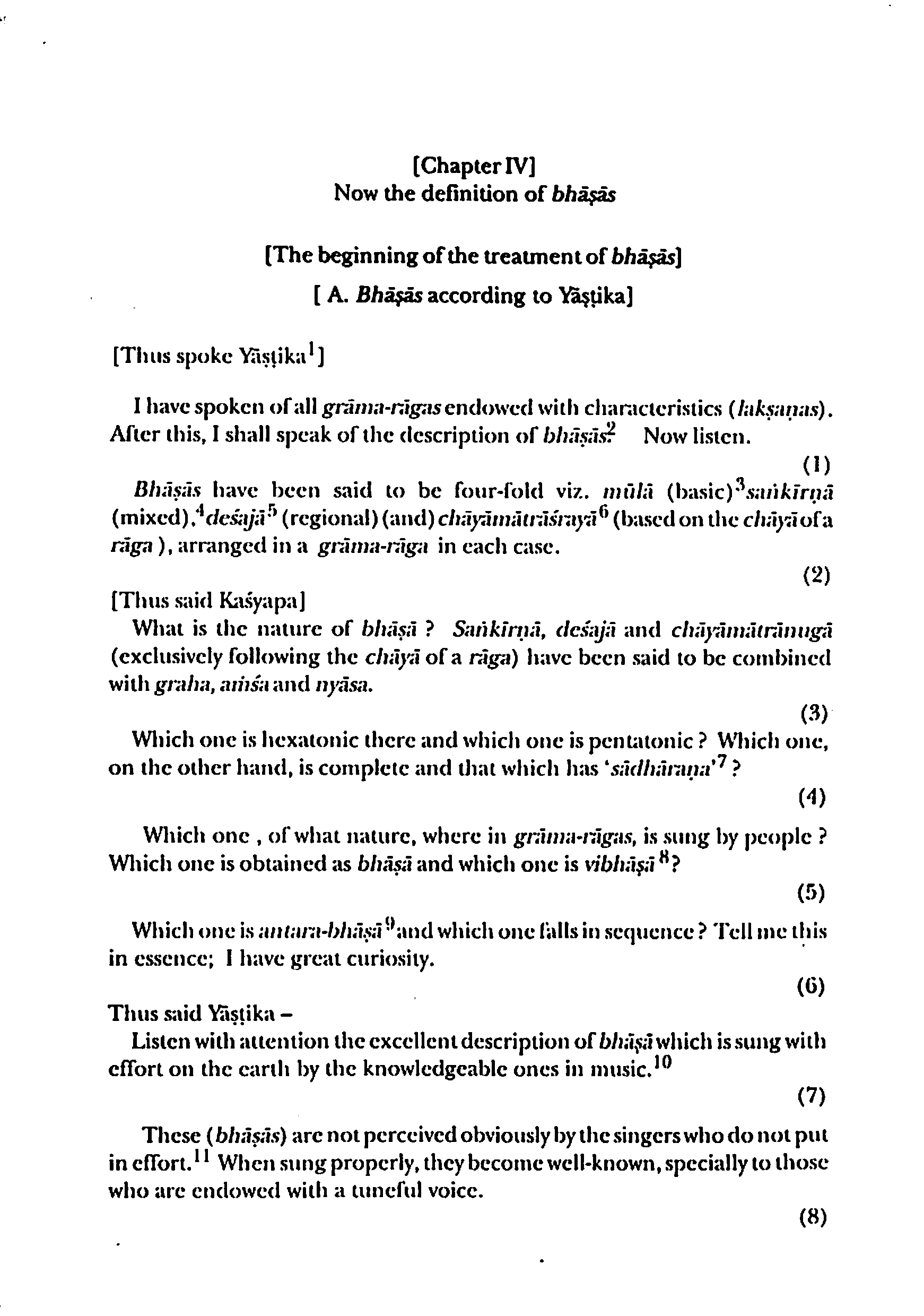
Saṁkīrṇā, deśajā, and chāyāmātrānugā bhāṣās are combined with graha, aṁśa, and nyāsa.graha_amsa_nyasa_svara_functionsdefinition · 1 att.
Graha, aṁśa, and nyāsa are functions assumed by svaras through their commingling (samavāya).
Pseudocode (DSL v1.1) ↗ full DSL (raw text)
RULE id: graha, aṁśa, nyāsa (cluster 678)
SCOPE: technical_term family
STATUS: empirical
CONFIDENCE: empirical
PROTECT: false
Essence pseudocode — identity + RECORD. The page citations for each slot value are in the Grammar record table above (audit trail). The full DSL adds ASSERTIONS with verbatim quotes (see Affirmations below) and CITED_RULES (see Graph relations).
Graph relations
Outgoing (10)
--[relation]--> aṁśa (1)--[relation]--> nyāsa (1)--[relation]--> bhāṣā (1)--[relation]--> graha (1)--[relation]--> sankīrņā (1)--[relation]--> chāyā (1)--[relation]--> sankīrṇā (1)--[relation]--> deśajā (1)--[relation]--> chāyāmātrānugā (1)--[relation]--> rāga (1)
Incoming (0)
none
Affirmations (2)
Sankīrņā, deśajā and chāyāmātrānugā bhāṣās are combined with graha, aṁśa and nyāsa
"Sankīrṇā, deśajā and chāyāmātrānugā
(exclusively following the chāyā of a rāga) have been said to be combined
with graha, aṁśa and nyāsa."
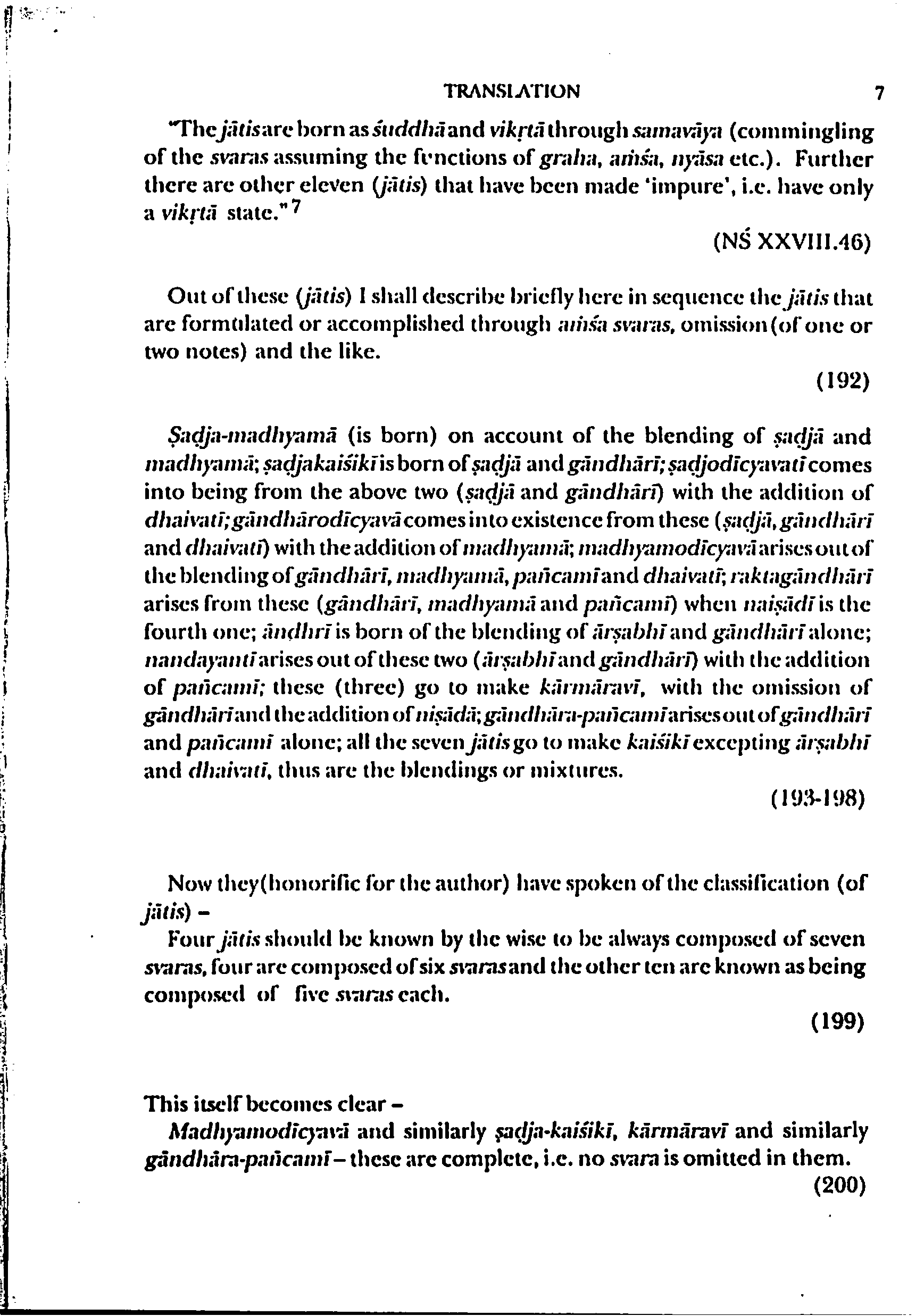
graha, aṁśa, and nyāsa are functions assumed by svaras in the process of samavāya
"commingling
of the svaras assuming the functions of graha, aṁśa, nyāsa etc."