NŚ XXVIII.72 reference
Pseudocode (DSL v1.1) ↗ full DSL (raw text)
RULE id: nś xxviii.72 (cluster 716)
SCOPE: reference family
STATUS: empirical
CONFIDENCE: empirical
PROTECT: false
Essence pseudocode — identity + RECORD. The page citations for each slot value are in the Grammar record table above (audit trail). The full DSL adds ASSERTIONS with verbatim quotes (see Affirmations below) and CITED_RULES (see Graph relations).
Graph relations
Outgoing (6)
--[citation]--> śāstra (2)--[citation]--> nyāsa (1)--[citation]--> Bharata (1)--[citation]--> apanyāsa (1)--[citation]--> tāra (1)--[citation]--> Gati (1)
Incoming (0)
none
Affirmations (2)
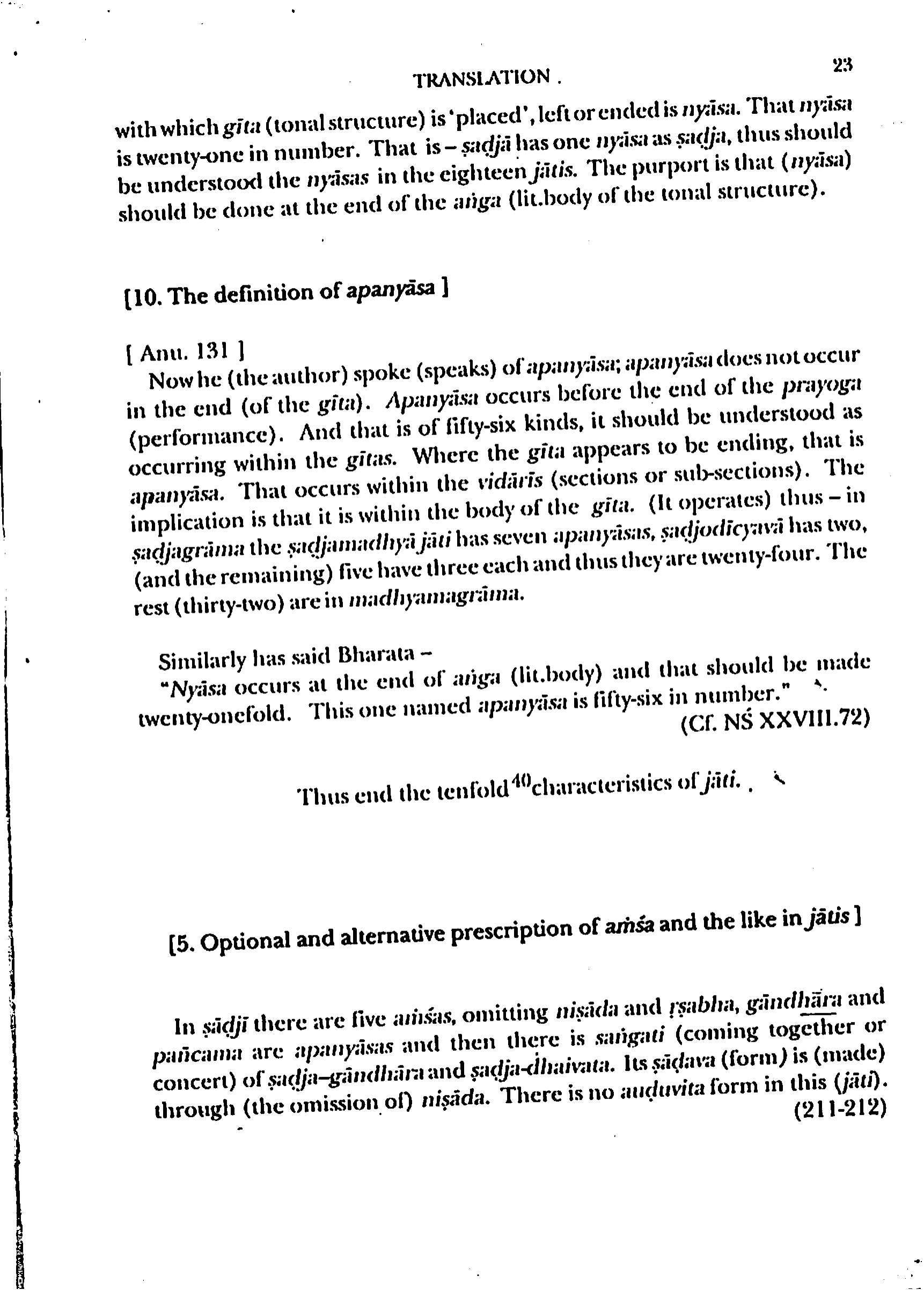
The extent of tāra gati is cited from Nāṭya Śāstra chapter 28, verse 70
"(NŚ XXVIII.70)"
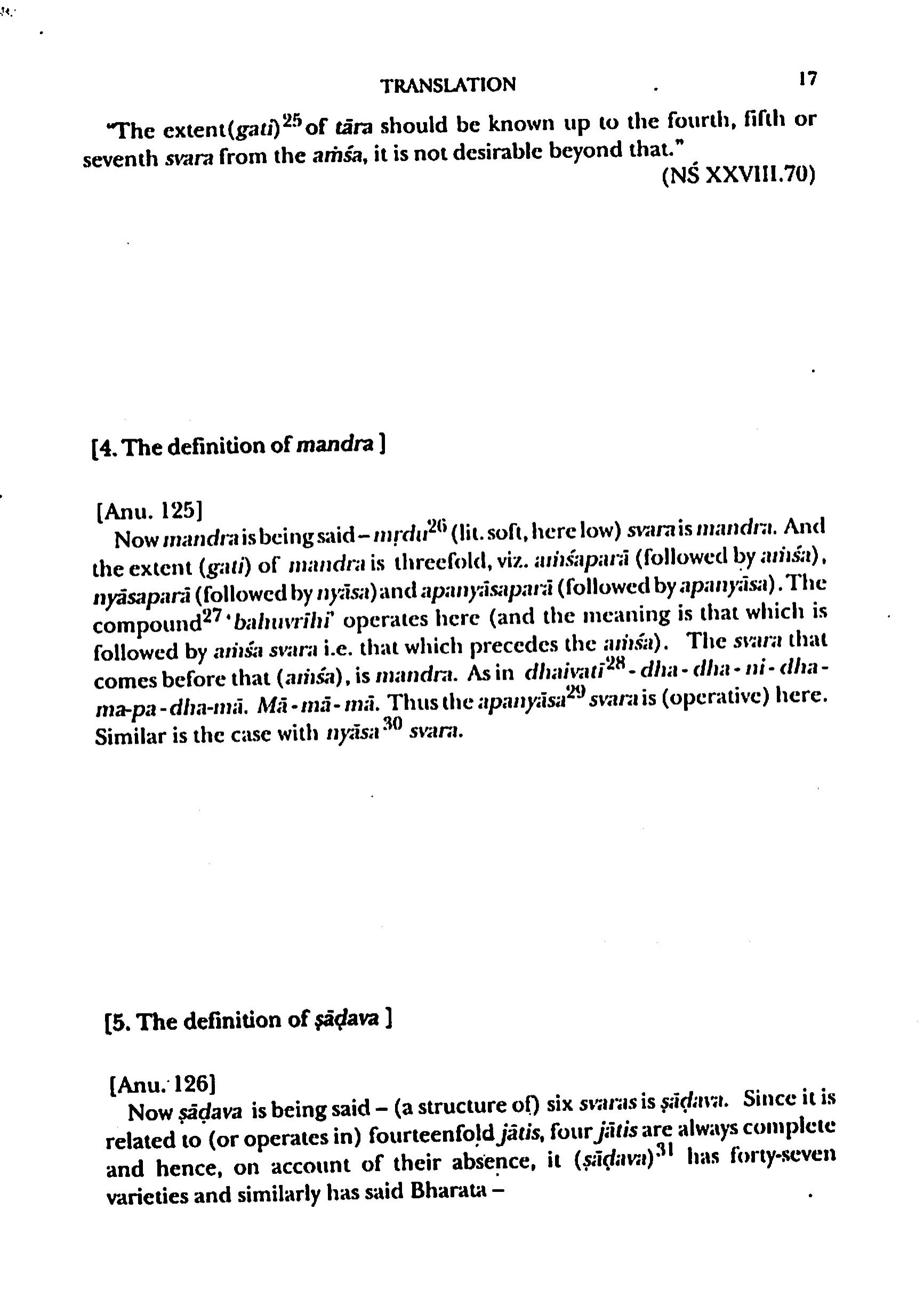
Bharata's statement on nyāsa and apanyāsa is cited from Nāṭya Śāstra XXVIII.72
"(Cf. NŚ XXVIII.72)"