samvāda technical_term
Generative rules (2) ↗ filter all
samvada_definition_to_and_frodefinition · 2 att.
Saṁvāda refers to to-and-fro (mutual) movement between two svaras, and is associated with the 'pleasant' pole in the threefold pleasantness/indifferencesamvada_sadja_pancama_consonancerelation · 1 att.
Samvāda is the consonant relation between ṣaḍja and pañcama, which must be restored when pañcama is lowered.
Pseudocode (DSL v1.1) ↗ full DSL (raw text)
RULE id: samvāda (cluster 122)
SCOPE: technical_term family
STATUS: traditional
CONFIDENCE: traditional
PROTECT: false
Essence pseudocode — identity + RECORD. The page citations for each slot value are in the Grammar record table above (audit trail). The full DSL adds ASSERTIONS with verbatim quotes (see Affirmations below) and CITED_RULES (see Graph relations).
Graph relations
Outgoing (6)
--[definition]--> S Rāj (1)--[relation]--> pañcama (1)--[definition]--> dhaivata (1)--[definition]--> svaras (1)--[structural]--> svaras (1)--[relation]--> Şadja (1)
Incoming (5)
Affirmations (4)
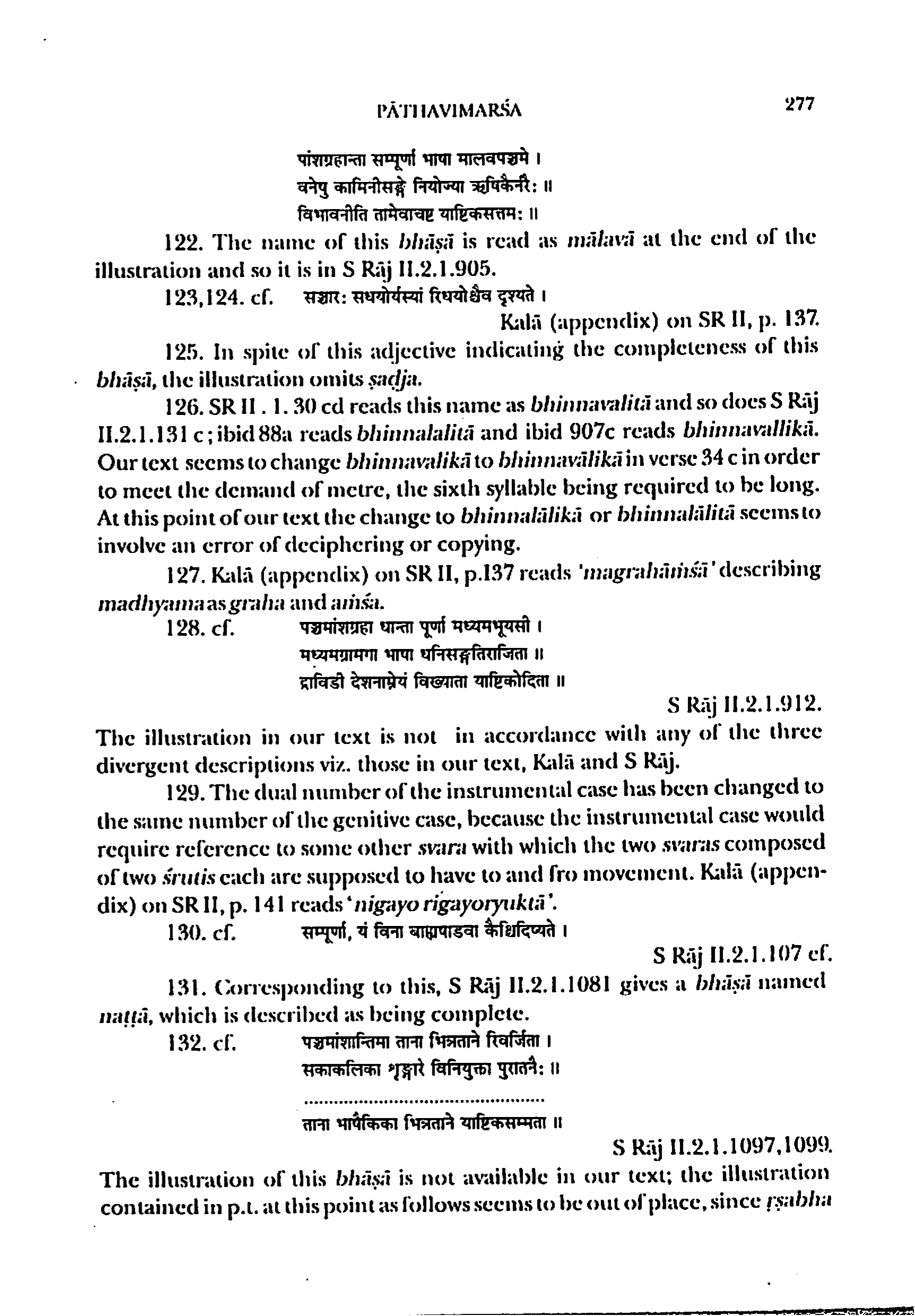
Matanga has accepted samvāda of nine and thirteen-sruti interval, not seven-sruti interval
"Matanga has accepted the 'samvāda' of seven-
sruti interval in addition to that of nine and thirteen-sruti interval. (cf. IMJ,
No. 11-12, p. 57, article by P.L.S. on Matanga's Brhaddess ). Actually sapta is
related to 'svarāḥ'"
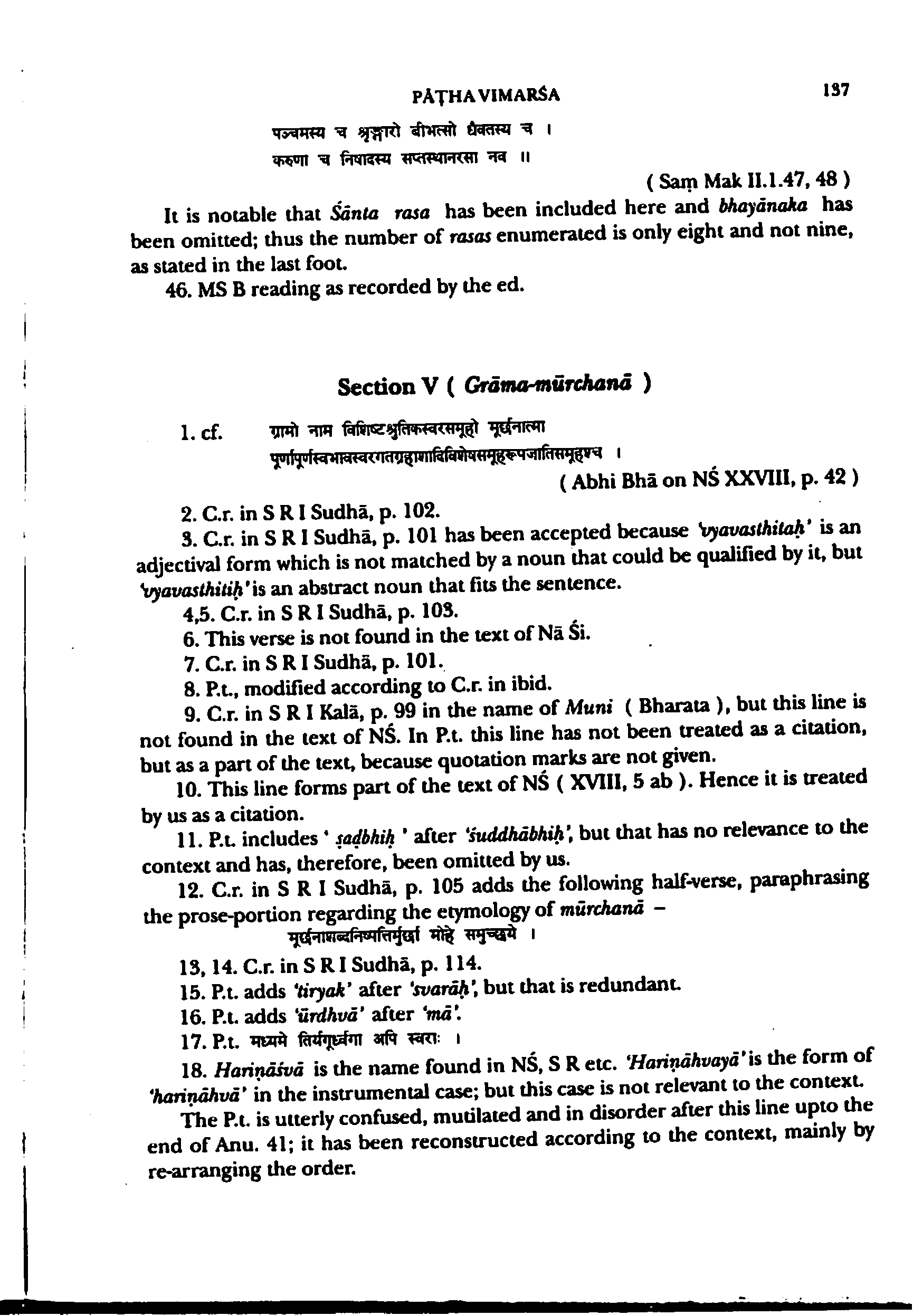
samvāda refers to to-and-fro movement between two svaras
"S Rāj II.2.I.956 describes a samvāda (to and fro movement)
between niṣada-dhaivata"
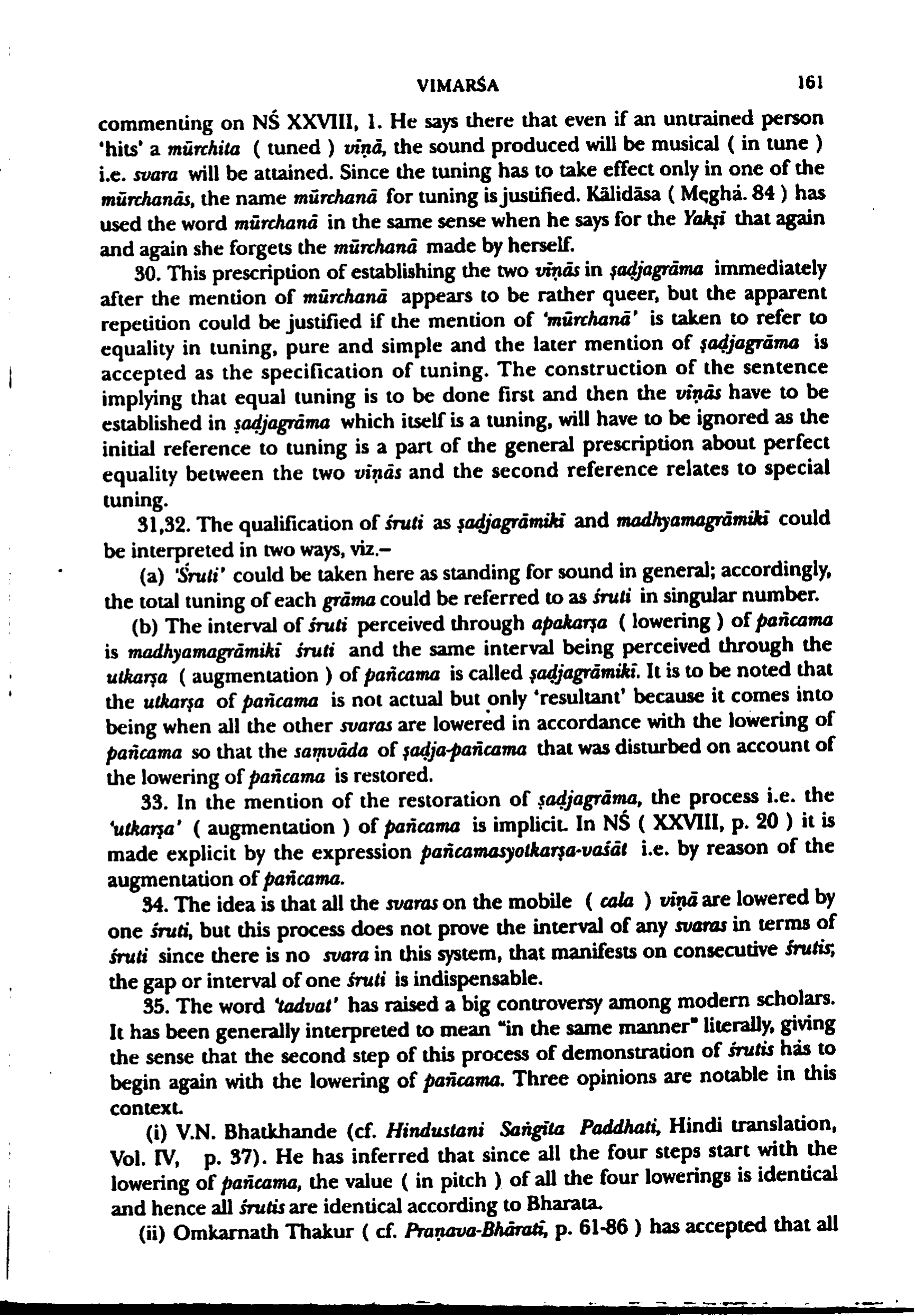
Samvada is the consonance or harmonic relationship, particularly between śadja and pañcama that must be restored when pañcama is lowered
"the samvada of şadja-pañcama that was disturbed on account of the
lowering of pañcama is restored."
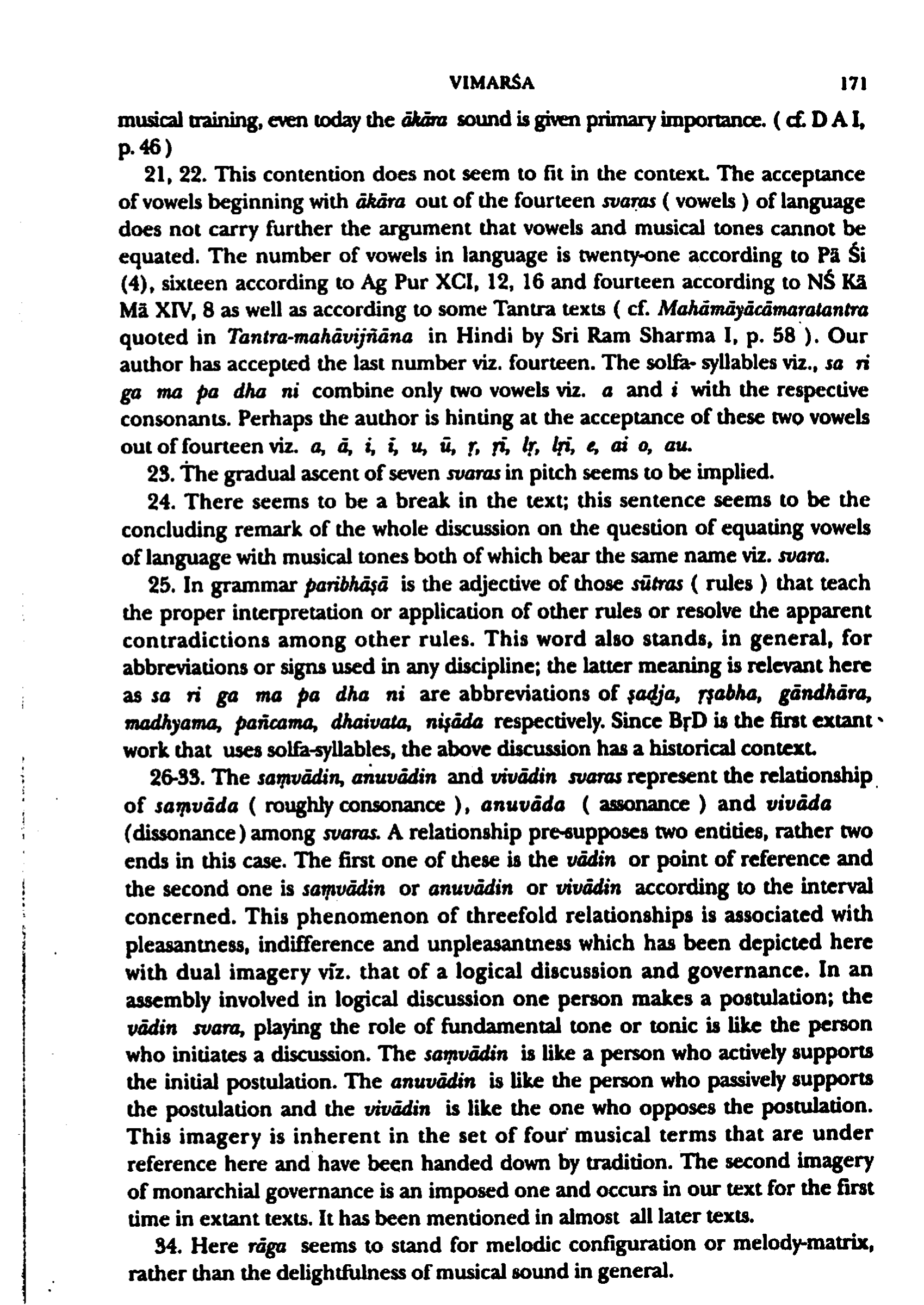
Samvāda (consonance) is associated with pleasantness in the relationship between svaras
"This phenomenon of threefold relationships is associated with
pleasantness, indifference and unpleasantness"