sangati technical_term
Generative rules (2) ↗ filter all
sangati_attested_pairsassignment · 4 att.
Attested sangati pairs: ṣaḍja-gāndhāra, ṣaḍja-dhaivata; madhyama-ṛṣabha (pañcamī); ṣaḍja-dhaivata and ṛṣabha-gāndhāra (ārṣabhī); dhaivata-ṛṣabha; gāndhāra withsangati_definition_concertdefinition · 2 att.
Sangati is a 'coming together' or concert/to-and-fro melodic movement between two svaras in a jāti; it is purely melodic and does not depend on samvāda.
Pseudocode (DSL v1.1) ↗ full DSL (raw text)
RULE id: sangati (cluster 44)
SCOPE: technical_term family
STATUS: empirical
CONFIDENCE: empirical
PROTECT: false
Essence pseudocode — identity + RECORD. The page citations for each slot value are in the Grammar record table above (audit trail). The full DSL adds ASSERTIONS with verbatim quotes (see Affirmations below) and CITED_RULES (see Graph relations).
Graph relations
Outgoing (13)
--[relation]--> ṛṣabha (3)--[relation]--> concert (3)--[definition]--> svaras (3)--[definition]--> gāndhāra (2)--[relation]--> dhaivata (2)--[definition]--> concert (2)--[relation]--> gāndhāra (1)--[definition]--> jāti (1)--[relation]--> pañcamī (1)--[definition]--> samvāda (1)--[relation]--> ārṣabhī (1)--[definition]--> dhaivata (1)--[relation]--> madhyama (1)
Incoming (2)
kārmāravī --[structural]--> (1)सङ्गतिन्यासपर्यन्त --[relation]--> (1)
Affirmations (6)
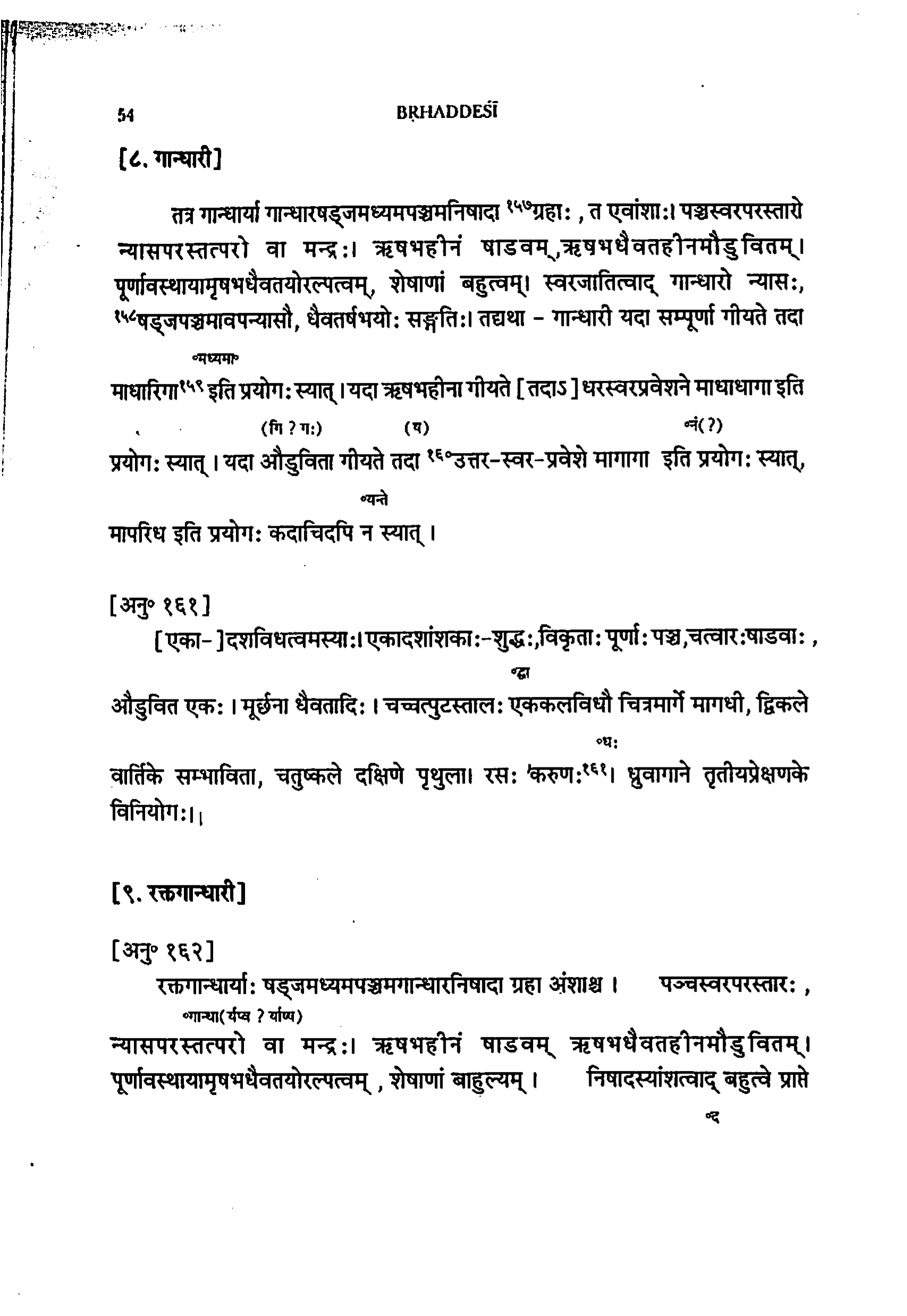
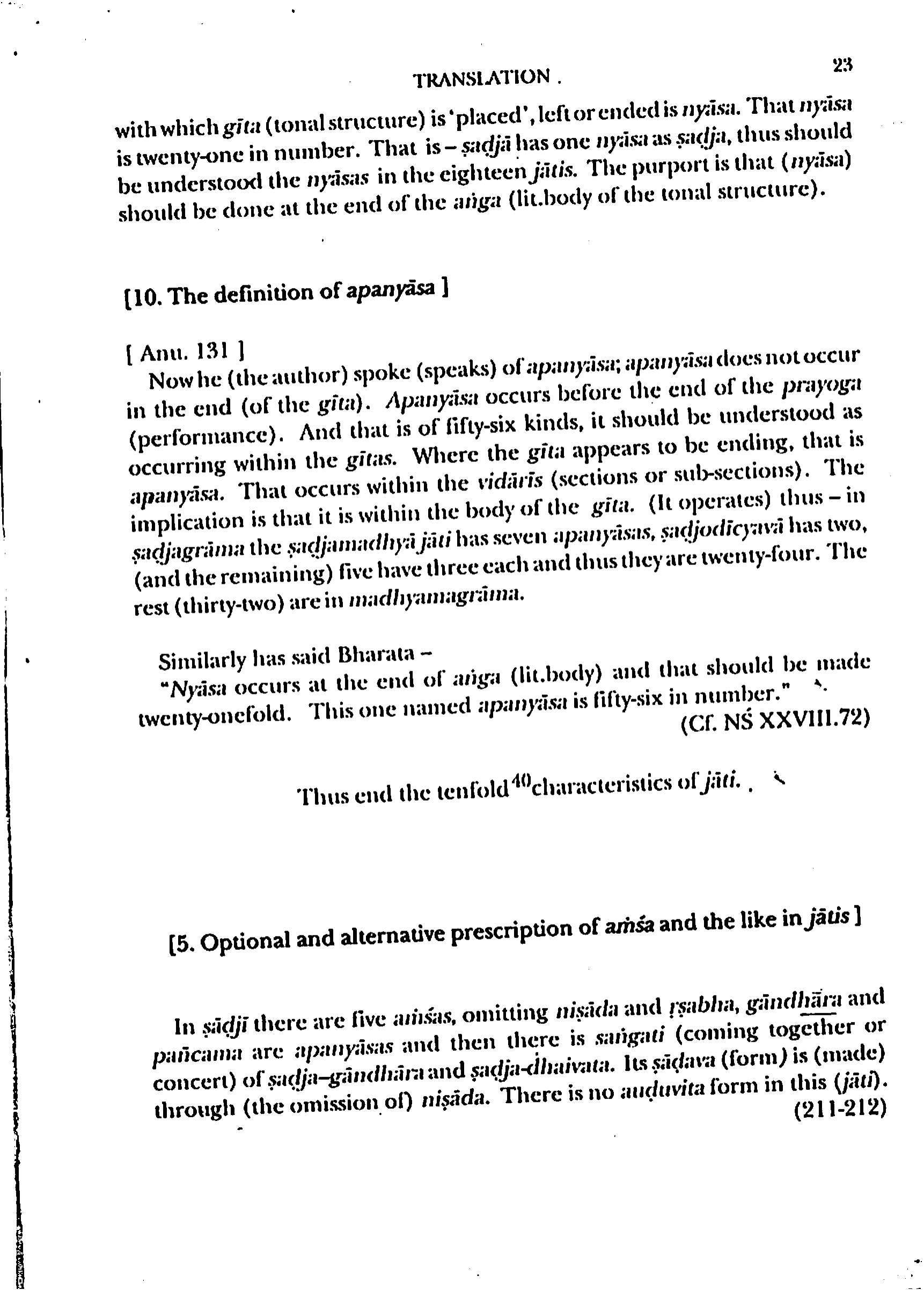
Sangati is a coming together or concert of pitch classes like ṣaḍja-gāndhāra and ṣaḍja-dhaivata
"and then there is sangati (coming together or
concert) of ṣaḍja-gāndhāra and ṣaḍja-dhaivata."
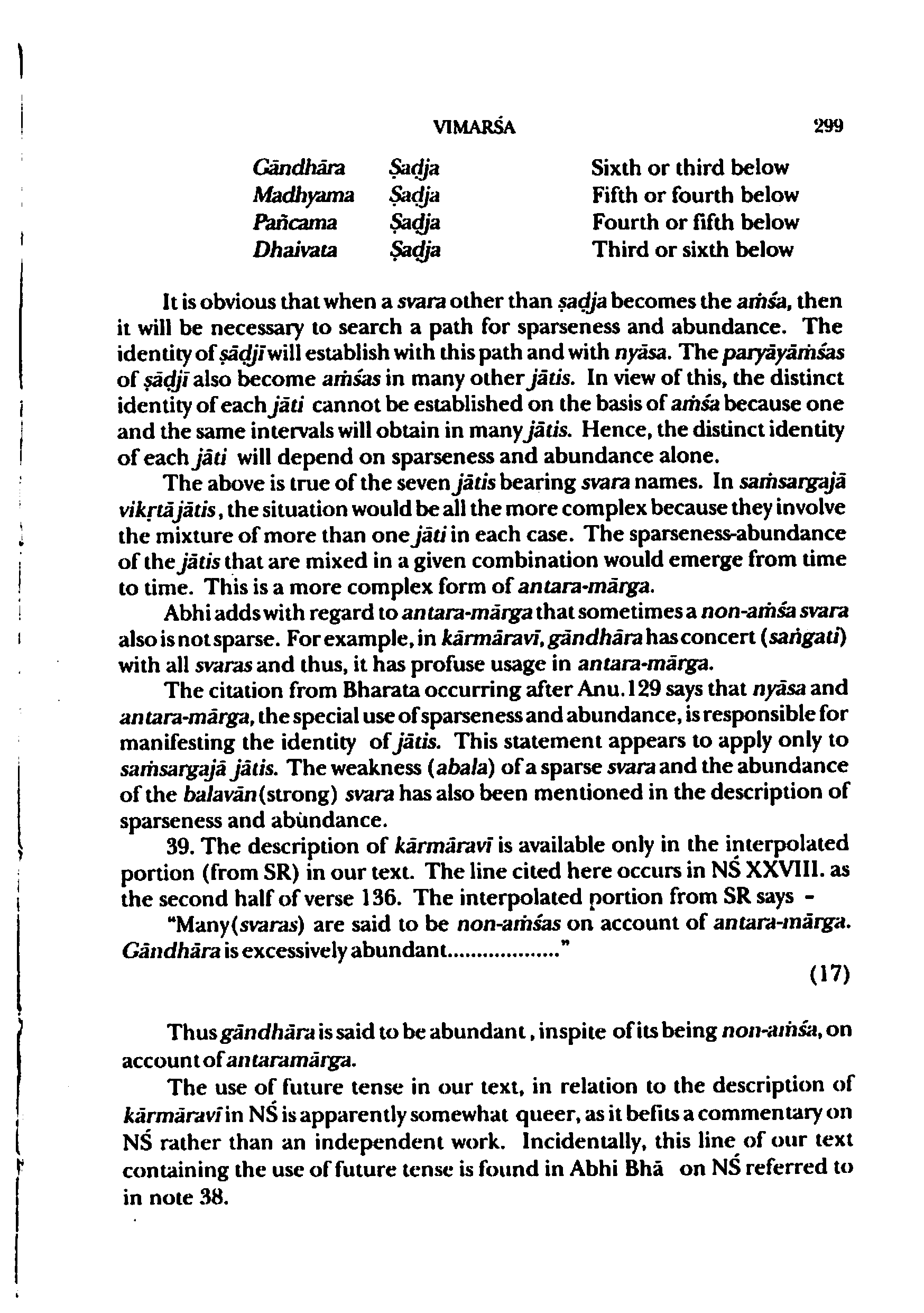
Sangati refers to a relationship or concordance between a svara and other svaras in the melodic framework
"gāndhāra has concert (sangati) with all svaras"
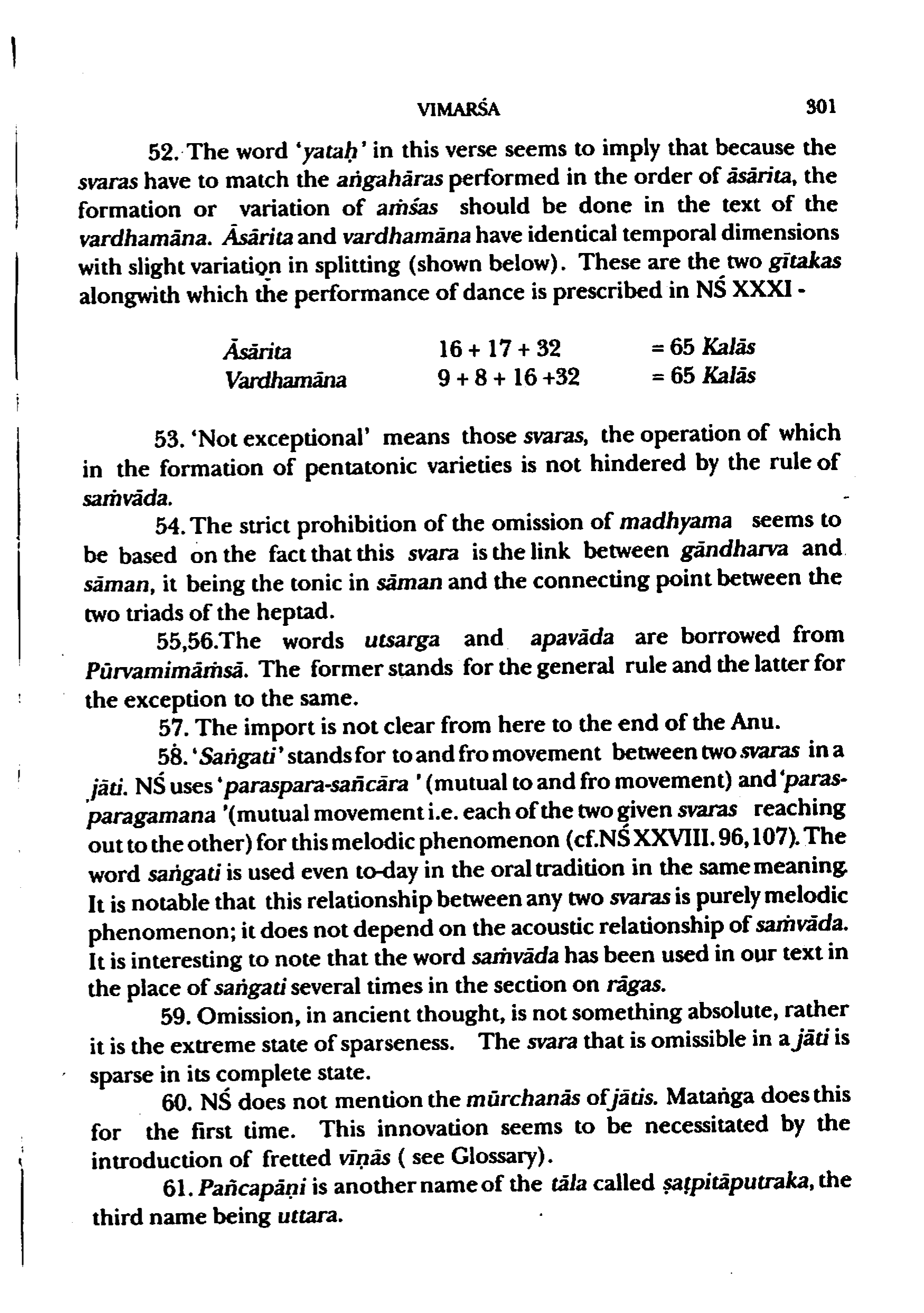
Sangati refers to to-and-fro movement between two svaras in a jāti and is a purely melodic phenomenon
"'Sangati' stands for to and fro movement between two svaras in a
jāti. [...] It is notable that this relationship between any two svaras is purely melodic
phenomenon; it does not depend on the acoustic relationship of samvāda."
Sangati is a concert relationship between madhyama and ṛṣabha in pañcamī
"there is the sangati (concert)
between madhyama and ṛṣabha."
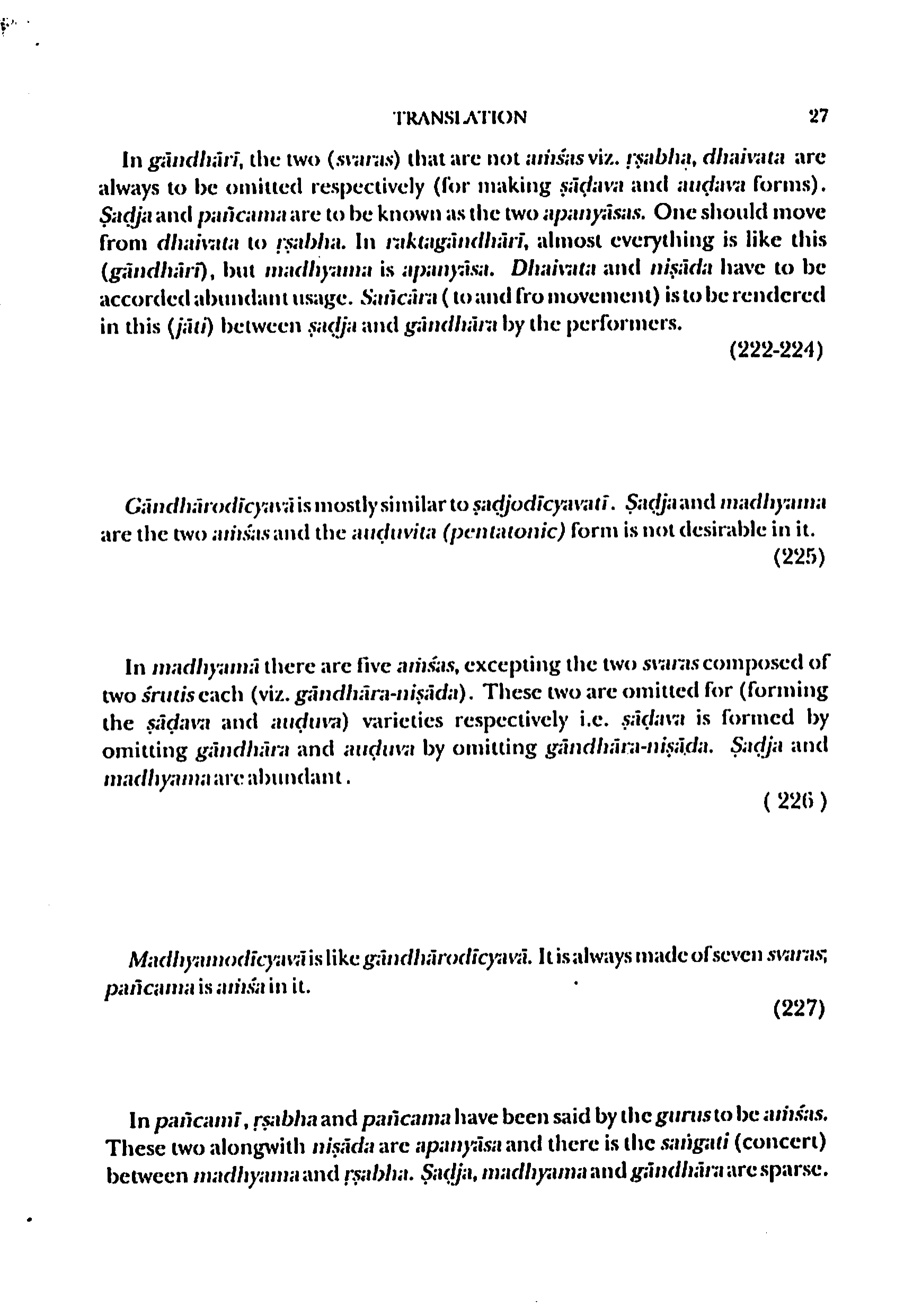
Sangati exists between ṣaḍja-dhaivata and ṛṣabha-gāndhāra in Ārṣabhī
"There is sangati (concert) of șadja-dhaivata and ṛṣabha-gāndhāra."
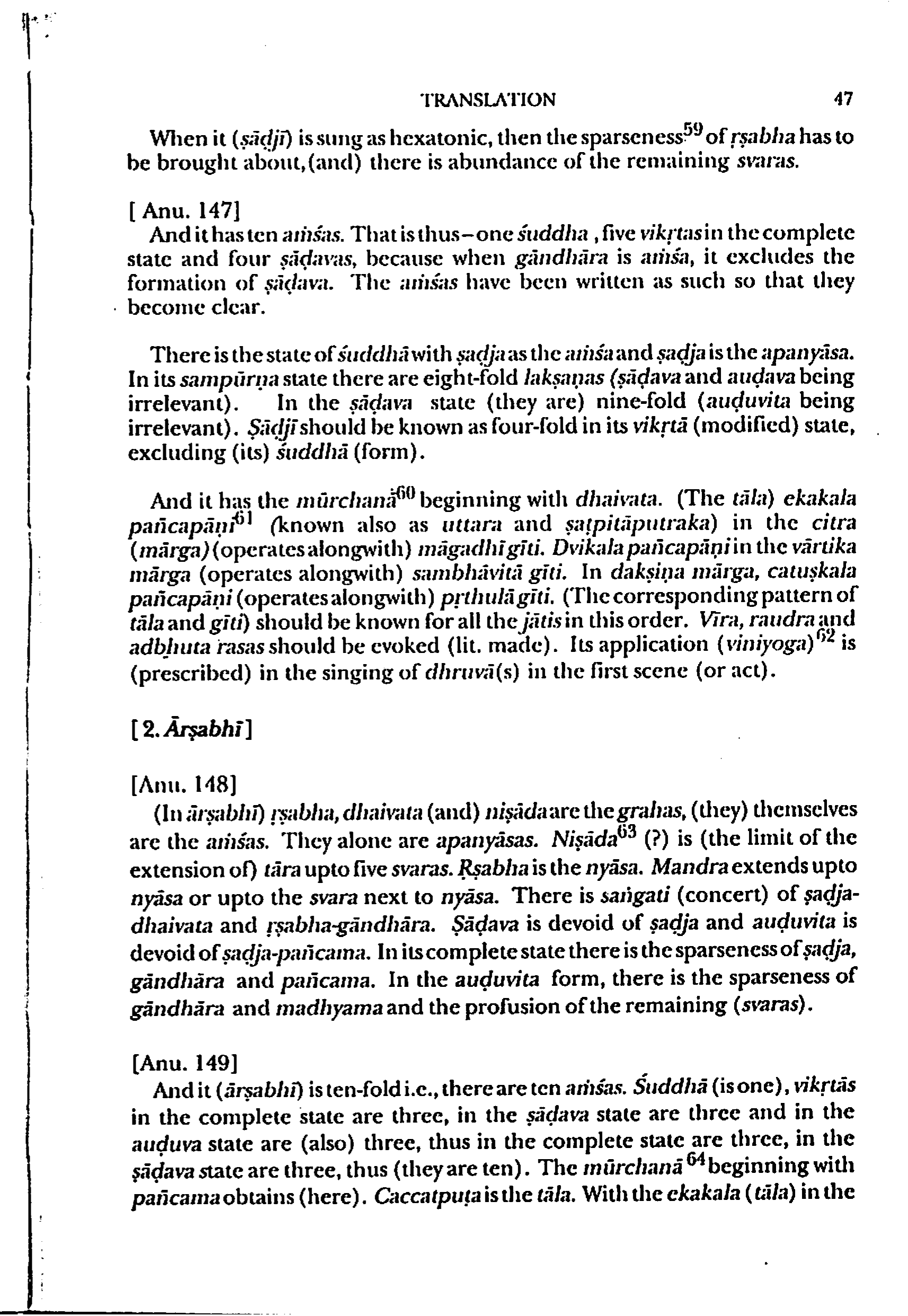
There is sangati (concert or to and fro movement) between dhaivata and ṛṣabha
"धैवतर्षभयोः सङ्गतिः।"