vesaraṣāḍava technical_term
Generative rules (1) ↗ filter all
vesarasadava_origin_and_bhasasderivation · 3 att.
Vesaraṣāḍava is born of ṣaḍjamadhyamā (hence related to ṣaḍjagrāma); its bhāṣās include bāhyaṣāḍavā and nādākhyā.
Pseudocode (DSL v1.1) ↗ full DSL (raw text)
RULE id: vesaraṣāḍava (cluster 138)
SCOPE: technical_term family
STATUS: empirical
CONFIDENCE: empirical
PROTECT: false
Essence pseudocode — identity + RECORD. The page citations for each slot value are in the Grammar record table above (audit trail). The full DSL adds ASSERTIONS with verbatim quotes (see Affirmations below) and CITED_RULES (see Graph relations).
Graph relations
Outgoing (8)
--[enumeration]--> bhāṣā (1)--[attribution]--> ṣāḍava (1)--[relation]--> sadjagrāma (1)--[attribution]--> Durgaśakti (1)--[enumeration]--> bāhyaṣāḍavā (1)--[relation]--> bāhyaṣāḍavā (1)--[enumeration]--> nādākhyā (1)--[relation]--> nādākhyā (1)
Incoming (5)
kākalī --[structural]--> (1)caccatpuṭa --[structural]--> (1)vesara --[enumeration]--> (1)mürchanā --[structural]--> (1)sānta rasa --[structural]--> (1)
Affirmations (4)
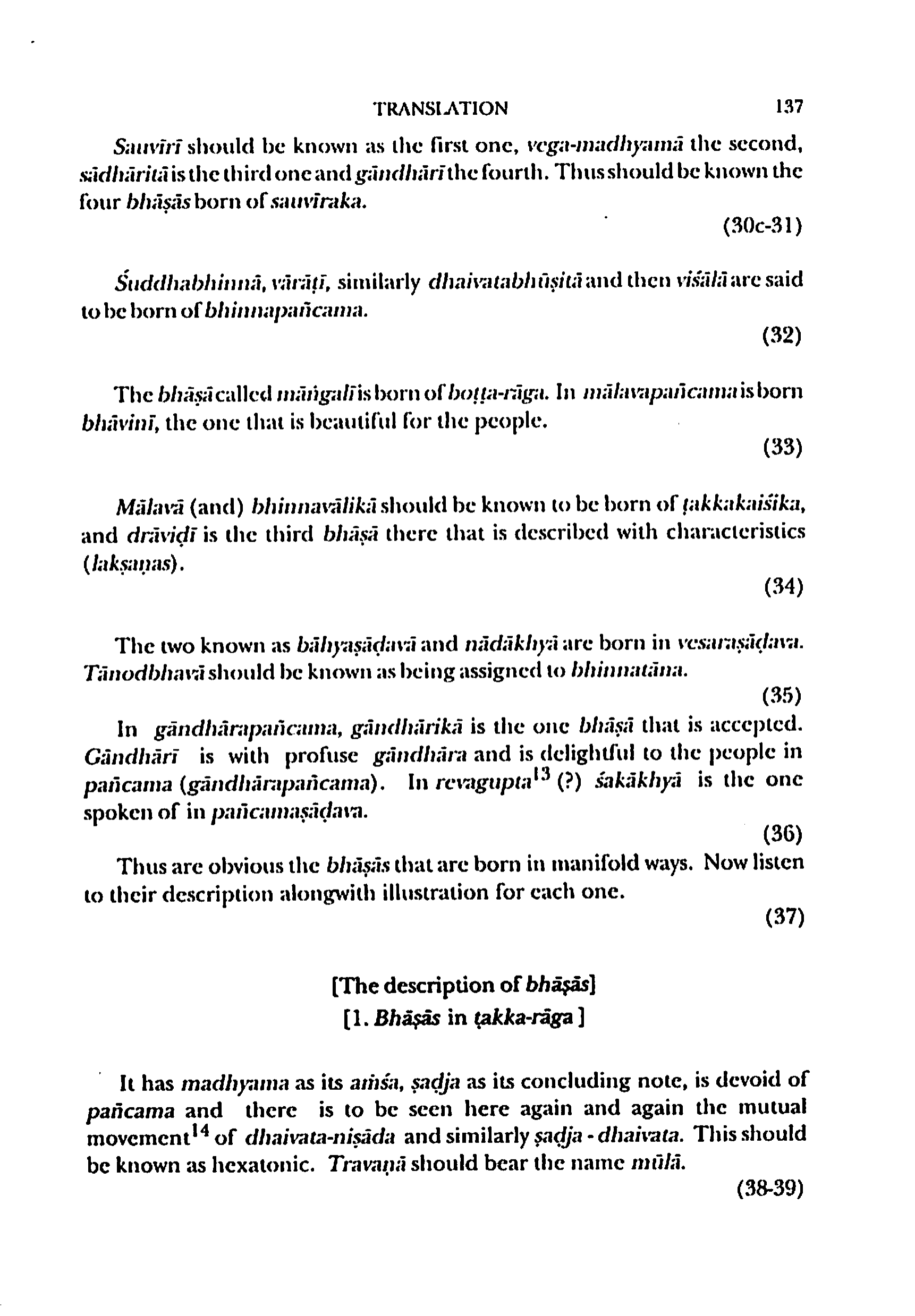
Vesaraṣāḍava is prominent according to Durgaśakti on account of having inherited the state of ṣāḍava
"In the opinion of Durgaśakti vesaraṣāḍava alone is prominent on account
of having 'inherited' the state of ṣāḍava (from śuddhaṣāḍava)."
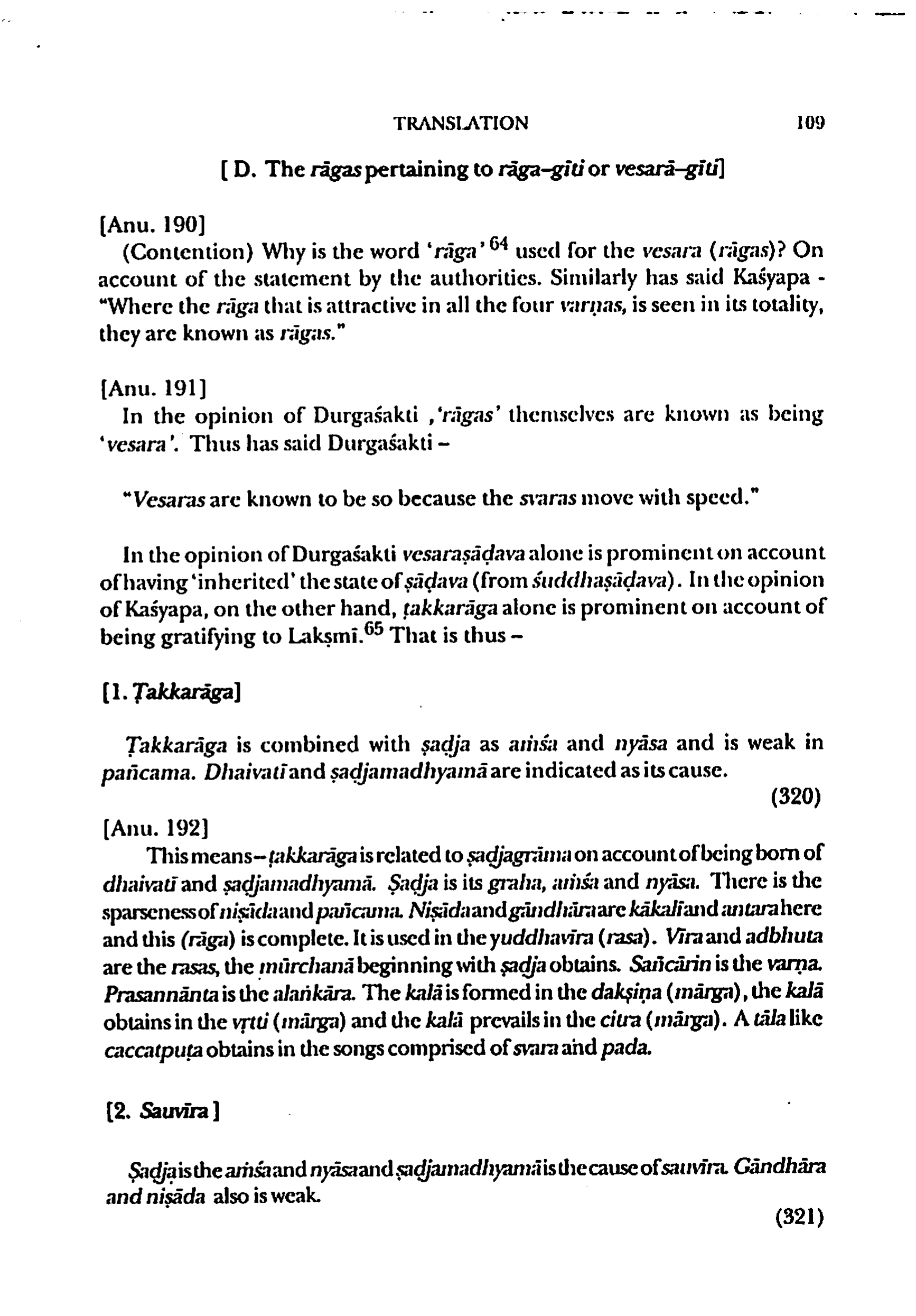
vesaraṣāḍava has bhāṣās varieties including Bāhyaṣāḍavā and Nādākhyā
"12.Bhāṣās in vesaraṣāḍava
181
Bāhyaṣāḍavā
i.
181
Nādākhyā
ii."
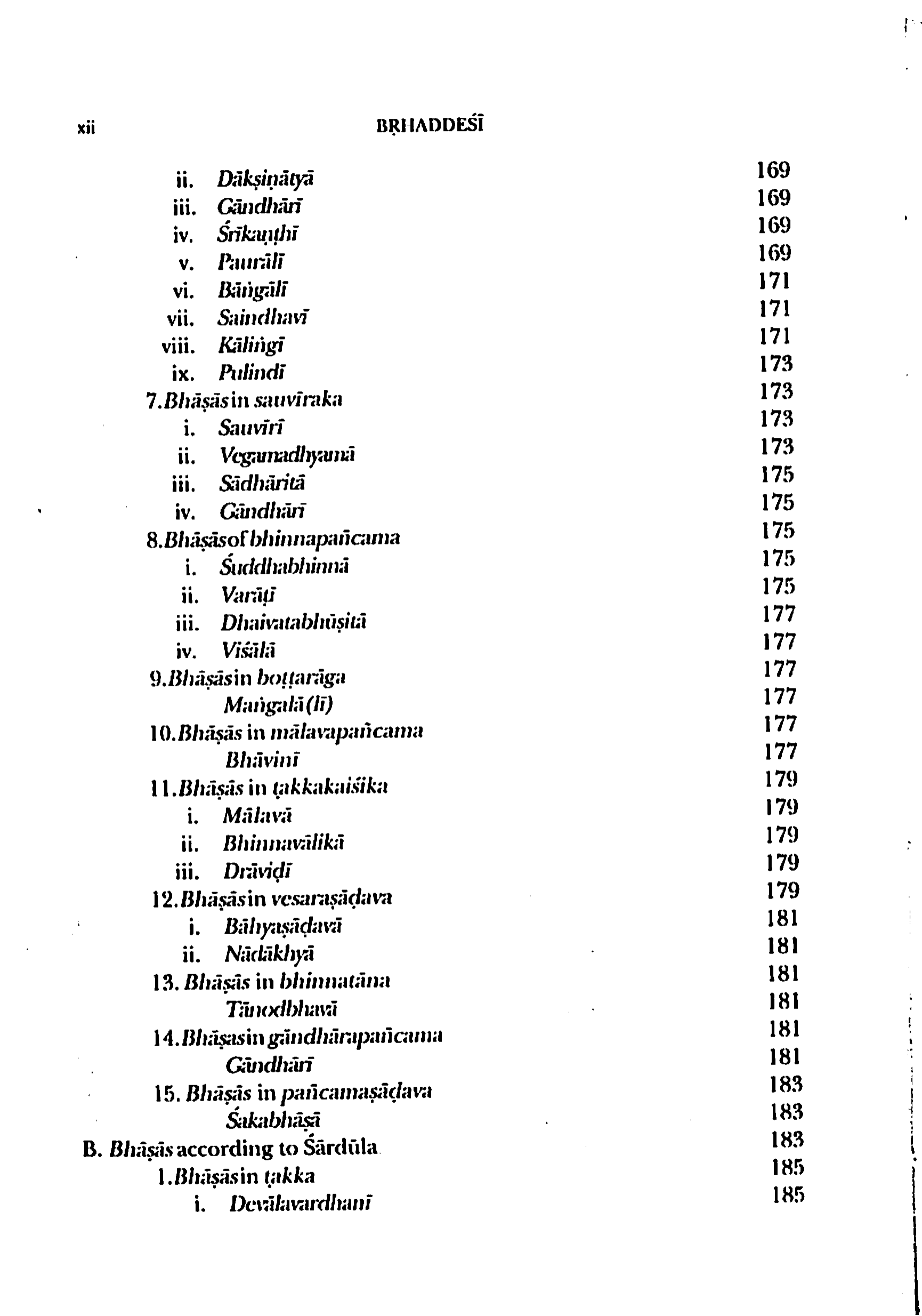
Vesaraṣāḍava is related to ṣaḍjagrāma on account of being born of ṣaḍjamadhyamā
"vesaraṣāḍava is related to ṣaḍjagrāma on account of being
born of ṣaḍjamadhyamā."
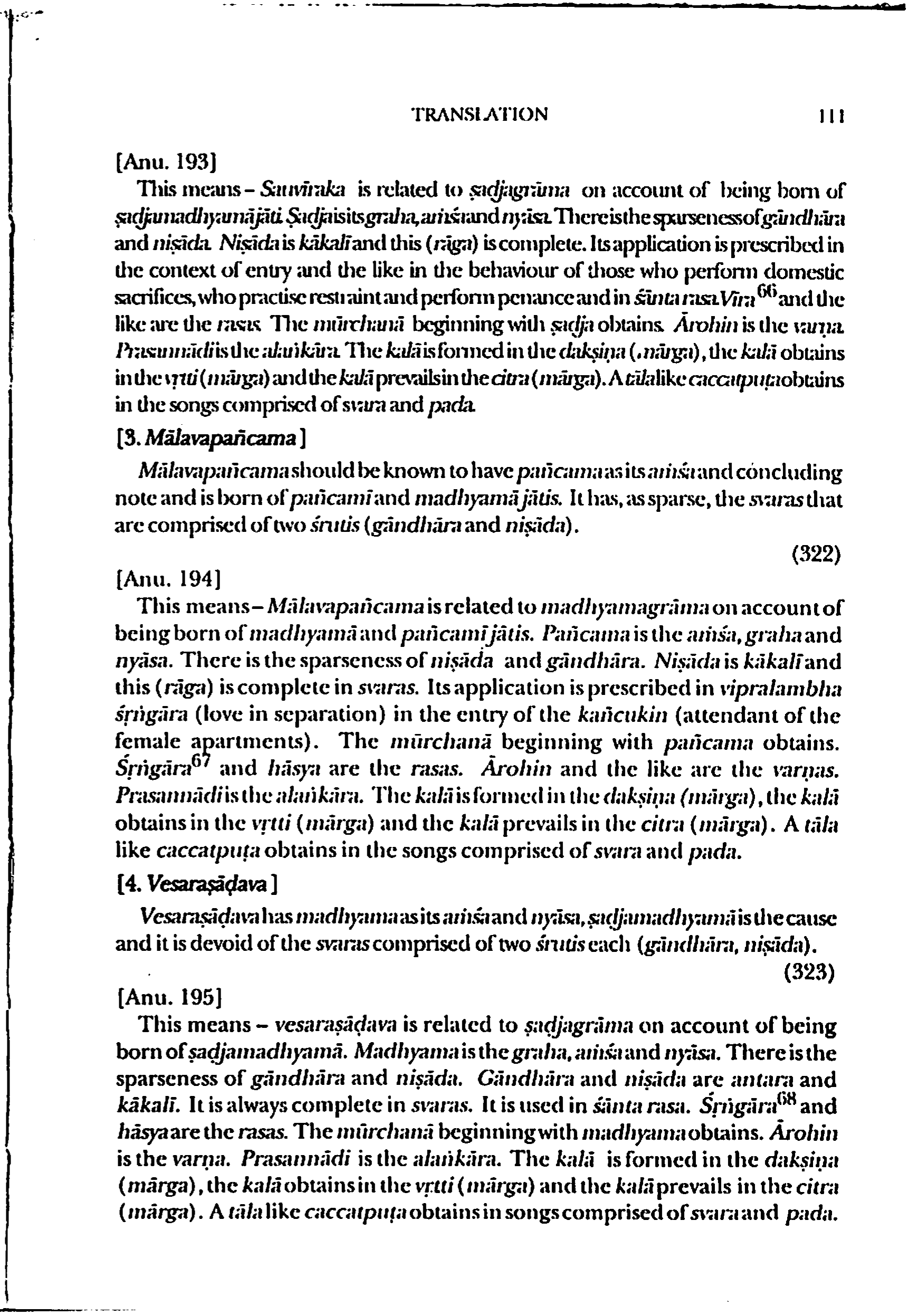
Bāhyaṣāḍavā and nādākhyā are born in vesaraṣāḍava
"The two known as bāhyaṣāḍavā and nādākhyā are born in vesaraṣāḍava."