ṣāḍava svara_combination
Grammar record (family: svara_combination)
| svara_count | six svaras | p.vol_II_p018, conf 0.95 |
| variety_count | forty-seven varieties | p.vol_II_p018, conf 0.95 |
| classification_type | चतुर्दशविधं | p.vol_II_p018, conf 0.85 |
| omitted_svaras | षड्जहीनं | p.vol_II_p023, conf 0.90 |
| nyasa | गान्धार | p.vol_II_p023, conf 0.90 |
| amsa_count | Forty-seven | p.vol_II_p027, conf 0.90 |
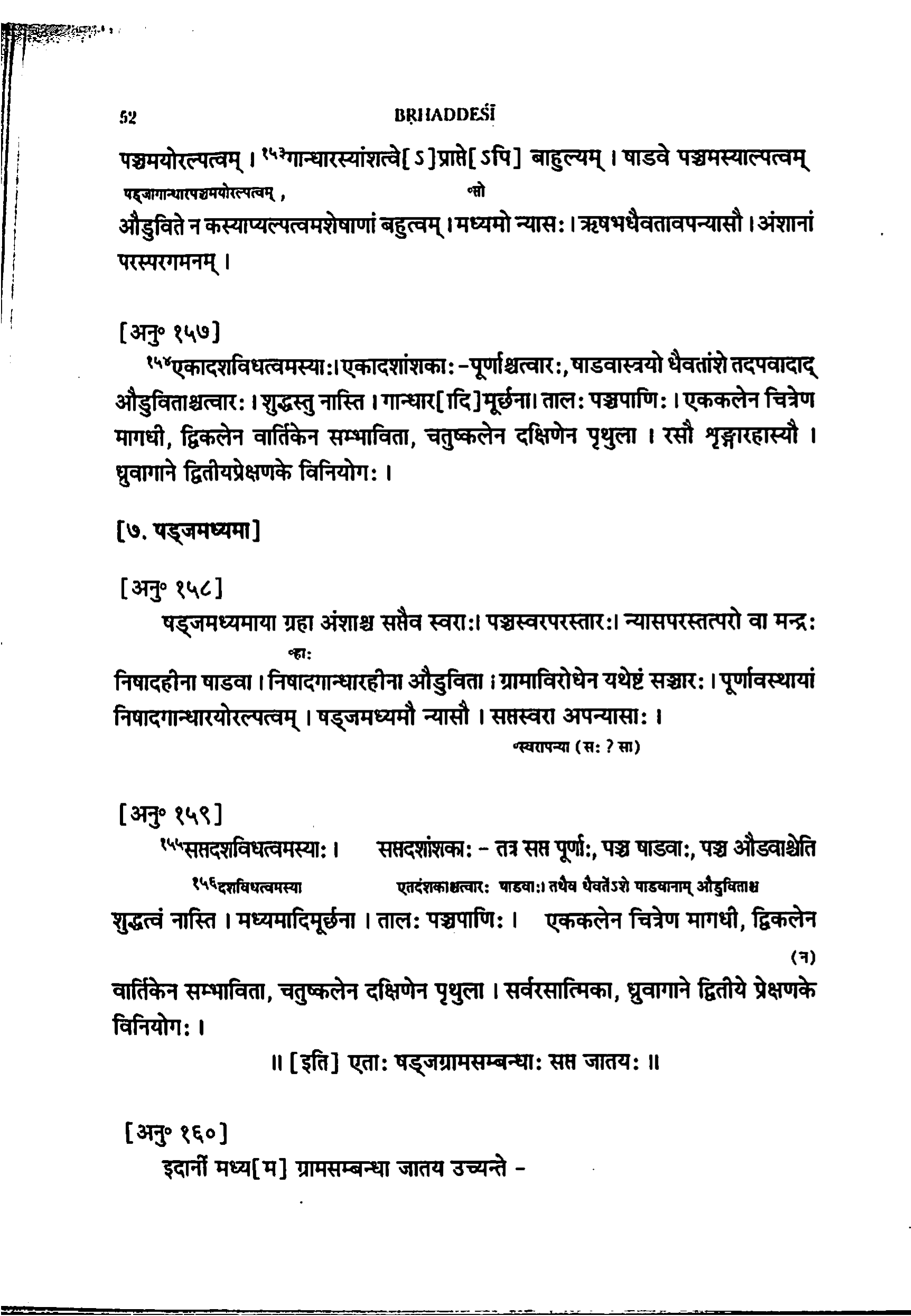
| sparse_svara | पञ्चम | p.vol_II_p035, conf 0.90 |
| samvadi_preservation | negation of the omission of the samvādī | p.vol_II_p027, conf 0.85 |
| lakshana_count | sevenfold | p.vol_I_p038, conf 0.90 |
| omitted_svaras | ga | p.vol_I_p042, conf 0.90 |
Generative rules (2) ↗ filter all
R_c25_sadavaderivation · 12 att.
ṣāḍava = forme hexatonique (6 svaras) dérivée par omission d'un svara, sous contrainte de non-omission du saṃvādī de l'aṃśasadava_tana_categorydefinition · 3 att.
Sadava is a category of tānas with six svaras, characterised here as tānas devoid of a single note (e.g. ga); enumerated as seven distinct patterns with cyclica
Pseudocode (DSL v1.1) ↗ full DSL (raw text)
RULE id: ṣāḍava (cluster 25)
SCOPE: svara_combination family
STATUS: canonical
CONFIDENCE: canonical
PROTECT: true

RECORD:
  svara_count          = six svaras
  variety_count        = forty-seven varieties
  classification_type  = चतुर्दशविधं
  omitted_svaras       = षड्जहीनं
  nyasa                = गान्धार
  amsa_count           = Forty-seven
  sparse_svara         = पञ्चम
  samvadi_preservation = negation of the omission of the samvādī
  lakshana_count       = sevenfold
  omitted_svaras       = ga
Essence pseudocode — identity + RECORD. The page citations for each slot value are in the Grammar record table above (audit trail). The full DSL adds ASSERTIONS with verbatim quotes (see Affirmations below) and CITED_RULES (see Graph relations).
Graph relations
Outgoing (27)
--[structural]--> svaras (5)--[structural]--> jāti (4)--[definition]--> aṁśa (2)--[structural]--> aṁśa (2)--[structural]--> pañcama (2)--[structural]--> ṛṣabha (2)--[structural]--> षाडवं (2)--[structural]--> nyāsa (1)--[relation]--> kārmāravī (1)--[structural]--> gāndhāra (1)--[definition]--> jāti (1)--[structural]--> āndhrī (1)--[structural]--> hexatonic (1)--[enumeration]--> tāna (1)--[structural]--> tāna (1)--[structural]--> ṣāḍjī (1)--[relation]--> Madhyamodīcyavā (1)--[definition]--> samvādī (1)--[structural]--> samvādī (1)--[definition]--> niṣāda (1)--[relation]--> gāndhārapañcamī (1)--[definition]--> pentatonic (1)--[definition]--> dhaivata (1)--[definition]--> ṣadjodīcyā (1)--[relation]--> svaras (1)--[enumeration]--> ṣāḍava rāga (1)--[structural]--> गान्धारस्य (1)
Incoming (25)
samvādī --[relation]--> (3)gāndhārī --[structural]--> (2)षाडवा --[definition]--> (2)şādava --[structural]--> (2)Ārşabhī --[enumeration]--> (2)raktagāndhārī --[enumeration]--> (1)raktagāndhārī --[structural]--> (1)kaiśikī --[structural]--> (1)sadjagrāma --[structural]--> (1)dhaivatī --[enumeration]--> (1)vesaraṣāḍava --[attribution]--> (1)ṣāḍjī --[structural]--> (1)aniśa --[structural]--> (1)samvādī --[structural]--> (1)षाडवा --[structural]--> (1)aṁśa svara --[relation]--> (1)षाडवम् --[definition]--> (1)षाडवं --[structural]--> (1)sadjakaisika --[attribution]--> (1)त्रवणा --[relation]--> (1)त्रवणोद्भवा --[structural]--> (1)वराटी --[structural]--> (1)सप्तस्वरमूर्छना --[enumeration]--> (1)itac pratyaya --[structural]--> (1)auduvita tanas --[structural]--> (1)
Affirmations (15)
Ṣāḍava is a form created by omitting the niṣāda pitch
"Its ṣāḍava (form) is (made)
through (the omission of) niṣāda."
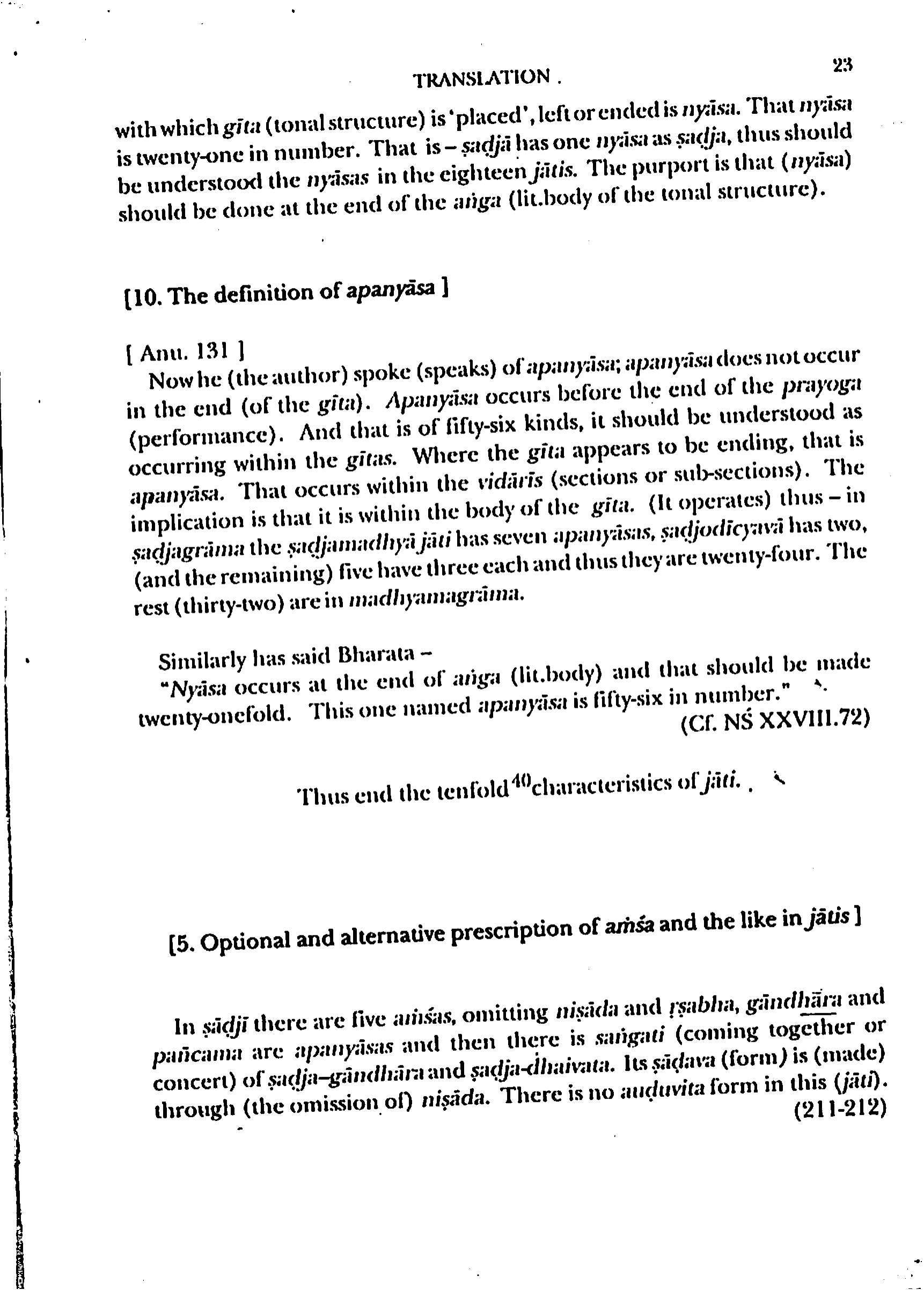
ṣāḍava is a pentatonic form (six-note scale minus one); certain aṁśas and jātis cannot produce ṣāḍava forms
"when dhaivata is the aṁśa in ṣadjodīcyā there is no ṣāḍava (form) because of the non-omission of the samvādī."
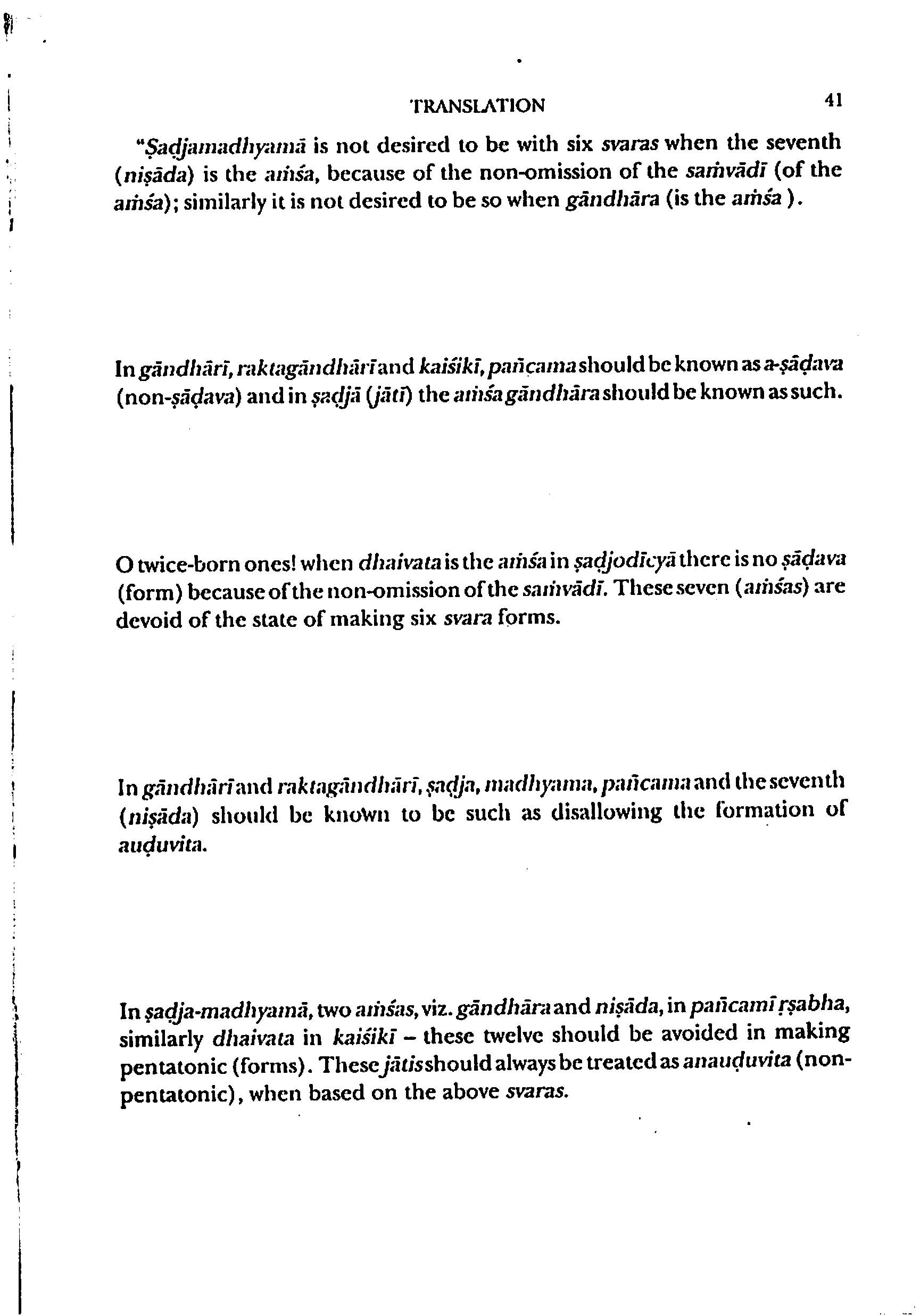
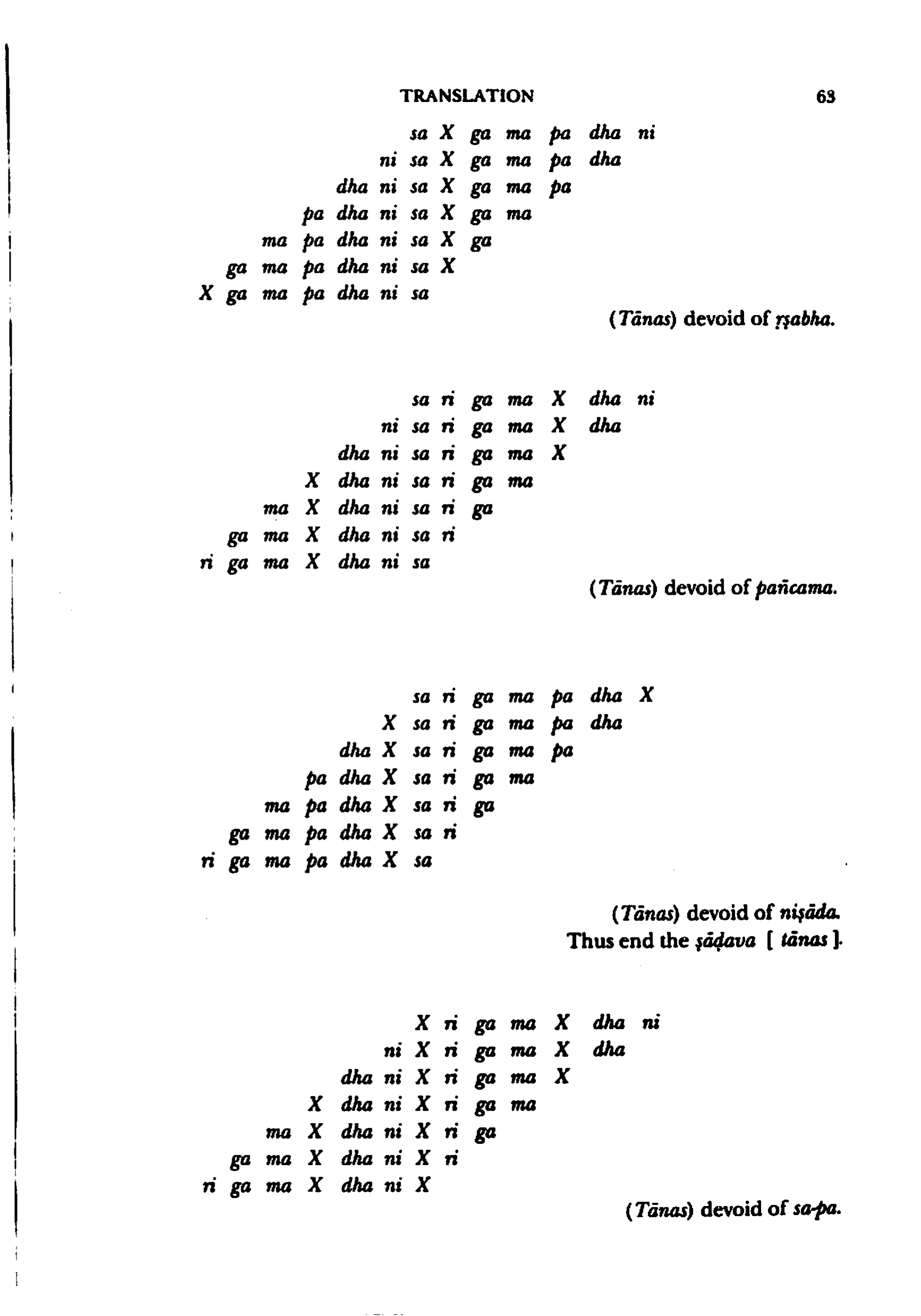
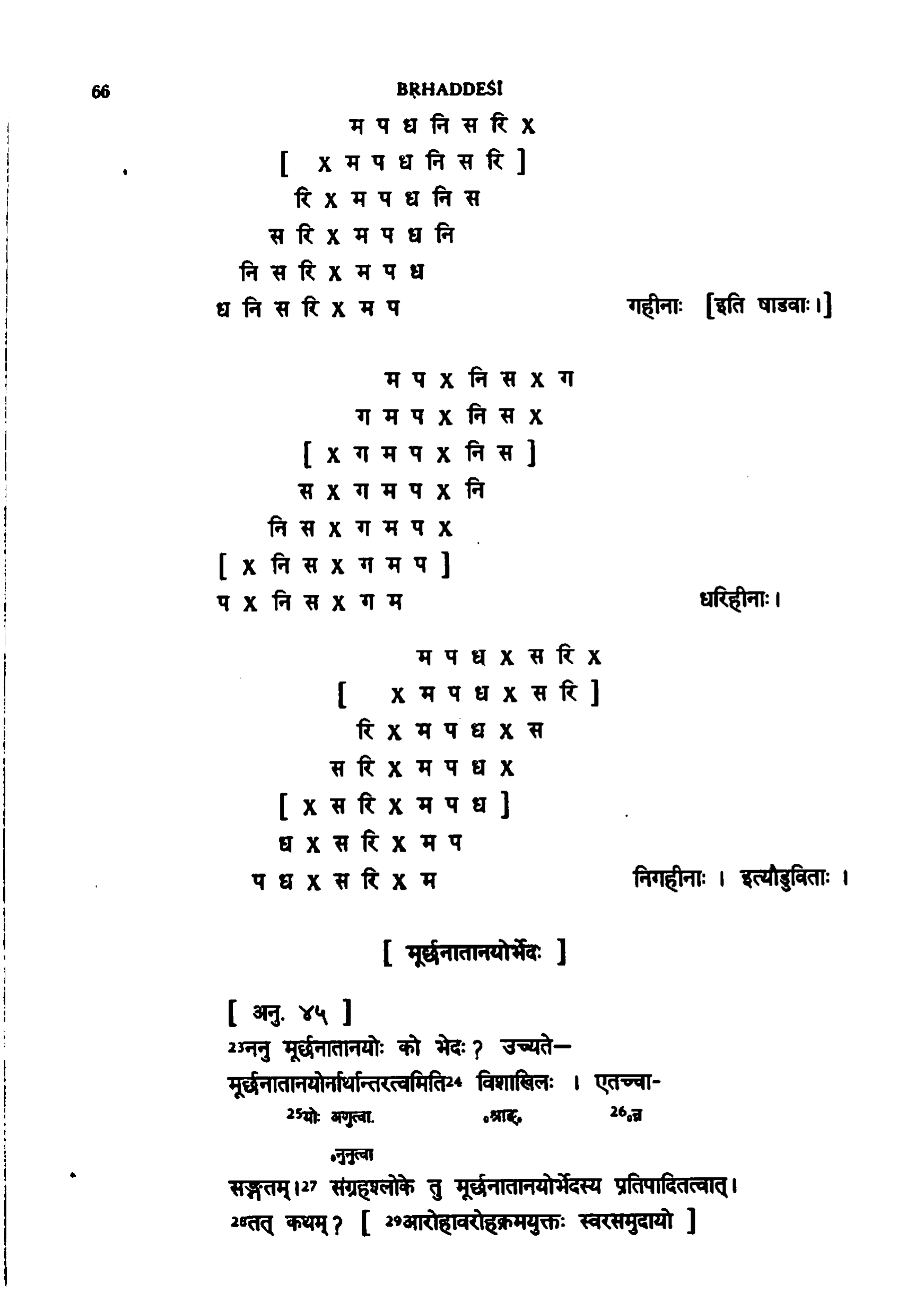
The collection of tānas devoid of single notes forms a category called sadava
"Thus end the sadava [ tanas ]."
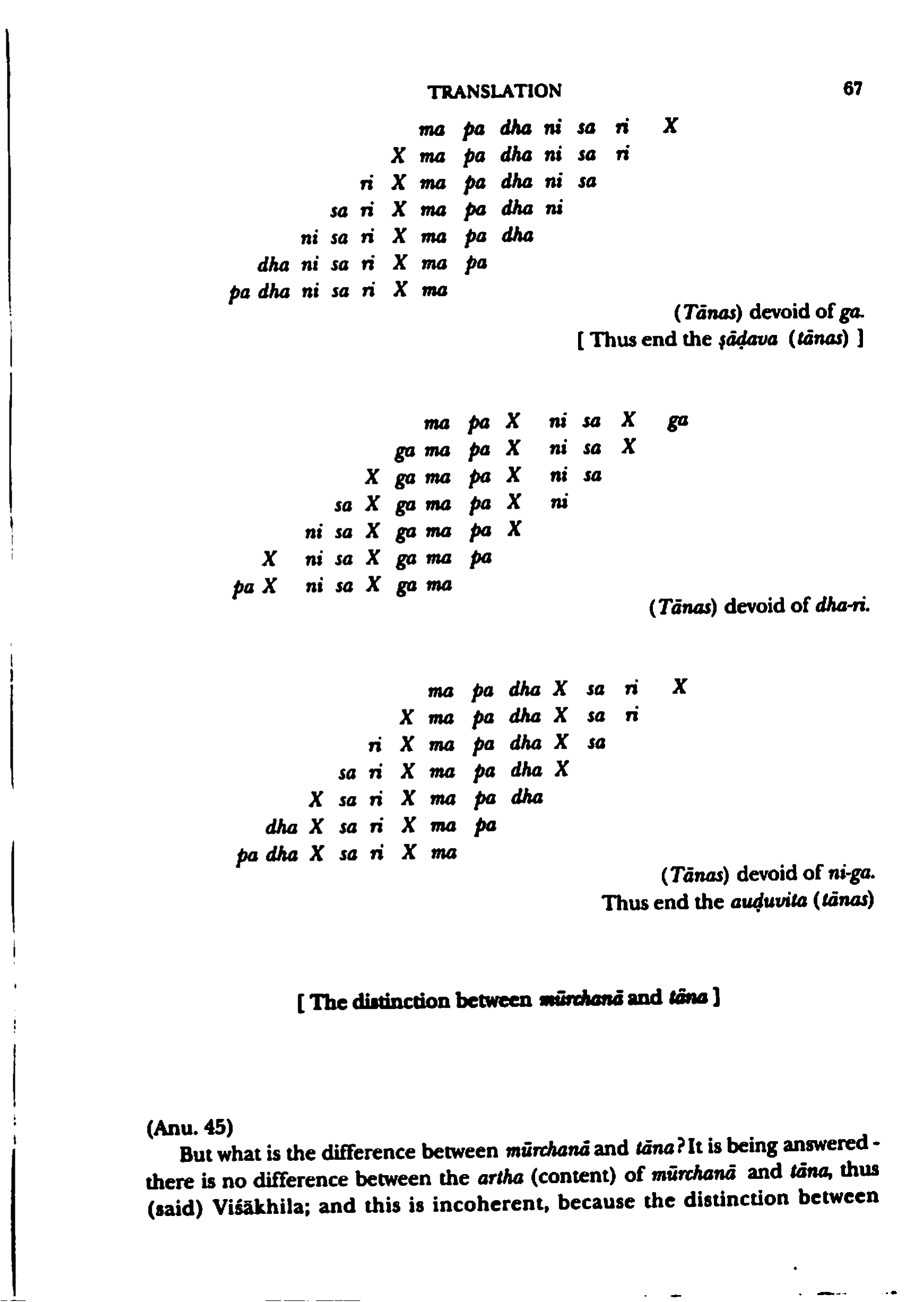
Sadava tanas are enumerated as seven distinct patterns with cyclical note sequences
"म प ध नि स रि X
X म प ध नि स रि
ri X म प ध नि स
स रि X म प ध नि
नि स रि X म प ध
ध नि स रि X म प
प ध नि स रि X म"
Madhyamodicyavā, gāndhārapañcamī, kārmāravī, and ṣaḍjakaiśiki become non-ṣāḍava with specific svara combinations
"Madhyamodicyavā (becomes non-ṣāḍava) with pa, similarly gāndhārapañcamī
(and) kārmāravī (become non-ṣāḍava) with ri-pa-ni-dha (and ) ṣaḍjakaiśiki
(becomes so) with sa - ga - pa."
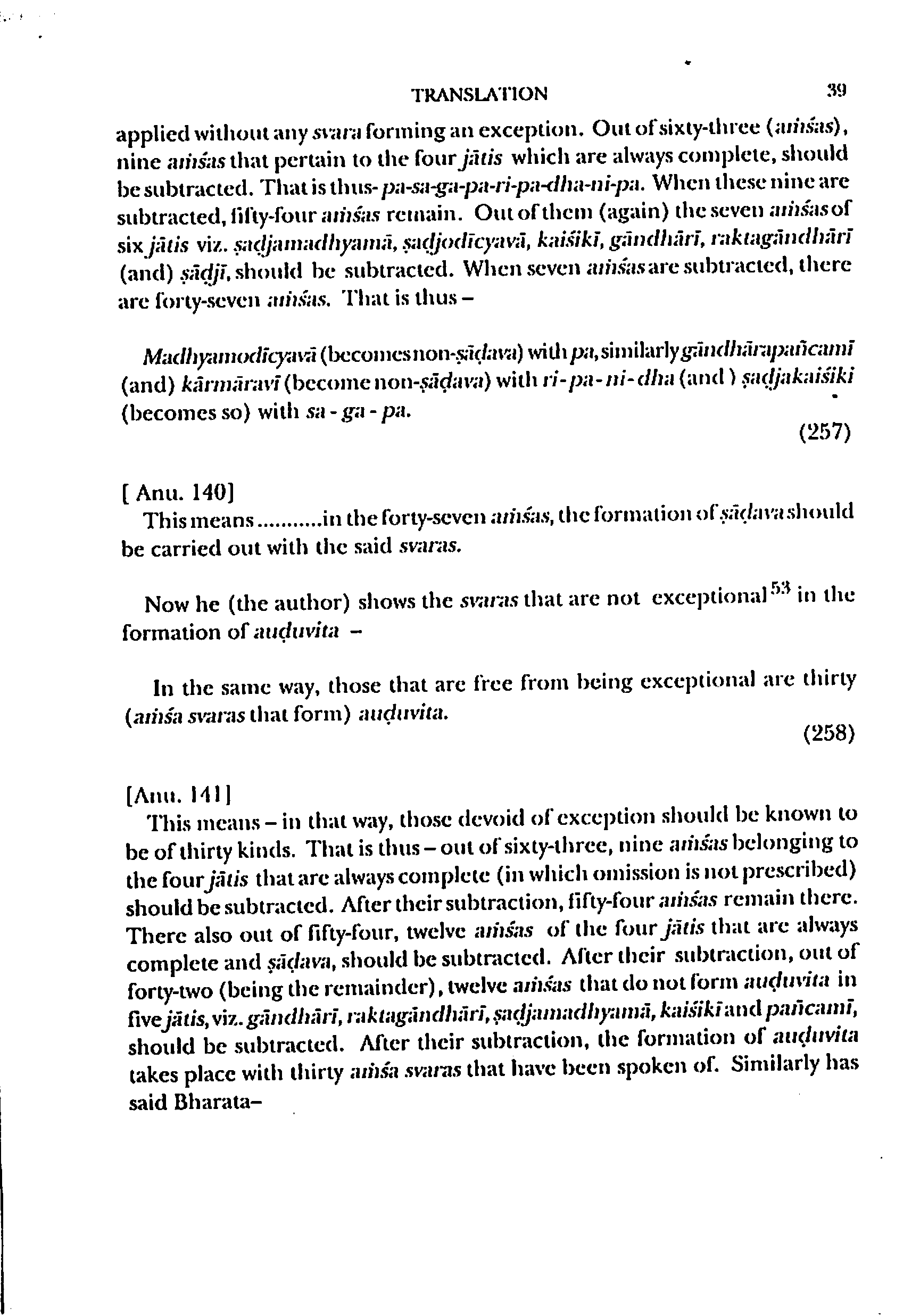
A ṣāḍava structure consists of six svaras and is fourteenfold with forty-seven varieties
"षर्स्वरं षाडवं चतुर्दशविधं सप्तचत्वारिंशत्प्रकारम्"
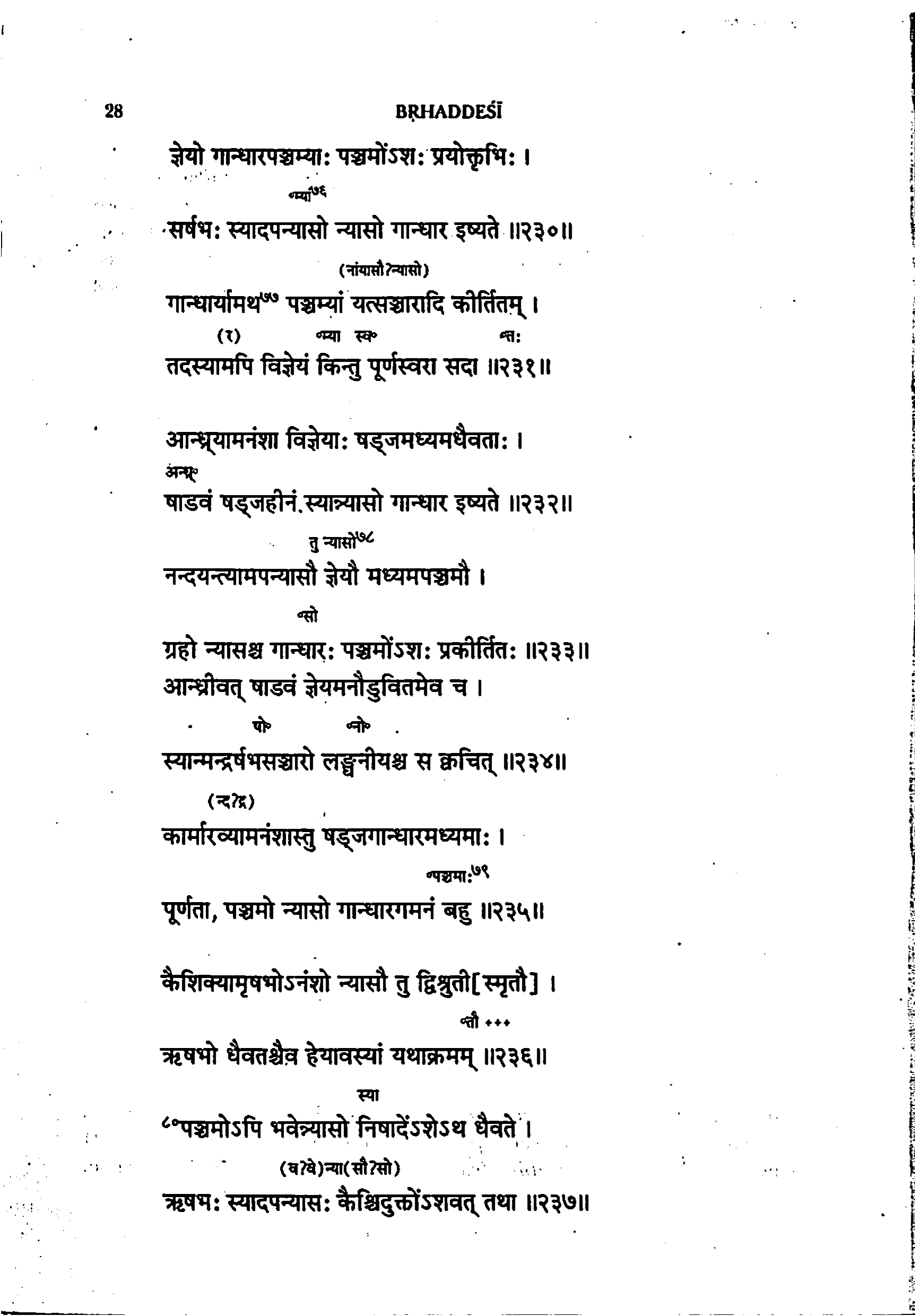
The ṣāḍava form of āndhrī is devoid of ṣaḍja and uses gāndhāra as nyāsa
"षाडवं षड्जहीनं.स्यात्र्यासो गान्धार इष्यते"
Ṣāḍava formations involve omitting certain svaras while preserving the samvādī of the aṁśa
"do not become ṣāḍava on account of (the omission of) ṛṣabha, on pañcama being the aṁśa, because of the negation of the omission of the samvādī"
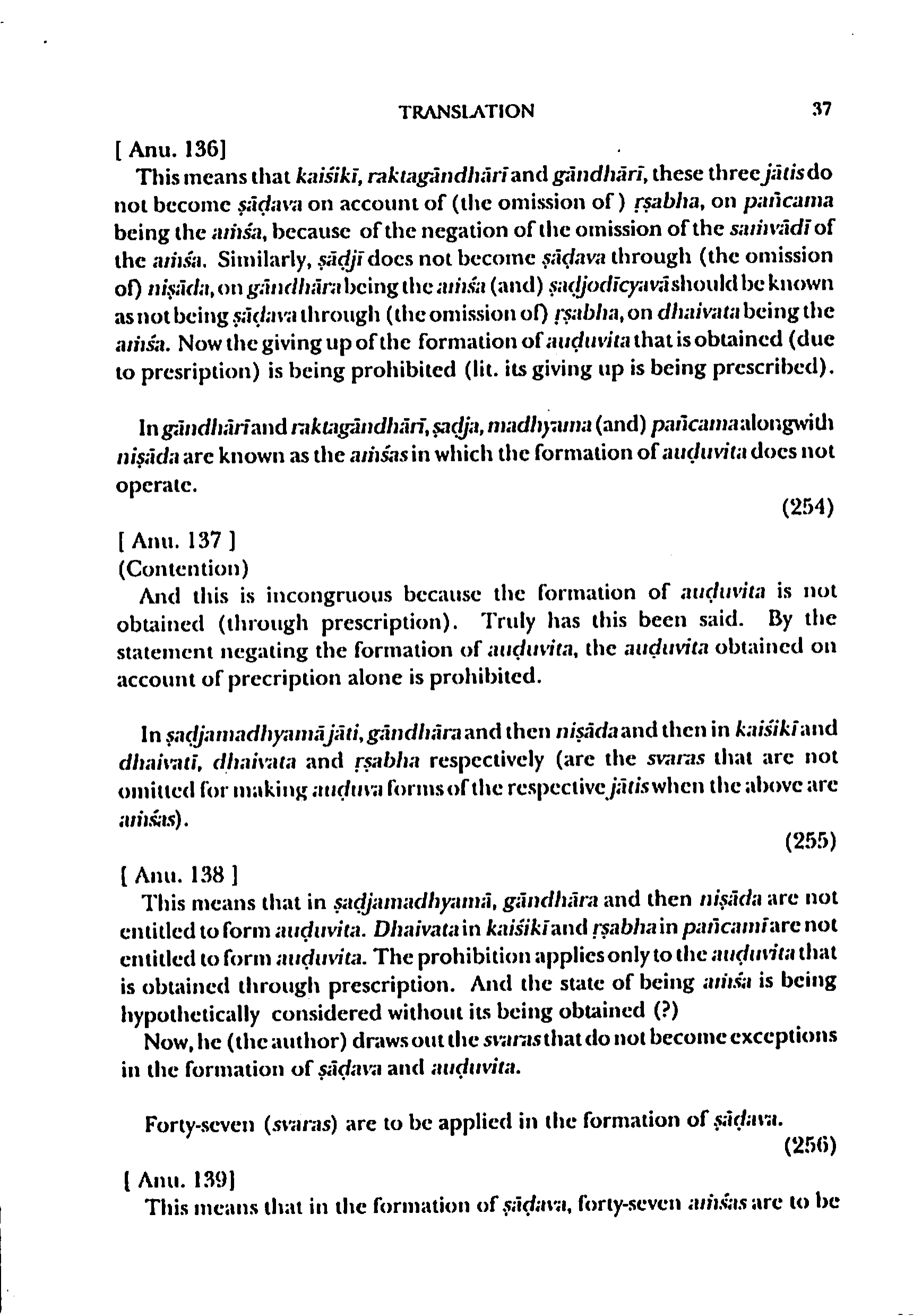
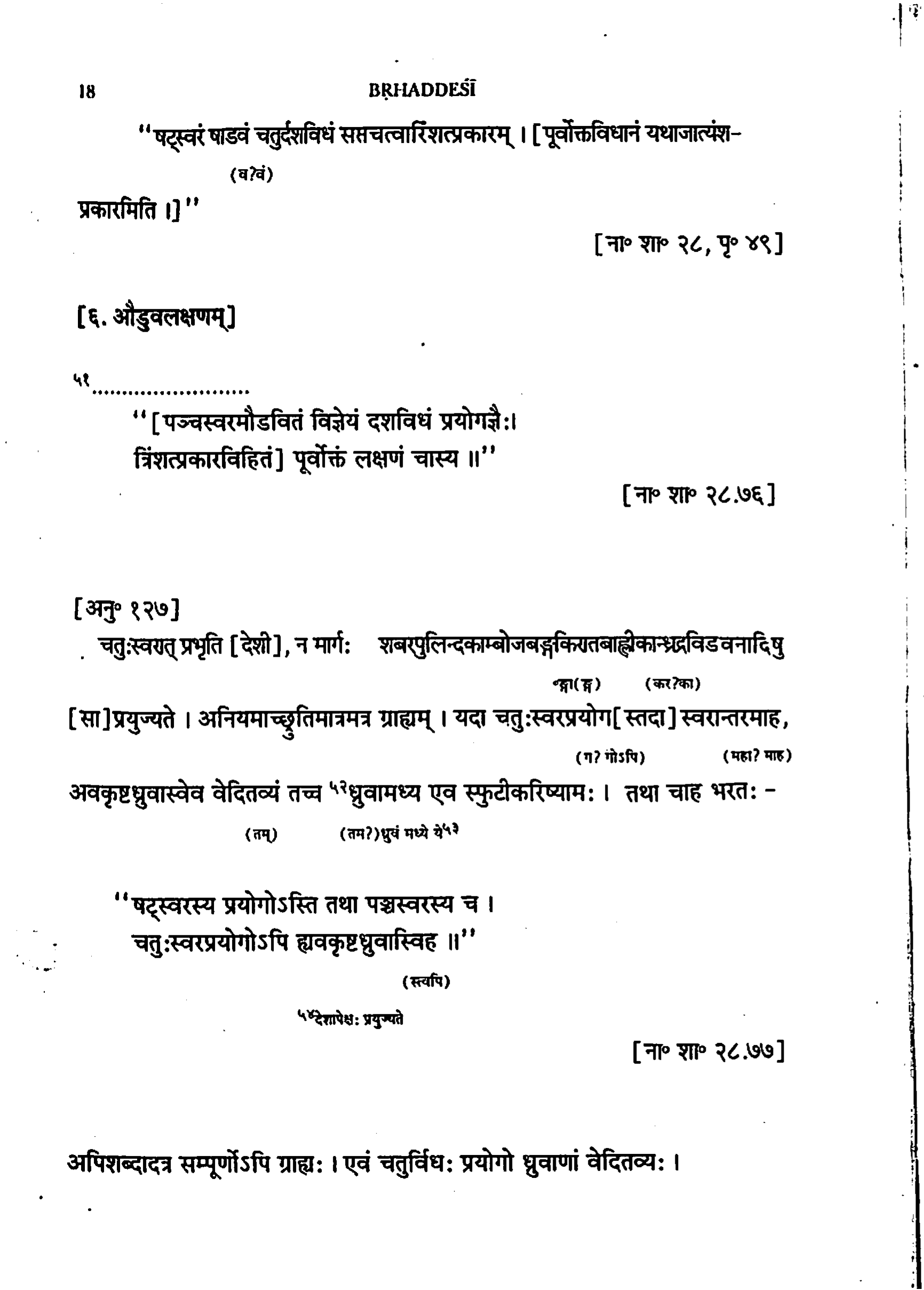
Forty-seven aṁśas are to be applied in the formation of ṣāḍava
"Forty-seven (svaras) are to be applied in the formation of ṣāḍava."
ṣāḍava is a formation that should be performed using specific svaras from the forty-seven remaining amsas
"in the forty-seven anisas, the formation of ṣāḍava should
be carried out with the said svaras."
Four jatis that are always complete and ṣāḍava together have twelve amsas that should be subtracted
"out of fifty-four, twelve amsas of the four jātis that are always
complete and ṣāḍava, should be subtracted."
Nine amsas belonging to four jatis that are always complete should be subtracted from sixty-three amsas
"Out of sixty-three (anisas),
nine amsas that pertain to the four jātis which are always complete, should
be subtracted."
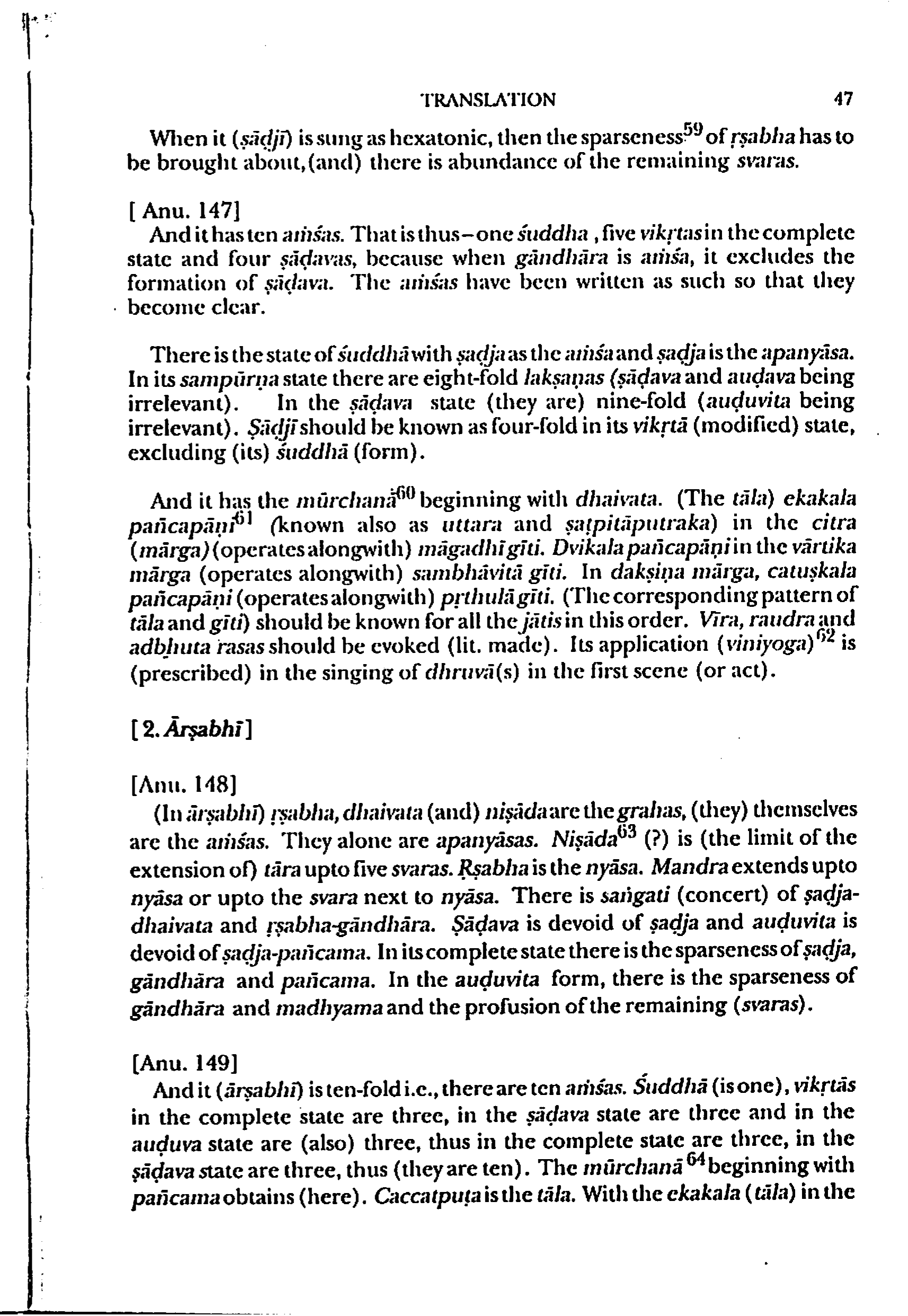
When ṣāḍjī is sung as hexatonic, ṛṣabha becomes sparse and remaining svaras become abundant
"When it (ṣāḍjī) is sung as hexatonic, then the sparseness of ṛṣabha has to
be brought about, (and) there is abundance of the remaining svaras."
In the ṣāḍava state, pañcama has the property of sparseness
"षाडवे पञ्चमस्यात्पत्वम्"
Sadava refers to a category of tanas that are devoid of ga (the note ga)
"(Tānas) devoid of ga.
[Thus end the sadava (tanas)]"