ṛṣabha svara_name
Grammar record (family: svara_name)
| frequency_in_context | Ṛṣabha is sparse | p.vol_II_p040, conf 0.90 |
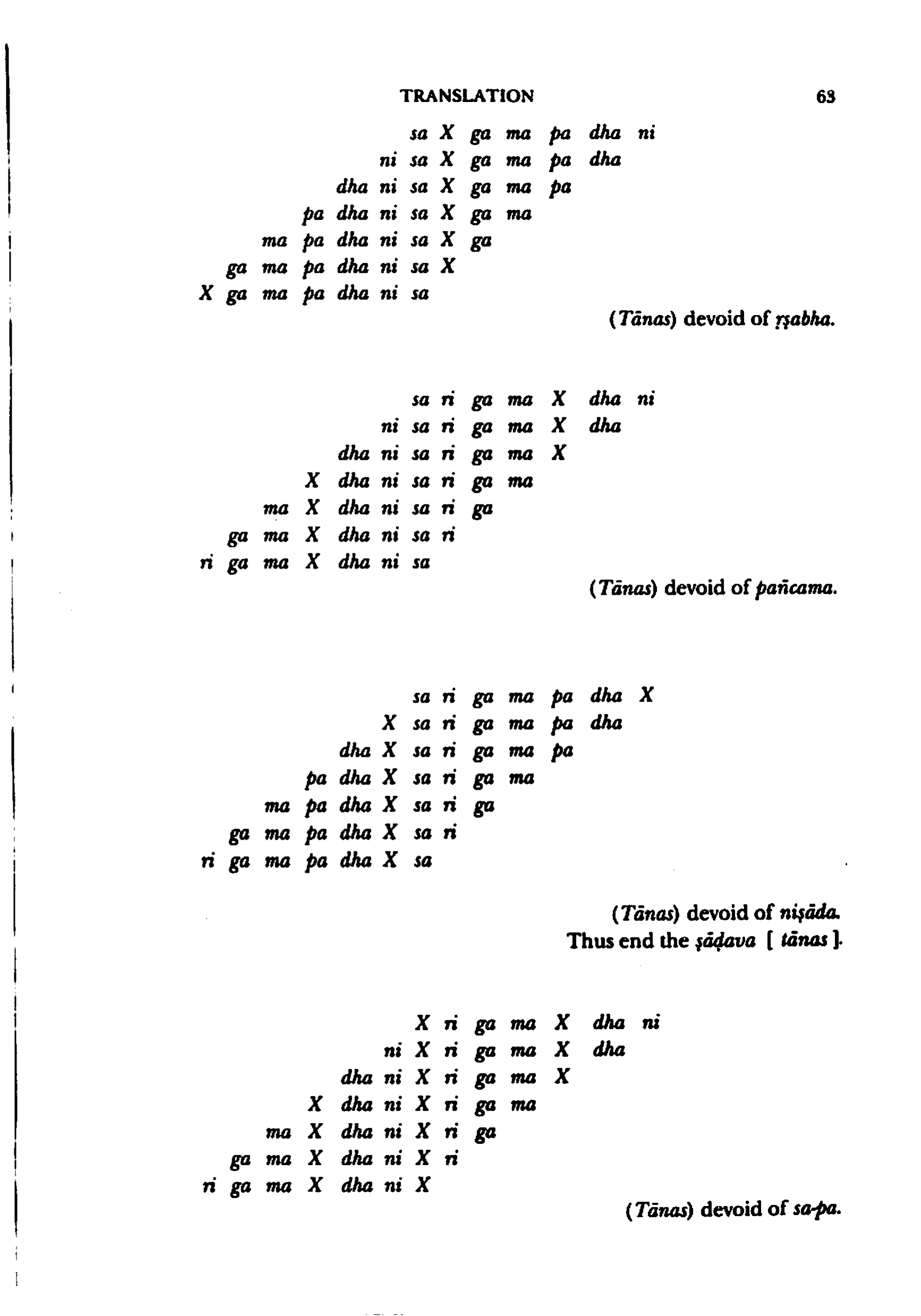
| movement_properties | devoid of ṛṣabha | p.vol_I_p040, conf 0.85 |
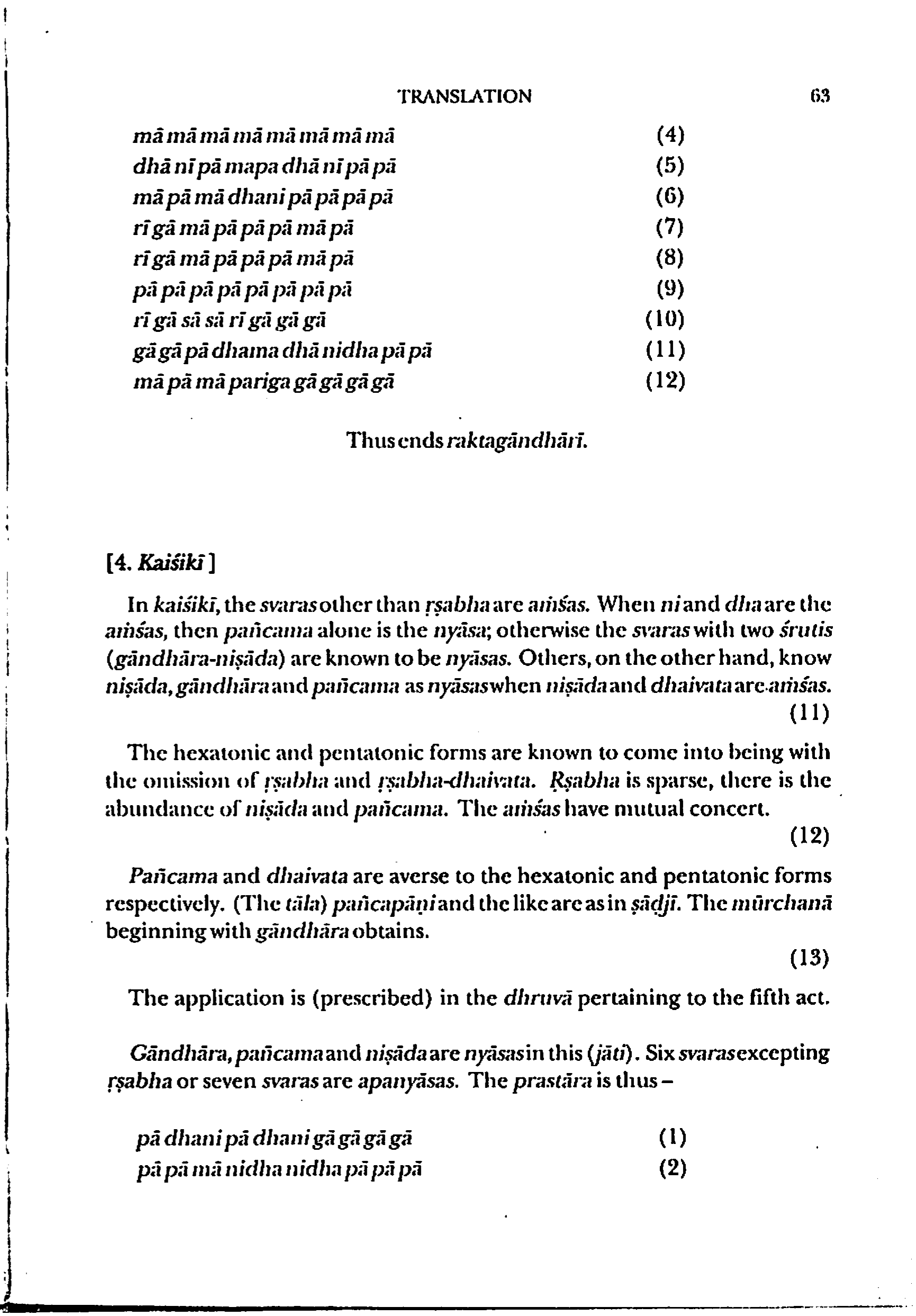
| omissible_in_forms | The hexatonic and pentatonic forms are known to come into being with the omission of ṛṣabha | p.vol_II_p040, conf 0.60 |
Generative rules (1) ↗ filter all
r_brd_533_rsabha_omissiontransformation · 2 att.
In kaiśikī, ṛṣabha is sparse and may be omitted to derive hexatonic/pentatonic forms; tānas can be built without ṛṣabha
Pseudocode (DSL v1.1) ↗ full DSL (raw text)
RULE id: ṛṣabha (cluster 533)
SCOPE: svara_name family
STATUS: canonical
CONFIDENCE: canonical
PROTECT: true

RECORD:
  frequency_in_context = Ṛṣabha is sparse
  movement_properties  = devoid of ṛṣabha
  omissible_in_forms   = The hexatonic and pentatonic forms are known to come into being with the omission of ṛṣabha
Essence pseudocode — identity + RECORD. The page citations for each slot value are in the Grammar record table above (audit trail). The full DSL adds ASSERTIONS with verbatim quotes (see Affirmations below) and CITED_RULES (see Graph relations).
Graph relations
Outgoing (5)
--[structural]--> kaiśikī (1)--[structural]--> hexatonic (1)--[structural]--> tāna (1)--[structural]--> pentatonic (1)--[structural]--> dhaivata (1)
Incoming (57)
sangati --[relation]--> (3)pañcamī --[structural]--> (3)mūrchanā --[relation]--> (2)aṁśa --[definition]--> (2)vibhāṣā --[structural]--> (2)apanyāsa --[structural]--> (2)ṣāḍava --[structural]--> (2)raktagāndhārī --[structural]--> (2)kaiśikī --[structural]--> (2)sadjagrāma --[relation]--> (2)sadjagrāma --[structural]--> (2)revagupta --[structural]--> (2)पौराली --[structural]--> (2)anuvāditva --[structural]--> (2)mūrchanā --[structural]--> (1)madhyamagrāma --[relation]--> (1)madhyamagrāma --[structural]--> (1)Bharata --[citation]--> (1)auduvita --[definition]--> (1)bhinnaṣaḍja --[structural]--> (1)gāndhārī --[structural]--> (1)kakubha --[relation]--> (1)pañcamaṣāḍava --[structural]--> (1)bhinnatāna --[structural]--> (1)pañcamī --[relation]--> (1)dhaivatī --[structural]--> (1)samvādin --[relation]--> (1)Gūrjarī --[structural]--> (1)saindhavī --[structural]--> (1)ṣāḍjī --[structural]--> (1)aniśa --[structural]--> (1)anuvādin --[structural]--> (1)bhāvinī --[structural]--> (1)niṣādavatī --[structural]--> (1)bāhyaṣāḍavā --[structural]--> (1)Sauvīrī --[structural]--> (1)Naisādī --[structural]--> (1)आन्ध्री --[enumeration]--> (1)आन्ध्री --[relation]--> (1)prathamamañjarī --[structural]--> (1)dohyā --[structural]--> (1)şadjodicyavā --[structural]--> (1)vikrtā state --[relation]--> (1)षाडवम् --[definition]--> (1)षाडवं --[structural]--> (1)Saigati --[relation]--> (1)त्रवणोद्भवा --[structural]--> (1)वेरञ्ज?िका --[structural]--> (1)pañcamākhyā --[structural]--> (1)concert --[relation]--> (1)Kālingī --[structural]--> (1)śakabhāṣā --[structural]--> (1)Trāvaṇī --[structural]--> (1)kausalī --[structural]--> (1)svaravallitikā --[structural]--> (1)Bhammānikā --[structural]--> (1)svara-grāma --[relation]--> (1)
Affirmations (2)
In kaiśikī, ṛṣabha is sparse in occurrence and is omitted to form hexatonic and pentatonic varieties
"The hexatonic and pentatonic forms are known to come into being with
the omission of ṛṣabha and ṛṣabha-dhaivata. Ṛṣabha is sparse"
Tānas can be constructed devoid of the note ṛṣabha
"(Tānas) devoid of ṛṣabha."