kārmāravī jati
Generative rules (2) ↗ filter all
karmaravi_non_amsas_and_nyasastructural · 3 att.
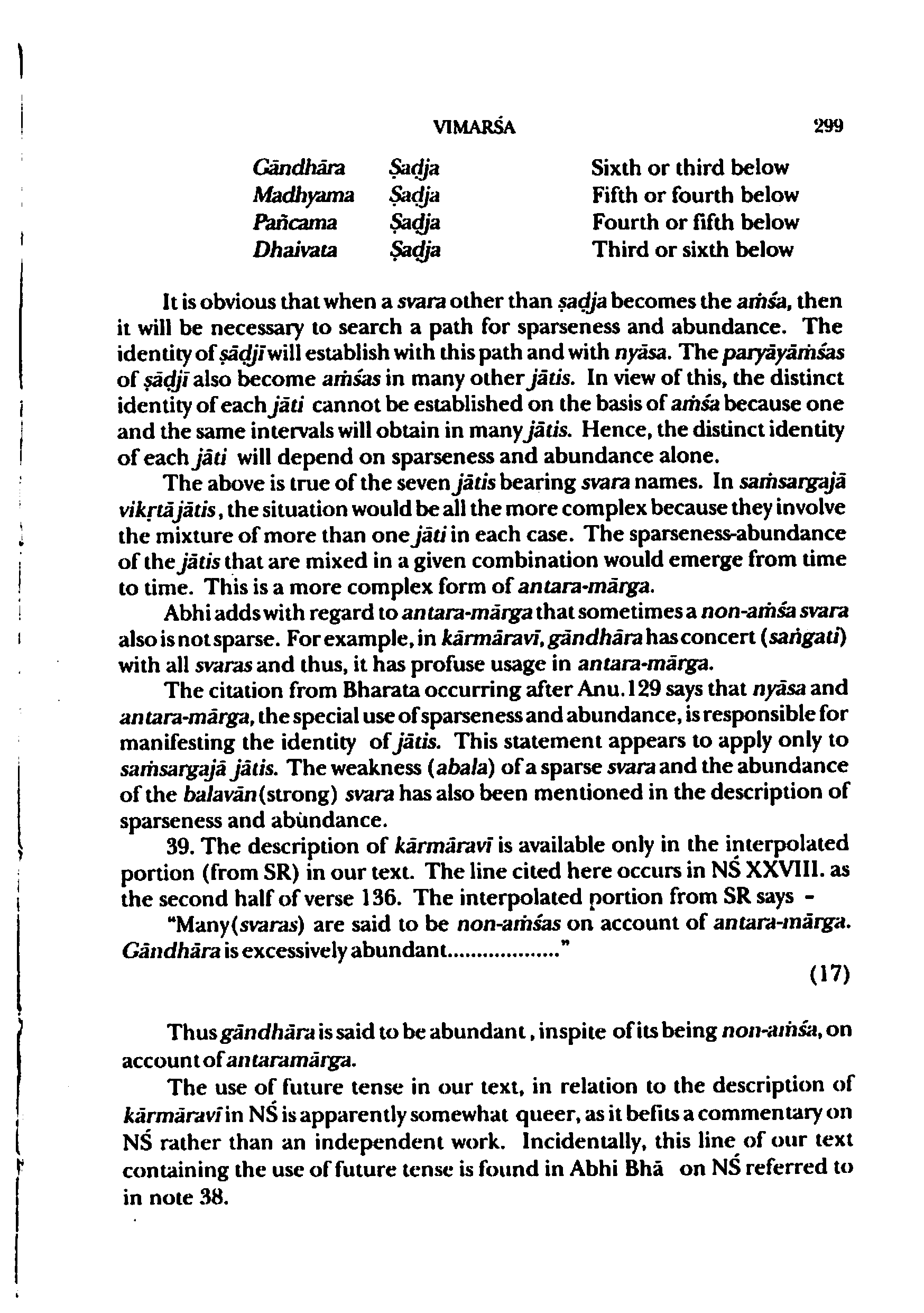
In kārmāravī, ṣaḍja, gāndhāra, madhyama are non-aṁśas; pañcama is the nyāsa with profuse movement towards gāndhāra; gāndhāra has sangati with all svaras hence fkarmaravi_formationderivation · 1 att.
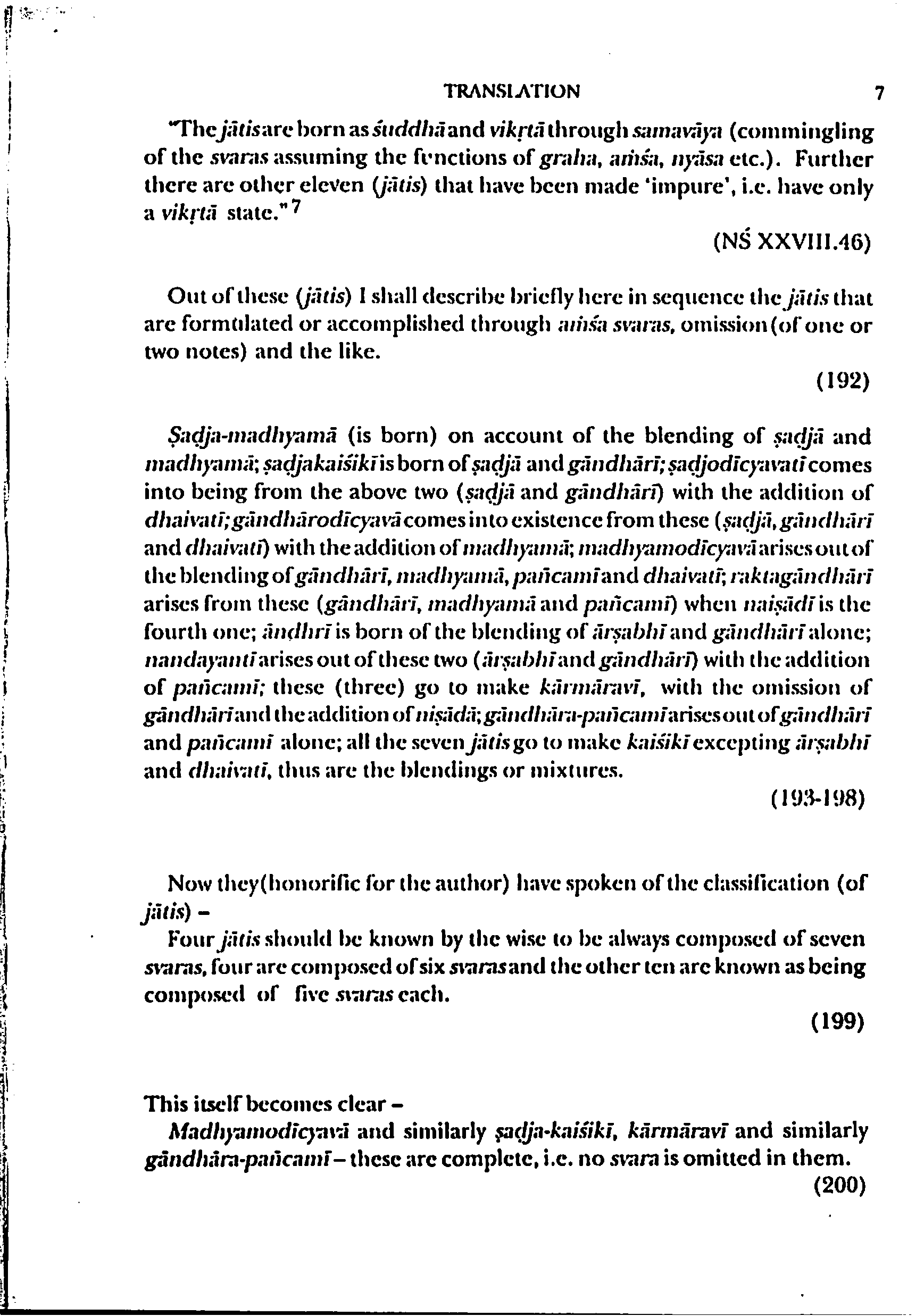
Kārmāravī is formed from ārṣabhī, gāndhārī, and pañcamī jātis with omission of gāndhāri and addition of niṣādā.
Pseudocode (DSL v1.1) ↗ full DSL (raw text)
RULE id: kārmāravī (cluster 33)
SCOPE: jati family
STATUS: canonical
CONFIDENCE: canonical
PROTECT: true
Essence pseudocode — identity + RECORD. The page citations for each slot value are in the Grammar record table above (audit trail). The full DSL adds ASSERTIONS with verbatim quotes (see Affirmations below) and CITED_RULES (see Graph relations).
Graph relations
Outgoing (11)
--[structural]--> gāndhāra (3)--[structural]--> nyāsa (1)--[structural]--> sangati (1)--[structural]--> pañcama (1)--[structural]--> antara (1)--[structural]--> mārga (1)--[structural]--> aṁśa svara (1)--[structural]--> concert (1)--[structural]--> svaras (1)--[structural]--> madhyama (1)--[structural]--> Şadja (1)
Incoming (8)
madhyamagrāma --[relation]--> (1)ṣāḍava --[relation]--> (1)gāndhāra --[relation]--> (1)गान्धारपञ्चमी --[enumeration]--> (1)śuddhakaiśika --[definition]--> (1)मध्यमोदीच्यवा --[enumeration]--> (1)कार्मारवी --[structural]--> (1)bhinnakaiśika --[relation]--> (1)
Affirmations (4)
kārmāravī is formed from ārṣabhī, gāndhārī and pañcamī with omission of gāndhāri and addition of niṣādā
"these (three) go to make kārmāravī, with the omission of
gāndhāri and the addition of niṣādā"
In kārmāravī, şadja, gāndhāra and madhyama are non-amsas
"कार्मारव्यामनंशास्तु षड्जगान्धारमध्यमा"
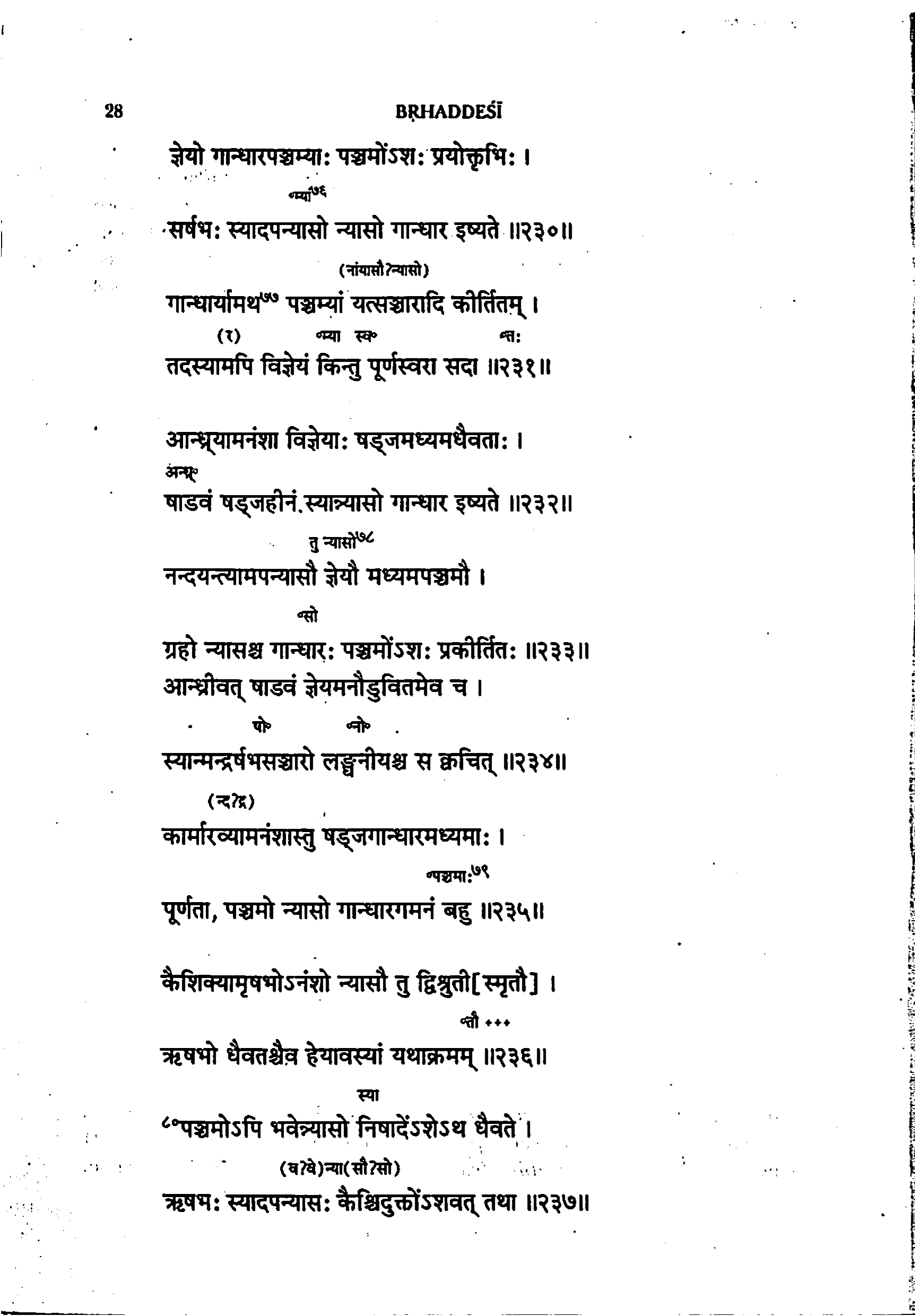
In kārmāravī, pañcama is the nyāsa with profuse movement towards gāndhāra
"पञ्चमो न्यासो गान्धारगमनं बहु"
In kārmāravī, gāndhāra has sangati with all svaras and thus has profuse usage despite being a non-aṁśa svara
"in kārmāravī, gāndhāra has concert (sangati) with all svaras and thus, it has profuse usage in antara-mārga."