bhāvinī technical_term
Generative rules (2) ↗ filter all
R_c193_bhavinistructural · 4 att.
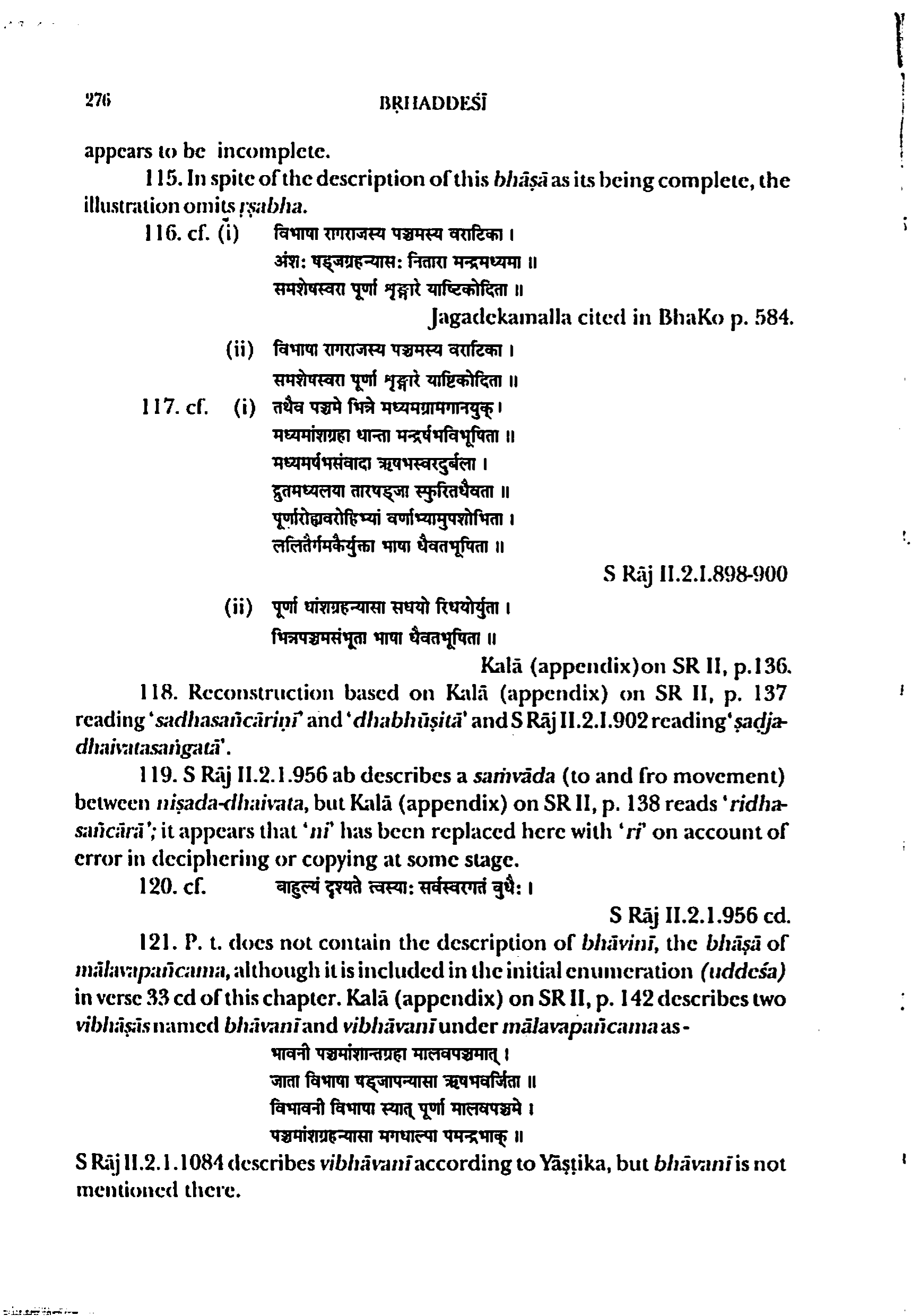
bhāvinī = bhāṣā de mālavapañcama rāga; pañcama nyāsa, gāndhāra aṃśa, dhaivata faible, mouvement dense madhyama-pañcama; belle pour le peupleR_1338_bhavani_vibhasastructural · 1 att.
Bhāvanī = vibhāṣā de mālavapañcama avec pañcama comme graha, śaḍja comme nyāsa, sans ṛṣabha.
Pseudocode (DSL v1.1) ↗ full DSL (raw text)
RULE id: bhāvinī (cluster 193)
SCOPE: technical_term family
STATUS: traditional
CONFIDENCE: traditional
PROTECT: false
Essence pseudocode — identity + RECORD. The page citations for each slot value are in the Grammar record table above (audit trail). The full DSL adds ASSERTIONS with verbatim quotes (see Affirmations below) and CITED_RULES (see Graph relations).
Graph relations
Outgoing (16)
--[structural]--> nyāsa (2)--[relation]--> bhāṣā (2)--[structural]--> pañcama (2)--[structural]--> vibhāṣā (1)--[definition]--> bhāṣā (1)--[structural]--> graha (1)--[relation]--> mālavapañcama (1)--[structural]--> mālavapañcama (1)--[structural]--> विभाषा (1)--[structural]--> dhaivata (1)--[structural]--> ṛṣabha (1)--[structural]--> षड्ज (1)--[definition]--> Bottaraga (1)--[structural]--> gāndhāra as aṁśa (1)--[structural]--> madhyama (1)--[relation]--> rāga (1)
Incoming (9)
aṁśa --[structural]--> (1)Kalā --[citation]--> (1)nyāsa --[structural]--> (1)gāndhāra --[relation]--> (1)pañcama --[enumeration]--> (1)mālavapañcama --[enumeration]--> (1)mālavapañcama --[relation]--> (1)mālavapañcama --[structural]--> (1)gändharva --[relation]--> (1)
Affirmations (5)
The baṅgāla bhāṣā form in Bottaraga is also known as Maṅgalā due to its auspicious and commendable qualities
"Since it is auspicious and commendable, it is known
as mangalā."
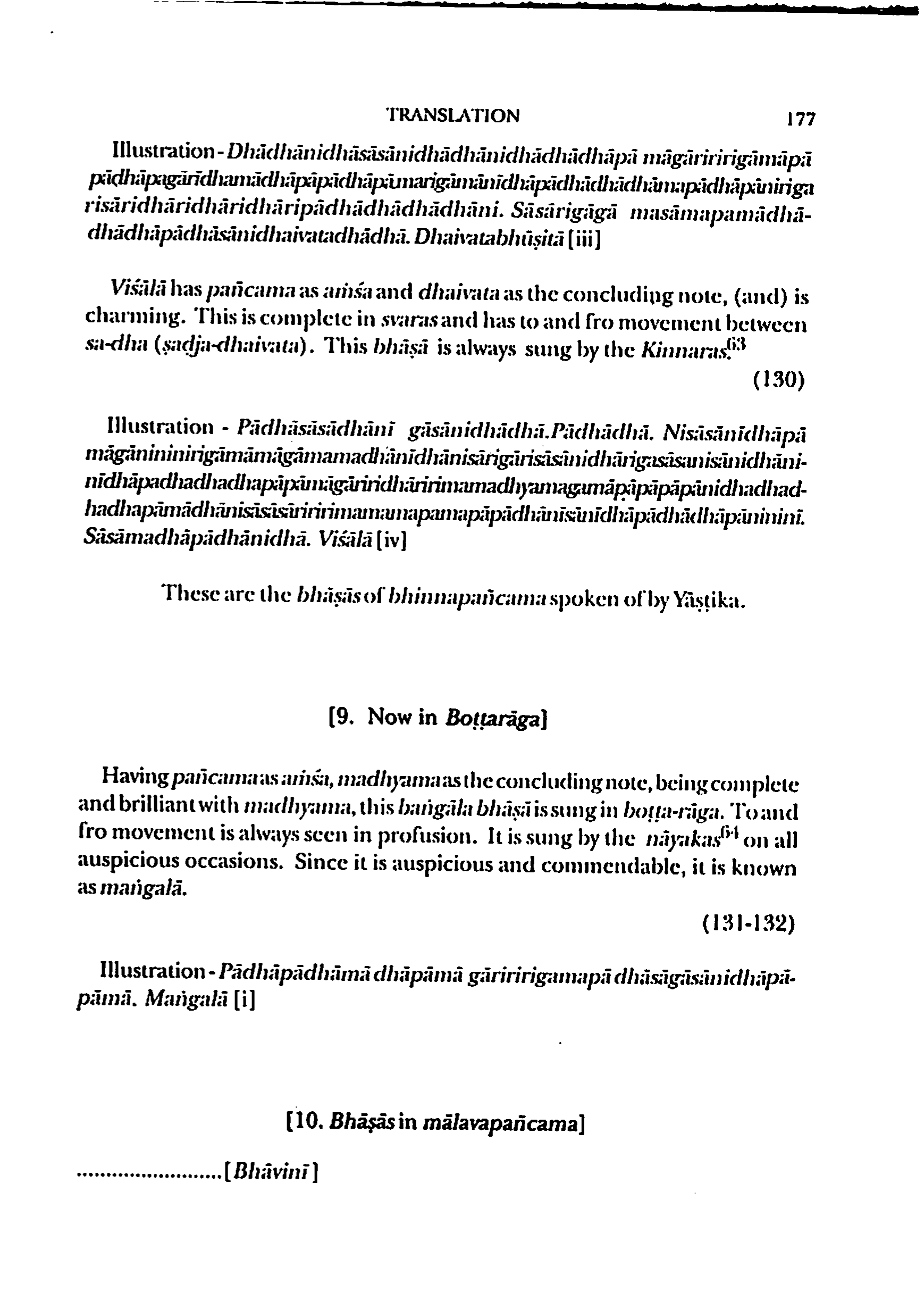
Bhāvinī is a bhāṣā type found in the mālavapañcama rāga
"[10. Bhāṣās in mālavapañcama]
.....[Bhāvinī]"
Bhāvinī is beautiful for the people
"bhāvinī, the one that is beautiful for the people"
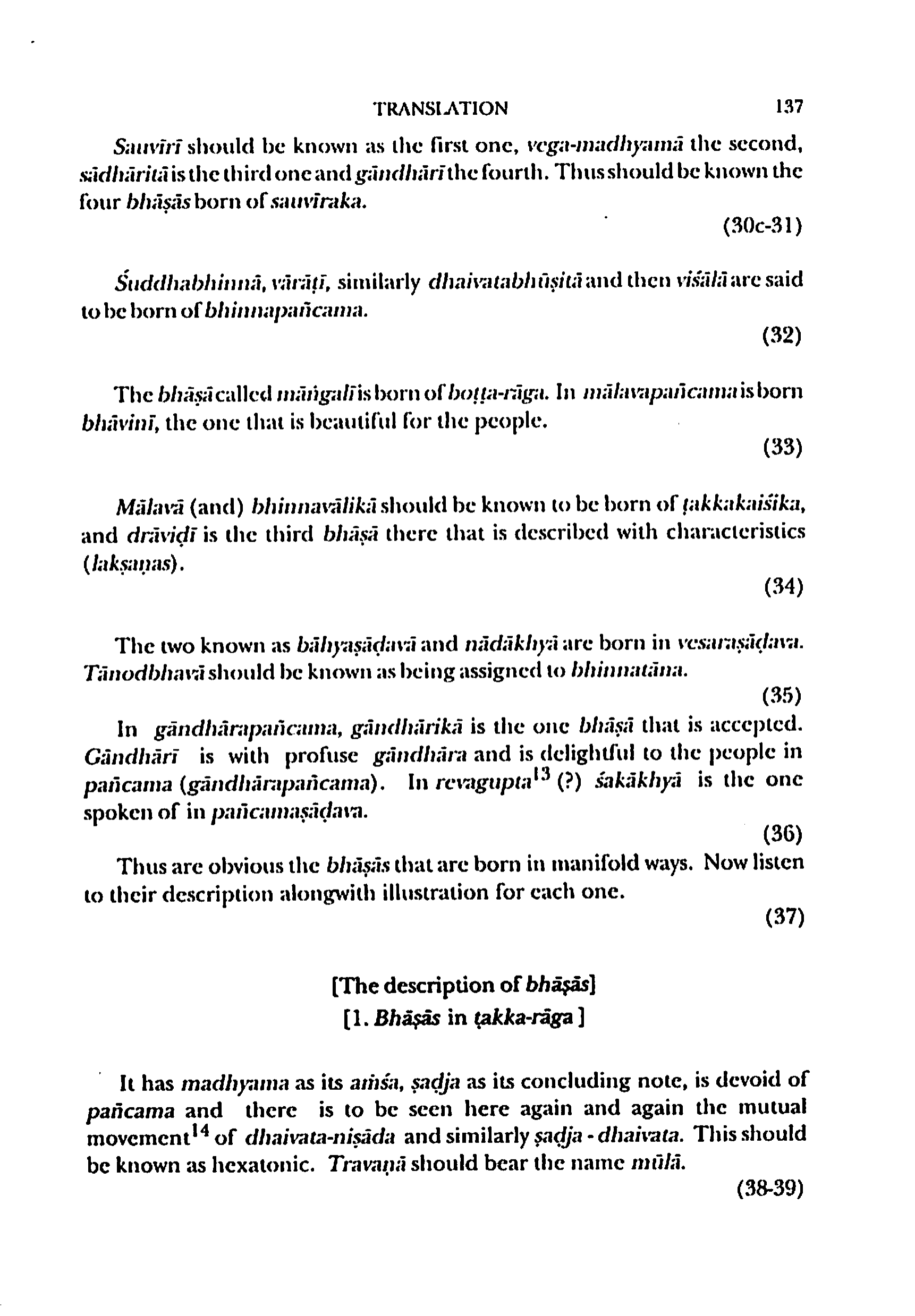
Bhāvinī has pañcama as nyāsa, gāndhāra as aṁśa, is weak in dhaivata, and shows dense movement between madhyama-pañcama
"Bhāvinī has pañcama as nyāsa, gāndhāra as aṁśa (and) is weak in dhaivata.
Where the mutual movement of madhyama-pañcama is seen to be dense"
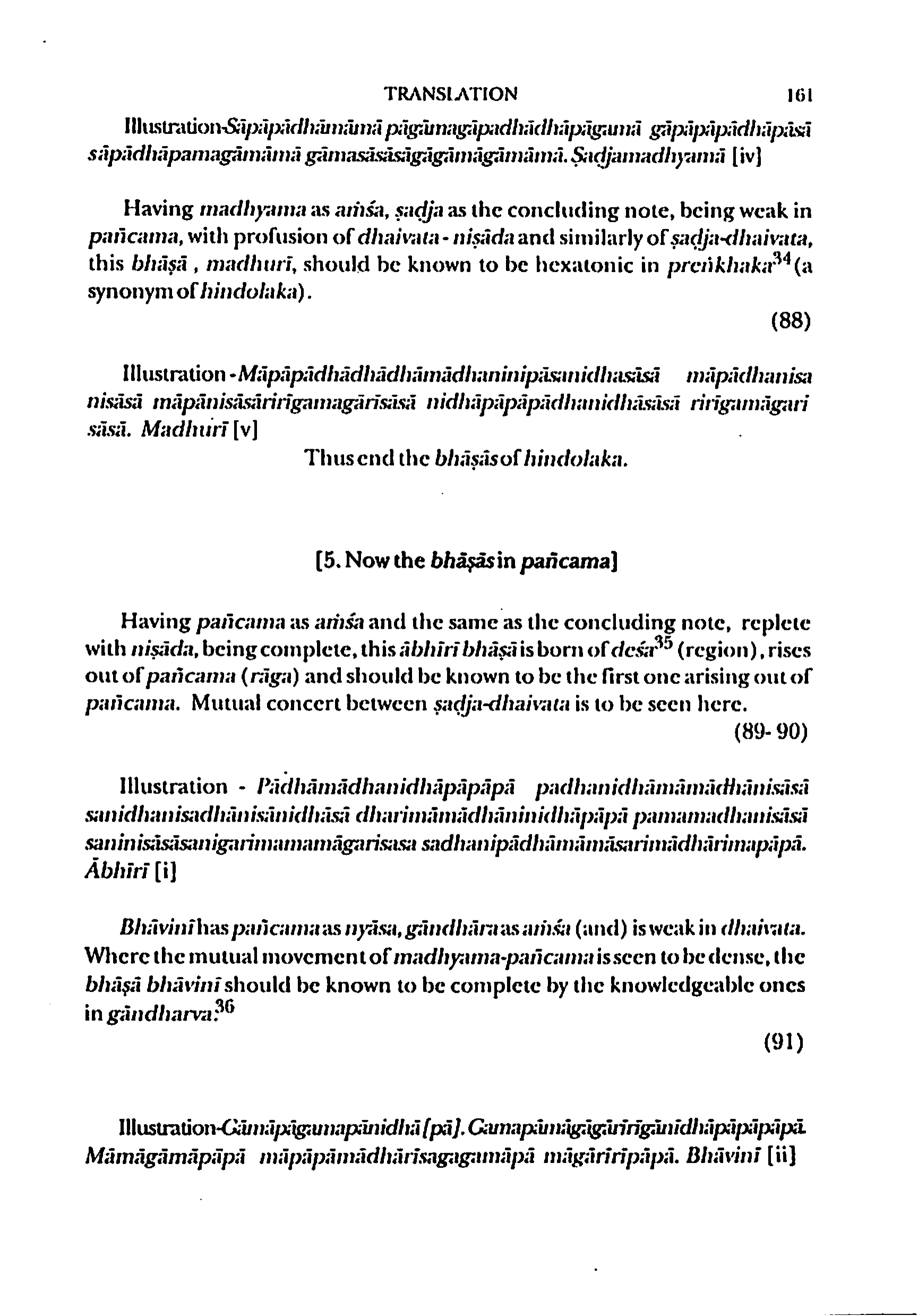
bhāvanī is a vibhāṣā of mālavapañcama with pañcama as graha and śaḍja as nyāsa, lacking ṛṣabha
"भावनी पञ्चमांशान्तग्रहा मालवपञ्चमात् ।
ज?ाता विभाषा षड्ज?ापन्यासा ऋषभवर्ज?िता"