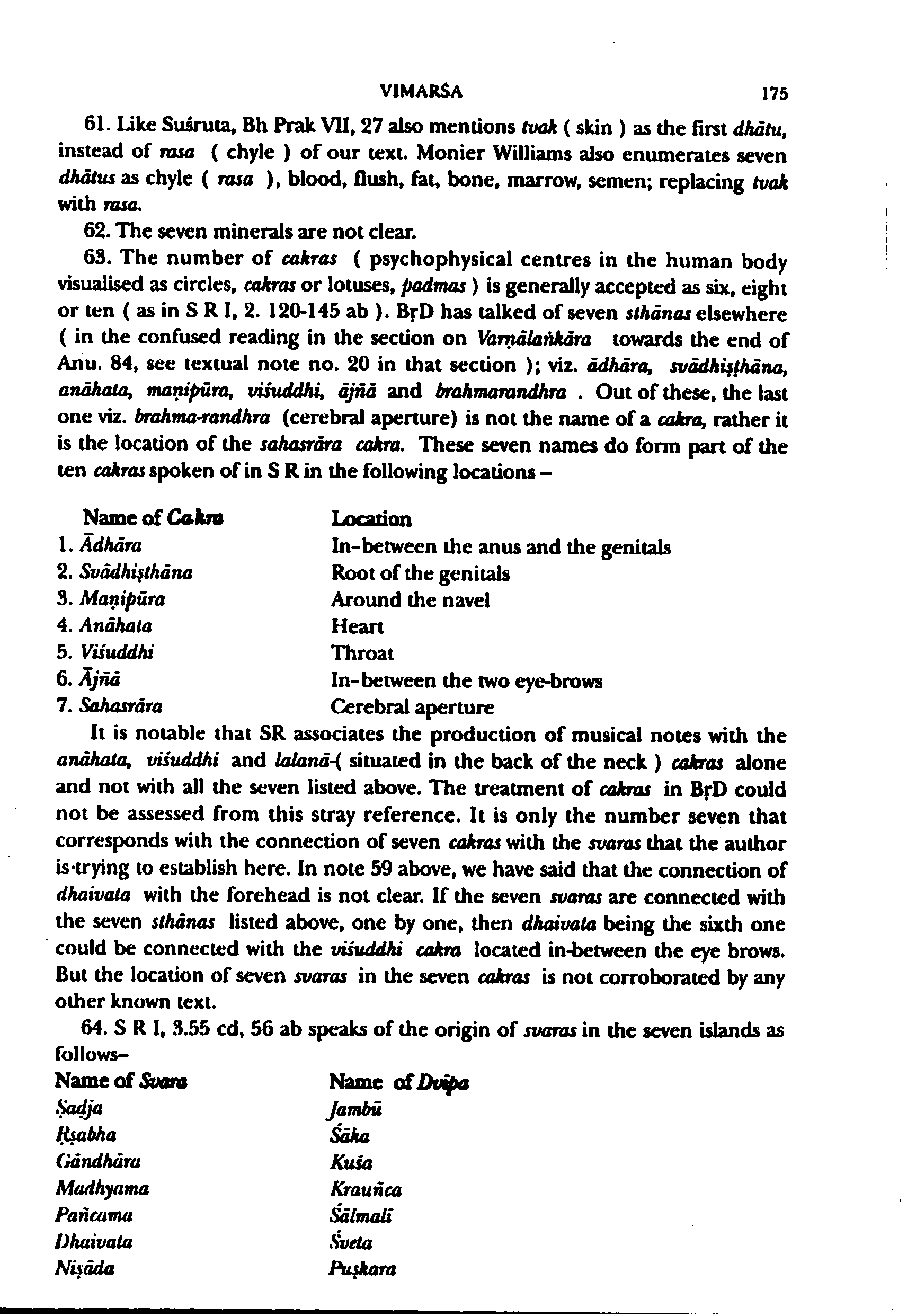
mūrchanā technical_term
Generative rules (16) ↗ filter all
murchana_assignment_per_jati_or_ragaassignment · 16 att.
Each jāti / grāmarāga is assigned a mūrchanā specified by its starting svara.R_c132_murchana_latindefinition · 7 att.
murchana (variante translittérée) = accordage et progression mélodique sur l'heptade médiane; utile en jātis/rāgas, exécuté dans la tessiture vocale (kanthyR_275_murchana_omissiontransformation · 3 att.
Mūrchanā transformations operate via svara-omission (creating ṣāḍava/auḍuvita tānas); applies to jātis/rāgas; no canonical jāti-mūrchanā rulemurchana_alternate_sense_vina_techniquedefinition · 2 att.
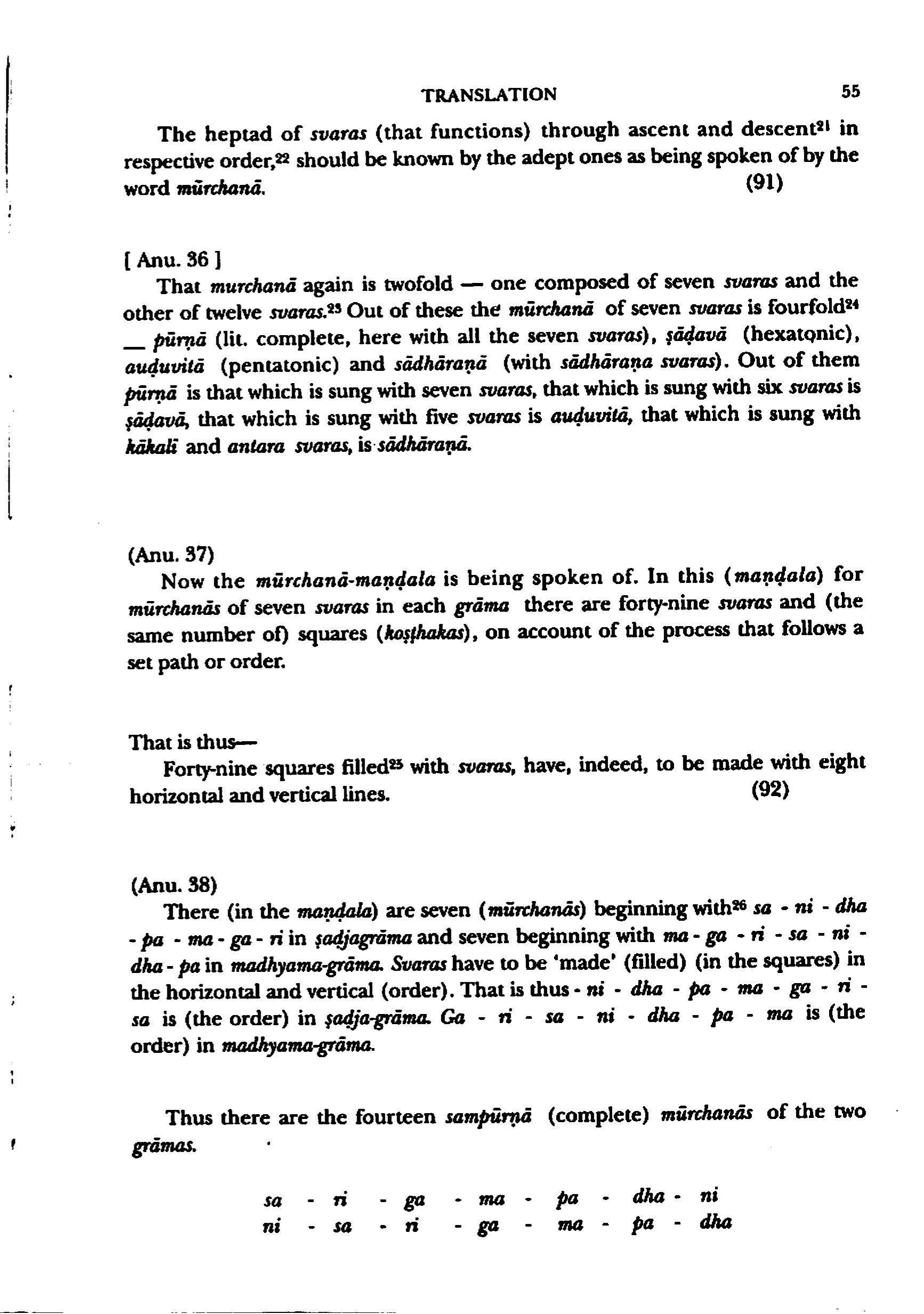
Mūrchanā is also used in a technical sense denoting a right-hand viṇā technique with pressed strings, not just the interval series.murchana_definition_heptad_ascent_descentdefinition · 2 att.
Mūrchanā is a heptad of svaras functioning through ascent and descent in respective order.murchana_twofold_seven_or_twelve_svarasenumeration · 2 att.
Mūrchanā is twofold: composed of seven svaras or of twelve svaras.murchana_twelve_svara_for_three_sthanasrelation · 2 att.
Twelve-svara mūrchanās are used in performance to attain the three sthānas (registers).murchana_substitution_madhyama_for_sadjavalidation · 2 att.
Where madhyama is placed by virtue of mūrchanā principle, ṣaḍja can replace it without destroying the jāti or rāga.murchana_etymology_mukha_mohadefinition · 1 att.
The etymology of mūrchanā relates to 'mukha' (mouth/face) and 'moha' (delusion/intensification).murchana_seven_svara_fourfold_classificationenumeration · 1 att.
The seven-svara mūrchanā is fourfold (śuddhā, pūrṇā, ṣāḍavā, auduvitā, sādhāraṇā variants per the source-tradition).murchana_distinct_from_tanarelation · 1 att.
Mūrchanā is distinguished from tāna and is associated with a mūrchanā-maṇḍala diagram.murchana_in_bhadravati_elarelation · 1 att.
The Bhadrāvatī elā is characterized as brimming with mūrchanā sounds.murchana_jati_relation_intervallic_melodicrelation · 1 att.
Intervallic formation is accomplished by mūrchanā; jāti gives melodic form to that intervallic formation.murchana_purpose_jati_raga_bhasharelation · 1 att.
Mūrchanās are established to accomplish jāti, rāga, and bhāṣā formations.R_597_murchana_shifttransformation · 1 att.
In murchanās of rsabha..nisada, sadja shifts to 2nd..7th svara position respectivelymurchana_specified_after_amsa_knownvalidation · 1 att.
The mūrchanā of a jāti should be specified only after knowing the predominance of its aṁśa.
Pseudocode (DSL v1.1) ↗ full DSL (raw text)
RULE id: mūrchanā (cluster 1)
SCOPE: technical_term family
STATUS: empirical
CONFIDENCE: empirical
PROTECT: false
Essence pseudocode — identity + RECORD. The page citations for each slot value are in the Grammar record table above (audit trail). The full DSL adds ASSERTIONS with verbatim quotes (see Affirmations below) and CITED_RULES (see Graph relations).
Graph relations
Outgoing (64)
--[structural]--> मूर्छना (6)--[structural]--> svaras (6)--[relation]--> jāti (5)--[structural]--> dhaivata (4)--[structural]--> jāti (3)--[relation]--> svaras (3)--[relation]--> rāga (3)--[structural]--> rāga (3)--[structural]--> gāndhāra (2)--[structural]--> pañcama (2)--[relation]--> tāna (2)--[structural]--> tāna (2)--[definition]--> viņā (2)--[relation]--> ṛṣabha (2)--[relation]--> mürchanā (2)--[structural]--> षड्ज (2)--[relation]--> madhyama (2)--[structural]--> madhyama (2)--[structural]--> sadja (2)--[definition]--> aṁśa (1)--[relation]--> bhāṣā (1)--[structural]--> mandra (1)--[relation]--> raktagāndhārī (1)--[relation]--> auduvita (1)--[relation]--> kaiśikī (1)--[structural]--> gāndhārī (1)--[relation]--> gāndhāra (1)--[relation]--> मूर्छना (1)--[definition]--> jāti (1)--[relation]--> sadjagrāma (1)--[definition]--> şadjagrāma (1)--[structural]--> pañcamaṣāḍava (1)--[relation]--> pañcama (1)--[structural]--> grāma (1)--[structural]--> tāra (1)--[structural]--> bhinnatāna (1)--[relation]--> dhaivatī (1)--[attribution]--> grāma-rāgas (1)--[relation]--> ṭakkarāga (1)--[definition]--> sthāna (1)--[relation]--> sthāna (1)--[structural]--> śuddhakaiśika (1)--[relation]--> viņā (1)--[structural]--> Bhinnakaisikamadhyama (1)--[relation]--> Elā (1)--[structural]--> bhinna (1)--[relation]--> bhadrāvatī (1)--[relation]--> Mūrchanā-maṇḍala (1)--[structural]--> ṛṣabha (1)--[relation]--> nigraha (1)--[structural]--> gaudakaiśika rāga (1)--[definition]--> mürchanā (1)--[structural]--> Ţakkakaiśika (1)--[structural]--> narta-rāga (1)--[relation]--> षड्ज (1)--[definition]--> svaras (1)--[enumeration]--> svaras (1)--[relation]--> sadja (1)--[relation]--> șādava (1)--[relation]--> artha (1)--[relation]--> paryagraha (1)--[structural]--> kanthya svara (1)--[structural]--> गान्धारस्य (1)--[structural]--> Şadja (1)
Incoming (44)
Mūrchanā-maṇḍala --[structural]--> (4)Matanga --[attribution]--> (3)Dattilam --[attribution]--> (2)मूर्छना --[relation]--> (2)मूर्छना --[structural]--> (2)grāma --[enumeration]--> (2)ग्राममूर्छनाप्रकरणम् --[relation]--> (2)mürchanā --[structural]--> (2)aṁśa --[relation]--> (1)madhyamagrāma --[relation]--> (1)madhyamagrāma --[structural]--> (1)bhāṣā --[relation]--> (1)Kasyapa --[citation]--> (1)jāti --[relation]--> (1)sadjagrāma --[relation]--> (1)sadjagrāma --[structural]--> (1)Grāma-mūrchanā --[structural]--> (1)tāna --[relation]--> (1)sthāna --[relation]--> (1)Sauvīrī --[relation]--> (1)utkarşa --[definition]--> (1)viņā --[structural]--> (1)Brahaspati --[attribution]--> (1)bhadrāvatī --[structural]--> (1)ग्राममूर्छनाप्रकरणम् --[structural]--> (1)uttaramandrā --[relation]--> (1)Viśākhila --[attribution]--> (1)लक्ष्मी --[structural]--> (1)सप्तस्वरमूर्छना --[enumeration]--> (1)kosthakas --[definition]--> (1)rajanī --[relation]--> (1)artha --[structural]--> (1)sādhāraņakṛtā mūrchanās --[relation]--> (1)Nandikeśvara --[attribution]--> (1)अश्वक्रान्ता --[structural]--> (1)अभिरुद्गता --[structural]--> (1)सौवीरी --[structural]--> (1)हरिणाश्वा --[structural]--> (1)कलोपनता --[structural]--> (1)शुद्धमध्या --[structural]--> (1)मार्गी --[structural]--> (1)पौरवी --[structural]--> (1)हृष्यका --[structural]--> (1)Kālidāsa --[citation]--> (1)
Affirmations (47)
The specification of mūrchanās in grāma-rāgas is known from statements of authorities
"The specification of mūrchanās
is known from the statements of authorities."
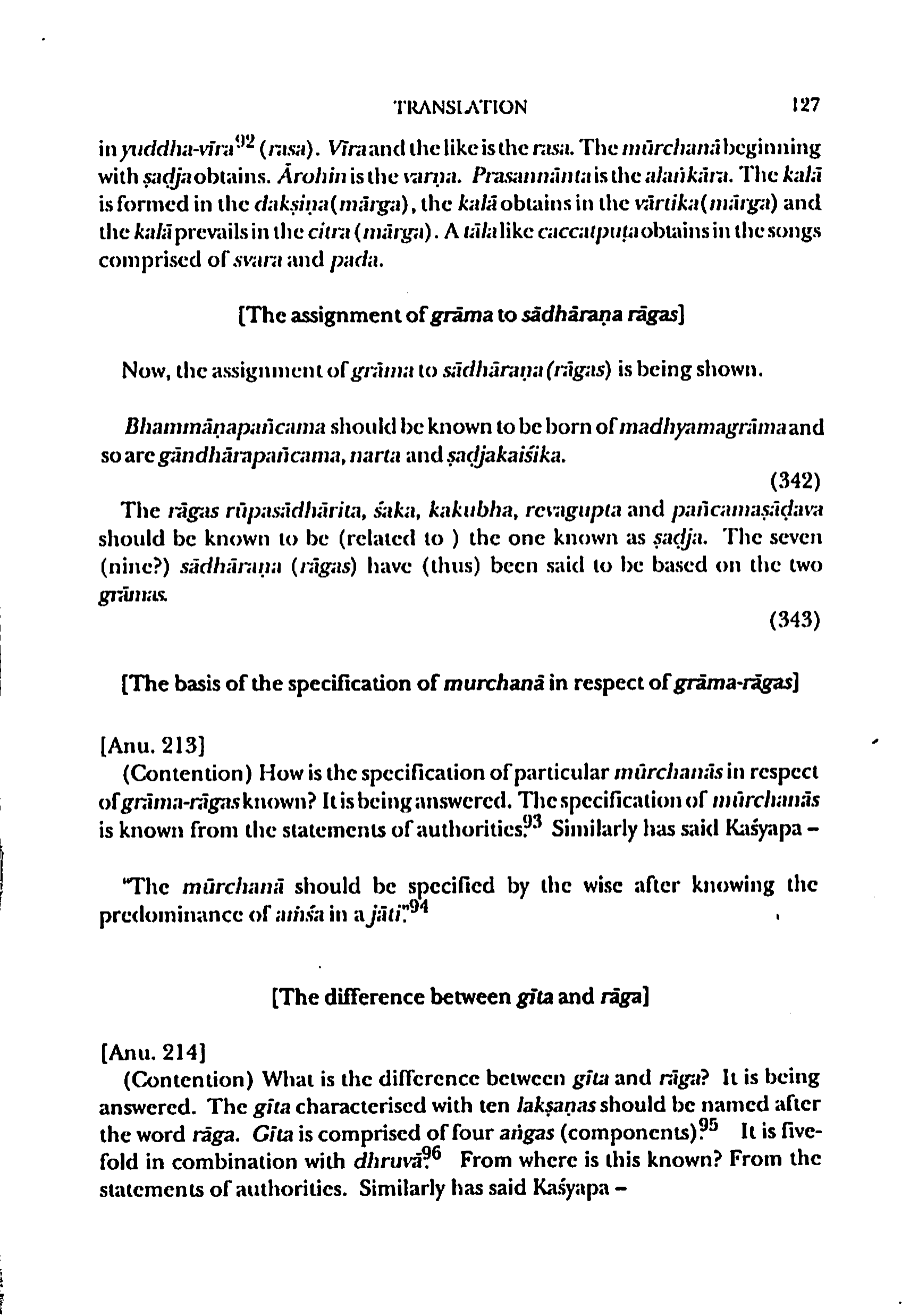
Murchana is a melodic type or modal framework associated with ragas
"The mūrchanā beginning with gāndhāra obtains."
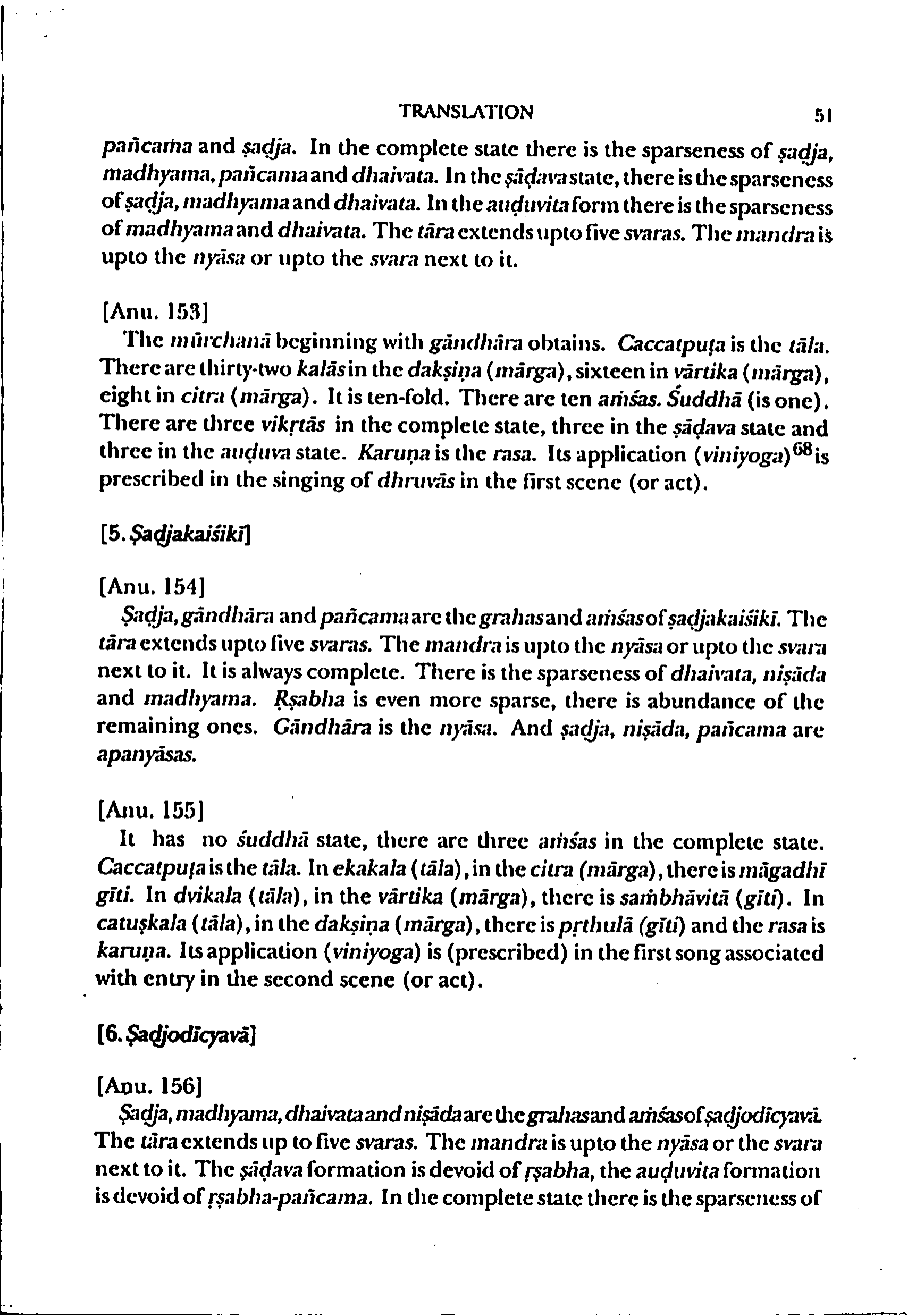
Mūrchanā should be specified by the wise after knowing the predominance of amsa in a jāti
""The mūrchanā should be specified by the wise after knowing the
predominance of amsa in a jāti.""
Mūrchanā in this text denotes a vocal technique for sound-production, not the usual interval series
"Mūrchanā is used in a different sense here and not in the usual
sense of a series of intervals. It is the name of a technique of the right hand
on the viņā with pressed string(s) (cf SR V1.84). Here it seems to indicate
some special way of sound-production by the voice."
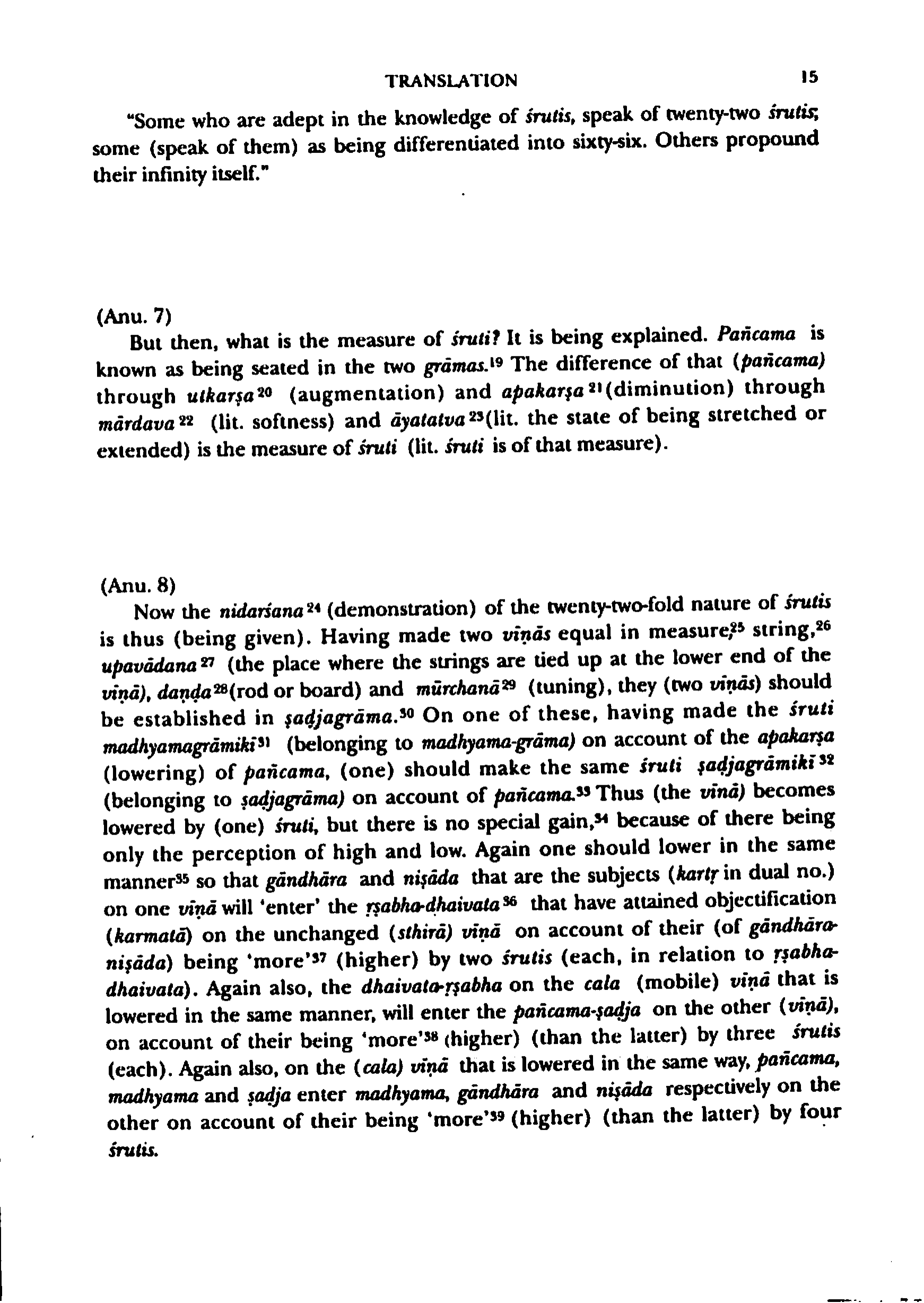
Mūrchanā is tuning, a process applied to viņās as part of establishing them.
"mūrchanā29 (tuning), they (two viņās) should
be established in şadjagrāma."
Murchana is a heptad of svaras functioning through ascent and descent in respective order
"The heptad of svaras (that functions) through ascent and descent in
respective order,22 should be known by the adept ones as being spoken of by the
word mürchanā."
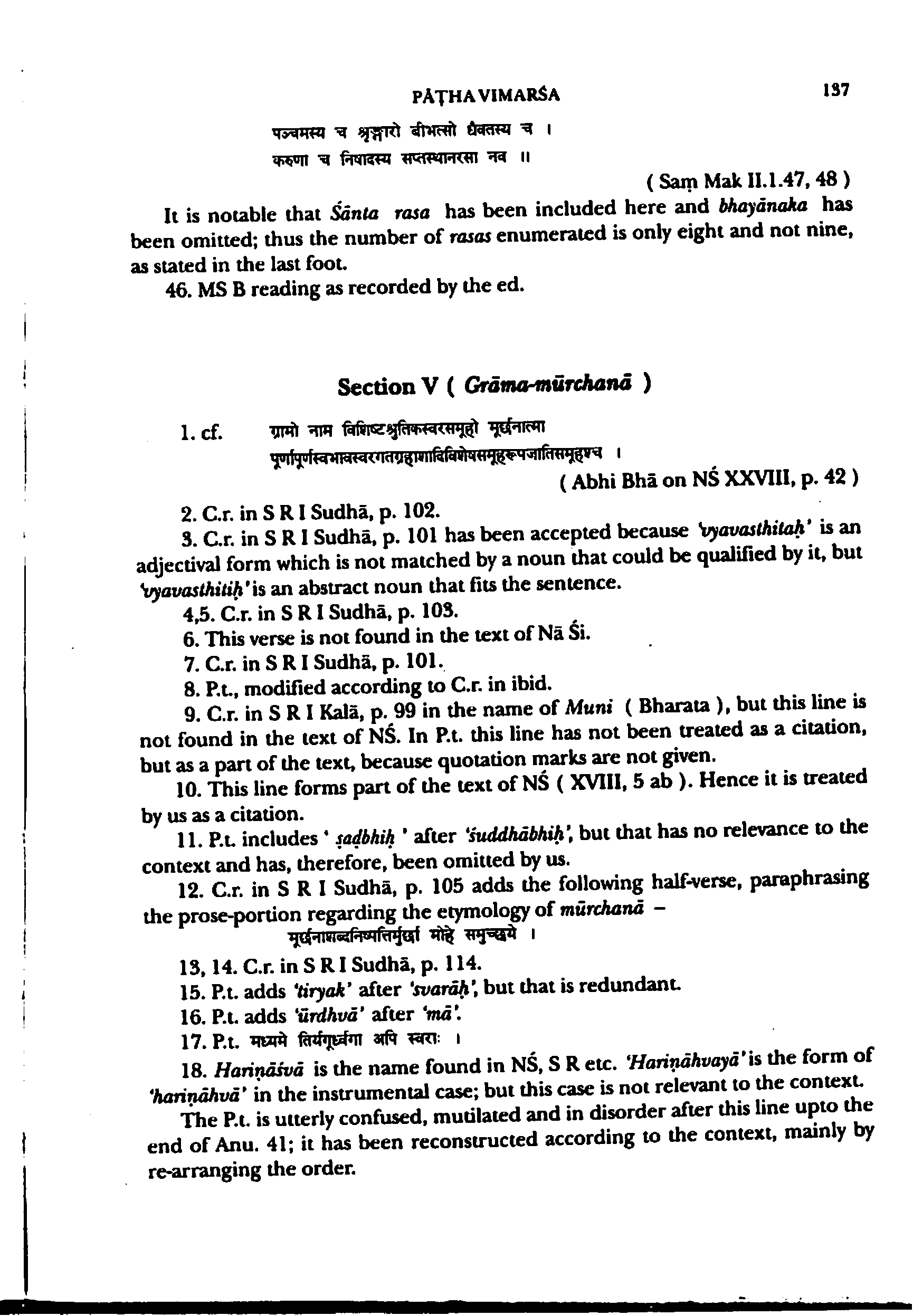
The etymology of mūrchanā relates to 'mukha' (mouth) and 'moha' (confusion/delusion)
"C.r. in S R I Sudhā, p. 105 adds the following half-verse, paraphrasing
the prose-portion regarding the etymology of mūrchanā -
मूर्खनामब्दनिष्यतिर्मुखं मोहे समुच्छये ।"
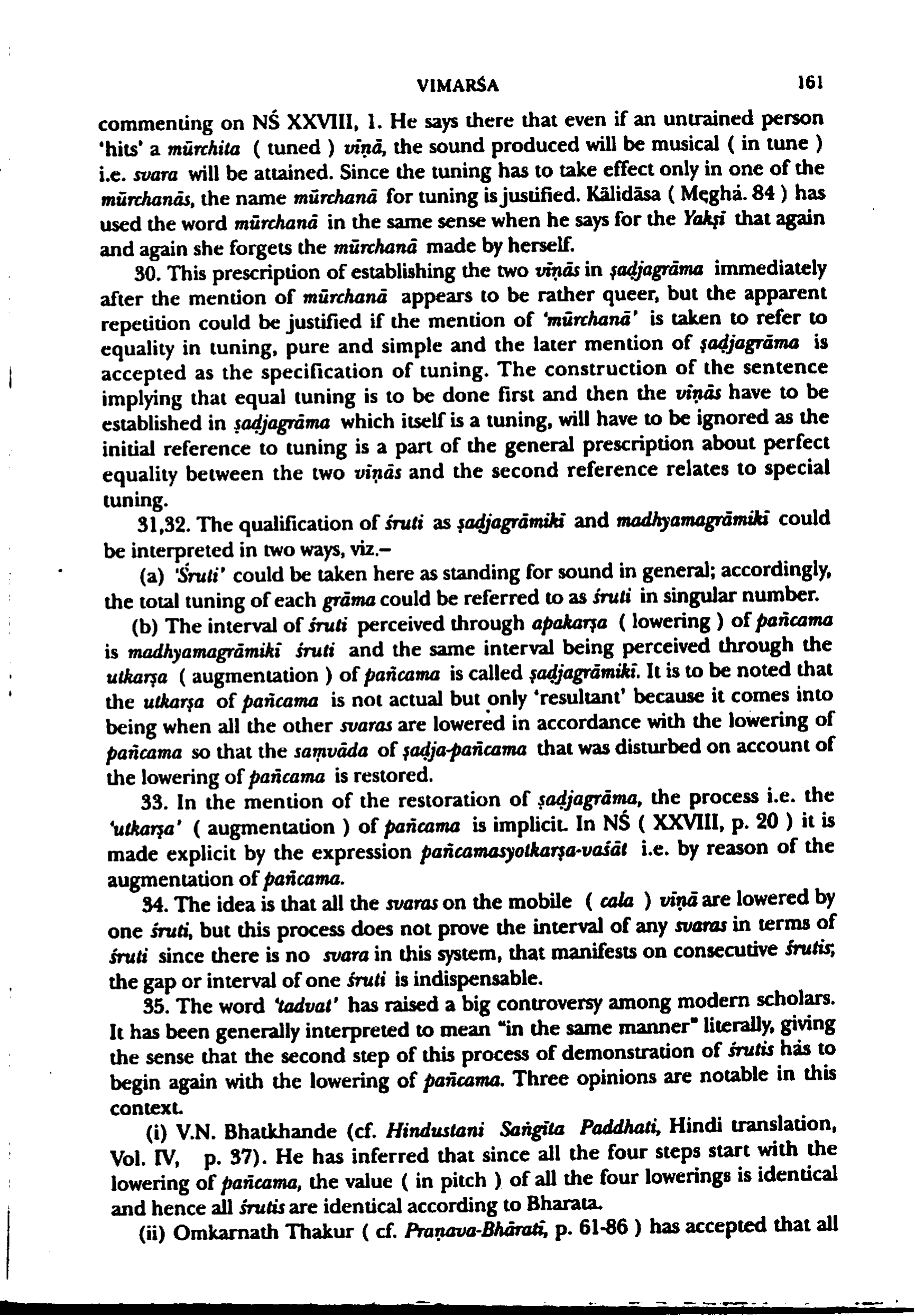
Murchana means tuning; even if an untrained person strikes a murchita (tuned) vīṇā, the sound produced will be musical
"even if an untrained person
'hits' a mūrchita (tuned) vīṇā, the sound produced will be musical (in tune)"
Mūrchanā functions as a complete scale in ascending and descending that establishes the three sthanas (registers)
"mūrchanā as a complete scale in ascending and descending establishes the three sthanas"
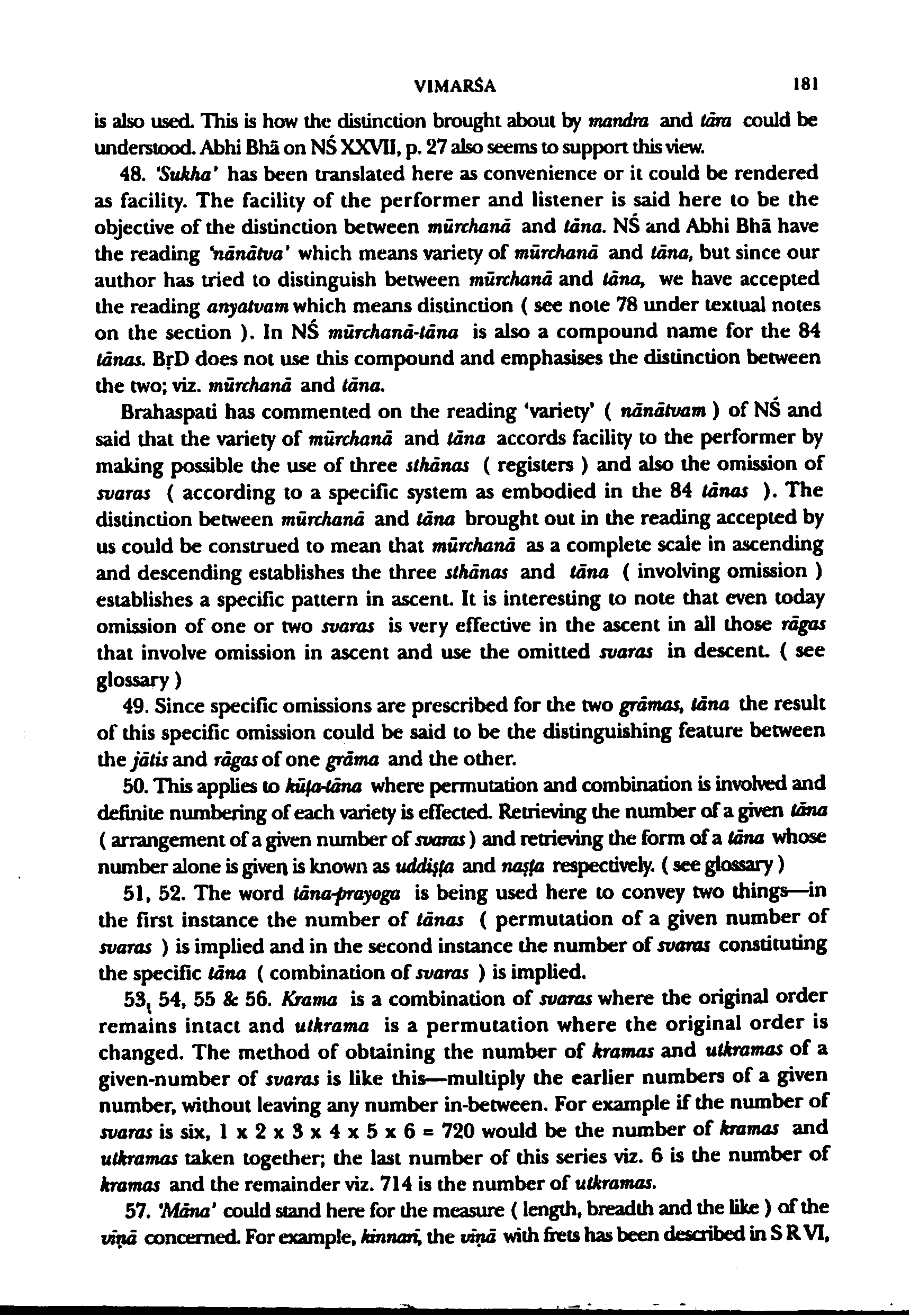
Murchana is twofold: composed of seven svaras or twelve svaras
"That murchanā again is twofold — one composed of seven svaras and the
other of twelve svaras."
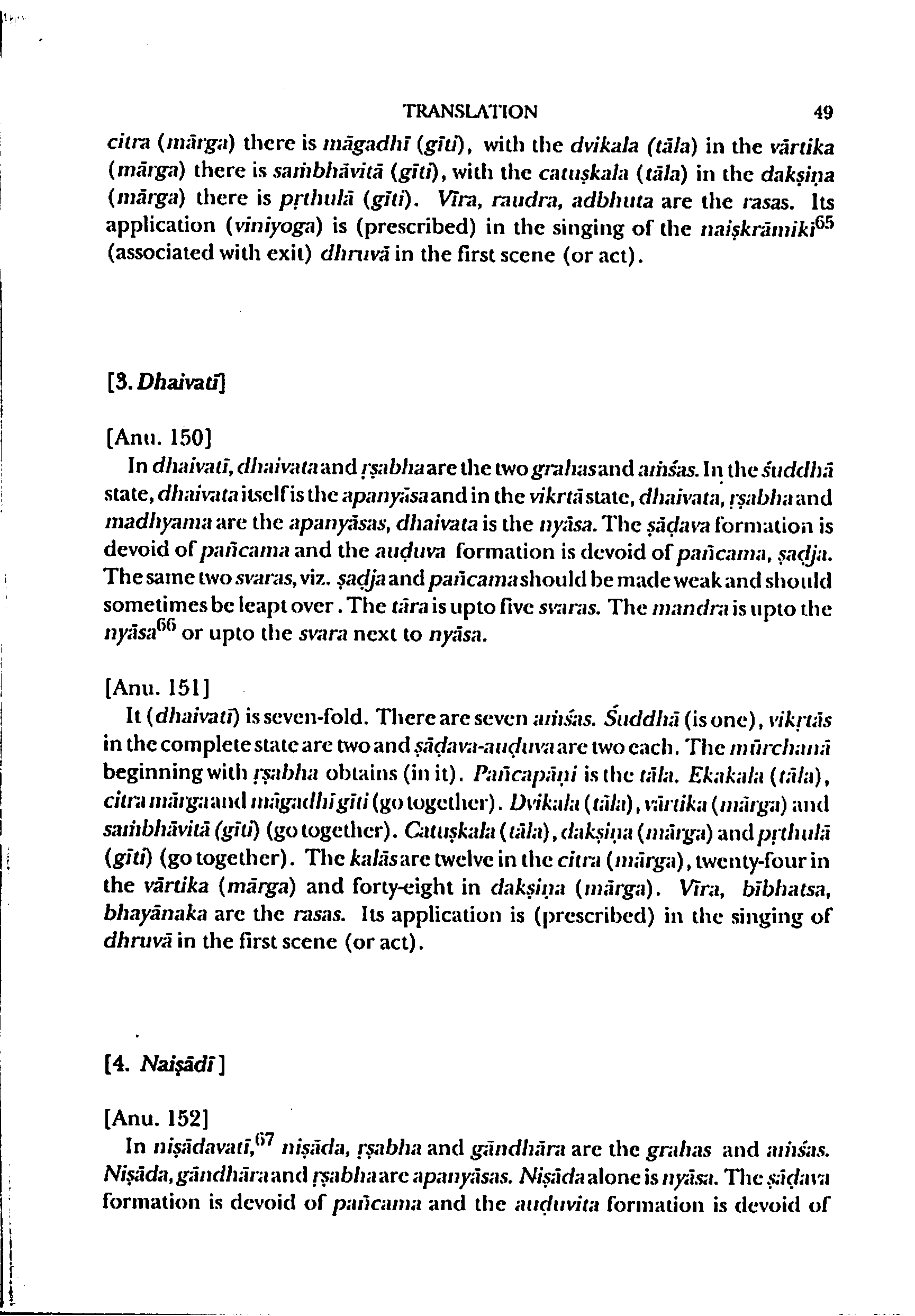
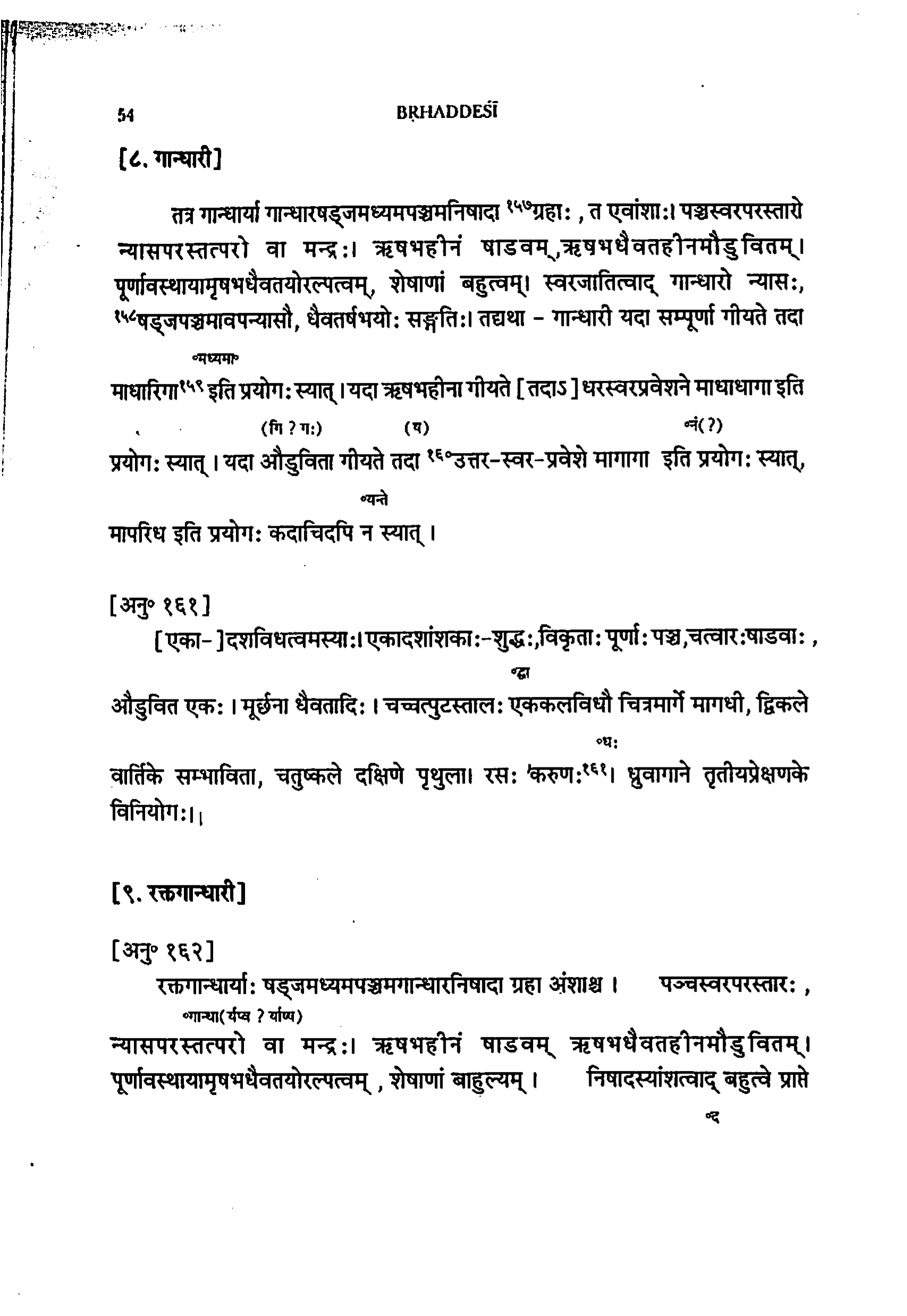
In dhaivati, mūrchanā beginning with ṛṣabha obtains
"The mūrchanā
beginning with ṛṣabha obtains (in it)."
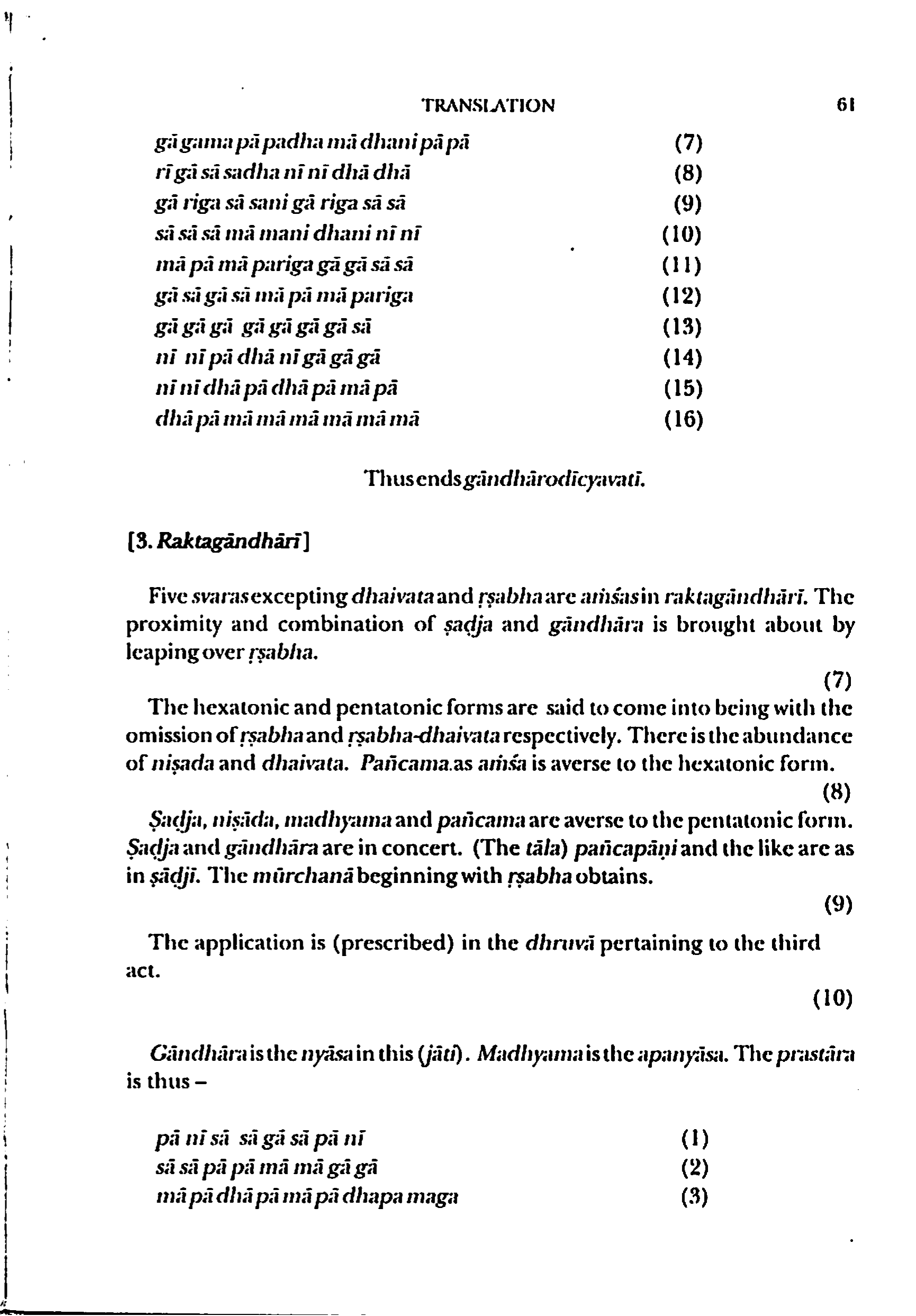
The mūrchanā beginning with ṛṣabha is employed in raktagāndhārī
"The mūrchanā beginning with ṛṣabha obtains."
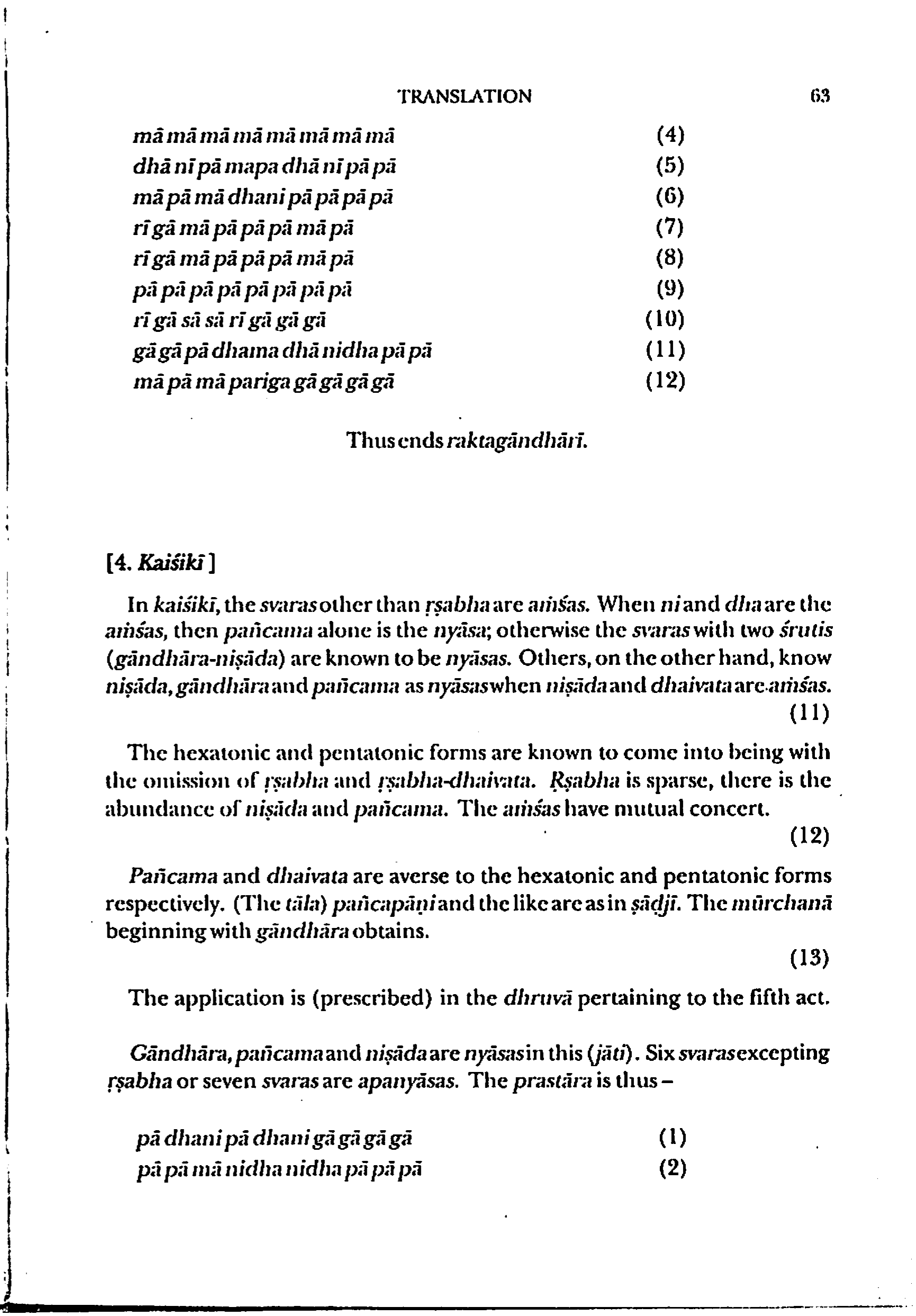
A mūrchanā beginning with gāndhāra is prescribed for kaiśikī
"The mūrchanā
beginning with gāndhāra obtains."
Mūrchanā beginning with ṣaḍja is employed in takkarāga
"the mūrchanā beginning with ṣaḍja obtains."
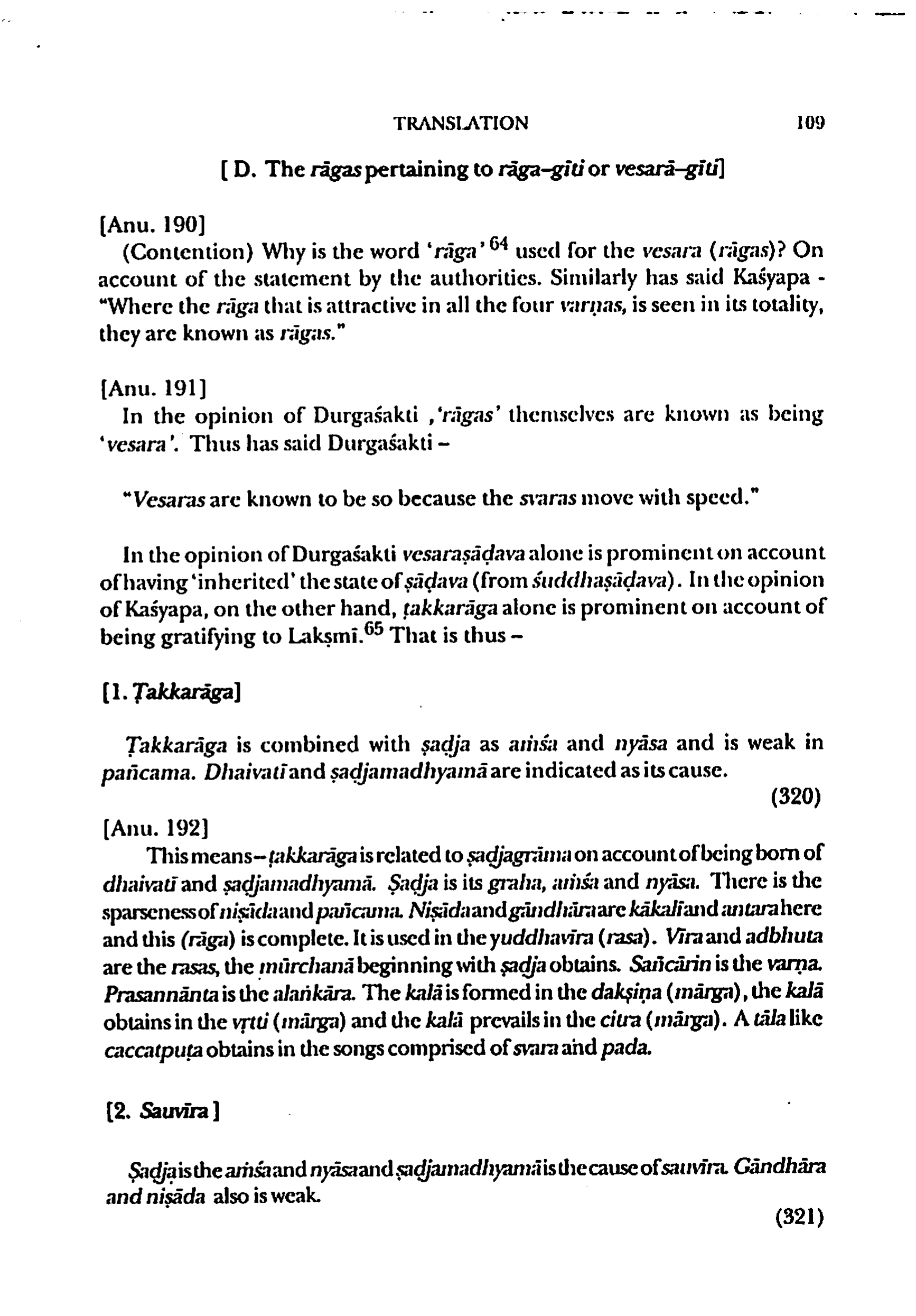
Bhadrāvatī elā is characterized as brimming with mūrchanā sounds
"मूर्छनाध्वनिसङ्कुला"
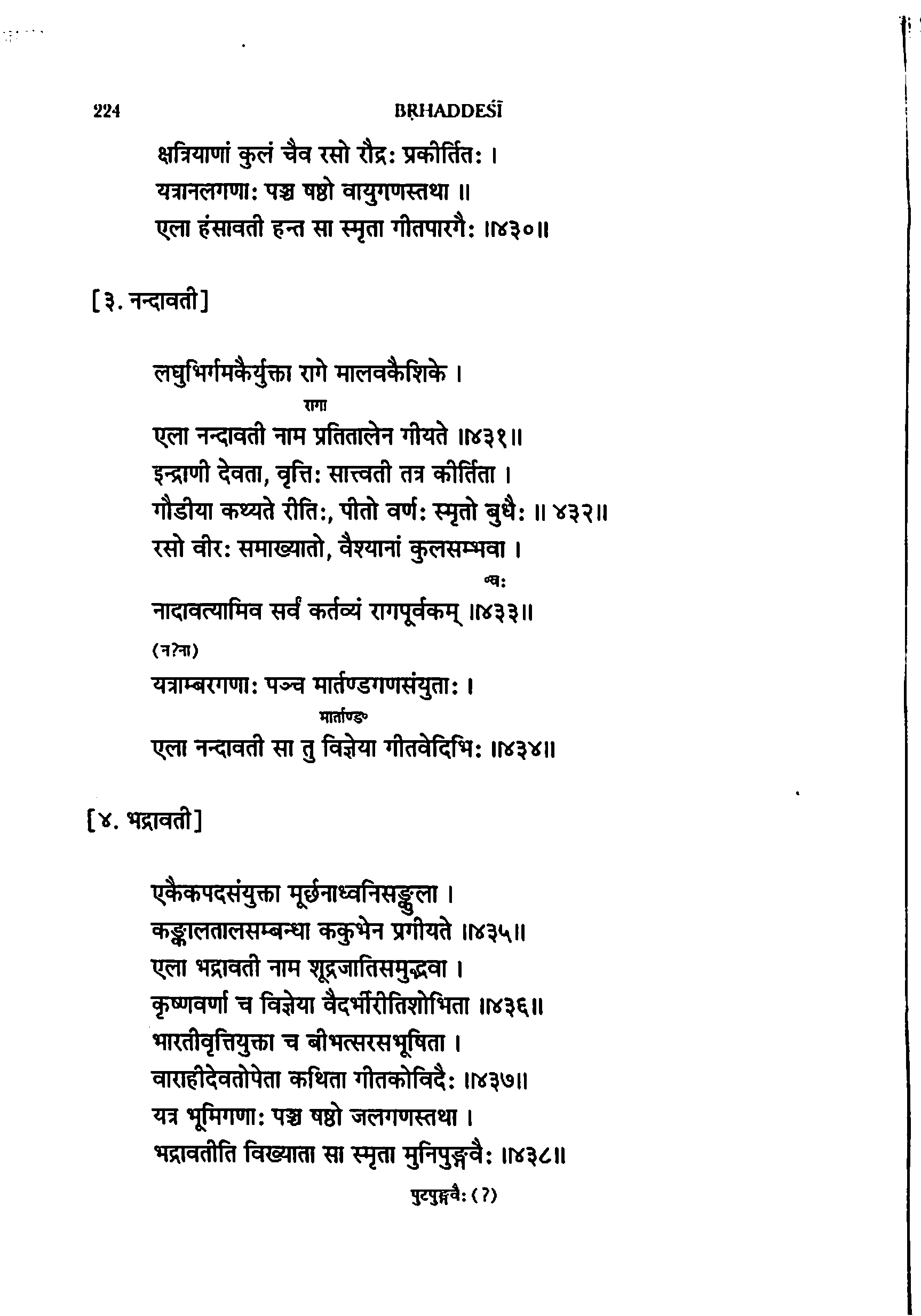
Intervallic formation is accomplished basically by mūrchanā, while jāti provides melodic form to intervallic formations
"Intervallic formation is accomplished basically by mürchanā; jāti
is formed by giving a melodic form to the intervallic formation provided by
a mūrchanā."
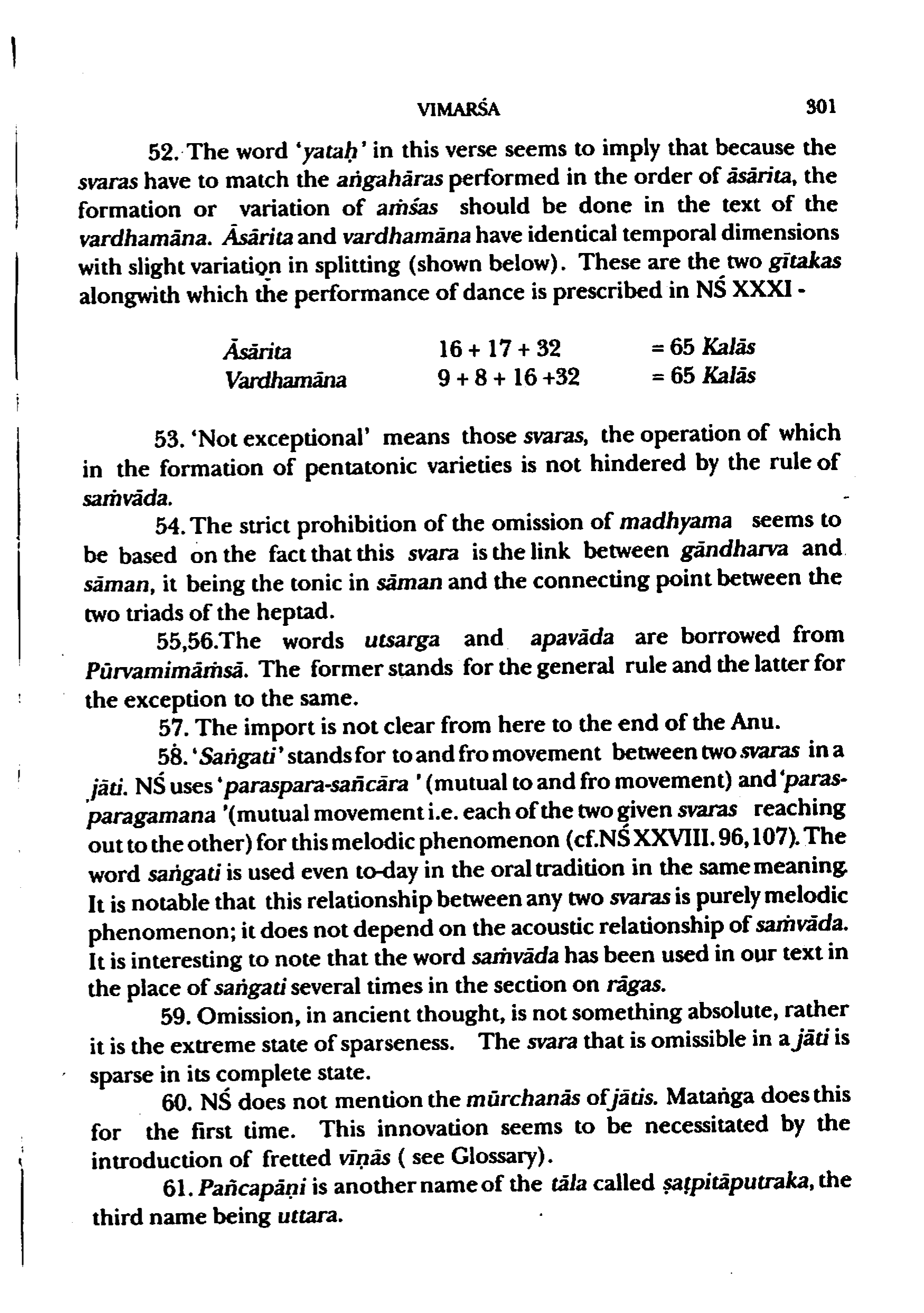
Mūrchanā is distinguished from tāna and is presented with a Mūrchanā-maṇḍala
"The distinction between Mürchanā and tāna
Mūrchanā-maṇḍala"
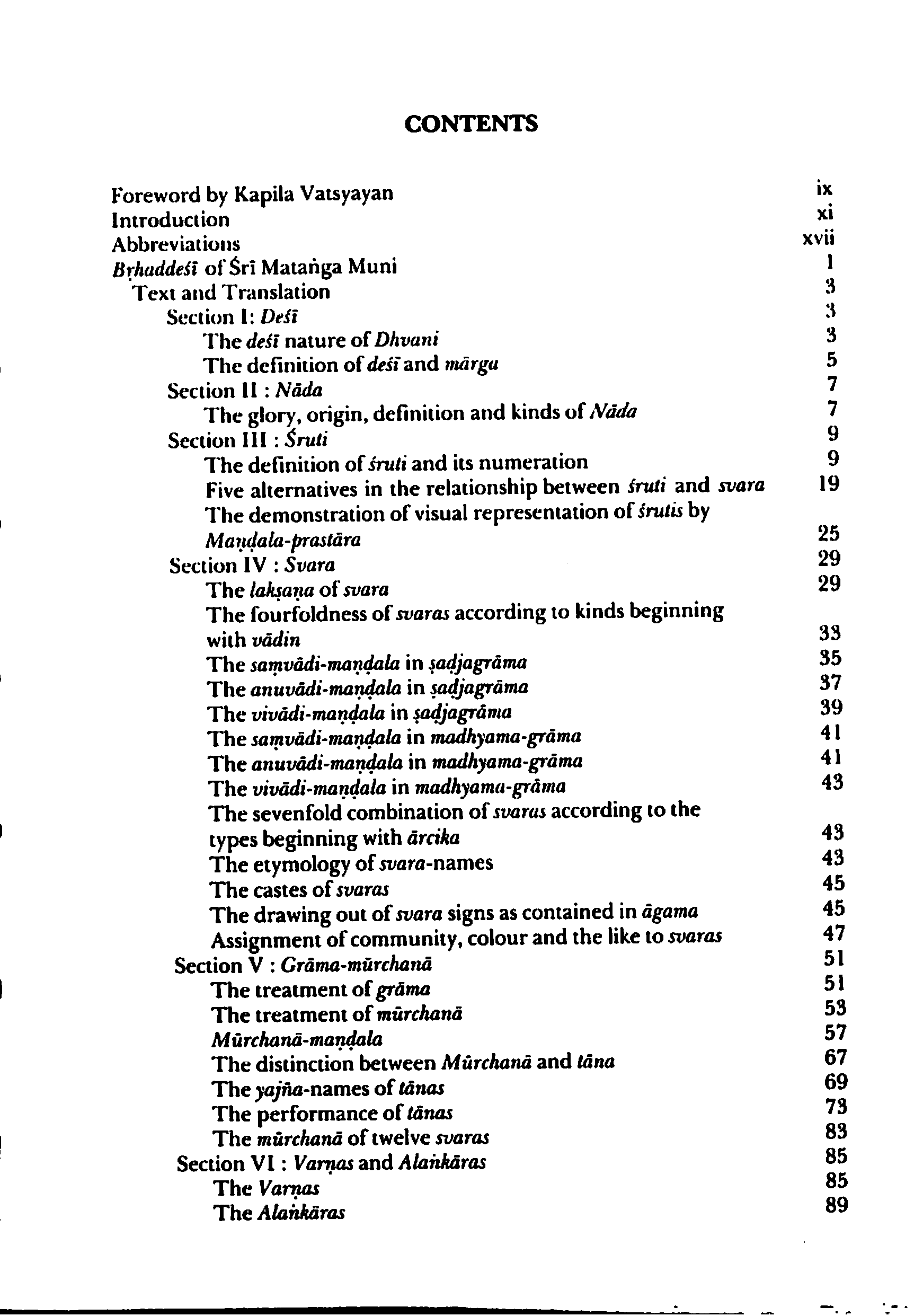
Mūrchanā is a principle that governs the placement or usage of notes in a melodic context.
"यस्मिन् स्थाने मूर्छनावशात् मध्यमः प्रयुक्तः"
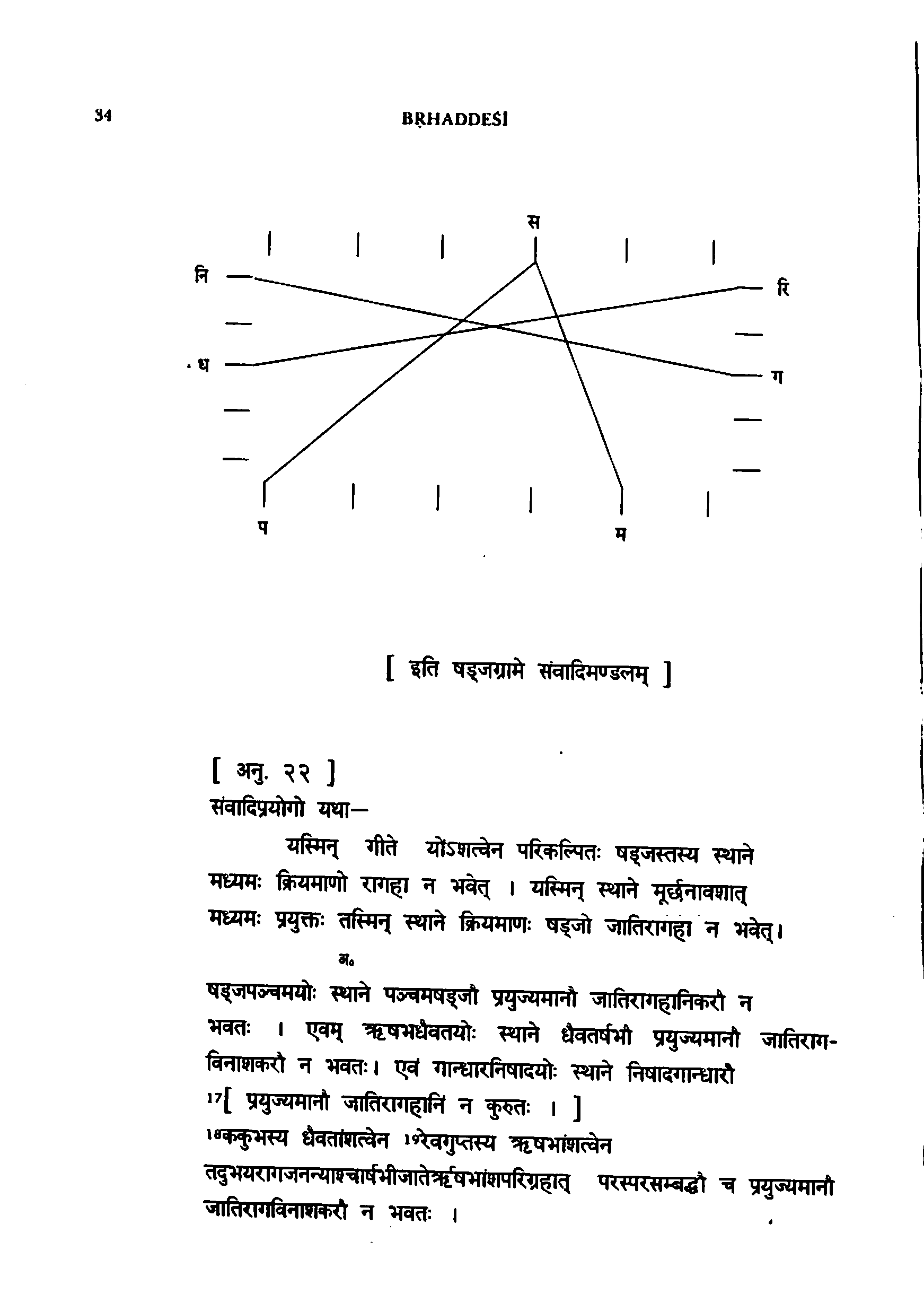
When madhyama is placed according to mūrchanā principle, sadja can replace it without destroying the jāti or rāga.
"यस्मिन् स्थाने मूर्छनावशात्
मध्यमः प्रयुक्तः तस्मिन् स्थाने क्रियमाणः षड्ज?ो ज?ातिरागहा न भवेत्"
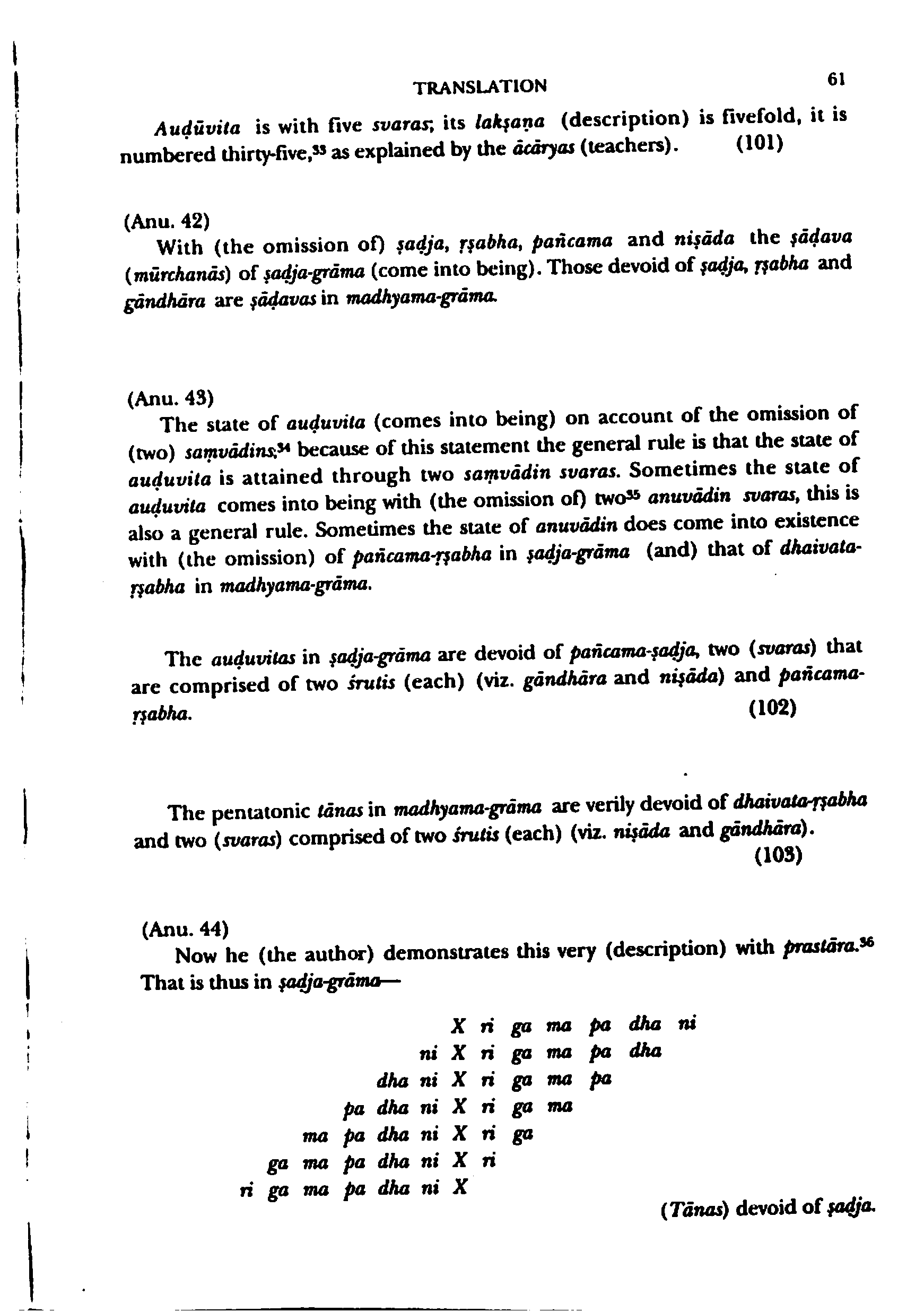
Mūrchanās of ṣaḍja-grāma are created by omitting specific svaras
"With (the omission of) șadja, rșabha, pañcama and nișāda the șādava
(mūrchanās) of ṣaḍja-grāma (come into being)."
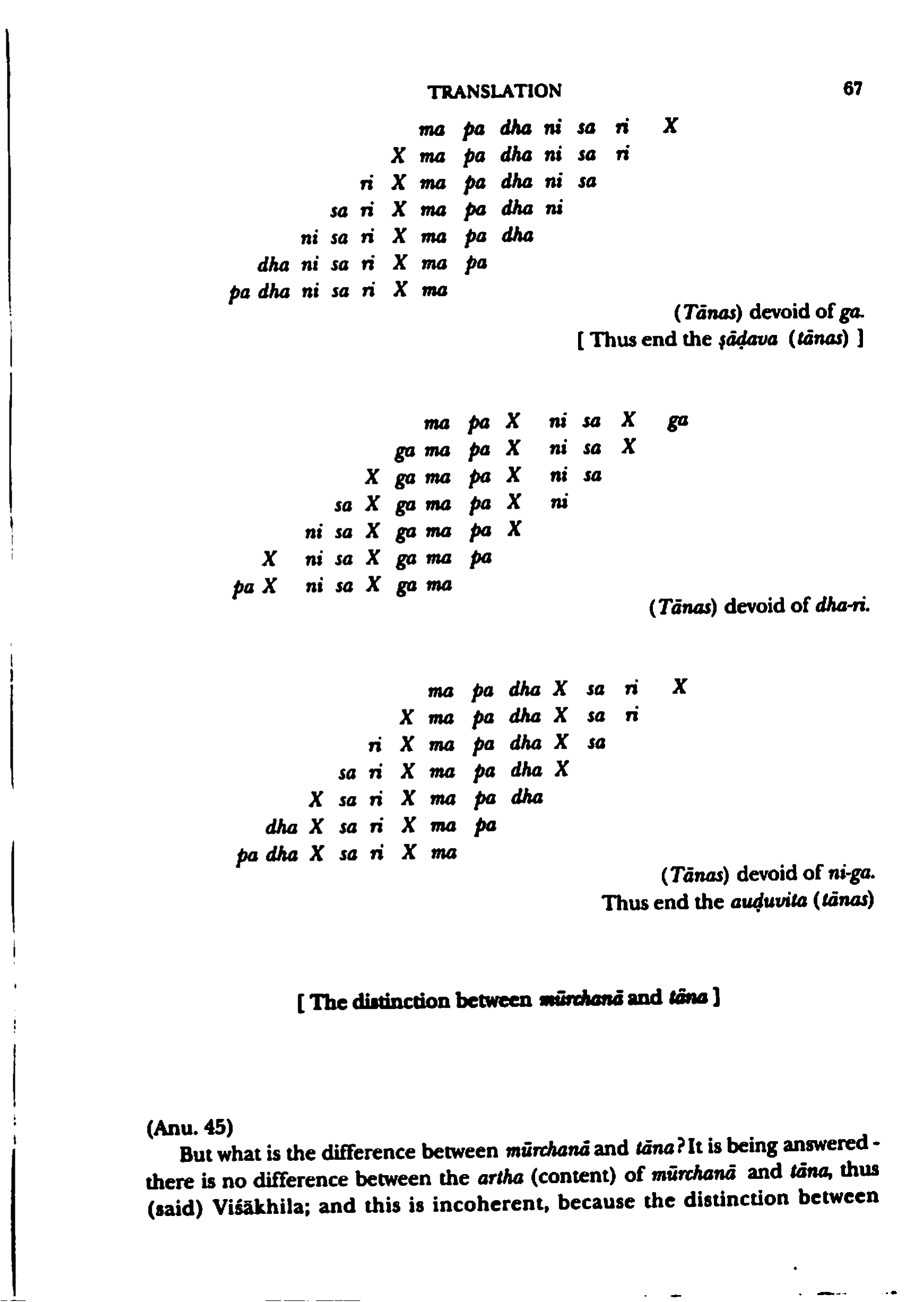
Murchana relates to tana, with the question of whether they differ in artha (content)
"But what is the difference between murchana and tana? It is being answered -
there is no difference between the artha (content) of murchana and tana"
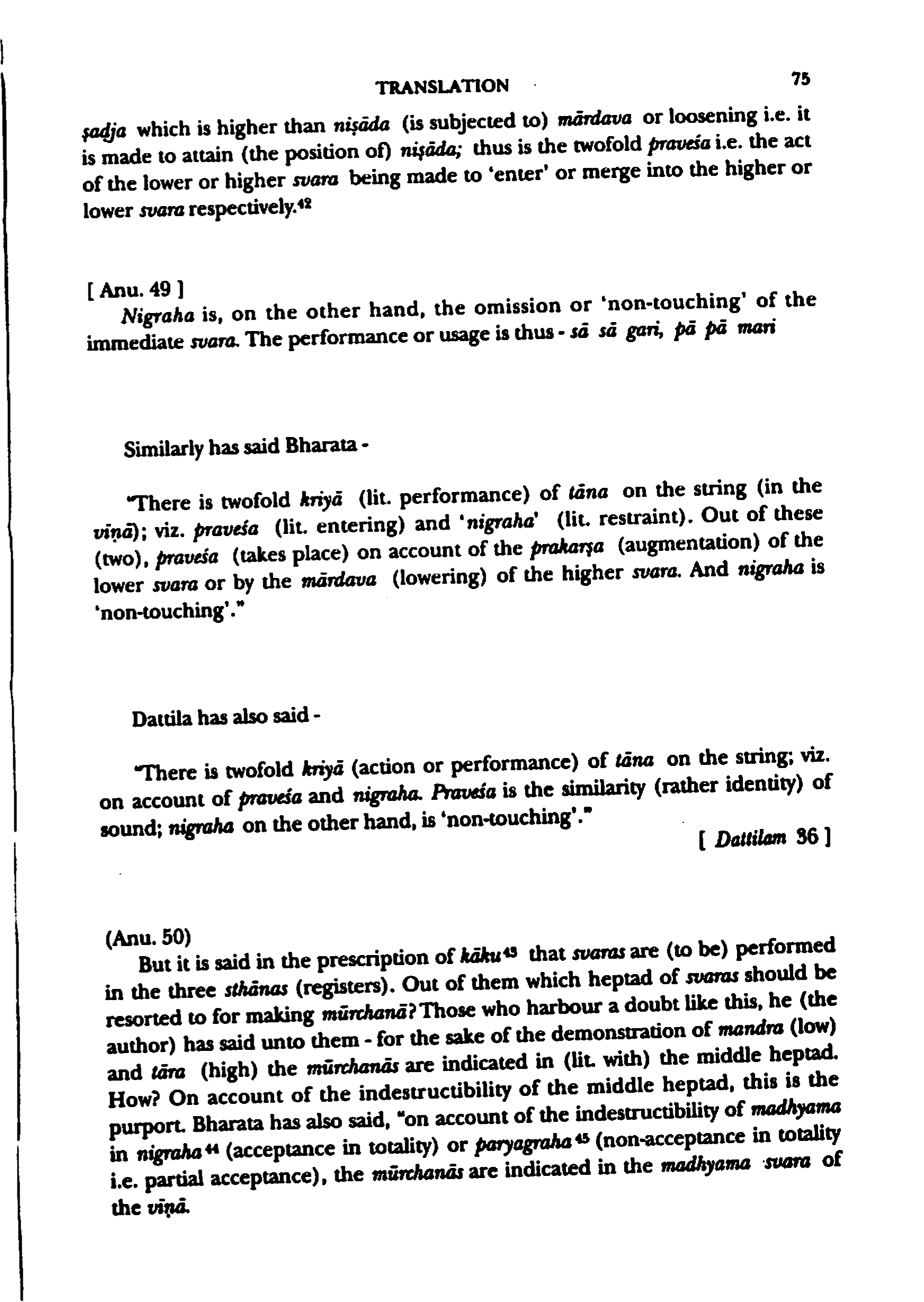
Murchanas are indicated in the madhyama svara of the viņā on account of the indestructibility of the middle heptad
"On account of the indestructibility of madhyama in nigraha 44 (acceptance in totality) or paryagraha 45 (non-acceptance in totality i.e. partial acceptance), the murchanas are indicated in the madhyama svara of the vina."
Recognition of the original murchana exists even when sadavita and auduvita processes are undertaken
"The recognition of the (original) mūrchanā is certainly there."
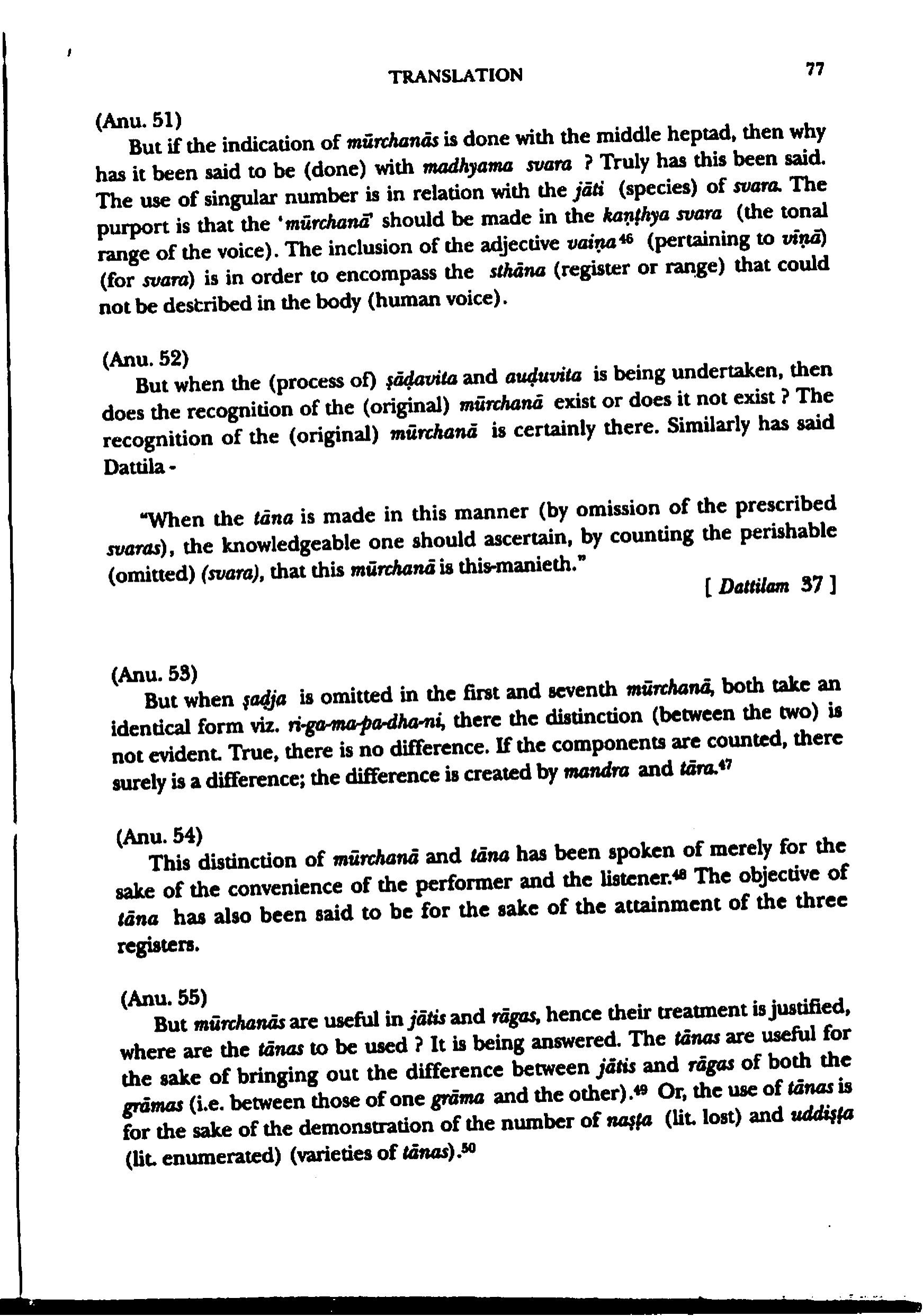
Murchanas are useful in jatis and ragas
"mūrchanās are useful in jātis and rāgas"
Murchanas composed of twelve svaras should be observed during performance for obtaining three sthanas
"द्वादशस्वरसम्पन्ना मूर्छना द्रष्टव्या प्रयोगकाले। तथा चाह कोहलः"
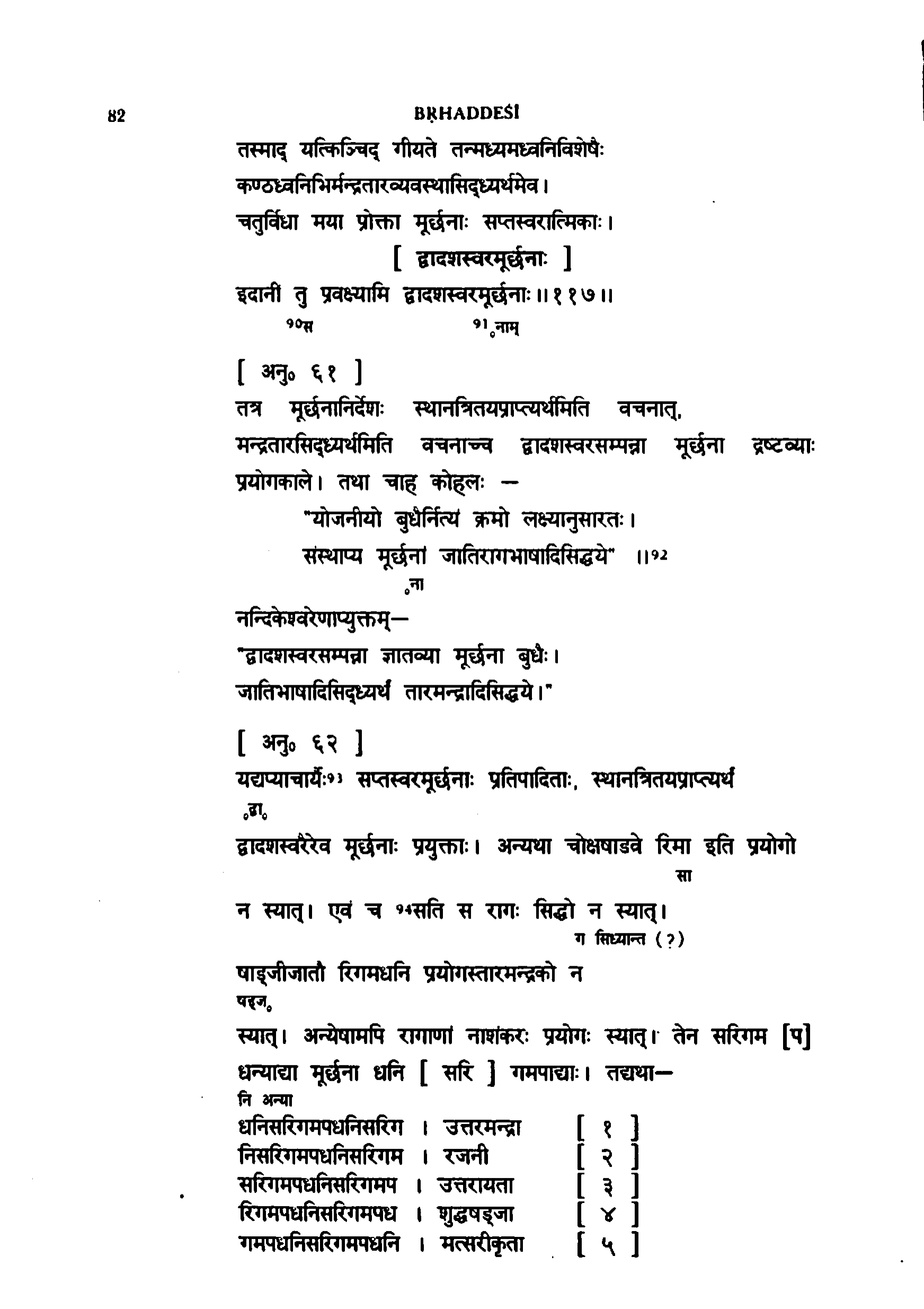
Murchanas are established for the sake of accomplishing jāti, rāga, and bhāṣā
"ज?ातिरागभाषादिसिद्धये"
Mūrchanā beginning with gāndhāra obtains in one jāti
"गान्धार[ादि]मूर्छना"
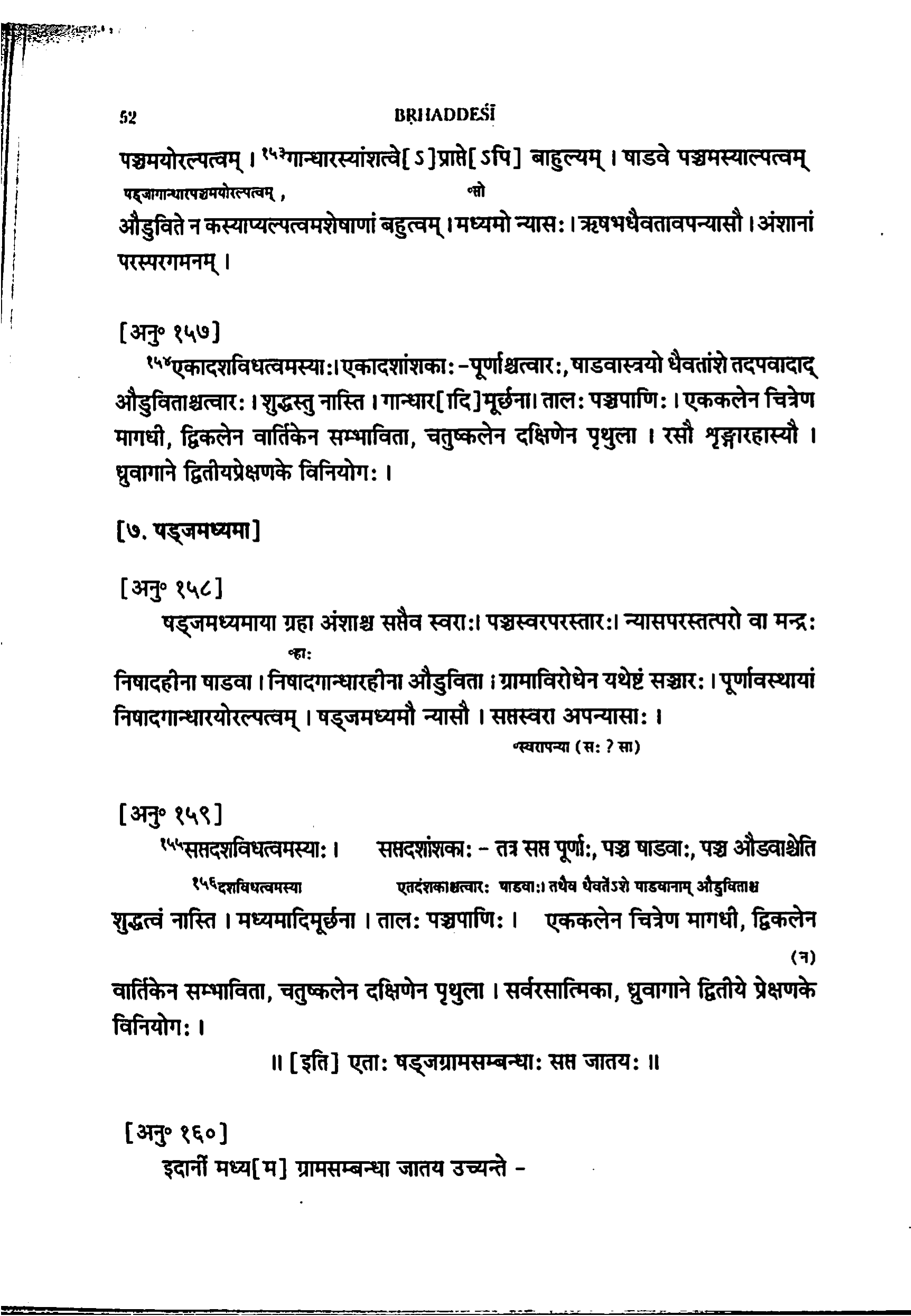
For Gāndhārī, the mūrchanā begins with dhaivata
"मूर्छना धैवतादिः ।"
The mūrchanā in Kārmāravi begins with ṣadja
"The mūrchanā beginning with şadja obtains."
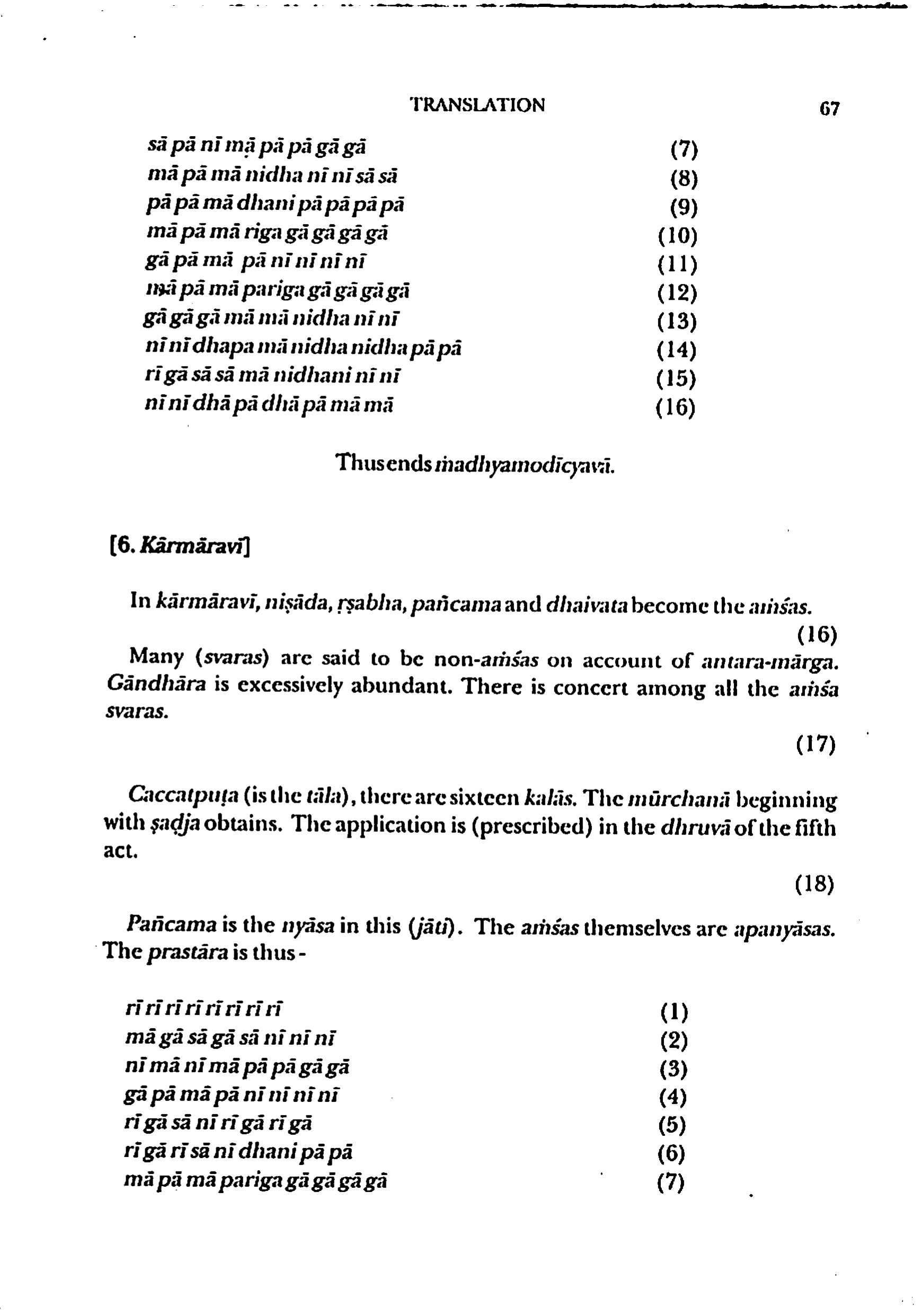
The mūrchanā beginning with madhyama obtains in śuddhaṣāḍava
"The mūrchanā beginning with madhyama obtains here."
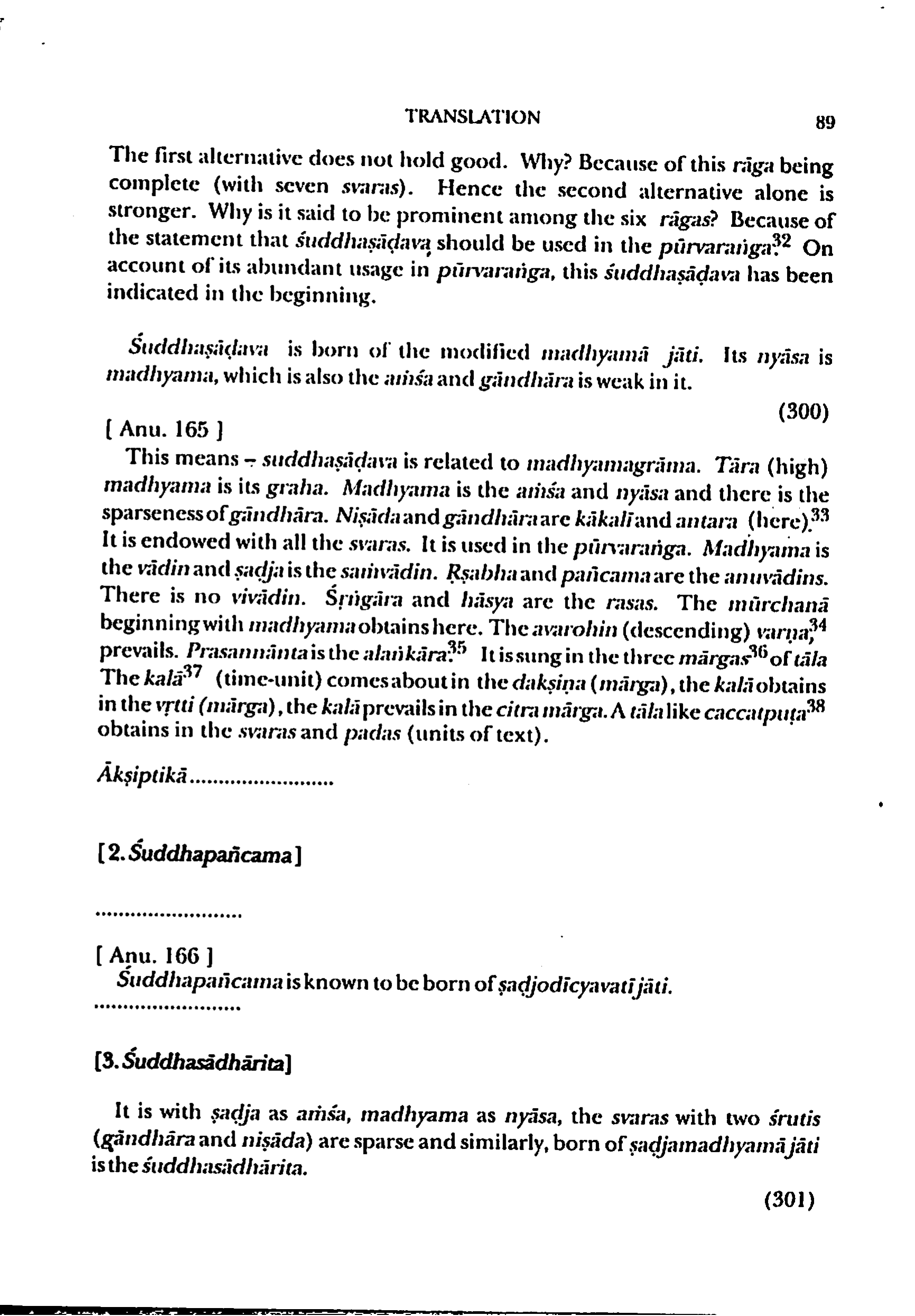
The mūrchanā beginning with ṣaḍja obtains in śuddhasādhrita rāga
"षड्ज?ादिमूर्छना।"
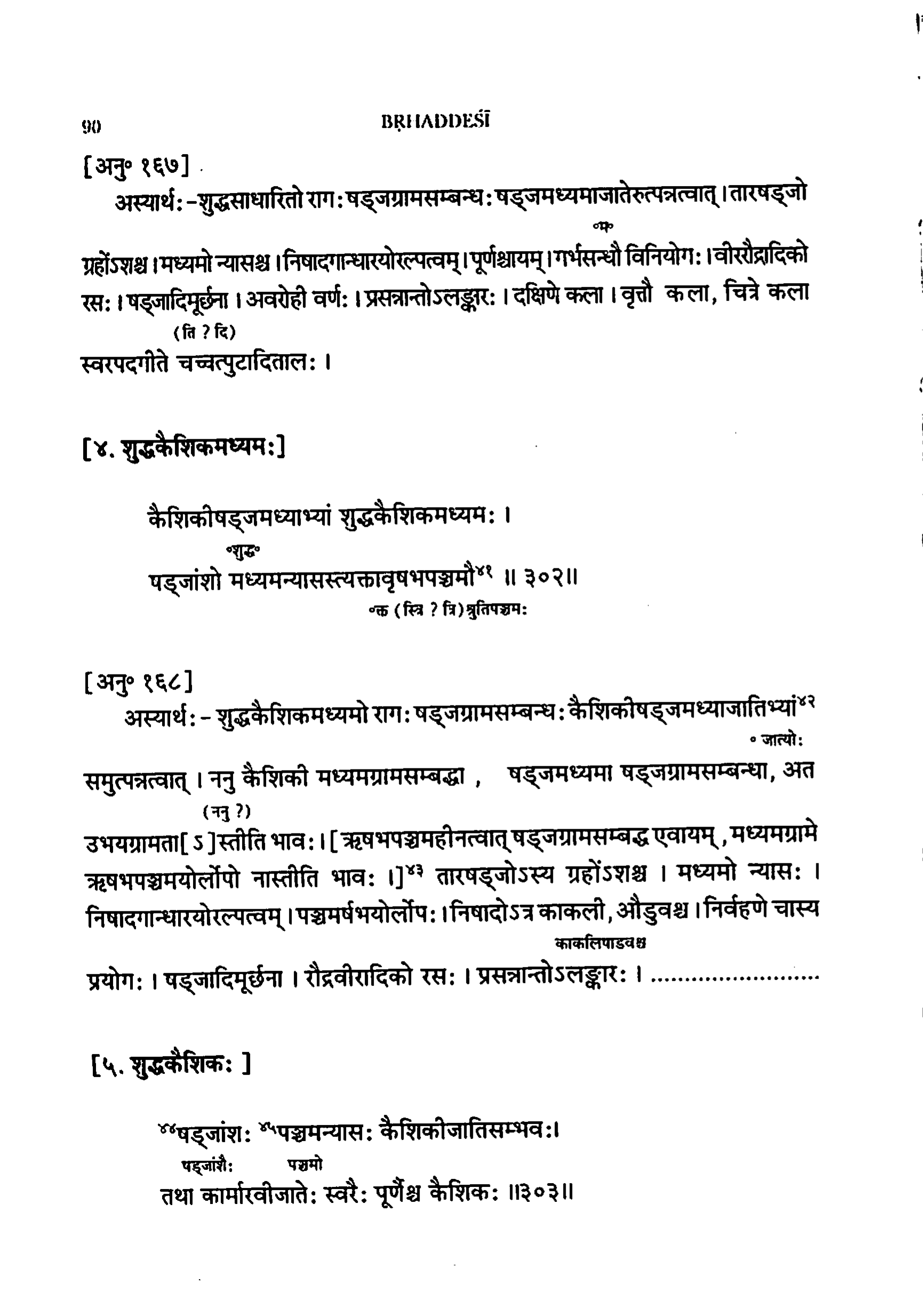
The mūrchanā of śuddhakaiśika begins with sadja
"षङ्ज?ादिमूर्छना"
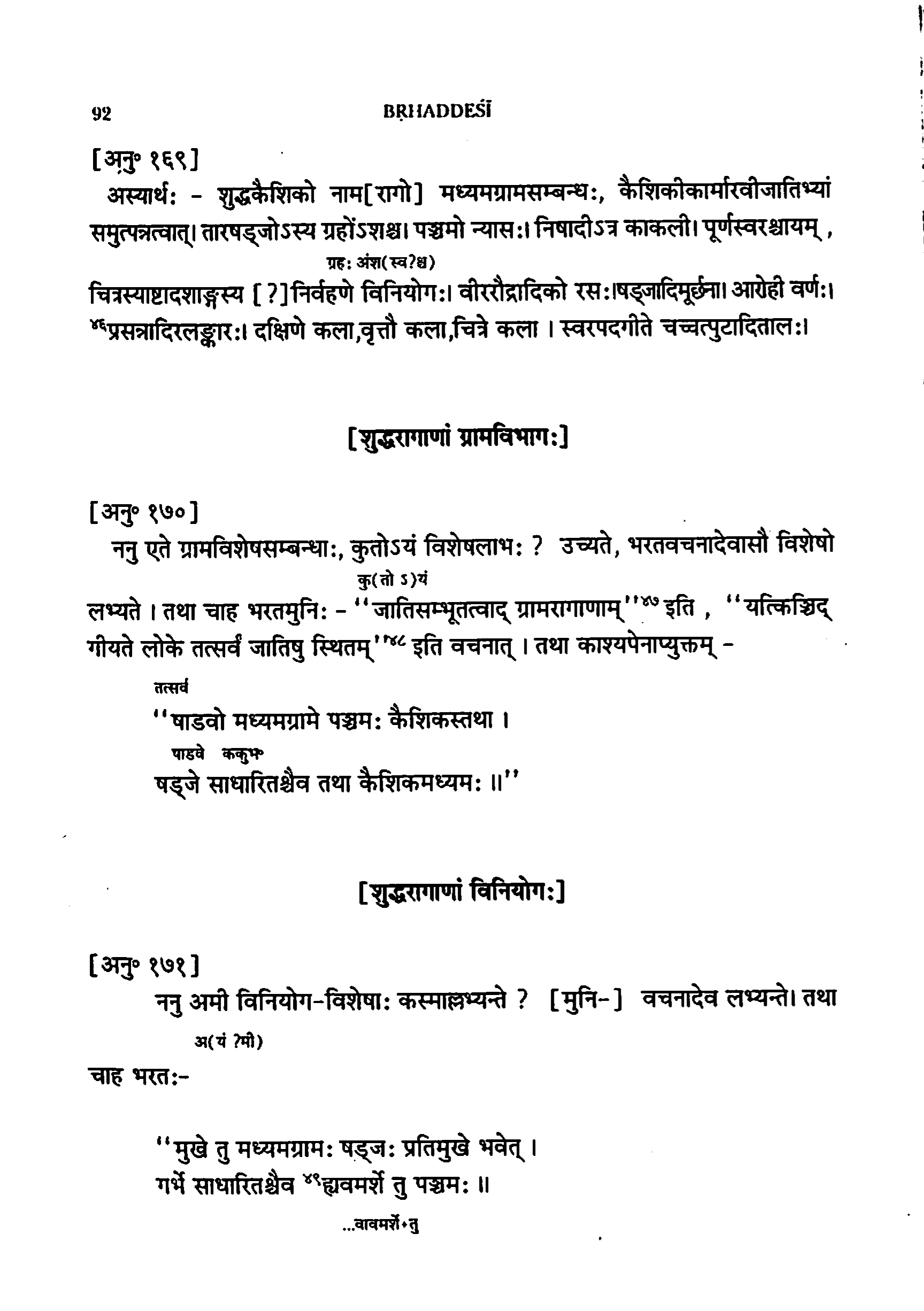
For bhinna-ṣaḍja, the mūrchanā begins with dhaivata
"धैवतादिमूर्छना"
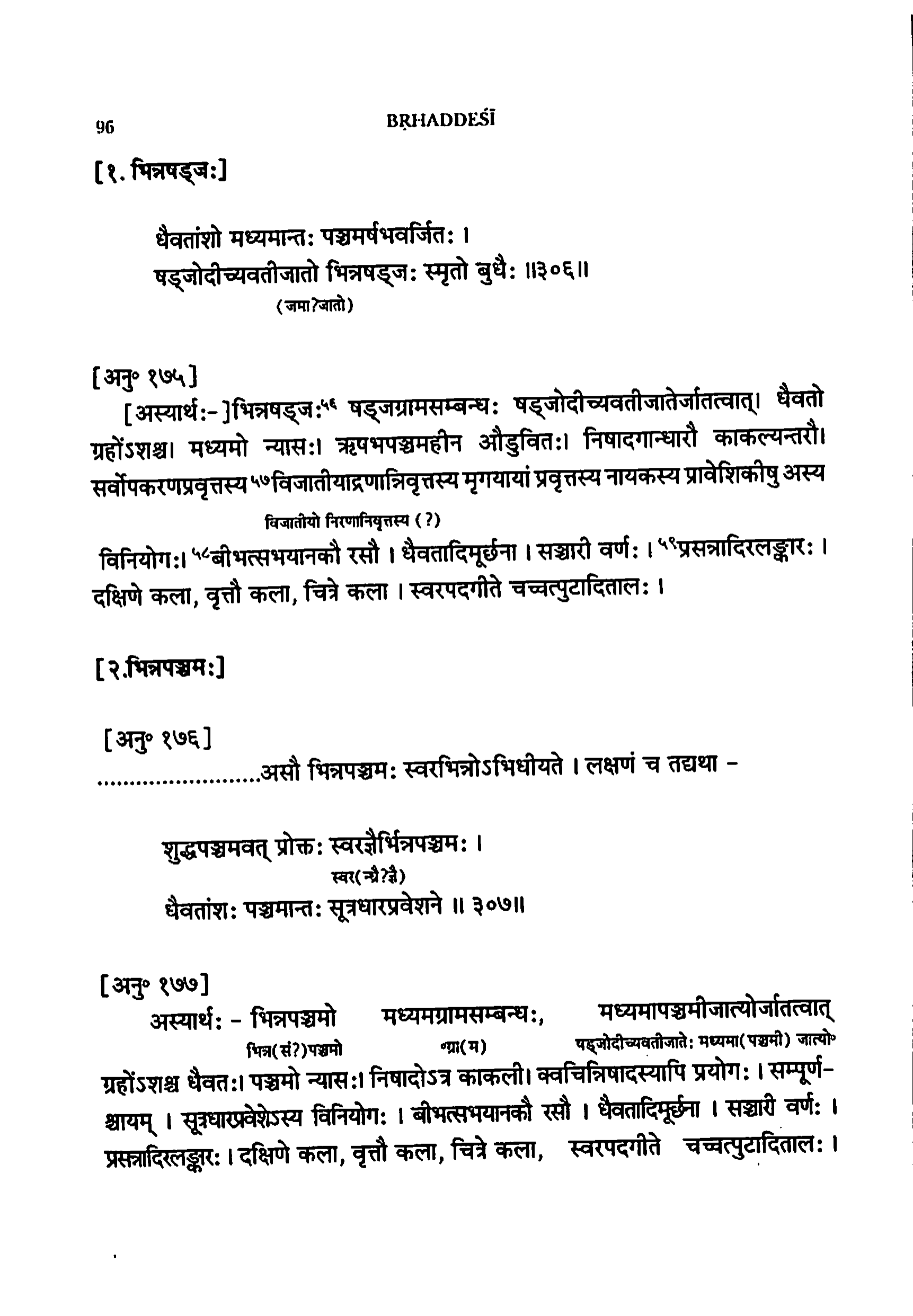
In Bhinnakaisikamadhyama, mūrchanā begins with ṣaḍja
"The mūrchanā beginning with ṣaḍja
obtains."
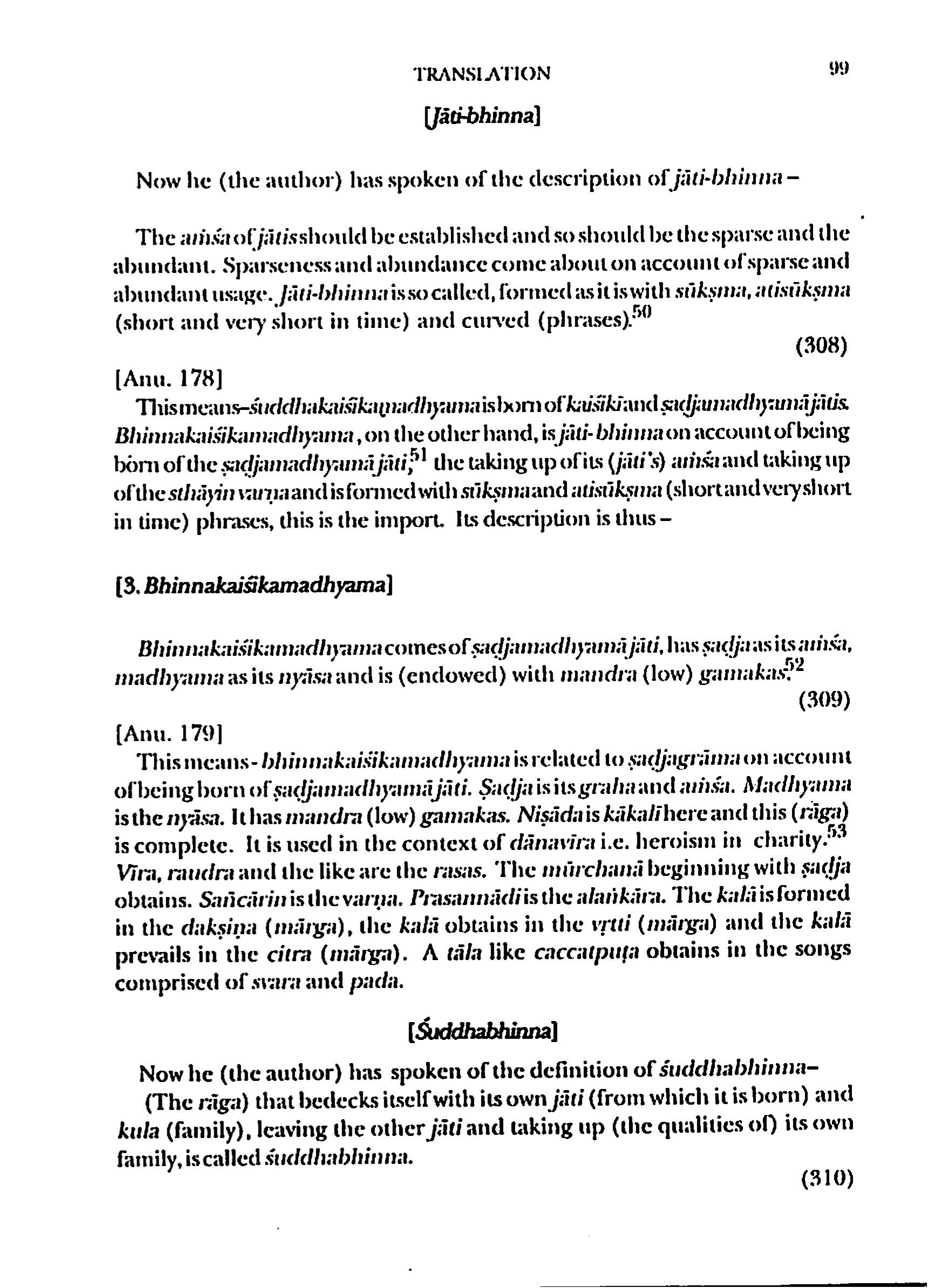
The mūrchanā beginning with pañcama obtains in bhinnatāna
"पञ्चमादिमूर्छना"
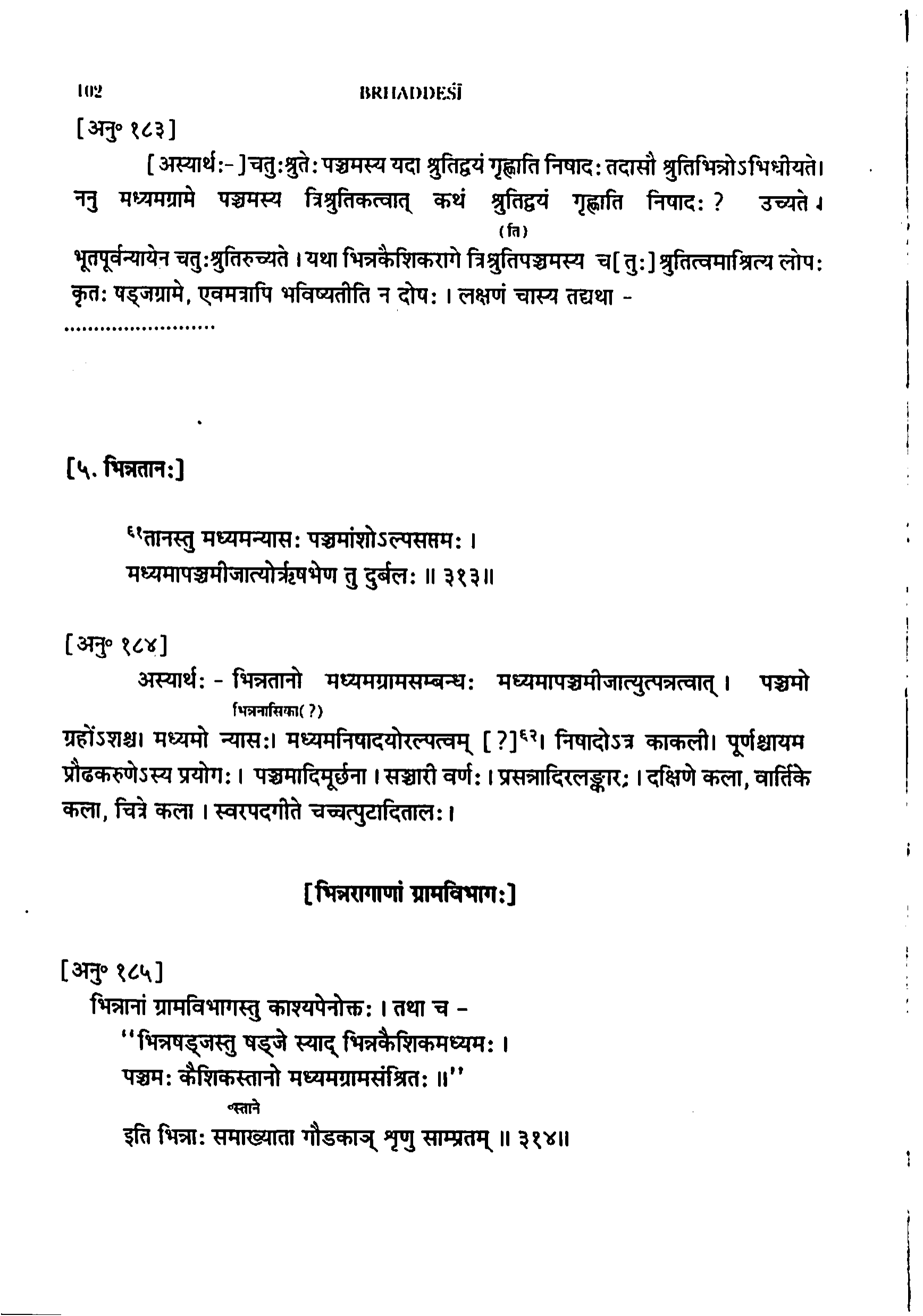
The mūrchanā of gaudakaiśika rāga begins with ṣaḍja
"The mūrchanā beginning with ṣaḍja obtains."
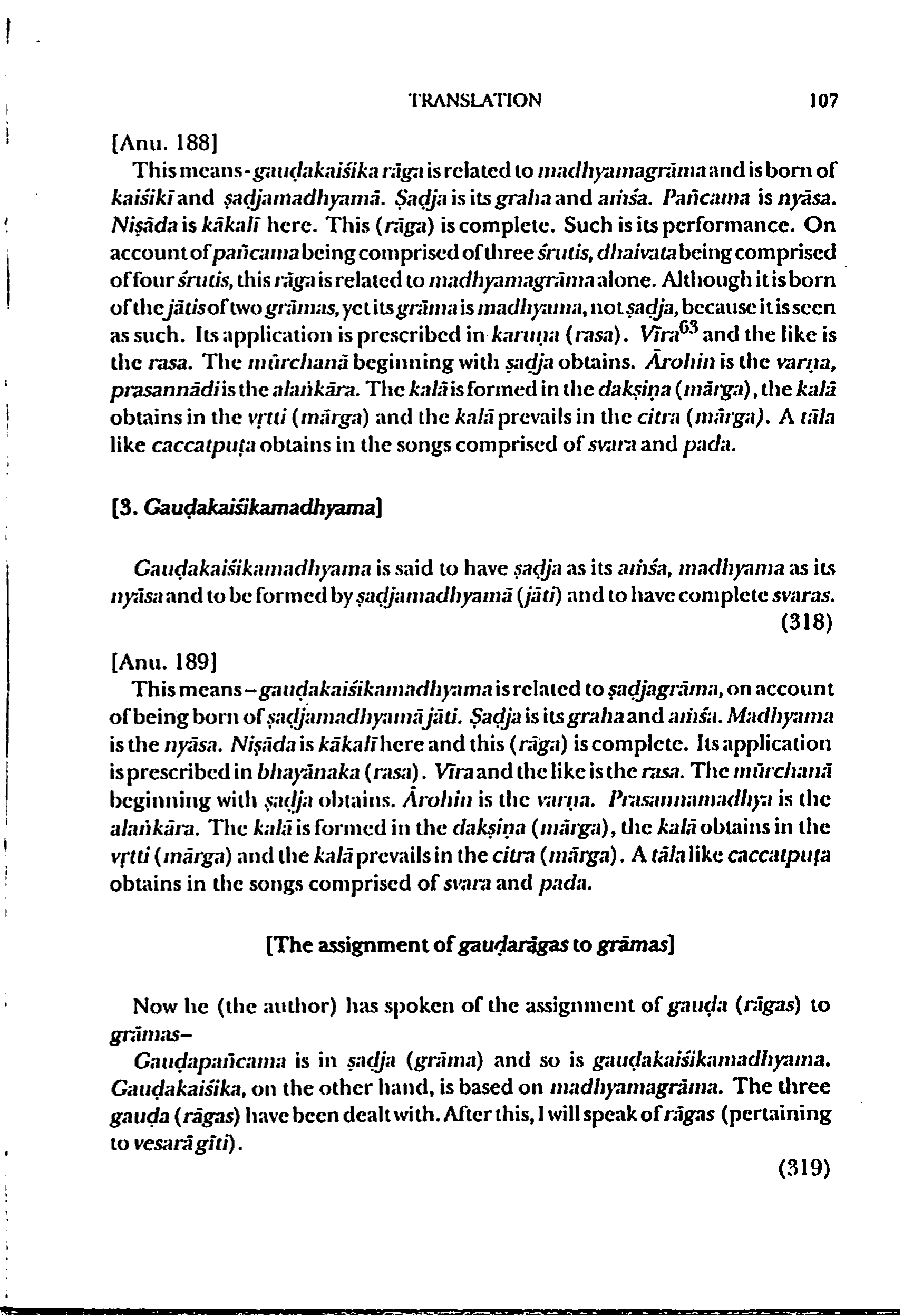
The mūrchanā of the first rāga begins with ṣaḍja
"मूर्छना षड्ज?ादिः।"
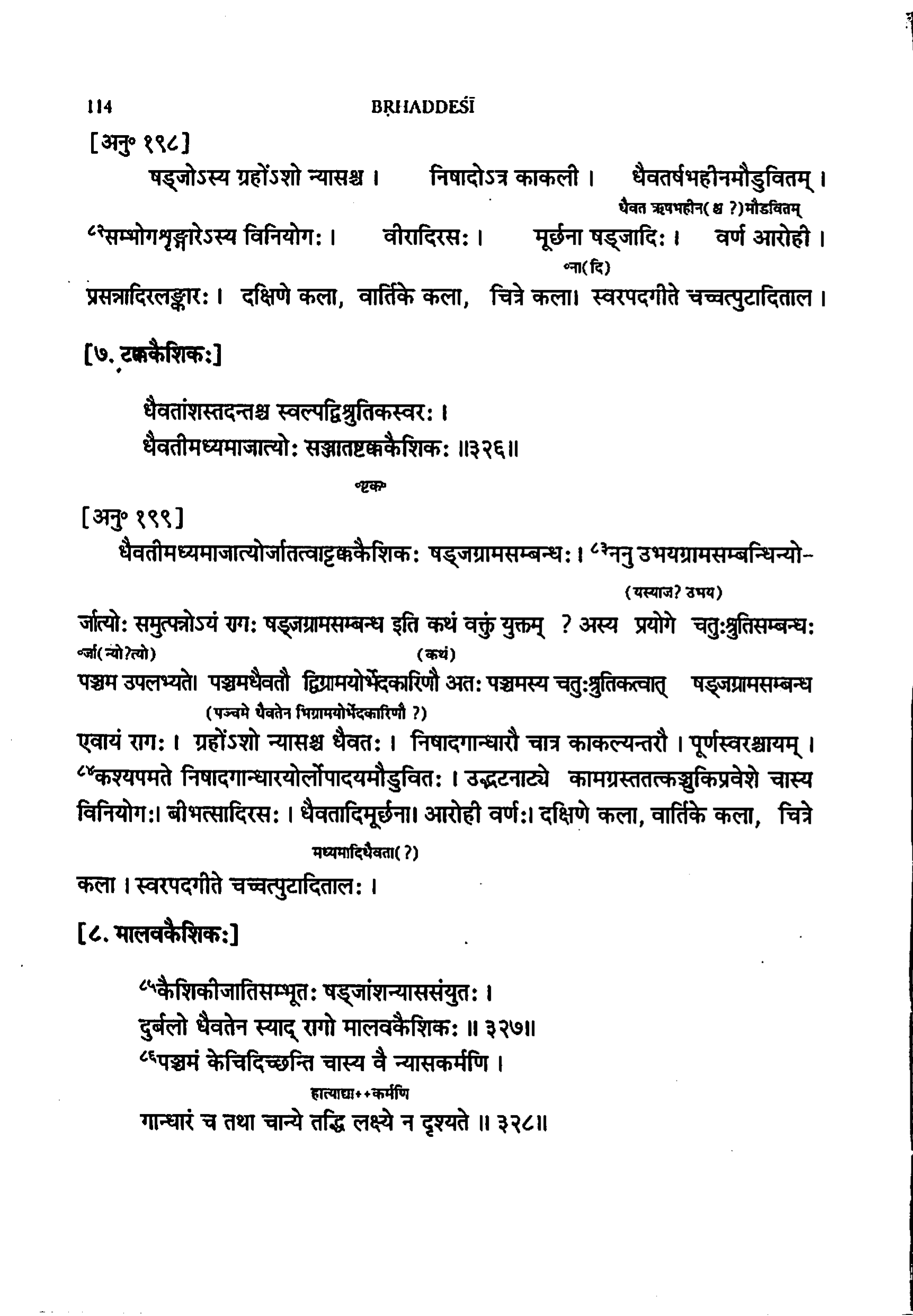
The mūrchanā of Ţakkakaiśika begins with dhaivata
"धैवतादिमूर्छना।"
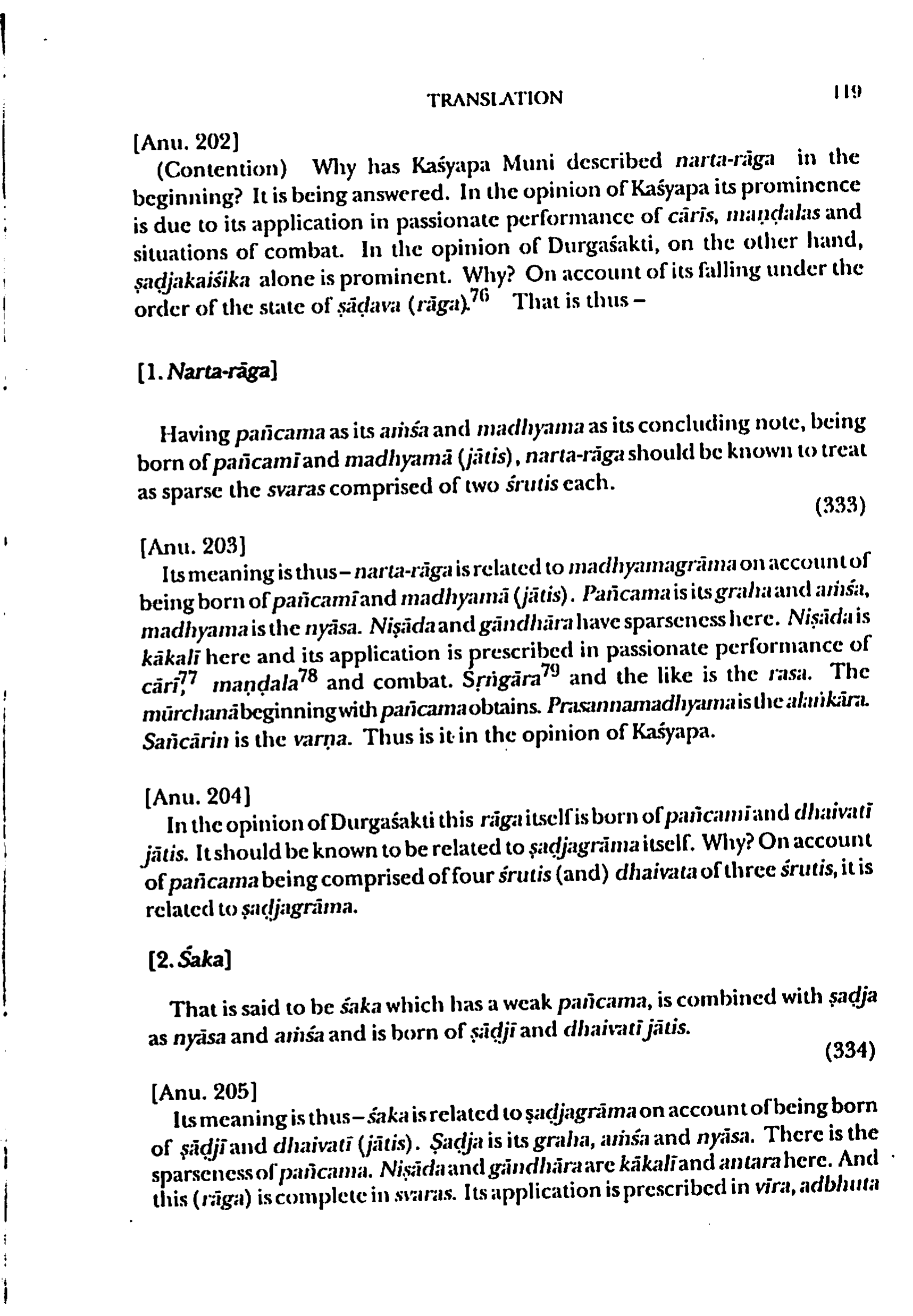
narta-rāga has a mūrchanā beginning with pañcama
"The
mūrchanā beginning with pañcama obtains."
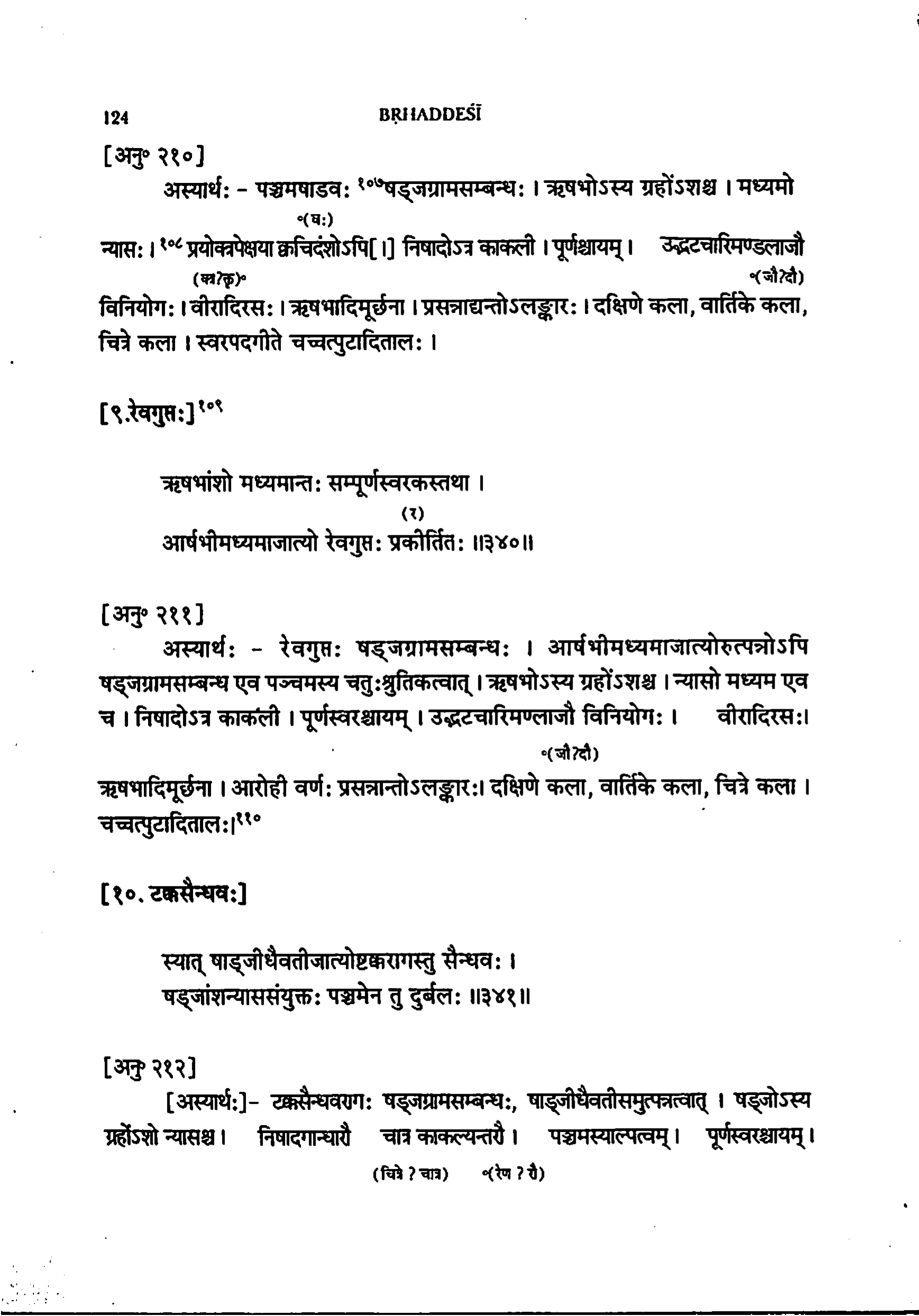
The mūrchanā beginning with ṛṣabha is obtained in pañcamaṣāḍava
"ऋषभादिमूर्छना"
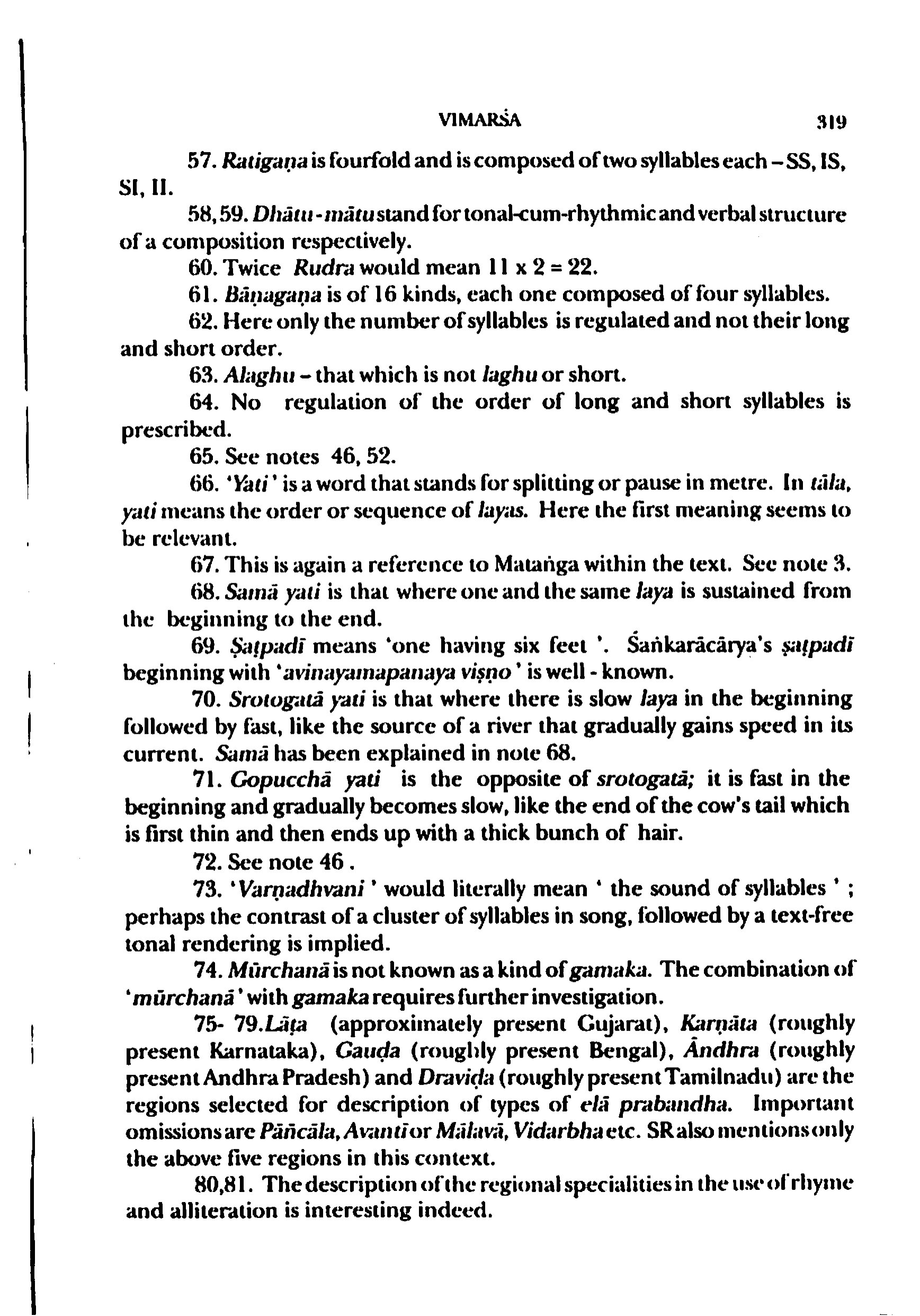
The omission of svaras is operative in mūrchanās and extends to melodic extensions like jātis and rāgas
"The omission of svaras is operative only in mūrchanās and not in
grāma; this seems to be the import. It also seems to be intended that omission
not only operates in mūrchanās that become tānas through the omission, but
also in jātis, rāgas and the like that are melodic extensions of mūrchanā or
tāna."
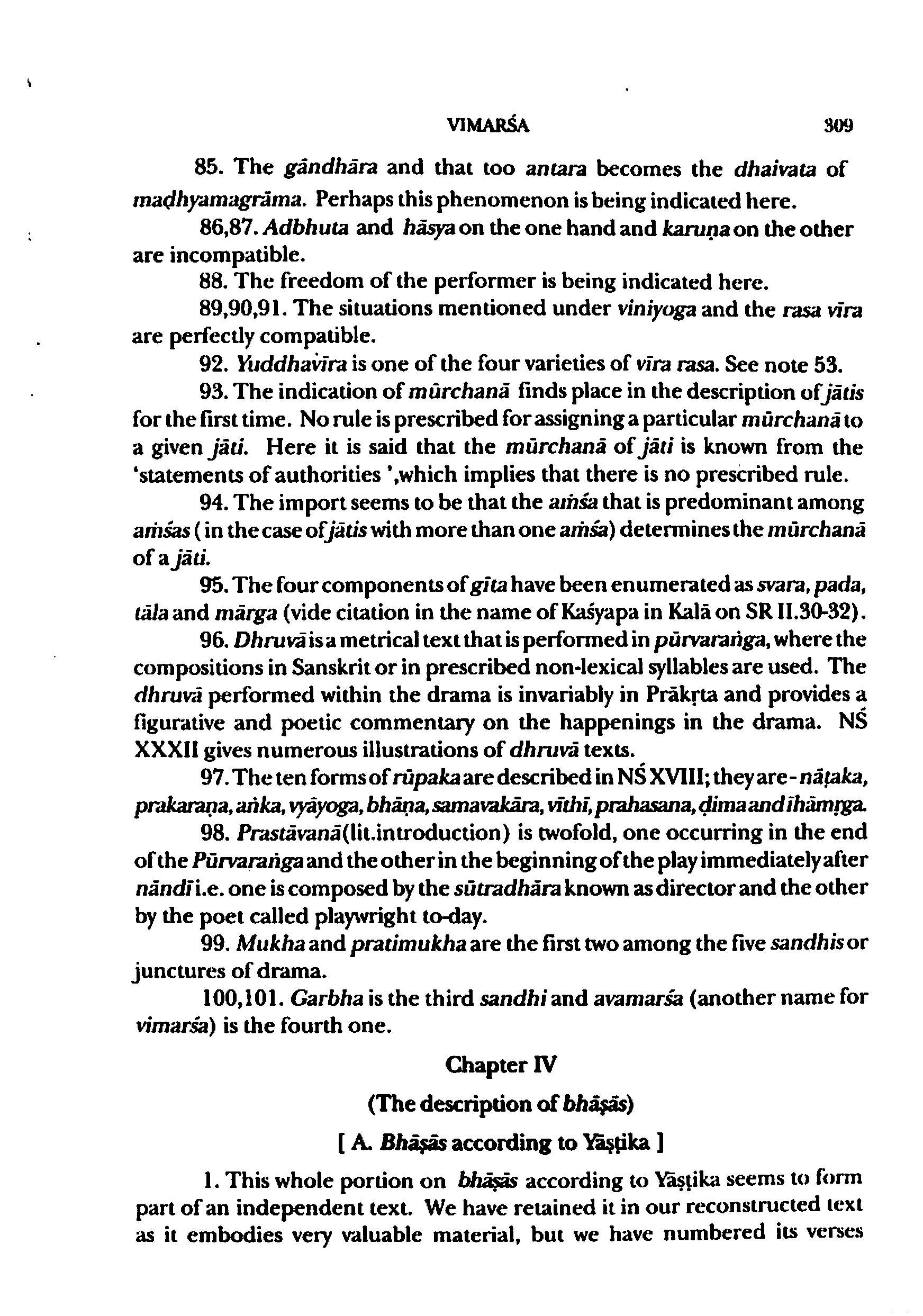
The mūrchanā of jāti is known from statements of authorities without a prescribed rule
"No rule is prescribed for assigning a particular mūrchanā to
a given jāti. Here it is said that the mūrchanā of jāti is known from the
'statements of authorities', which implies that there is no prescribed rule."
Murchanas are indicated in the middle heptad of svaras for the sake of demonstrating mandra (low) and tara (high)
"for the sake of the demonstration of mandra (low) and tara (high) the murchanas are indicated in (lit. with) the middle heptad."
Murchana should be performed in the vocal range (kanthya svara)
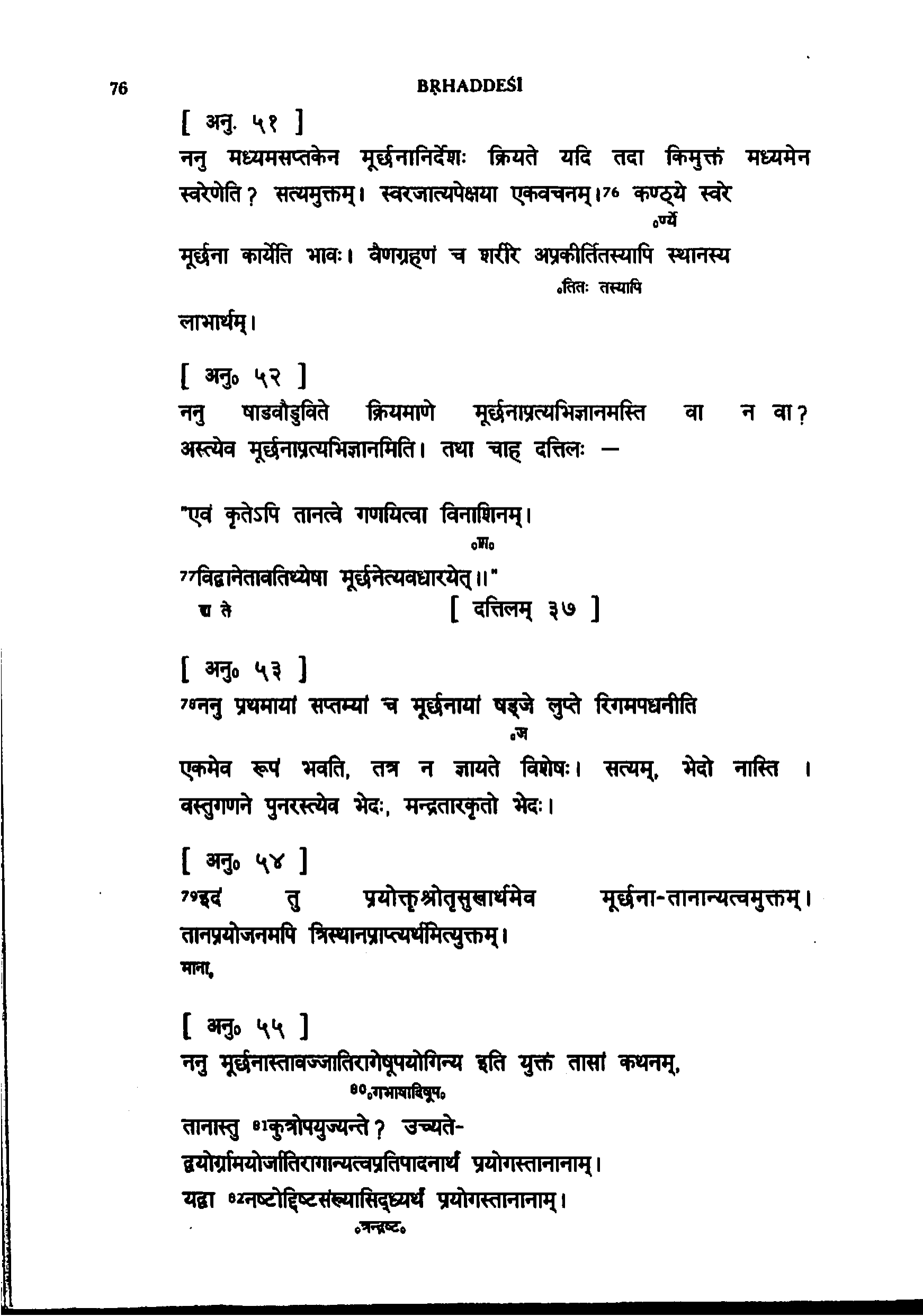
"कण्ठ्ये स्वरे मूर्छना कार्येति भावः।"
Murchanas are composed of seven svaras in a fourfold classification
"चतुर्विधा मया प्रोक्ता मूर्छना सप्तस्वरात्मिका।"
Seven-svara murchanas have been propounded by teachers but twelve-svara murchanas are used in practice
"यद्यप्याचार्यै अप्तस्वरमूर्छना प्रतिपादिता, स्थानत्रितयप्राप्त्यर्थं द्वादशस्वरैरेव मूर्छना प्रयुक्ता।"
In murchanas of the six svaras (rsabha, gandhara, madhyama, pancama, dhaivata, nişāda), sadja becomes the second through seventh svara respectively
"şadja becomes the second, third, fourth, fifth, sixth
and seventh svara in the murchanas of rsabha, gandhara, madhyama, pancama,
dhaivata and nişāda respectively"